

Choosing the right local SEO partner can directly impact your business growth. Whether you run a law firm, dental clinic, home service company, restaurant, or retail store, your visibility in local search results determines how many customers find you.
However, not all agencies deliver the same results.
Before signing any contract, you need to ask the right questions for local SEO providers. The quality of answers you receive will reveal their expertise, transparency, and long-term strategy.
This comprehensive guide breaks down the 12 essential questions to ask when hiring a local SEO agency, with detailed explanations to help you make an informed decision.
Questions for Local SEO: Identify Your Goals Before Hiring an Agency

Before evaluating any agency, start internally.
Ask yourself:
- What are your primary goals?
- Do you want more phone calls?
- More website leads?
- Increased foot traffic?
- Better Google Business Profile visibility?
Local SEO is not just about rankings — it’s about outcomes.
Clarify:
- Target service areas
- Monthly marketing budget
- Timeline expectations
- Internal team involvement
Without clear goals, even the best agency cannot align strategy properly.
Questions for Local SEO Agencies: 12 Essential Things to Ask
1. Have You Worked with Businesses in Our Industry?
Industry experience matters because:
- Different industries have different search behaviors.
- Competitive landscapes vary.
- Conversion strategies differ.
For example:
- A law firm’s local SEO strategy is very different from a restaurant’s.
- A medical clinic requires compliance awareness.
- A home services business relies heavily on reviews and map pack visibility.
Ask for:
- Relevant case studies
- Industry-specific examples
- Measurable results
Experience reduces trial-and-error risk.
2. Can You Guarantee Local SEO Results?
If an agency guarantees rankings, that is a red flag.
Search algorithms change frequently. No agency can guarantee:
- #1 rankings
- Exact timeline results
- Specific traffic numbers
What they can guarantee:
- Ethical practices
- Transparent reporting
- Strategic consistency
- Performance tracking
Reliable agencies focus on sustainable growth, not unrealistic promises.
3. What Aspects of SEO Should We Consider Outsourcing?
Local SEO includes multiple components:
- Technical SEO
- On-page optimization
- Google Business Profile management
- Local citation building
- Review management
- Link building
- Content creation
Not all businesses need to outsource everything.
Ask the agency:
- What should remain in-house?
- What requires expert handling?
- How will responsibilities be divided?
Clear boundaries improve collaboration.
4. What Metrics Are the Most Valuable to Analyze?
This is one of the most important questions for local SEO success.
Avoid agencies that only talk about rankings.
Key metrics include:
- Local keyword visibility
- Google Business Profile insights
- Calls generated
- Website conversions
- Traffic by location
- Map pack impressions
- Review growth
- Click-through rate
Metrics should connect to revenue — not vanity numbers.
5. What Are a Few of Your Best Clients or Case Studies?
Case studies show real-world performance.
Ask:
- What challenges did the client face?
- What strategy was implemented?
- What were the measurable results?
- How long did it take?
Transparency builds trust.
Be cautious if:
- They refuse to share examples.
- They only show screenshots without context.
- They avoid measurable data.
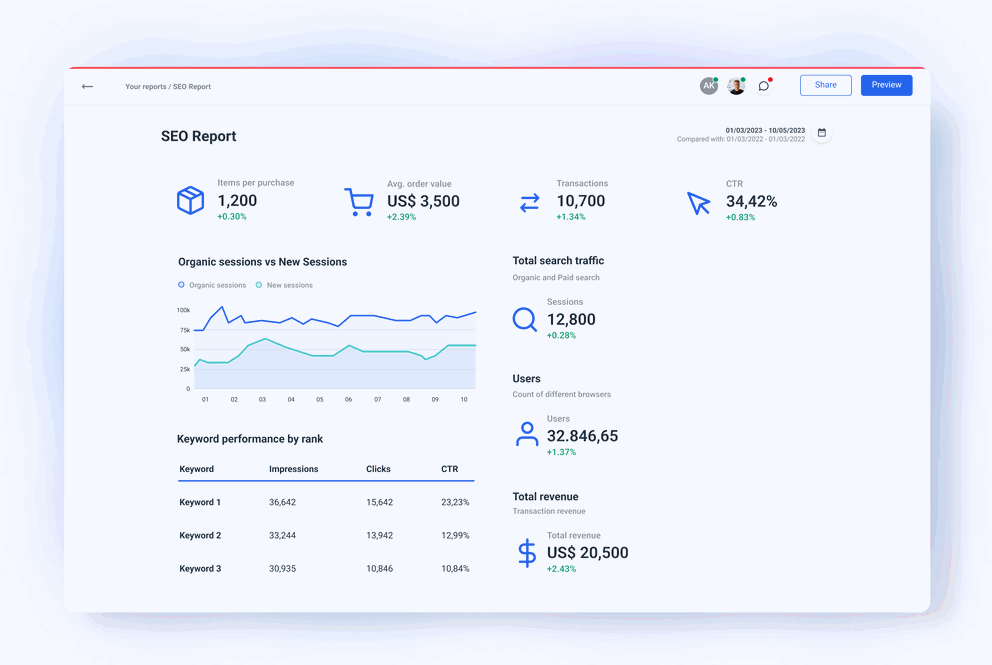
6. What Kind of Reports or Monitoring Updates Will We Be Receiving?
Clear reporting prevents confusion.
Ask:
- How often will reports be delivered?
- What tools are used?
- Will reports include actionable insights?
- Is there a monthly strategy call?
A good report should include:
- Performance summary
- Ranking changes
- Traffic trends
- Work completed
- Next month’s action plan
Reporting ensures accountability.
7. What Can Our Team Continue to Work on In-House?
Local SEO works best when both sides collaborate.
Your team can contribute by:
- Creating blog content
- Collecting reviews
- Updating service information
- Posting on social media
- Sharing promotions
An agency should empower your internal team — not replace it entirely.
8. How Do You Select Top Keywords for Our Brand?
Keyword selection drives local visibility.
Ask about:
- Research methodology
- Competitor analysis
- Search intent evaluation
- Location modifiers
- Long-tail keyword targeting
Example:
Instead of targeting “plumber,” a better keyword may be:
- “Emergency plumber in Chicago”
- “24-hour plumbing repair near me”
Strategic keyword selection improves conversion potential.
9. How Long Does It Take to See Results?
Local SEO is not instant.
Typical timelines:
- 1–2 months: Foundation setup
- 3–6 months: Noticeable ranking improvements
- 6–12 months: Strong local authority growth
Results depend on:
- Competition level
- Website condition
- Budget
- Geographic market size
Realistic timelines indicate professionalism.
10. How Is Your Company Positioned in the Current Local SEO Landscape?
Local SEO evolves constantly.
Ask how they handle:
- Algorithm updates
- Google Business Profile changes
- AI-driven search features
- Zero-click results
- Review management shifts
Agencies must stay updated with industry changes.
11. Can You Solve Complex Google Business Profile, Yelp, Apple Maps & Listing Issues?
Listing management is crucial.
Common issues include:
- Duplicate profiles
- Suspended accounts
- Verification problems
- Incorrect NAP (Name, Address, Phone)
- Inconsistent business categories
Ask about their experience handling technical listing challenges.
Poor listing management can destroy local visibility.
12. Is Review Monitoring and Response Included?
Reviews influence:
- Rankings
- Conversion rates
- Trust
- Brand perception
Ask:
- Do they help generate reviews?
- Do they respond on your behalf?
- How are negative reviews handled?
- Do they track review velocity?
Active review management improves local authority significantly.
Common Mistakes to Avoid When Hiring a Local SEO Agency
Hiring a local SEO agency is a long-term investment. The wrong decision can cost you months of lost growth, wasted budget, and missed opportunities. Below is a deeper look at the most common mistakes businesses make — and why they can seriously hurt your results.
1. Choosing the Cheapest Option Without Research
It’s natural to compare pricing. However, local SEO is not a commodity service — it’s a strategic growth channel.
When businesses choose the cheapest agency without evaluating quality:
- They often receive templated strategies.
- Work may be outsourced to inexperienced teams.
- Communication becomes inconsistent.
- Reporting lacks depth.
- Shortcuts may be used (which can harm rankings).
Low-cost providers may rely on:
- Automated backlink spam
- Duplicate location pages
- Thin content creation
- Outdated tactics
Local SEO requires:
- Strategic keyword research
- Technical optimization
- Google Business Profile management
- Content development
- Review strategy
- Ongoing analysis
These activities require time, expertise, and tools. If pricing is extremely low, corners are likely being cut.
Instead of choosing the cheapest option, evaluate:
- Experience
- Case studies
- Reporting quality
- Strategy transparency
- Long-term scalability
Value matters more than price.
2. Believing Ranking Guarantees
One of the biggest red flags in local SEO is a guaranteed ranking promise.
No agency can guarantee:
- #1 position in Google
- Exact timeline for ranking
- Specific traffic numbers
Search engines use complex algorithms that:
- Constantly evolve
- Factor in competition
- Consider user behavior signals
- Change based on location and device
When an agency guarantees rankings, it often means:
- They are overselling
- They are using risky techniques
- They don’t understand algorithm volatility
Ethical agencies guarantee:
- Transparent work
- Measurable effort
- Consistent optimization
- Clear communication
SEO is about improving probability — not controlling search engines.
3. Ignoring Reporting Transparency
SEO without reporting is guesswork.
Some agencies provide vague updates like:
- “We built links.”
- “We optimized content.”
- “Traffic improved.”
That’s not enough.
You should receive detailed reports that include:
- Local keyword movement
- Google Business Profile insights
- Website traffic by city
- Call tracking data
- Conversions
- Work completed
- Next month’s action plan
If reporting lacks clarity:
- You can’t measure ROI.
- You can’t track progress.
- You don’t know what you’re paying for.
Transparency builds accountability. If an agency avoids detailed reporting, reconsider the partnership.
4. Overlooking Contract Terms
Many businesses sign SEO contracts without reading:
- Cancellation clauses
- Lock-in periods
- Scope of services
- Ownership of assets
- Hidden fees
Important questions include:
- Is there a minimum commitment period?
- What happens if results are unsatisfactory?
- Who owns the content created?
- Who controls your Google Business Profile?
- Are backlinks built under your ownership?
Some agencies:
- Lock clients into 12-month contracts
- Retain ownership of content
- Remove links if you cancel
- Charge hidden setup fees
Clear contract terms protect your investment and give you flexibility if needed.
5. Failing to Set Clear Goals
SEO without goals becomes directionless.
Before hiring, define:
- Do you want more phone calls?
- More form submissions?
- Increased map pack visibility?
- More foot traffic?
- Better brand authority?
Without goals:
- Agencies optimize randomly.
- Reporting lacks focus.
- ROI becomes unclear.
- Success becomes subjective.
Clear goals allow agencies to:
- Choose the right keywords.
- Prioritize the right cities.
- Allocate budget effectively.
- Measure meaningful results.
Local SEO should connect directly to revenue outcomes.
6. Hiring Without Asking Proper Questions for Local SEO
Many businesses rush into contracts without asking strategic questions.
Key areas often ignored:
- Industry experience
- Technical capabilities
- Review management strategy
- Citation consistency process
- Link-building methodology
- Timeline expectations
- Communication structure
When you don’t ask proper questions:
- Expectations become misaligned.
- Communication gaps appear.
- Strategy becomes unclear.
- Performance may disappoint.
Asking structured, thoughtful questions protects you from costly mistakes.
Why These Mistakes Matter
Local SEO is cumulative.
Mistakes can lead to:
- Lost rankings
- Google penalties
- Poor brand reputation
- Inconsistent NAP listings
- Review management issues
- Reduced trust from search engines
Fixing poor SEO later is often more expensive than doing it right the first time.
FAQs
Why are questions important before hiring a local SEO agency?
Because they help assess expertise, transparency, and alignment with your goals.
How do I know if a local SEO agency is trustworthy?
Look for clear communication, measurable case studies, realistic timelines, and detailed reporting.
How much should local SEO cost?
Costs vary depending on competition and scope, but quality service requires investment.
Should small businesses hire local SEO agencies?
Yes, especially if they lack internal expertise or time to manage optimization consistently.
What’s the biggest red flag when hiring?
Guaranteeing rankings or offering extremely low pricing with unrealistic promises.
Conclusion
Hiring a local SEO agency is a strategic decision that impacts long-term business growth.
Asking the right questions for local SEO ensures you:
- Avoid unrealistic promises
- Understand service scope
- Set measurable goals
- Establish transparency
- Build a collaborative relationship
The right agency will not just improve rankings — it will improve leads, calls, and conversions.
Local SEO success depends on:
- Clear strategy
- Consistent execution
- Transparent communication
- Data-driven adjustments
When you evaluate agencies carefully and ask the right questions, you increase your chances of building a strong and sustainable local search presence.

A digital marketer with a strong focus on SEO, content creation, and AI tools. Creates helpful, easy-to-understand content that connects with readers and ranks well on search engines. Loves using smart tools to save time, improve content quality, and grow online reach.