
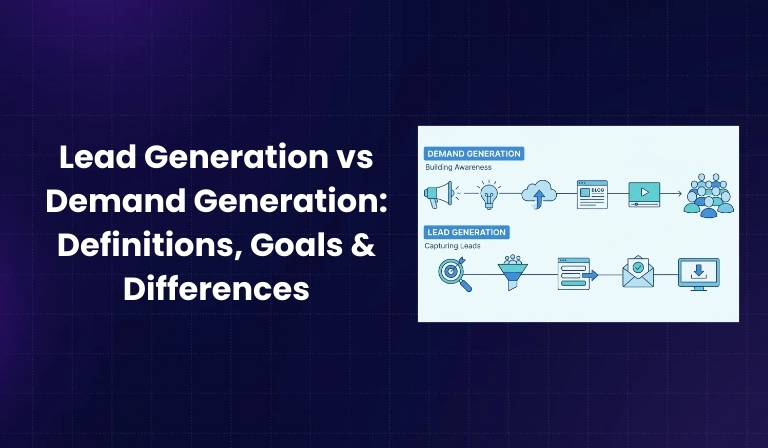

Most markets consist of a small percentage of buyers who are actively looking for a solution and a much larger group who are not yet ready to buy. Many marketing teams struggle because they apply lead-focused tactics to an audience that is not prepared to convert or, conversely, invest heavily in awareness without a clear way to capture interest when it appears.
The confusion between demand generation and lead generation often leads to misaligned expectations, poor measurement, and friction between marketing and sales. For CMOs and marketing leaders, understanding the distinction is not a theoretical exercise—it directly impacts pipeline quality, customer acquisition cost, and long-term growth.
This article provides clear definitions, explains goals and tactics, compares both approaches side by side, and offers practical guidance on how to use them strategically.
What is Lead Generation?
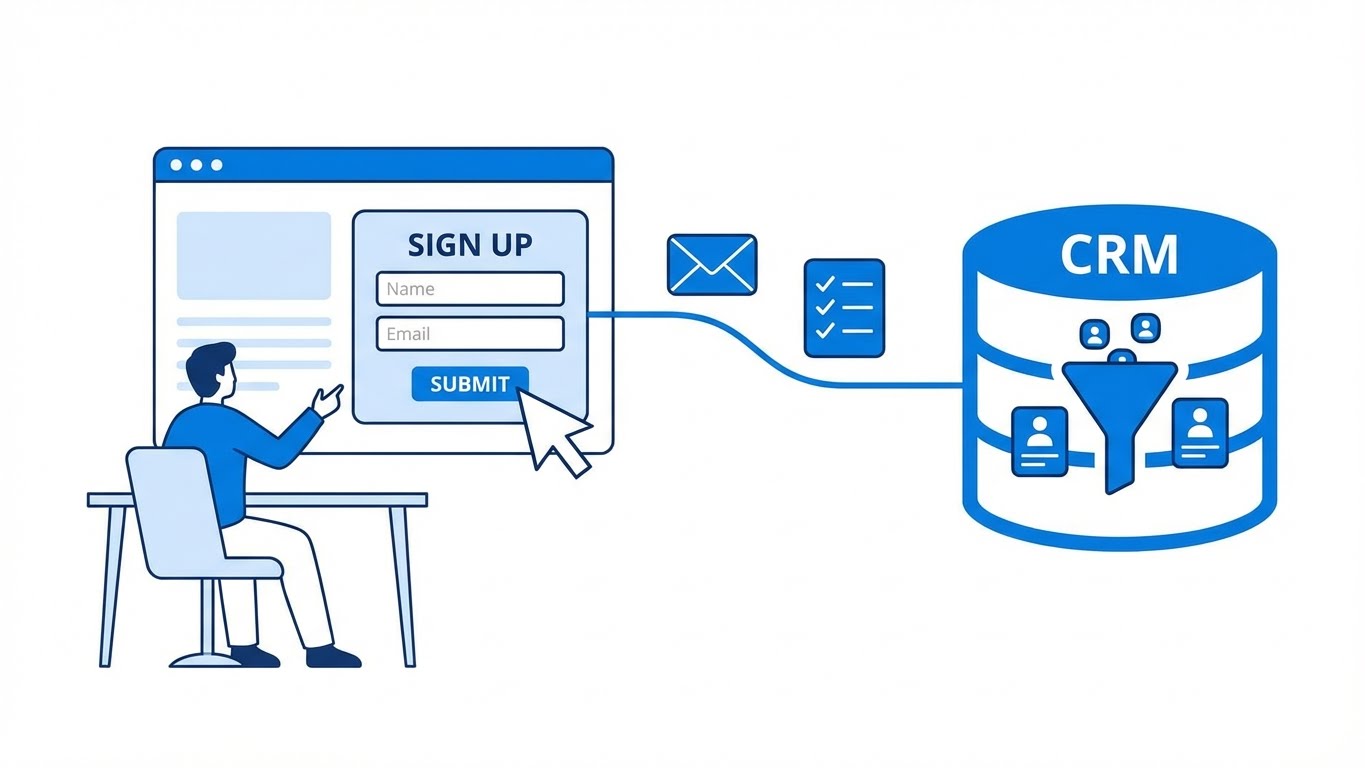
Lead generation is a marketing approach focused on capturing contact information from prospects who have already shown interest in a product or service. The core idea is a direct value exchange: the prospect receives something of value, and in return, they share their details.
This strategy is highly measurable and conversion-driven. It is typically designed to support short-term pipeline growth by identifying individuals who may be ready for sales engagement.
Lead Generation Goals
The primary purpose of lead generation is to turn existing interest into identifiable opportunities that sales teams can work on. It aims to create clarity and efficiency in the handoff between marketing and sales.
Key goals include:
- Identifying potential customers who are actively researching or evaluating solutions
- Building a qualified database of prospects
- Creating marketing-qualified leads that can be nurtured or passed to sales
- Generating immediate and trackable conversions that contribute to the pipeline
Common Lead Generation Tactics
Lead generation relies on tactics designed to prompt action from in-market prospects. These tactics are usually focused on conversion rather than reach.
Common tactics include:
- Gated content such as ebooks, whitepapers, checklists, and case studies
- Dedicated landing pages with lead capture forms
- Paid search campaigns targeting high-intent keywords
- Webinar registrations that require contact information
- Cold outreach and targeted email campaigns
- Retargeting ads aimed at previous site visitors
Lead Generation Metrics & KPIs
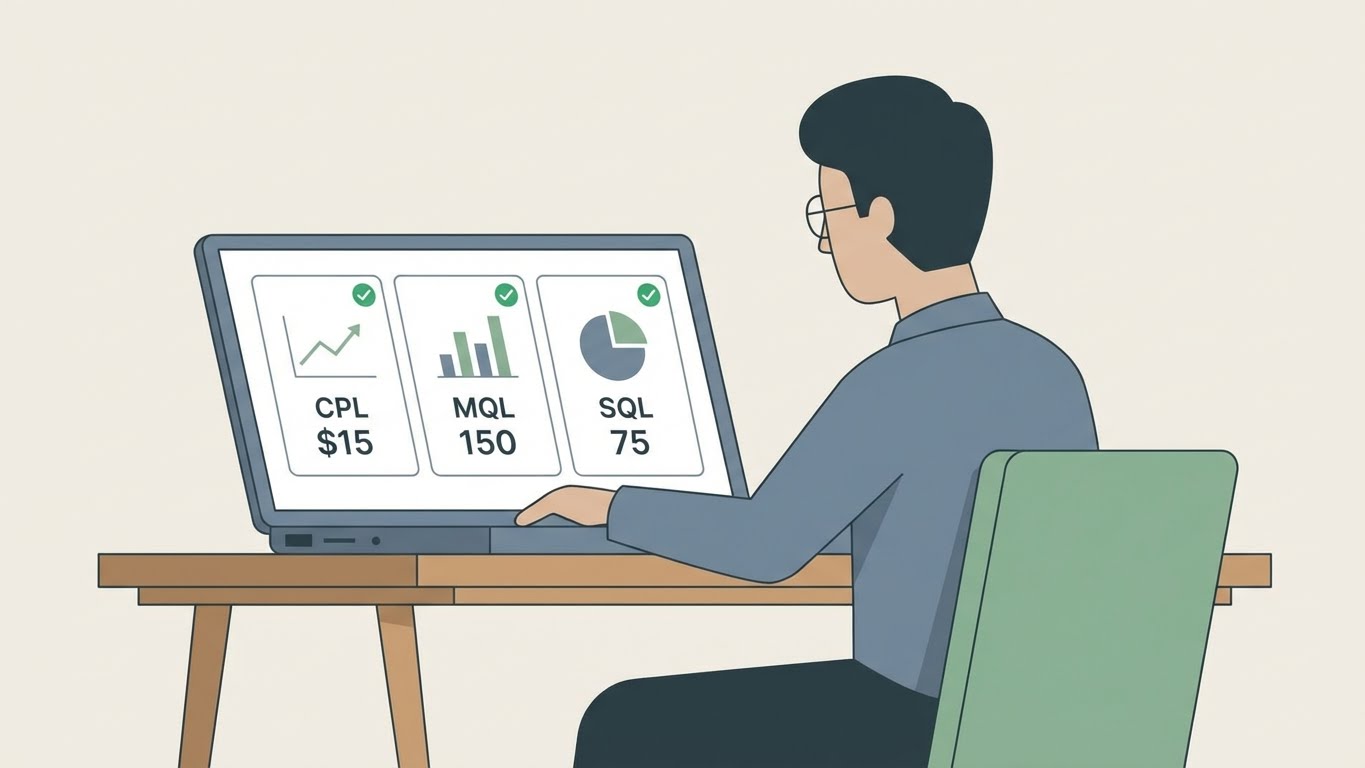
Because lead generation is conversion-focused, its performance is easier to measure directly.
Typical metrics include:
- Form fills and conversion rates
- Cost-per-lead (CPL)
- Marketing-qualified lead (MQL) to sales-qualified lead (SQL) conversion rates
- Lead quality or lead scoring metrics
- Email open rates and click-through rates
What is Demand Generation?
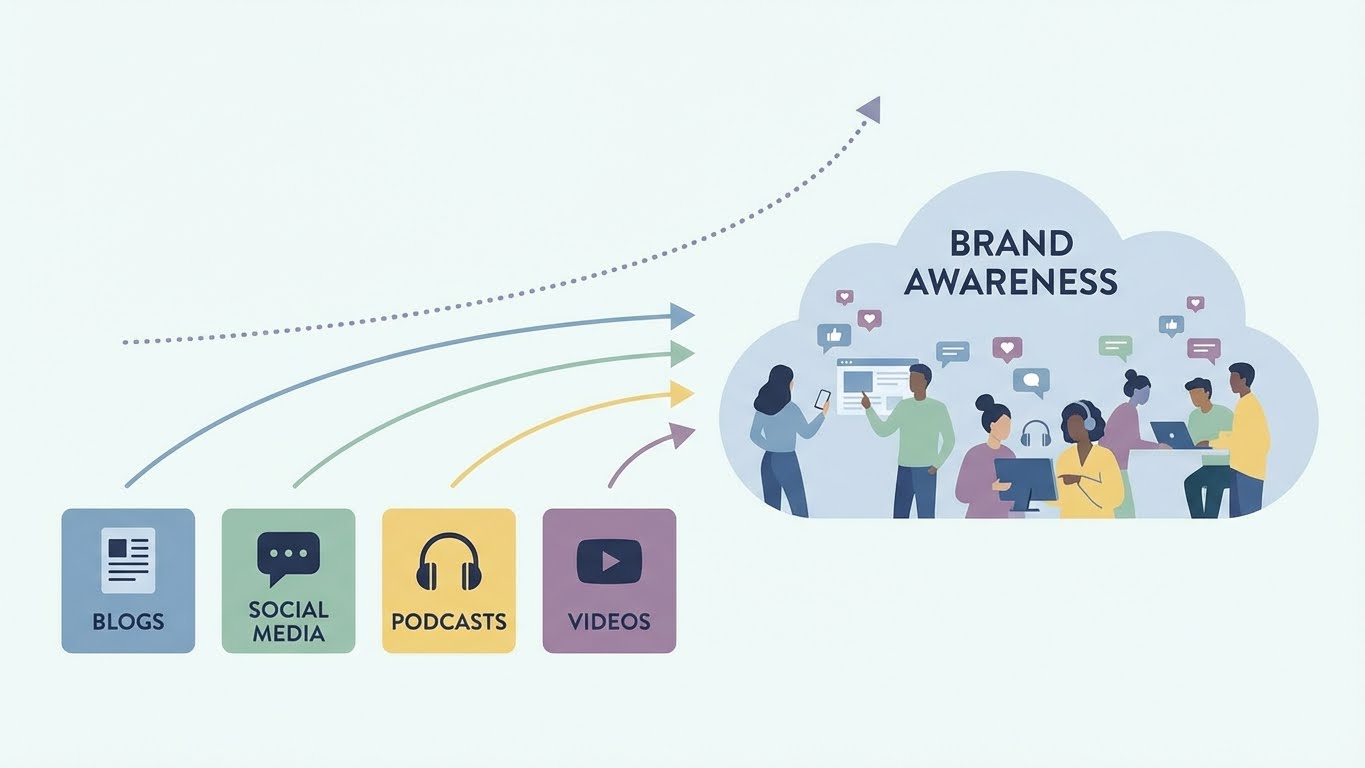
Demand generation is a full-funnel marketing strategy designed to create awareness, interest, and trust before a buyer actively enters the market. Instead of asking for information upfront, it focuses on delivering value openly and consistently.
The goal is not immediate conversion but long-term relationship building. Demand generation shapes how prospects perceive a problem, a category, and a brand well before a sales conversation begins.
Demand Generation Goals
Demand generation seeks to influence the market over time by educating and engaging potential buyers early in their journey. It helps ensure that when buyers are ready, a brand is already familiar and credible.
Core goals include:
- Creating awareness for a solution or category
- Educating the market about industry challenges and opportunities
- Building brand authority and thought leadership
- Driving inbound interest organically
- Influencing buying decisions before direct sales engagement
Common Demand Generation Tactics
Demand generation uses a broader mix of channels and content formats designed to maximize reach and engagement rather than immediate conversion.
Common tactics include:
- Ungated thought leadership content on blogs and LinkedIn
- Podcasts and video series that establish expertise
- Brand advertising and influencer partnerships
- Organic and paid social media campaigns
- Product walkthroughs and educational videos without hard calls to action
- Industry reports and research content
- Educational webinars focused on insights rather than registrations
- Community building through forums, groups, and events
Demand Generation Metrics & KPIs
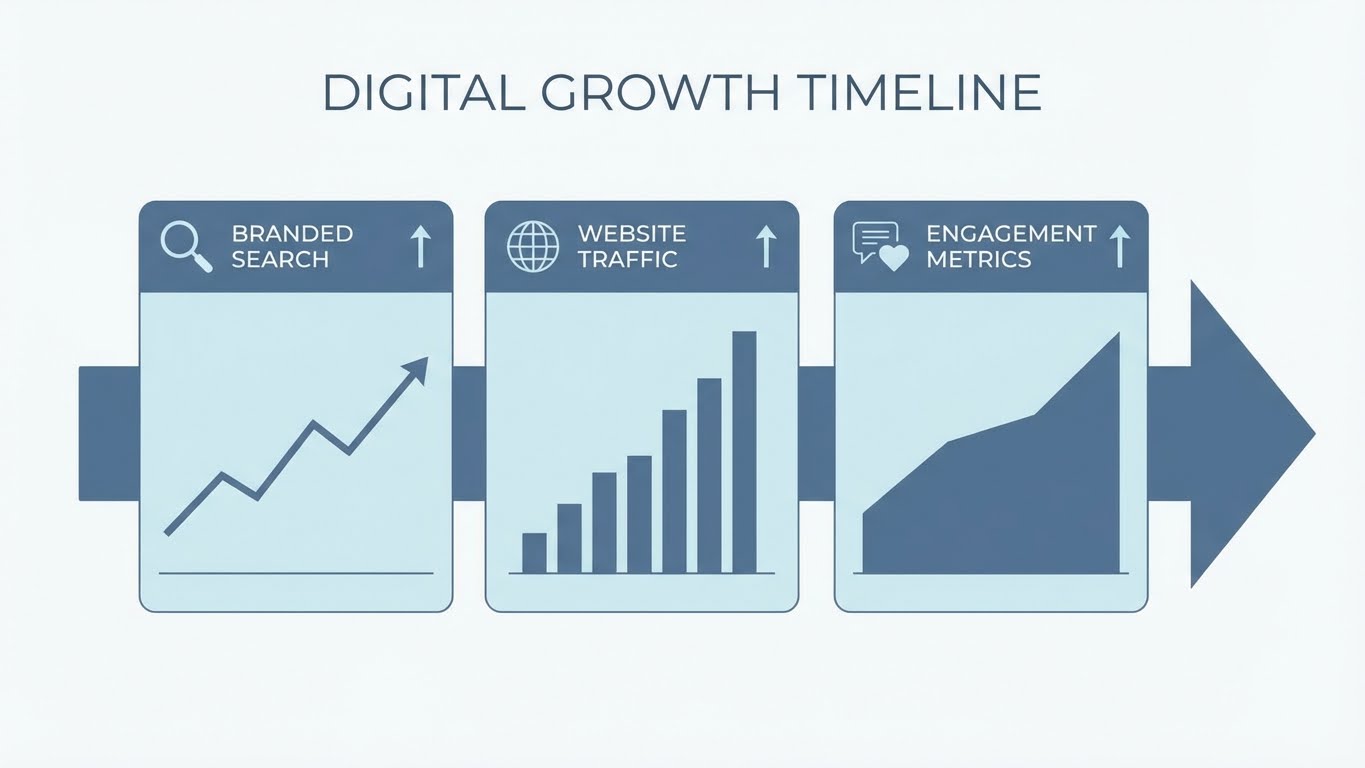
Demand generation performance is measured over a longer time horizon and often through indirect indicators.
Common metrics include:
- Growth in direct website traffic
- Increase in branded search volume
- Social engagement, shares, and reach
- Content views, watch time, and downloads
- Sales velocity improvements from known accounts
- Pipeline influence from early-stage touchpoints
Key Differences: Head-to-Head Comparison
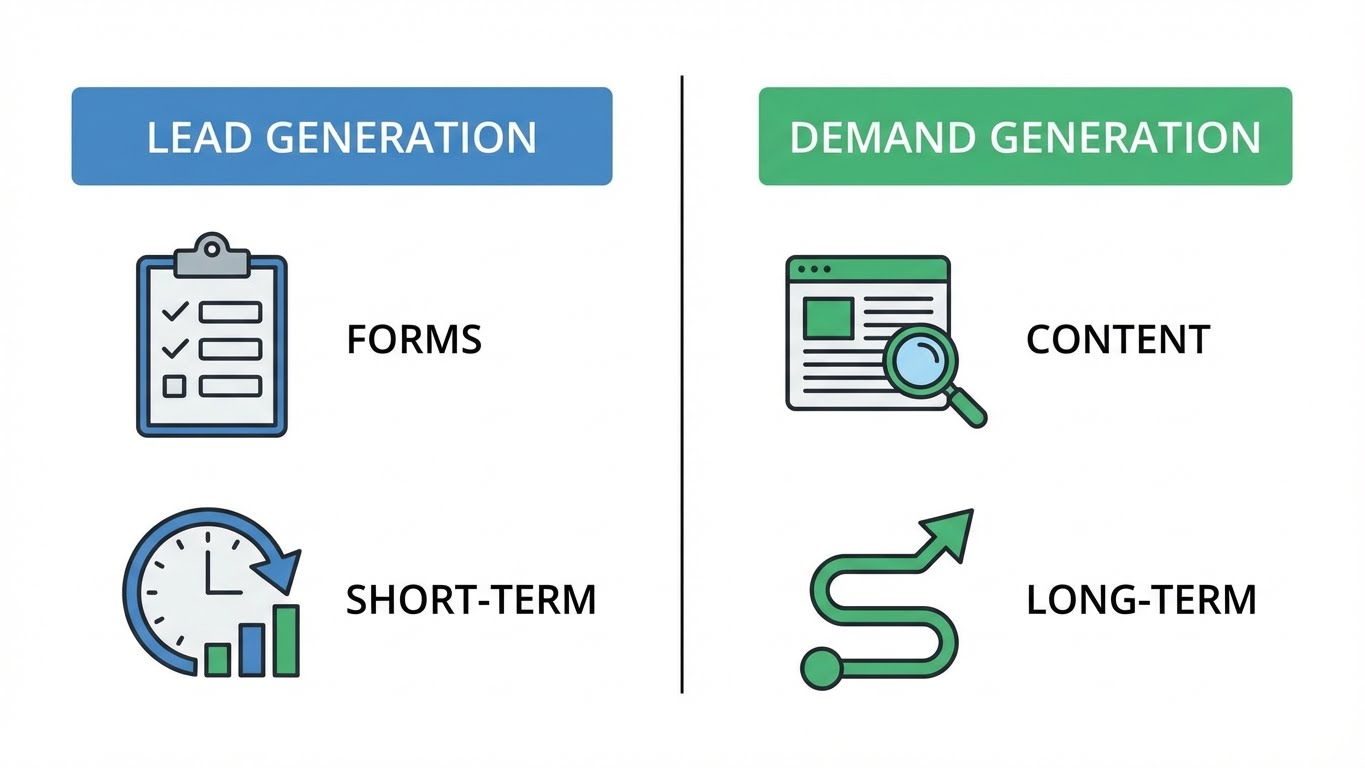
Primary Goals (What are you trying to achieve?)
Lead generation is designed to capture contact information and create immediate opportunities for sales follow-up. It prioritizes short-term conversions and measurable outcomes.
Demand generation focuses on building awareness, educating the market, and developing long-term brand equity. Its goal is to shape demand rather than simply capture it.
Buyer Journey Stage
Lead generation typically targets buyers in the middle to late stages of the funnel. These buyers already recognize a problem and are evaluating solutions.
Demand generation targets buyers earlier in the journey, often before they have fully defined their needs or started comparing vendors.
Content Strategy
Lead generation content is usually gated and designed to justify the exchange of personal information. Messaging is direct, value-focused, and supported by strong calls to action.
Demand generation content is ungated and accessible. It emphasizes education, insight, and credibility, using a mix of short-form and long-form formats to reach a broad audience.
Channel Mix
Lead generation relies heavily on channels that capture intent efficiently, such as paid search, landing pages, email campaigns, and retargeting.
Demand generation uses channels that maximize reach and influence, including social media, podcasts, video platforms, public relations, and partnerships.
Attribution & Measurement Window
Lead generation is usually measured over short attribution windows and tied directly to conversions, making ROI easier to calculate.
Demand generation operates over longer attribution windows and contributes indirectly to pipeline and revenue, requiring multi-touch and influence-based measurement models.
Comparison Table
| Element | Lead Generation | Demand Generation |
| Primary Goal | Capture contact information | Build awareness and interest |
| Buyer Stage | Mid to late-funnel | Early to mid-funnel |
| Content | Gated assets | Ungated content |
| KPIs | Form fills, CPL, MQL to SQL | Traffic, engagement, brand metrics |
| Channel Mix | Paid search, forms, email | Social, podcasts, native ads |
| Timeline | Short-term | Long-term |
| Measurement | Direct conversions | Pipeline contribution |
Common Mistakes: The Cost of Getting It Wrong
Over-Relying on Lead Generation
When organizations focus only on lead generation, they often collect large volumes of low-quality leads. Without sufficient market education, sales teams struggle to convert these contacts into customers.
This usually happens when forms are prioritized over value. The solution is to integrate demand generation to warm and educate the audience before asking for commitment.
Ignoring Lead Generation Entirely
Some brands invest heavily in awareness and thought leadership but fail to capture interest when it emerges. This results in strong visibility but a weak pipeline.
The solution is to add clear, well-timed lead capture mechanisms that allow interested prospects to take the next step.
Measuring Demand Generation with Lead Generation Metrics
Applying short-term conversion metrics to demand generation creates unrealistic expectations and leads to premature abandonment of effective programs.
Demand generation should be evaluated using metrics aligned with awareness, engagement, and pipeline influence rather than immediate form fills.
Poor Sales-Marketing Alignment
Without shared definitions of what constitutes a qualified lead, sales teams may perceive marketing output as low quality.
Establishing clear MQL and SQL criteria and maintaining feedback loops helps align expectations and improve outcomes.
When to Prioritize Lead Generation
Market Conditions Favoring Lead Gen
Lead generation works best in mature markets where demand already exists and buyers are actively searching for solutions.
These conditions include:
- Established categories with proven demand
- Lower-cost offerings and short sales cycles
- Strong brand recognition and trust
- Clear, compelling offers with immediate value
Organizational Readiness
Successful lead generation requires operational readiness across teams.
Key readiness factors include:
- Strong sales enablement and quick follow-up processes
- Relevant offers aligned with buyer intent
- Effective lead nurturing workflows
- Reliable CRM and marketing automation systems
Use Cases for Lead Generation Focus
Lead generation is particularly effective for:
- Accelerating short-term pipeline growth
- Testing new messaging or audience segments
- Supporting demand generation campaigns with conversion paths
- Targeting known, in-market prospects
When to Prioritize Demand Generation
Market Conditions Favoring Demand Gen
Demand generation is critical when awareness is low or when buyers require significant education before making decisions.
These conditions include:
- New or emerging categories
- Long and complex sales cycles
- High-consideration or high-trust purchases
- Competitive markets where differentiation matters
Organizational Signals Needing Demand Gen
Certain internal signals suggest a need for stronger demand generation.
Common signals include:
- Sales feedback about low-quality leads
- Low share of voice in the market
- Heavy dependence on bottom-funnel paid channels
- Stagnant organic pipeline growth
- Rising customer acquisition costs
Use Cases for Demand Generation Focus
Demand generation is well-suited for:
- Entering new markets or regions
- Launching innovative or unfamiliar solutions
- Building thought leadership and authority
- Establishing long-term brand credibility
The Integrated Strategy: Why You Shouldn’t Pick Just One
The Symbiotic Relationship
Demand generation prepares the market by building awareness and trust, while lead generation captures intent when it appears. Together, they create a continuous cycle of education, engagement, and conversion.
Funnel Integration Model
An effective integration follows a clear progression:
- Top of funnel activities build awareness through ungated content
- Mid-funnel assets deepen interest and introduce gated resources
- Bottom-funnel tactics convert ready buyers
- Post-sale advocacy feeds back into demand generation
Content Marketing Example
A typical flow might begin with an ungated blog post addressing an industry challenge, followed by a gated whitepaper for readers seeking depth. Nurture emails then share case studies, while customer testimonials are used to fuel future demand generation campaigns.
Budget Allocation Strategy
Many organizations allocate a larger share of budget to demand generation and a smaller portion to lead generation, adjusting based on market maturity and performance. Regular audits and performance reviews help ensure the mix aligns with growth objectives.
Redefining KPIs and Attribution
Demand Generation Metrics to Track
Demand generation should be evaluated using metrics that reflect awareness and influence.
Key metrics include:
- Month-over-month growth in direct traffic
- Branded search volume trends
- Content engagement and sharing
- Sales velocity from influenced accounts
- CRM-reported opportunities linked to early-stage touchpoints
Lead Generation Metrics to Track
Lead generation success depends on efficiency and quality.
Core metrics include:
- Lead volume and form fills
- Cost-per-lead trends
- MQL to SQL conversion rates
- Lead quality scores
- Sales productivity tied to generated leads
The Attribution Challenge
Modern buyer journeys involve multiple touchpoints, making perfect attribution unrealistic. Instead of focusing solely on last-click models, teams should look for patterns that indicate momentum, such as improving pipeline velocity and declining acquisition costs.
Setting Realistic Expectations
Effective measurement requires acknowledging complexity. Rather than seeking absolute certainty, marketers should track trends over time and balance short-term results with long-term impact.
Strategic Decision Framework for CMOs
Self-Assessment Questions
Leaders should regularly ask:
- Are we educating the market or capturing existing intent?
- Is sales equipped to respond quickly to leads?
- Do we have the patience and resources for long-term brand investment?
- Are we measuring what is easy or what is meaningful?
- Where does our actual revenue growth come from?
Market Context Analysis
Different contexts require different emphases:
- Established markets benefit from lead gen supported by demand gen
- New categories require demand gen first
- Competitive markets demand balance
- Price-driven differentiation favors lead gen
- Innovation-driven differentiation requires demand gen
Implementation Roadmap
A practical roadmap includes:
- Auditing the current marketing mix
- Mapping revenue sources
- Identifying gaps in awareness, intent capture, or nurturing
- Designing an integrated strategy
- Establishing aligned metrics
- Reviewing and optimizing quarterly
Conclusion
Lead generation and demand generation are complementary strategies, not competing ones. Each serves a distinct purpose, and their effectiveness depends on context, timing, and alignment with sales.
Sustainable growth rarely starts with a form fill, but it often ends with one. The strongest marketing strategies educate the market, build trust, and systematically convert interest into revenue. The challenge for modern CMOs is not choosing between demand generation and lead generation, but weaving them together into a cohesive strategy that supports long-term growth.
FAQs
Q1: What is the difference between B2B and B2C approaches?
B2B marketing typically involves longer sales cycles and higher consideration, making demand generation more important early on. B2C marketing often has shorter cycles, allowing lead generation to activate more quickly.
Q2: How do I measure demand gen ROI?
Demand generation ROI is best measured through pipeline influence, branded demand growth, and long-term CAC trends rather than direct conversions.
Q3: Can I do both simultaneously?
Yes. With clear priorities, proper budget allocation, and aligned metrics, organizations can run both strategies in parallel.
Q4: What’s the typical timeline for demand gen results?
Awareness improvements may appear within a few months, pipeline influence often takes longer, and full authority can take a year or more.
Q5: How do I handle sales objections about low lead quality?
Align on qualification criteria, implement lead scoring and nurturing, and share data showing how demand generation influences deal outcomes.

Passionate about blogging and focused on elevating brand visibility through strategic SEO and digital marketing. Always tuned in to the latest trends, I’m dedicated to maximizing engagement and delivering measurable ROI in the dynamic world of digital marketing. Let’s connect and unlock new opportunities together!