
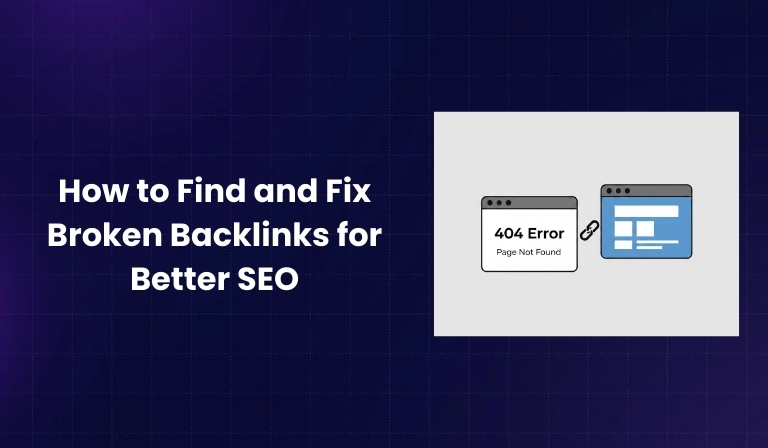

Backlinks play a very important role in SEO. They help search engines understand that your website is trustworthy and valuable. When other websites link to your pages, it passes authority and improves your chances of ranking higher in search results.
However, not all backlinks remain active forever. Over time, some backlinks stop working. These are called broken backlinks. If they are not fixed, they can silently harm your SEO performance. In this blog, you will learn what broken backlinks are, why they matter, how to find them, and how to fix them in a proper and effective way.
What Are Broken Backlinks?
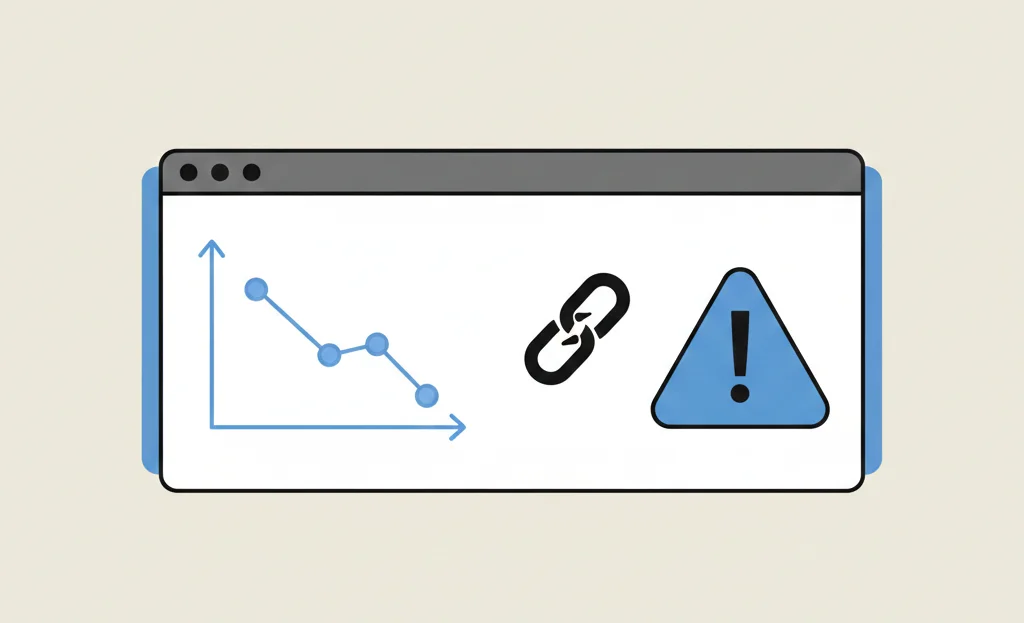
Broken backlinks are links from other websites that point to your website, but the linked page no longer works. When a user or search engine clicks on such a link, it usually leads to an error page like “404 Not Found.”
This happens when the destination URL is missing, changed, or no longer accessible. Even though another website is linking to you, the value of that link is lost because the page does not exist anymore.
Broken backlinks are different from internal broken links. Internal broken links happen within your own website, while broken backlinks come from external websites pointing to your pages.
Why Broken Backlinks Hurt Your SEO
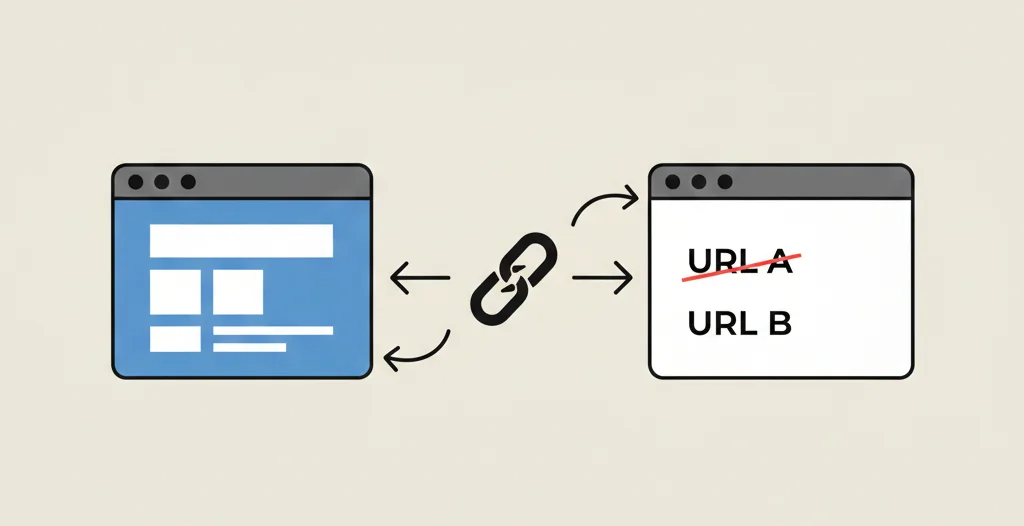
Broken backlinks negatively affect SEO because they stop passing value to your website. Search engines see backlinks as a signal of trust, but broken ones reduce that signal.
Key reasons broken backlinks hurt SEO include:
- Loss of link equity (also known as link juice)
- Missed opportunity to benefit from high-quality external links
- Reduced crawl efficiency for search engines
- Lower trust and authority signals
- Poor user experience when users land on error pages
Over time, too many broken backlinks can slow down your SEO growth and weaken your backlink profile.
Common Reasons Why Backlinks Break
Backlinks usually break due to changes made on your website or on the linking website. These issues often happen unintentionally.
Common reasons include:
- Pages being deleted without proper redirects
- URLs changing during website redesigns
- Website migration from HTTP to HTTPS
- Incorrect URL structures or spelling errors
- Expired or inactive domains linking to your site
- Content being removed or merged
Understanding these causes helps you prevent broken backlinks in the future.
How to Find Broken Backlinks
Finding broken backlinks is the first step before fixing them. There are multiple reliable ways to identify them.
Using Google Search Console
Google Search Console helps you understand how Google views your website. It shows crawl errors and pages that return errors.
You can identify broken backlinks by:
- Checking pages with “Not Found (404)” errors
- Reviewing which URLs are receiving external links
- Identifying pages that used to exist but are now missing
This method is useful because the data comes directly from Google.
Using SEO Tools
SEO tools make the process faster and more detailed. They show broken, lost, and inactive backlinks clearly.
Popular tools used for this purpose include:
- Ahrefs – Helps identify broken backlinks and lost referring domains
- SEMrush – Shows backlink audit reports and link issues
- Moz – Useful for analyzing backlink health and authority
These tools allow you to filter backlinks based on error type and priority.
Manual Methods
Manual checks are helpful when dealing with a small number of backlinks.
You can manually verify broken backlinks by:
- Opening referring pages and clicking the backlink
- Checking HTTP status codes using browser tools
- Confirming whether the destination page exists
Although manual checking takes more time, it is useful for validating important backlinks.
How to Analyze Broken Backlinks
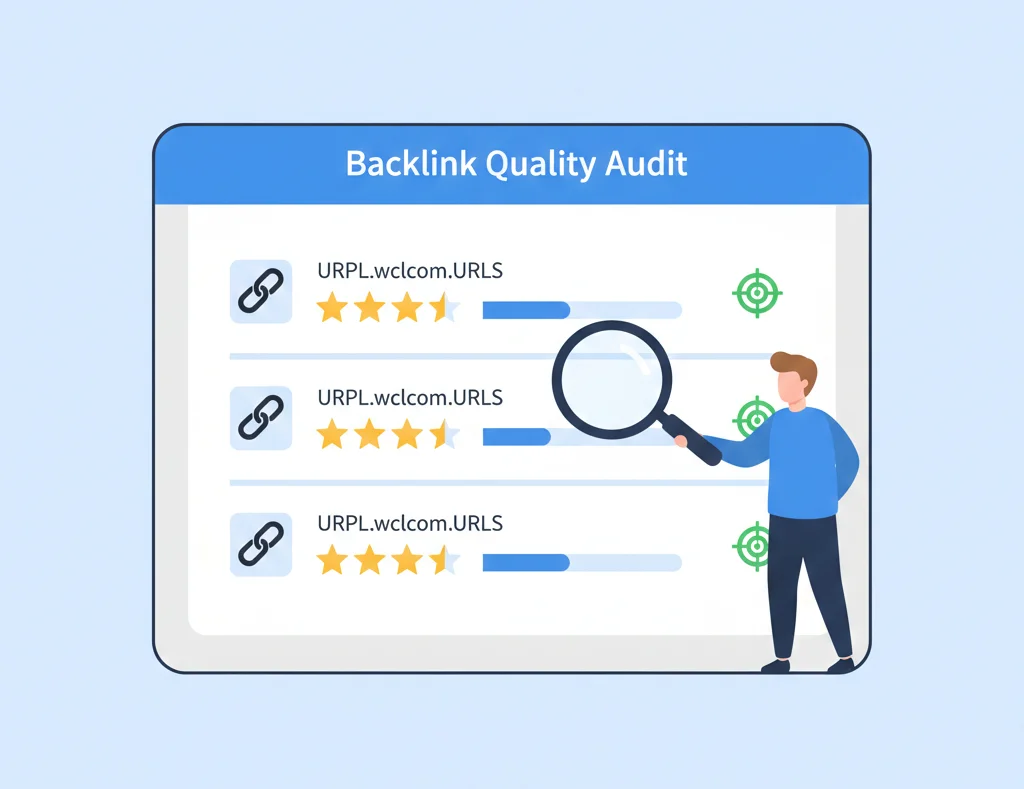
Not all broken backlinks have the same value. Some are more important than others and should be fixed first.
While analyzing broken backlinks, focus on:
- Authority of the linking website
- Relevance of the linking page to your content
- Traffic potential from the referring domain
- Anchor text used in the backlink
High-quality and relevant backlinks should always be prioritized because they bring the most SEO value.
How to Fix Broken Backlinks
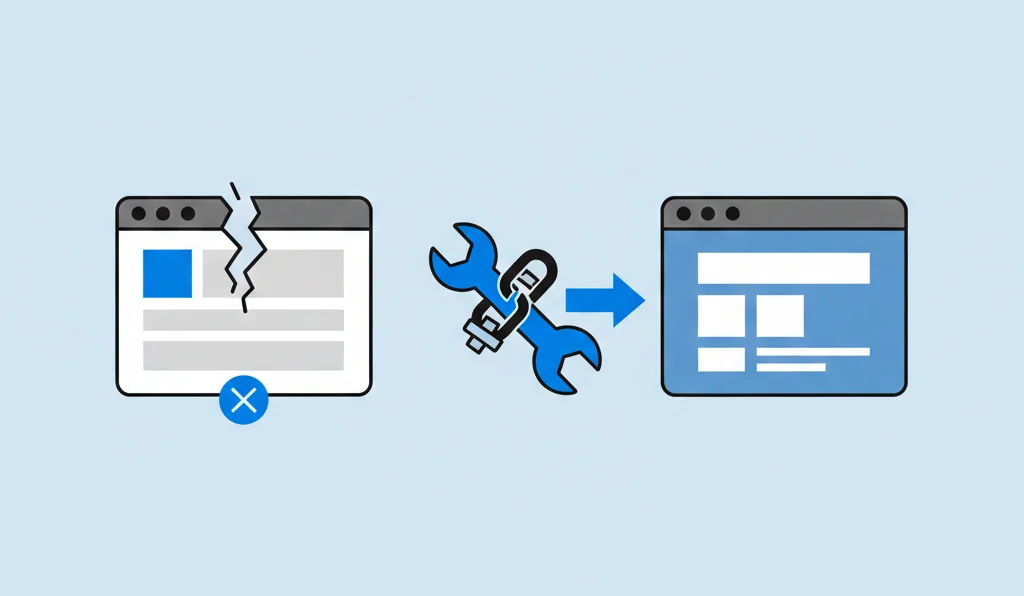
Once broken backlinks are identified and analyzed, the next step is fixing them properly.
Restore the Original Page
If the broken backlink points to an important page that was deleted, restoring the page can be the best solution.
This works well when:
- The content is still relevant
- The page had strong backlinks
- The page was removed accidentally
Recreating the page allows you to regain lost backlink value instantly.
Set Up 301 Redirects
If the original page cannot be restored, a 301 redirect is the next best option. It redirects users and search engines to a relevant live page.
Best practices include:
- Redirecting to the most relevant page, not the homepage
- Using permanent (301) redirects instead of temporary ones
- Avoiding redirect chains
This ensures that most of the backlink authority is preserved.
Reach Out to Website Owners
Another effective way to fix broken backlinks is to contact the website owners who are linking to broken URLs.
This method works best when:
- The linking website is active
- The content is editorial and not automated
- You provide the correct updated link
A polite and clear outreach email increases the chances of link correction.
Replace with Updated Content
If the original content is outdated, you can offer a newer and improved page as a replacement.
This approach is helpful when:
- The old page is no longer relevant
- You have better content available
- The linking page matches your new content
Website owners are more likely to update links if it improves their content quality.
How to Reclaim Lost Backlinks
Lost backlinks are links that were active before but are no longer pointing to your site. Reclaiming them helps maintain a strong backlink profile.
You can reclaim lost backlinks by:
- Monitoring backlink changes regularly
- Identifying when and why links were removed
- Fixing broken destination pages
- Converting unlinked brand mentions into backlinks
Reclaiming backlinks is often easier than building new ones.
Best Practices to Prevent Broken Backlinks
Prevention is better than fixing issues later. Following best practices reduces the chances of broken backlinks.
Important preventive steps include:
- Performing regular backlink audits
- Avoiding unnecessary URL changes
- Planning redirects before website migrations
- Keeping content URLs stable
- Monitoring backlink health after updates
These steps help maintain a clean and reliable backlink profile.
Tools to Monitor Broken Backlinks Regularly
Continuous monitoring ensures that broken backlinks are detected early.
Regular monitoring helps you:
- Track new and lost backlinks
- Receive alerts for broken URLs
- Maintain consistent SEO performance
- Save time on manual checks
Setting up periodic audits is essential for long-term SEO success.
Broken Backlinks vs. Broken Internal Links
Broken backlinks and broken internal links affect SEO in different ways.
Key differences include:
- Broken backlinks come from external websites
- Broken internal links exist within your own website
- Broken backlinks impact authority and trust
- Broken internal links affect crawlability and user experience
Both types should be fixed, but broken backlinks directly affect off-page SEO.
Conclusion
Broken backlinks can quietly damage your SEO if they are ignored. They reduce link value, affect rankings, and weaken your website’s authority. By regularly finding, analyzing, and fixing broken backlinks, you can protect your SEO performance and make the most of the links you have already earned.
Maintaining a healthy backlink profile is not a one-time task. It requires ongoing monitoring, smart fixes, and careful planning. When done correctly, fixing broken backlinks can lead to better rankings, stronger authority, and long-term SEO growth.

Passionate about blogging and focused on elevating brand visibility through strategic SEO and digital marketing. Always tuned in to the latest trends, I’m dedicated to maximizing engagement and delivering measurable ROI in the dynamic world of digital marketing. Let’s connect and unlock new opportunities together!