
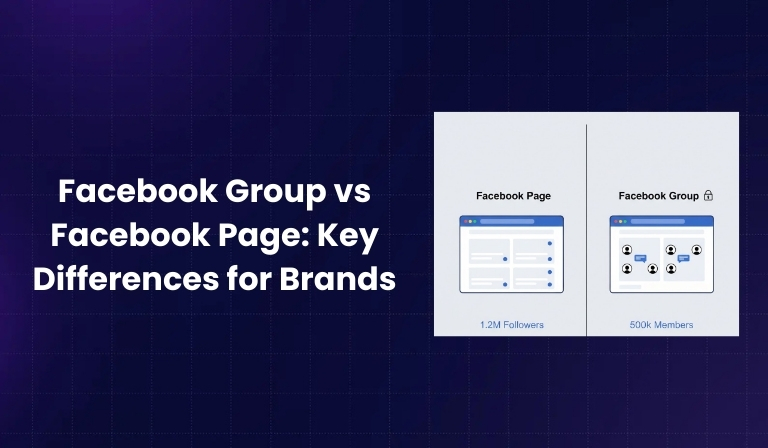

In 2026, social media continues to play a major role in how brands connect with their audience. Among all platforms, Facebook remains a strong channel for building visibility, trust, and long-term relationships. However, many brands still struggle with one common question: should they focus on a Facebook Page or a Facebook Group?
Both options serve different purposes. A Facebook Page helps brands present themselves publicly, while a Facebook Group focuses on community and conversations. Choosing the wrong option can lead to low engagement, wasted effort, and missed opportunities. This blog explains the differences in a clear and simple way, so brands can make the right decision based on their goals in 2026.
What Is a Facebook Page?
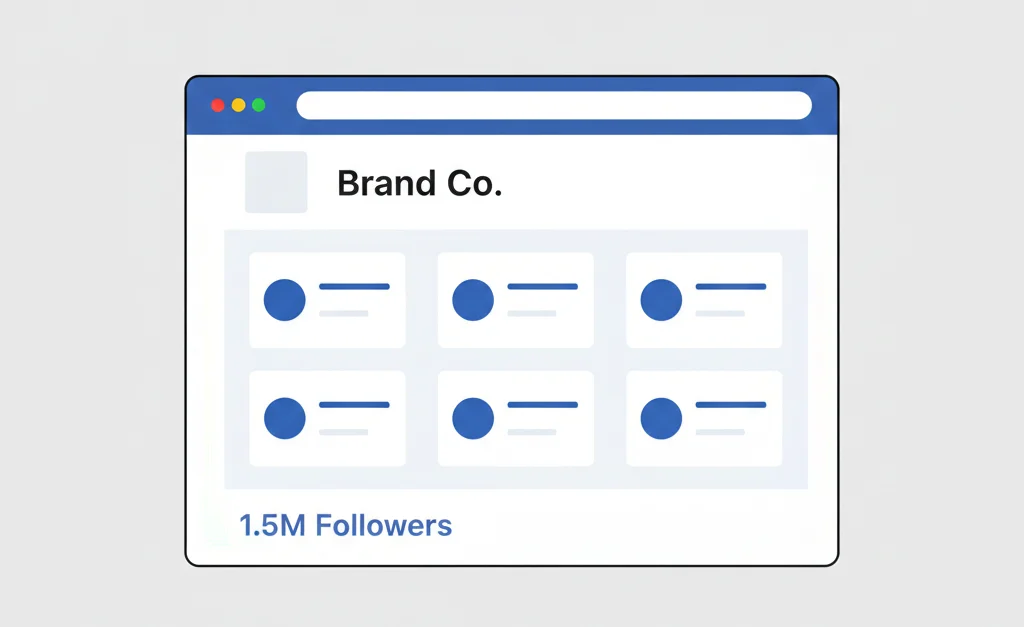
A Facebook Page is a public profile created for businesses, brands, organizations, or public figures. It acts as the official presence of a brand on Facebook. Anyone on the platform can view, follow, and interact with a Page without needing approval.
For brands, a Facebook Page works like a digital storefront. It is often the first place people visit to learn about a business, check updates, read reviews, or explore products and services. Pages are designed mainly for broadcasting information rather than having deep conversations.
Key Features of a Facebook Page
- Public visibility, accessible to anyone on Facebook
- Followers and likes to build an audience
- Support for posts, images, videos, reels, stories, and events
- Built-in insights to track reach, engagement, and audience data
- Ability to run paid advertisements and promotions
What Is a Facebook Group?
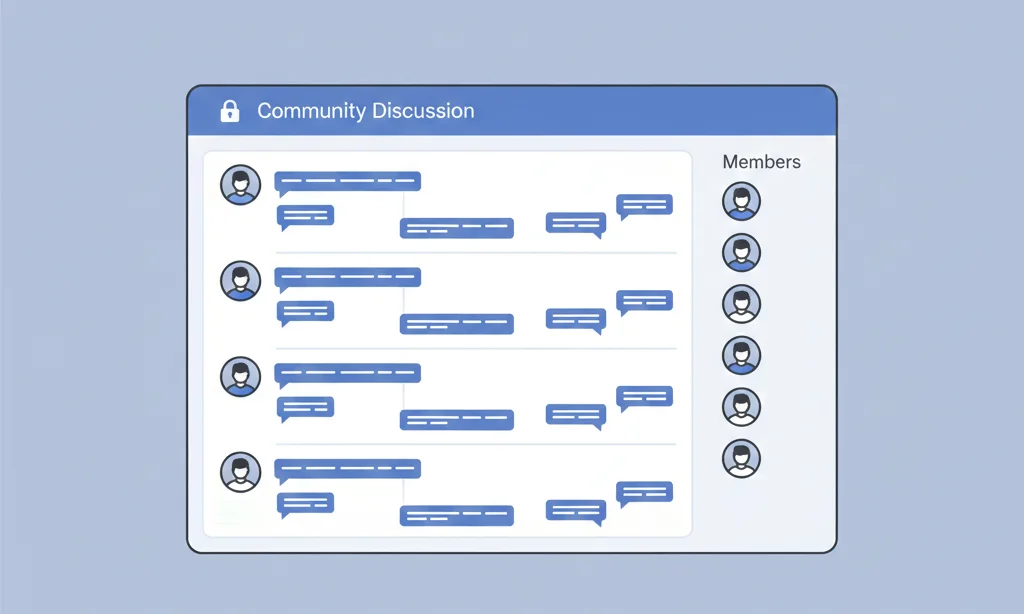
A Facebook Group is a space created for people with shared interests to interact, discuss, and engage with each other. Unlike Pages, Groups are designed for two-way communication and active participation from members.
Brands use Facebook Groups to build communities around their products, services, or expertise. Groups feel more personal and interactive. Members usually join because they want value, learning, or connection, not just updates from a brand.
Key Features of a Facebook Group
- Member-based interaction and discussions
- Privacy settings such as public, private, or hidden
- Members can post, comment, and share content
- Admin and moderator tools for content control
- Group-specific features like polls, guides, and announcements
Facebook Group vs Facebook Page: Core Differences
At a high level, Facebook Pages and Groups serve very different roles. Pages focus on brand presence and communication, while Groups focus on relationships and engagement. Understanding these core differences helps brands align the platform with their marketing goals.
Visibility and Reach
Facebook Pages are designed for maximum visibility. Their content can appear in searches, feeds, and even outside Facebook through shares. Groups, on the other hand, are more closed environments. Their content is mostly visible only to members, which limits reach but increases relevance.
Audience Engagement
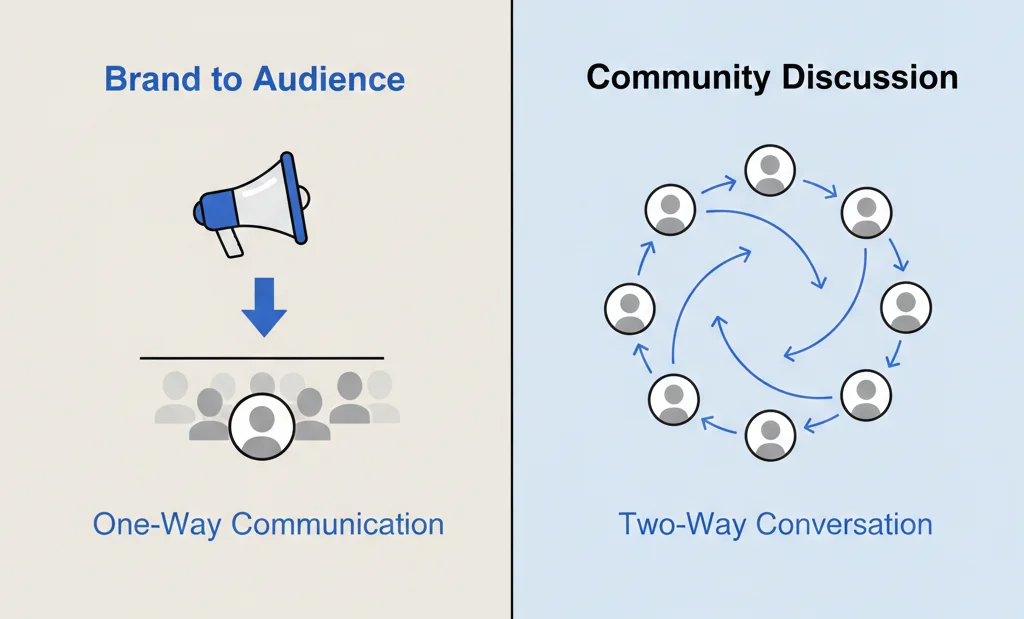
Engagement on Pages is often limited to likes, comments, and shares. Groups encourage deeper interaction because members can start conversations, ask questions, and respond to each other. This usually results in higher engagement per person.
Content Control
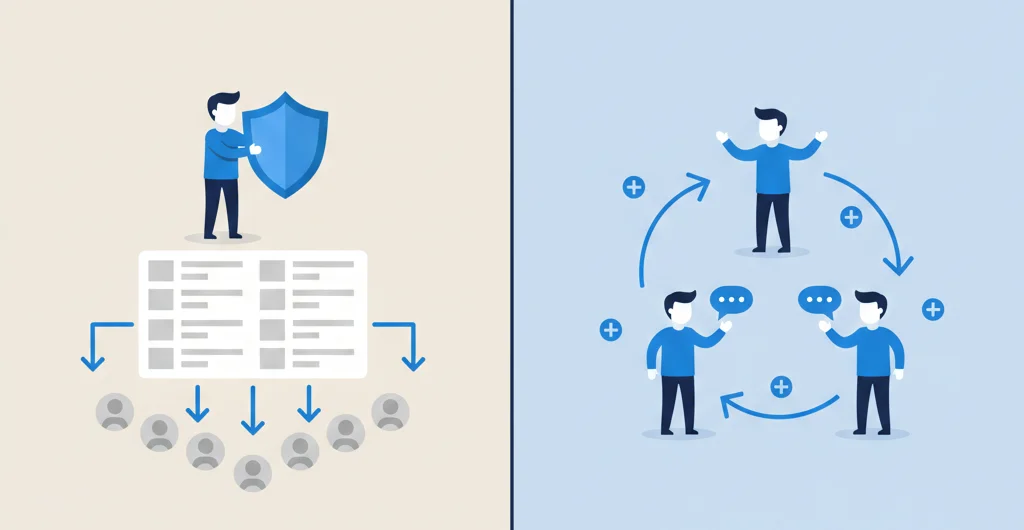
Pages give full control to the brand. Only admins and editors can post content. Groups allow members to contribute, although admins can control posting permissions and moderate discussions.
Brand Authority and Trust
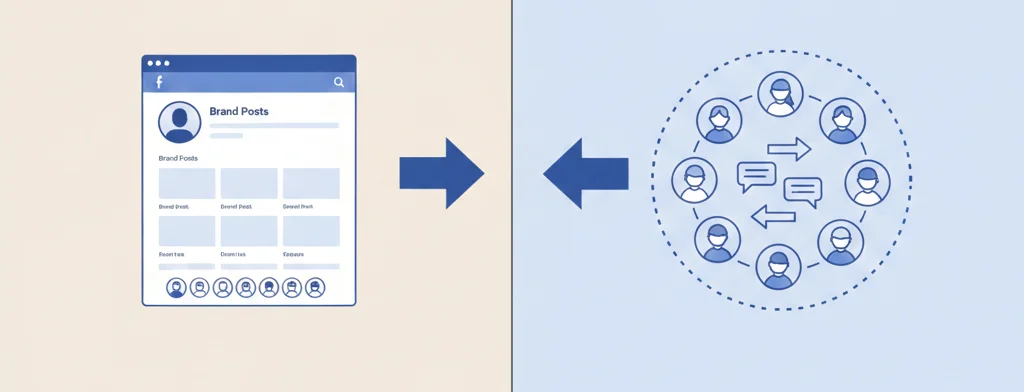
Pages help establish authority by presenting official updates and announcements. Groups build trust by creating a sense of belonging and open communication. Members often feel more connected to brands inside Groups.
Facebook Group vs Facebook Page: Feature Comparison Table
This comparison helps brands quickly understand how Pages and Groups differ in functionality and purpose.
| Feature | Facebook Page | Facebook Group |
| Primary Purpose | Public brand presence and promotion | Community building and engagement |
| Visibility | Public and searchable on Facebook | Limited to members (based on privacy settings) |
| Audience Access | Anyone can view, like, or follow | Users must join or be approved |
| Organic Reach | Higher potential reach | Lower reach but more targeted |
| Engagement Style | One-way or limited interaction | Two-way conversations and discussions |
| Who Can Post | Only Page admins and editors | Admins, moderators, and members (as allowed) |
| Content Type | Posts, images, videos, reels, stories, events | Posts, polls, guides, discussions, announcements |
| Analytics & Insights | Detailed Page insights available | Limited engagement insights |
| Advertising Options | Supports paid ads and promotions | No direct advertising features |
| Brand Authority | Strong official brand presence | Strong trust and relationship building |
| Best For | Awareness, ads, announcements | Loyalty, feedback, education, retention |
When Should Brands Use a Facebook Page?
A Facebook Page is ideal when the main goal is visibility and brand communication. Pages help brands reach new audiences and share updates in a professional and consistent way.
Use Cases for Facebook Pages
- Building brand awareness and online presence
- Sharing announcements, updates, and news
- Running paid advertising campaigns
- Promoting products, services, and offers
When Should Brands Use a Facebook Group?
Facebook Groups are best when brands want to build relationships instead of just broadcasting messages. Groups work well for long-term engagement and loyalty.
Use Cases for Facebook Groups
- Creating a loyal brand community
- Educating customers and users
- Collecting feedback and opinions
- Improving customer retention and trust
Facebook Group vs Facebook Page for Different Brand Types
Different brands benefit differently from Pages and Groups depending on their business model and audience.
- Small businesses often start with a Page to build visibility and later add a Group for loyal customers
- Service-based brands use Groups for education and support, while Pages handle promotions
- E-commerce brands rely on Pages for ads and sales, and Groups for customer communities
- Personal brands and creators use Groups for close audience interaction and Pages for reach
- B2B companies use Pages for authority and Groups for niche discussions
Can Brands Use Facebook Groups and Pages Together?
Yes, and many successful brands do exactly that. Pages and Groups work best when used together with a clear strategy.
A Facebook Page can act as the public face of the brand, while a Facebook Group becomes the private space for deeper engagement. Brands can link a Group to a Page and guide followers from the Page into the Group for more value-driven interactions.
Common Mistakes Brands Make When Choosing Between Groups and Pages
Many brands fail to get results because they choose the wrong platform or use it incorrectly.
- Choosing a Group when the goal is visibility and reach
- Creating a Group without moderation or engagement planning
- Expecting direct sales without building relationships
- Ignoring insights, feedback, and performance tracking
How to Decide the Right Option for Your Brand in 2026
The right choice depends on what the brand wants to achieve. Brands should clearly define their goals, available resources, and audience expectations before deciding.
If the goal is growth and exposure, a Facebook Page is the right starting point. If the goal is loyalty and engagement, a Facebook Group is more suitable. Brands with the right team and strategy can benefit from using both together.
Conclusion
Facebook Pages and Facebook Groups are not competitors; they are tools with different purposes. Pages help brands stay visible, professional, and discoverable, while Groups help build trust, relationships, and active communities. In 2026, the most successful brands are those that understand these differences and choose the option that aligns with their goals. By using the right platform in the right way, brands can create stronger connections and long-term value on Facebook.

Passionate about blogging and focused on elevating brand visibility through strategic SEO and digital marketing. Always tuned in to the latest trends, I’m dedicated to maximizing engagement and delivering measurable ROI in the dynamic world of digital marketing. Let’s connect and unlock new opportunities together!