

If you want long-term SEO growth, backlinks still matter. But not just any backlinks. What truly makes the difference today is having a backlink profile that looks natural, diversified, and trustworthy.
Many websites lose rankings not because their content is bad, but because their links are weak, spammy, or overly optimized. On the other hand, websites that maintain a healthy backlink profile often enjoy steady growth, stronger authority, and better search visibility—even during major algorithm updates.
In this guide, we’ll break down exactly what is a backlink profile, why it matters, what a good backlink profile looks like, and how to build one step by step without putting your website at risk.
What Is a Backlink Profile?
Let’s start with the basics because this is where most people get confused.
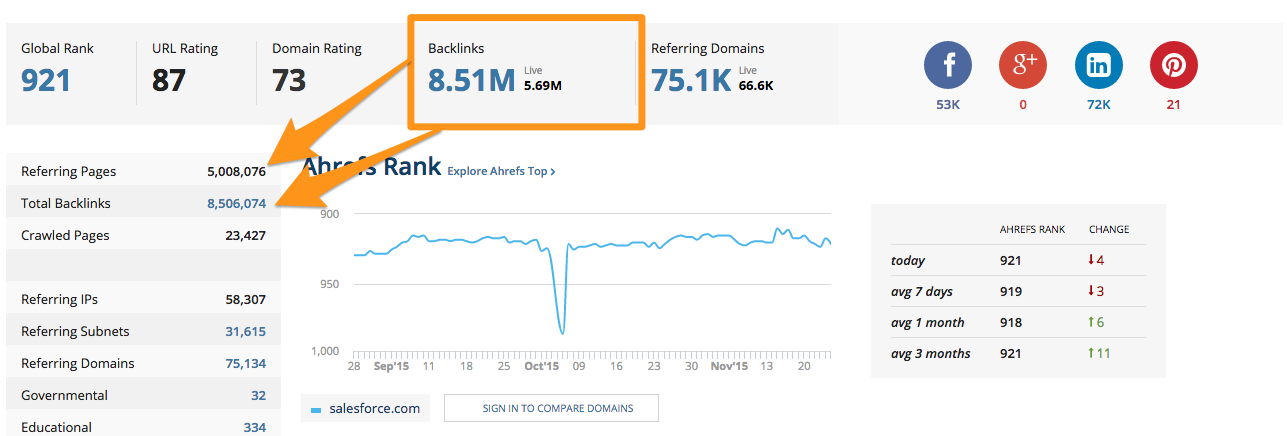
A backlink profile is the complete collection of links pointing from other websites to your website. It includes:
- How many websites link to you
- Which websites link to you
- The quality of those websites
- The type of links you’re getting
- The anchor texts being used
- Whether links are follow or nofollow
- How naturally your links were earned over time
Think of your backlink profile like your website’s “reputation report” online.
Just like a business builds trust through reviews and referrals, websites build trust through backlinks. Search engines treat backlinks as signals that your content is worth referencing.
And yes—people often search this exact question:
what is a backlink profile?
Because it’s one of the most important SEO concepts to understand if you want real results.
Why Your Backlink Profile Matters More Than Ever
Backlinks are still one of the strongest authority signals in SEO, but the rules have matured.
In 2026, link building is not about “getting as many links as possible.” It’s about building a strong network of meaningful references.
A strong backlink profile helps you:
✅ rank faster for competitive keywords
✅ build topic authority in your niche
✅ increase domain trust
✅ earn referral traffic from other platforms
✅ stabilize rankings against fluctuations
But a poor backlink profile can do the opposite.
What Does a Healthy Backlink Profile Look Like?
Now we get to the most important part.
A healthy backlink profile isn’t perfect—it’s natural.
That means it includes a variety of link sources, link types, anchor texts, and link attributes. It grows steadily, not overnight. And it comes from relevant websites, not random spam domains.
A healthy link profile typically has:
- Diverse link sources (news sites, blogs, directories, communities)
- A mix of branded and generic anchors
- Links from relevant niches
- Some nofollow links (yes, those are normal)
- Consistent growth over time
- More referring domains (unique sites) than just repeated links
Now let’s break down what makes a good backlink profile using key components.
Distribution Of Link Types
One of the clearest signs of a natural link profile is variety.
A website that gets links only from guest posts, or only from directories, or only from forum profiles looks unnatural.
A good backlink profile includes links like:
✅ Editorial links
These are earned naturally when someone references your content because it’s valuable.
✅ Guest post links
When you contribute content to another website and earn a mention/link back.
✅ Business directory links
Useful for trust-building, especially for local and service businesses.
✅ Community links
From discussion forums, Q&A platforms, and niche communities.
✅ Resource page links
Where your website is listed as a helpful resource.
✅ Digital PR mentions
Links from news coverage, media features, or interviews.
The goal is not to chase every link type. The goal is to avoid depending on only one.
Mix Of Anchor Text
Anchor text is the clickable text inside a link.
Example:
If a website links like this:
“Check out this SEO checklist”
Then “SEO checklist” is the anchor text.
Having a diverse anchor text mix is a major sign of a healthy backlink profile.
Types of Anchor Text You Should Have
✅ Branded anchors
- “Tattvam Media”
- “Academy of Digital Marketing”
✅ Naked URL anchors
- “https://example.com”
✅ Generic anchors
- “click here”
- “learn more”
- “visit this website”
✅ Partial-match anchors
- “SEO tips for local businesses”
✅ Exact-match anchors (use carefully)
- “digital marketing course in Indore”
Exact-match anchors are risky if overused. A little is fine. Too many can look manipulated.
If you want a good backlink profile, your anchor text should look like it happened naturally—not like it was planned entirely for SEO.
Also Read: BCG Matrix of Airbus
Ratio Of Followed Vs. Nofollowed Backlinks
A common myth is:
“Nofollow links don’t matter.”
That’s not entirely true.
A natural backlink profile includes both:
- Follow links (pass authority signals)
- Nofollow links (don’t pass traditional authority, but bring traffic and trust)
Nofollow links are still valuable because:
- they bring referral traffic
- they diversify your link profile
- they make your link pattern look natural
- they support brand mentions across the web
A healthy backlink profile almost always includes a mix of both.
There’s no fixed perfect ratio, but if you have only follow links, that can look suspicious. Real websites naturally attract nofollow links from social platforms, forums, and some editorial sites.
Importance Of Diversifying Your Backlink Profile
Now let’s answer a real question many people have:
Why isn’t it enough to just build “more backlinks”?
Because in SEO, trust matters more than volume.
A diversified backlink profile gives you stability and long-term growth.
Let’s look at why diversification is so important.
Avoiding Overoptimization
Overoptimization happens when your link building looks unnatural.
This can happen if you:
- build too many exact-match anchors
- get hundreds of links from unrelated sites
- get links too fast without content growth
- repeat the same link pattern again and again
Example of overoptimization:
If 80% of your backlinks have the anchor text:
“best SEO agency in Pune”
that’s a red flag.
Search engines don’t expect real websites to earn identical anchor texts repeatedly.
A healthy backlink profile looks mixed, varied, and imperfect.
Diversifying Traffic Sources
Backlinks are not only SEO signals—they are traffic sources.
A backlink from a relevant website can send:
- leads
- buyers
- subscribers
- brand awareness
A good backlink profile generates real visitors, not just authority.
Smart link building creates multiple traffic channels such as:
- industry blogs
- community forums
- podcast websites
- local business listings
- niche directories
When you diversify traffic sources, you reduce dependency on a single channel.
Finding New Audiences
Backlinks expose your content to people who might never find you through Google alone.
Example:
If you run a marketing agency and earn a link from:
- a business startup blog
- an entrepreneurship community
- a SaaS marketing resource page
You’re now visible in new circles.
A strong backlink profile is also a growth strategy for branding.
Building A Diverse Backlink Profile (Step-by-Step)
Here’s the practical part: how to build links without ruining your website.
1) Foundational Links
Foundational links are the baseline links every legitimate business should have. They don’t always boost rankings aggressively, but they build trust and legitimacy.
Examples of foundational links:
- Google Business Profile
- Bing Places
- LinkedIn company page
- Facebook page
- Instagram profile
- YouTube channel
- Industry directories
- Local directories
These links help establish that your business is real.
If you’re building a healthy backlink profile, you should start here.
2) Content Promotion
Most people publish content and hope links will “come naturally.”
But the internet doesn’t work that way.
Even great content needs visibility.
Content types that earn backlinks faster:
✅ Original research and stats
✅ Templates and free resources
✅ Step-by-step guides
✅ Tools and calculators
✅ Infographics and visual assets
✅ Industry comparison posts
How to Promote Your Content for Links
- Email outreach to bloggers and website owners
- Sharing content in niche communities
- Reaching out to people who have linked to similar content
- Pitching content to journalists and creators
- Repurposing the same content into LinkedIn posts and threads
Content promotion is one of the safest ways to build a good backlink profile because links are earned through value.
3) Community Involvement
This is one of the most overlooked strategies in link building.
When you become active in communities, links become natural byproducts.
Community link building methods:
- Answering questions on relevant forums
- Participating in webinars and podcasts
- Contributing expert quotes to publications
- Collaborating with local events
- Partnering with businesses for joint campaigns
The best part? These links often bring targeted visitors too.
A healthy backlink profile grows faster when your brand is visible in real communities.
How To Avoid Developing A Toxic Backlink Profile
Not every backlink is good.
Sometimes backlinks can come from spam websites, irrelevant pages, or shady networks. These can weaken trust.
A toxic backlink profile usually includes:
- spam domains
- irrelevant foreign language sites
- adult/gambling/pharma spam links
- PBN links
- automated blog comments
The goal is not to panic—it’s to stay aware and avoid risky strategies.
Remember The “Golden Rule” Of Link Building
Here’s the best rule you can follow:
✅ Build links that make sense for users.
Ask yourself:
“If Google didn’t exist, would I still want this link?”
If the answer is yes, it’s probably safe.
If the answer is no, it’s likely manipulative.
This mindset naturally creates a healthy backlink profile over time.
Avoid Private Blog Networks (PBNs)
PBNs are networks of websites built for the purpose of placing links.
They often look real on the surface, but they leave patterns:
- similar themes/design
- low-quality content
- unnatural outbound linking
- weak traffic
- shared hosting footprints
Yes, some people still use them.
But they are high-risk.
If your goal is long-term SEO stability, avoid them completely.
A good backlink profile is built on trust—not shortcuts.
Evaluating Your Backlink Profile
Now that you know how to build links, you also need to track your progress.
Because what you don’t measure, you can’t improve.
Leverage Tools To Analyze Backlink Profile
Some common metrics you should track:
- number of referring domains
- total backlinks
- new links vs lost links
- anchor text distribution
- followed vs nofollow ratio
- top linked pages
- link quality signals
When you analyze regularly, you can spot issues early.
Compare Your Backlink Profile To The Competitive Landscape
One of the smartest things you can do is compare your backlinks with competitors.
This helps you find:
- where they’re earning links from
- which pages attract the most backlinks
- what content formats work in your industry
- which websites could also link to you
This is called “link gap analysis,” and it’s powerful.
If your competitor has links from 50 strong sites and you have links from 10, your strategy becomes clear: build better assets and reach out.
Approach Link Building With A User-First Mindset
This is the future of link building.
A link is not just an SEO signal—it’s a recommendation.
So build links that:
- are relevant
- add value
- match the context of the content
- drive real clicks
When you focus on user value, your backlink profile becomes naturally strong.
And that’s what a truly healthy backlink profile looks like.
FAQs
1) What is a backlink profile?
A backlink profile is the complete collection of links pointing to your website, including link types, anchor text, quality, and follow/nofollow ratios.
2) What is a backlink profile?
Yes, this is the same question many people search: what is a backlink profile?
It refers to all backlinks your site has and how they appear to search engines.
3) What does a good backlink profile look like?
A good backlink profile is diverse, natural, and relevant. It includes multiple link types, varied anchors, and steady growth.
4) How do I know if I have a healthy backlink profile?
A healthy backlink profile usually shows:
- links from trusted sites
- natural anchor text distribution
- a mix of followed and nofollow links
- relevant niche placements
5) Do nofollow backlinks help SEO?
Yes, they help with traffic, brand trust, and creating a natural-looking backlink profile—even if they don’t pass traditional ranking authority.
6) Are backlinks still important in 2026?
Absolutely. Backlinks remain a major authority signal, but quality and diversity matter more than quantity.
Conclusion
To succeed in SEO long-term, you don’t need thousands of backlinks overnight. You need a backlink profile that looks trustworthy, diverse, and natural.
Now you know:
✅ what is a backlink profile
✅ what a good backlink profile looks like
✅ how to build a healthy backlink profile safely
✅ how to avoid toxic backlinks and risky shortcuts
The best link building strategy is simple:
Create content worth referencing, promote it strategically, and build relationships in your industry.
Do that consistently, and your backlink profile won’t just grow—it will strengthen your authority for years to come.