
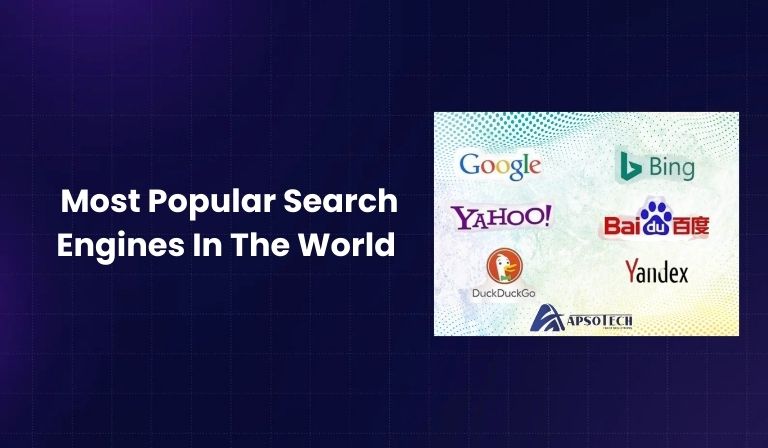

For decades, the search engine has been the gateway to the internet. Whenever people want answers, products, videos, or recommendations, they instinctively “search.” But the idea of search has evolved far beyond typing a query into one box.
Today, search happens across text, video, voice, shopping platforms, and even short-form content apps. This is why understanding the most popular search engines in the world is critical—not just for SEO professionals, but also for businesses, creators, and marketers who want visibility where users actually search.
In this guide, we’ll explore the 7 most popular search engines in the world, explain how each one works, highlight their pros and cons, and share optimization tips. We’ll also answer common questions like what is the second largest search engine in the world and why newer platforms like TikTok are now considered a search enginer by younger users.
Why Search Engines Still Matter in 2026
Even with the rise of AI assistants and social platforms, the search engine remains central to how people discover information.
Search engines help users:
- find answers instantly
- compare products and services
- learn new skills
- make buying decisions
- discover trends and ideas
For businesses, search visibility means:
- consistent traffic
- high-intent users
- long-term brand growth
But relying on just one search engine is no longer enough. Search behavior is fragmented, and audiences now search across multiple platforms depending on intent.
List of Popular Search Engines In The World
1. Google

When people think of a search engine, they usually think of Google.
Google remains the most widely used search engine globally, handling billions of searches every day across informational, navigational, and transactional queries.
Why Google Dominates
Google excels at:
- answering complex questions
- local search and maps
- news and real-time updates
- long-form informational content
Its ecosystem includes search, maps, images, news, shopping, and AI-powered summaries, making it the default choice for many users.
Pros & Cons
Pros
- Largest index of web pages
- Fast and highly relevant results
- Strong local and mobile search
- Powerful AI-driven enhancements
Cons
- Extremely competitive rankings
- Increasing ads and paid placements
- Growing privacy concerns
Optimization Tips
- Focus on high-quality, intent-driven content
- Optimize for user experience and page speed
- Use clear headings and structured data
- Build authority through trustworthy backlinks
2. YouTube (The Second Largest Search Engine)

If you’ve ever asked what is the second largest search engine in the world, the answer is YouTube.
Millions of users search YouTube every day for tutorials, reviews, entertainment, and educational content. For many queries, users prefer video over text.
Why YouTube Is So Powerful
YouTube is the second largest search engine because:
- users actively search within the platform
- video content keeps users engaged longer
- recommendations amplify discovery
People often search on YouTube before Google for:
- “how-to” guides
- product reviews
- fitness and cooking tutorials
- entertainment content
Pros & Cons
Pros
- Massive global audience
- Strong discovery via recommendations
- High engagement and retention
Cons
- Requires video production
- Highly competitive niches
- Algorithm changes can impact reach
Optimization Tips
- Write clear, keyword-focused titles
- Optimize descriptions and tags
- Improve watch time and retention
- Use engaging thumbnails
3. Amazon
When users want to buy something, they don’t go to Google first—they go to Amazon.
Amazon is the world’s largest product-focused search engine for ecommerce. Searches here have one clear intent: purchase.
Why Amazon Search Is Unique
Amazon searches are:
- highly transactional
- focused on product comparison
- influenced by reviews and ratings
This makes Amazon search extremely valuable for brands and sellers.
Pros & Cons
Pros
- Very high buyer intent
- Massive product discovery platform
- Strong trust and credibility
Cons
- Heavy competition
- Paid ads often required
- Limited branding flexibility
Optimization Tips
- Optimize product titles with relevant keywords
- Use clear bullet points and descriptions
- Encourage genuine reviews
- Maintain competitive pricing
4. Microsoft Bing

While smaller than Google, Microsoft Bing still plays an important role in global search.
Bing powers searches across:
- Windows devices
- Microsoft Edge
- voice assistants
- partner platforms
Why Bing Still Matters
Also Read: The 11 Most Important Parts of SEO You Need to Get Right
Bing often attracts:
- desktop users
- professional audiences
- older demographics
It also has less competition, which can make rankings easier in some niches.
Pros & Cons
Pros
- Lower competition than Google
- Strong desktop and corporate reach
- Visual and image search strengths
Cons
- Smaller global market share
- Less influence in mobile-first regions
Optimization Tips
- Use Bing Webmaster Tools
- Focus on clean on-page optimization
- Optimize images and multimedia
- Strengthen local signals
5. TikTok

TikTok is no longer just a social app—it has become a powerful search enginer, especially for Gen Z and Millennials.
Many users now search TikTok for:
- product recommendations
- travel ideas
- recipes
- quick tutorials
Why TikTok Is Emerging as a Search Engine
TikTok’s algorithm:
- prioritizes discovery
- understands user interests quickly
- surfaces trend-driven content
This makes it ideal for exploratory searches rather than factual lookups.
Pros & Cons
Pros
- High organic reach
- Trend-driven discovery
- Strong influence on buying behavior
Cons
- Short content lifespan
- Limited control over rankings
- Trend dependency
Optimization Tips
- Use keywords in captions and on-screen text
- Hook viewers in the first 3 seconds
- Follow trending sounds and formats
- Post consistently
6. Baidu

In China, Google is not the dominant search engine—that role belongs to Baidu.
Baidu serves hundreds of millions of users and powers search, maps, forums, and AI-driven tools within China.
Why Baidu Is Important
Baidu is essential for:
- businesses targeting Chinese audiences
- localized Mandarin content
- mobile-first users
Pros & Cons
Pros
- Dominant market position in China
- Strong mobile ecosystem
- Integrated services
Cons
- Strict regulations
- Complex compliance requirements
- Language barriers
Optimization Tips
- Create Mandarin-language content
- Follow local hosting and compliance rules
- Use Baidu Webmaster Tools
- Build local backlinks
7. Yandex

In Russia and nearby regions, Yandex is a leading search engine.
Yandex is known for its strong understanding of language nuances and regional search behavior.
Why Yandex Stands Out
Yandex performs well in:
- local search
- language-specific queries
- regional services
Pros & Cons
Pros
- Strong regional relevance
- Advanced language processing
- Integrated ecosystem
Cons
- Limited global reach
- Heavy dependence on regional markets
Optimization Tips
- Localize content for regional intent
- Use Yandex Webmaster Tools
- Focus on behavioral signals
- Maintain high content relevance
Conclusion
Search is no longer limited to one platform. While Google remains the dominant search engine, platforms like YouTube, Amazon, and TikTok have redefined how and where people search.
To summarize:
- Google dominates informational search
- YouTube is the second largest search engine in the world
- Amazon leads product discovery
- Bing offers alternative reach
- TikTok drives trend-based discovery
- Baidu and Yandex dominate regional markets
For brands and creators, success in 2026 means understanding where your audience searches and optimizing for the right search engine, not just one.
FAQs
What is the second largest search engine in the world?
The second largest search engine globally is YouTube, based on the volume of searches conducted directly on the platform.
Can platforms like TikTok really be considered a search engine?
Yes. While different from traditional text-based platforms, TikTok functions as a discovery-focused search enginer for younger audiences.
Are there search engines that don’t track user data?
Yes, several privacy-focused alternatives exist, though they may trade personalization for privacy.
Will AI replace traditional search engines?
AI will enhance search experiences, but traditional search engines will continue to exist alongside AI-driven discovery.
Should businesses optimize for multiple search engines?
Absolutely. Multi-platform visibility is now essential for long-term growth.

A digital marketer with a strong focus on SEO, content creation, and AI tools. Creates helpful, easy-to-understand content that connects with readers and ranks well on search engines. Loves using smart tools to save time, improve content quality, and grow online reach.