
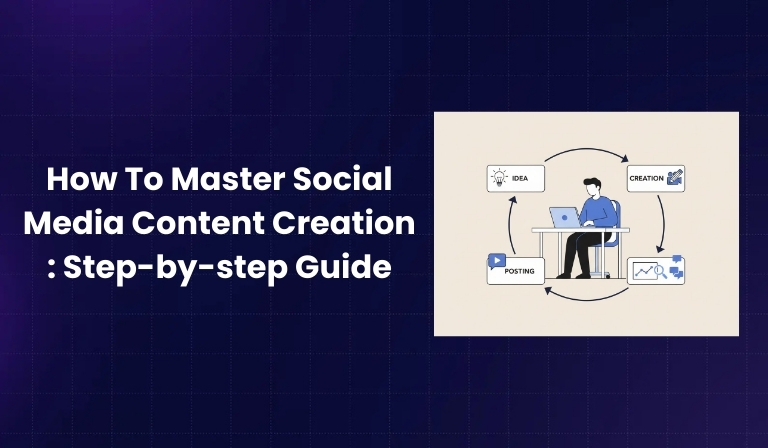

Social media content creation is no longer limited to posting updates or sharing visuals. Today, it is a structured process that combines strategy, creativity, consistency, and performance analysis. To succeed, creators and brands must follow clear steps and use the right tools to manage their workflow efficiently. This guide explains the complete process of social media content creation, from understanding what it truly means to executing and improving content over time.
What Is Content Creation in Social Media?
Social media content creation refers to the process of planning, producing, publishing, and optimizing content specifically for social media platforms. This content is designed to inform, engage, or influence an audience while aligning with platform behavior and user expectations.
Content creation is not only about visuals or captions. It includes understanding the audience, choosing the right formats, writing relevant copy, and tracking performance. Effective content creation ensures that every post serves a purpose and contributes to broader marketing or brand goals.
8 Essential Steps for Social Media Content Creation
Creating effective social media content requires a structured approach. These eight steps help ensure that content is purposeful, consistent, and measurable.
1. Set Clear Goals
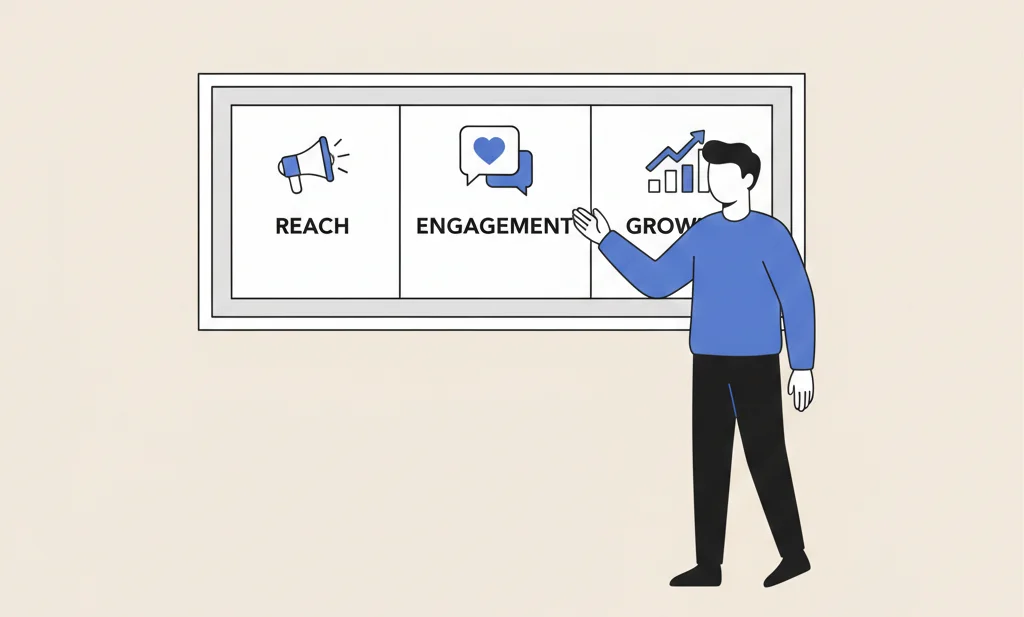
Setting clear goals is the foundation of social media content creation. Goals define why content is being created and what outcomes are expected. Without goals, it becomes difficult to measure success or improve performance.
Clear goals help guide content formats, messaging, and posting frequency. They also ensure alignment between social media efforts and overall business or brand objectives.
Key goal-setting considerations include
- Defining the primary purpose of content
- Identifying measurable outcomes
- Aligning content goals with broader marketing goals
- Setting realistic and time-bound expectations
2. Research Your Audience

Audience research helps creators understand who they are speaking to and what type of content resonates with them. Instead of guessing, content decisions should be based on audience behavior, interests, and needs.
Understanding the audience allows creators to tailor messaging, tone, and formats. This increases relevance and improves engagement over time.
Important audience research areas include
- Demographics and location
- Interests and content preferences
- Common problems or questions
- Engagement patterns on social platforms
3. Analyze Your Competitors
Competitor analysis provides insight into what works within a specific industry or niche. By studying competitors, creators can identify content gaps, successful formats, and areas for differentiation.
The goal is not to copy competitors but to learn from their strategies and avoid repeating their mistakes. Competitor analysis also helps set realistic benchmarks.
Key aspects to analyze include
- Content formats used by competitors
- Posting frequency and consistency
- Engagement levels on different content types
- Messaging and positioning style
4. Choose Content Formats
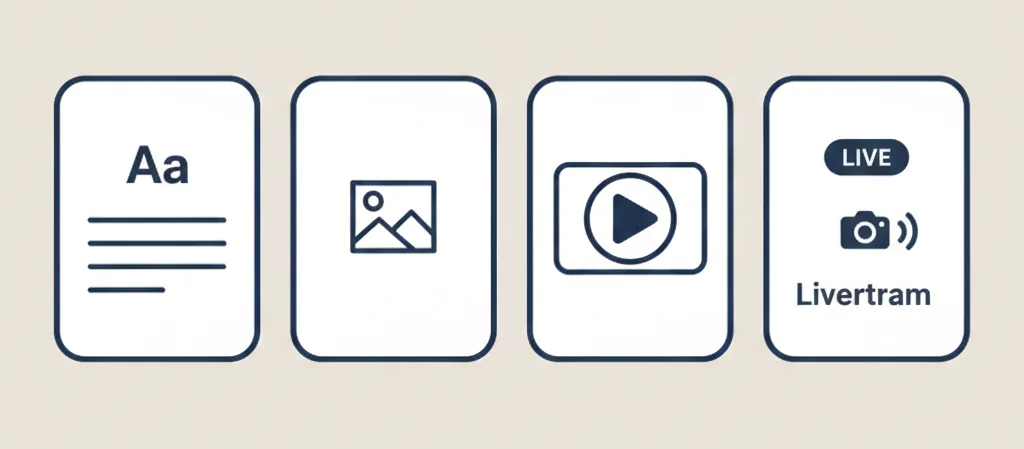
Choosing the right content formats ensures that messages are delivered effectively. Different formats serve different purposes and perform differently across platforms. Selecting formats should depend on goals, audience preferences, and platform behavior.
Text Posts
Text posts focus on written communication and are useful for sharing opinions, updates, and short insights. They work best when clarity and simplicity are prioritized.
Text posts are commonly used for
- Announcements and updates
- Short educational insights
- Thought leadership content
- Conversation-driven posts
Images
Image-based content uses visuals to communicate messages quickly. Images help capture attention and improve content recall, especially when paired with concise copy.
Images are effective for
- Branding and visual storytelling
- Infographics and summaries
- Promotional content
- Highlighting key information
Videos
Video content is one of the most engaging formats on social media. It allows creators to explain ideas, demonstrate products, or tell stories more effectively than static formats.
Videos are commonly used for
- Educational and explainer content
- Tutorials and demonstrations
- Behind-the-scenes content
- Storytelling and engagement-driven posts
Link Posts
Link posts direct users to external content such as blogs, landing pages, or resources. These posts are useful for driving traffic and supporting broader content strategies.
Link posts are best used for
- Sharing long-form content
- Promoting resources or tools
- Driving website traffic
- Supporting lead-generation efforts
Livestreams
Livestreams enable real-time interaction with audiences. They help build trust and authenticity by allowing direct communication and immediate feedback.
Livestreams are effective for
- Question-and-answer sessions
- Product launches or announcements
- Interviews and discussions
- Community engagement
5. Identify the Right Social Media Platforms

Choosing the right social media platforms is essential for effective content creation. Not every platform suits every brand or creator, and spreading content across too many platforms can reduce quality and consistency. The right platform choice depends on audience behavior, content formats, and business objectives.
Selecting platforms strategically helps ensure that content reaches the intended audience and performs well over time.
Facebook supports a wide range of content formats and is commonly used for community building and information sharing. It works well for brands targeting broad or mixed-age audiences.
Facebook is suitable for
- Community-driven content
- Informational posts and updates
- Group-based discussions
- Event promotions
Instagram is a visual-first platform focused on images and videos. It is effective for storytelling, branding, and engagement-driven content.
Instagram works best for
- Visual storytelling
- Short-form video content
- Brand awareness
- Audience engagement through comments and messages
LinkedIn is a professional networking platform where content is centered around industry insights, expertise, and business-related topics.
LinkedIn is ideal for
- Thought leadership content
- Professional updates
- Educational and informational posts
- Business-focused storytelling
Pinterest functions as a discovery and inspiration platform rather than a traditional social network. Content has a longer lifespan and is often search-driven.
Pinterest is effective for
- Visual inspiration
- Educational graphics
- Step-by-step guides
- Traffic-driven content
X
X focuses on real-time conversations and concise communication. It is suitable for timely updates, opinions, and discussions.
X is commonly used for
- Short updates and announcements
- Industry conversations
- Thought sharing
- Audience interaction
YouTube
YouTube is a video-centric platform that supports both short-form and long-form content. It is ideal for detailed explanations and educational content.
YouTube works well for
- Tutorials and how-to content
- Educational videos
- Brand storytelling
- Long-term content discovery
6. Write Engaging Copy

Engaging copy helps communicate the message clearly and encourages interaction. Good copywriting on social media focuses on clarity, relevance, and tone rather than complex language.
Copy should match the platform, audience expectations, and content goals. Strong copy increases engagement and improves content performance.
Key elements of engaging social media copy include
- Clear and simple language
- A strong opening line
- Relevant context for visuals or links
- A clear purpose for each post
7. Develop a Content Calendar

A content calendar helps plan and organize content in advance. It ensures consistency, reduces last-minute pressure, and supports strategic posting.
Content calendars allow creators to align content with campaigns, events, and goals. They also help maintain a balanced mix of content types.
A well-structured content calendar includes
- Posting dates and times
- Content formats and themes
- Platform-specific adaptations
- Review and approval timelines
8. Analyze and Optimize Your Social Media Content

Analyzing and optimizing social media content is essential for improving performance over time. This step focuses on understanding how content performs and making informed adjustments based on results rather than assumptions.
Content analysis helps identify which formats, topics, and posting times resonate most with the audience. Optimization ensures future content aligns better with audience behavior and platform expectations.
Key areas to focus on during analysis include
- Engagement levels such as likes, comments, and shares
- Content reach and visibility
- Audience growth patterns
- Performance trends over time
Tools for Creating Social Media Content
Using the right tools can simplify the content creation process and improve efficiency. These tools support research, design, publishing, and performance tracking, making it easier to manage social media workflows.
Semrush
Semrush provides tools that support content research, social media planning, and performance tracking. It helps creators understand trends, analyze competitors, and manage content more effectively.
Semrush is useful for
- Content research and idea generation
- Competitor analysis
- Performance monitoring
- Social media planning
ContentShake AI
ContentShake AI assists with generating content ideas and structuring written content. It helps streamline the early stages of content creation while allowing creators to refine outputs manually.
ContentShake AI supports
- Topic ideation
- Content structuring
- Draft creation
- Workflow efficiency
AI Social Content Generator
The AI Social Content Generator helps create captions and post ideas based on defined inputs. It is useful for maintaining consistency and saving time during content planning.
This tool is commonly used for
- Caption drafting
- Post variations
- Content repurposing
- Maintaining posting consistency
Social Tracker
Social Tracker helps monitor competitor activity and track performance trends. It provides insights into how similar content performs across platforms.
Social Tracker is helpful for
- Monitoring competitor strategies
- Identifying content patterns
- Benchmarking performance
- Strategic planning
Social Poster
Social Poster allows creators to schedule and publish content across multiple platforms. It helps maintain consistency and reduce manual effort.
Social Poster is used for
- Scheduling posts in advance
- Managing multiple platforms
- Ensuring consistent posting
- Streamlining workflows
Social Analytics
Social Analytics provides performance data that helps evaluate content effectiveness. It supports data-driven decisions and ongoing optimization.
Social Analytics helps with
- Tracking engagement metrics
- Measuring content reach
- Identifying top-performing posts
- Improving future content strategies
Canva
Canva is a design tool used to create visuals for social media. It supports quick design creation without requiring advanced design skills.
Canva is commonly used for
- Creating social media graphics
- Designing templates
- Visual storytelling
- Maintaining brand consistency
Adobe Express
Adobe Express offers design and editing tools for social media content. It allows users to create polished visuals and short videos efficiently.
Adobe Express is useful for
- Visual content creation
- Quick video edits
- Branding assets
- Content customization
ChatGPT
ChatGPT supports content ideation, drafting, and refinement. It helps creators structure ideas and improve clarity while keeping the final messaging human-led.
ChatGPT is commonly used for
- Brainstorming content ideas
- Drafting captions
- Refining messaging
- Improving workflow efficiency
Conclusion
Mastering social media content creation requires a structured approach that combines planning, creativity, and continuous improvement. By setting clear goals, understanding the audience, choosing the right platforms, and using effective tools, creators can build a sustainable content workflow. Regular analysis and optimization ensure that content remains relevant and effective over time. A well-defined process helps maintain consistency, improve performance, and achieve long-term success in social media content creation.