

In today’s digital world, customers rarely buy from a brand the first time they see it. They search, compare, read reviews, visit websites, and often return multiple times before making a decision. This journey is shaped by two powerful forces: search marketing and branding.
Many businesses treat these two as separate strategies. Search marketing is often handled by performance teams focused on traffic, rankings, and conversions. Branding is managed by creative teams working on visuals, messaging, and positioning. But in reality, these two functions are deeply connected. When they work together, businesses grow faster and more sustainably. When they operate in silos, results become limited and inconsistent.
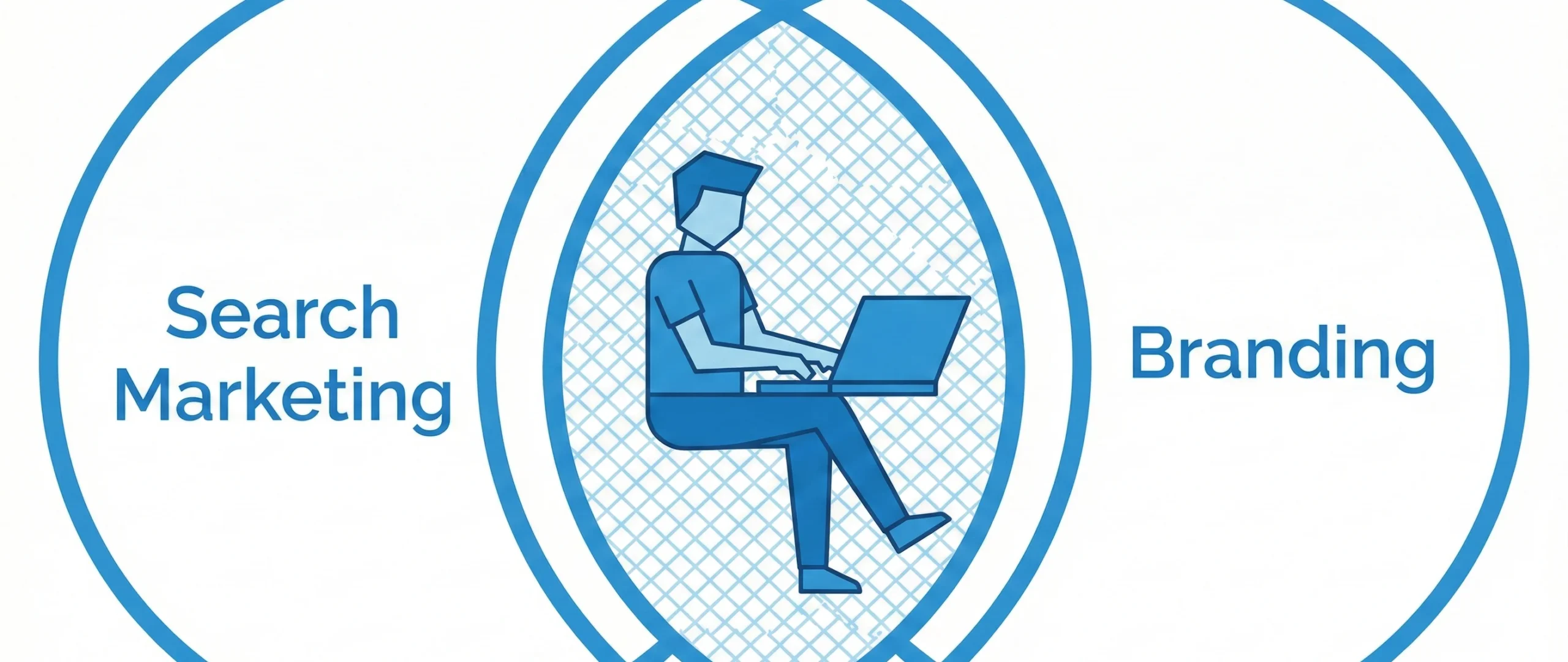
Search marketing captures demand. Branding creates demand. One focuses on immediate intent, and the other builds long-term preference. If a company relies only on search marketing, it may generate leads but struggle with trust and loyalty. If it focuses only on branding, it may build awareness but fail to convert customers effectively.
In this blog, we will explore why search marketing and branding need each other, how they support one another at every stage of the customer journey, and how businesses can align both strategies for long-term growth.
What Is Search Marketing?
Search marketing refers to the strategies businesses use to increase their visibility on search engines when users actively look for information, products, or services. It focuses on capturing existing demand by showing up at the right moment.
Search marketing mainly includes:
- Search Engine Optimization (SEO)
- Pay-Per-Click Advertising (PPC)
Search Engine Optimization (SEO) is the process of improving a website’s content, structure, and authority so it ranks higher in organic search results. It involves keyword research, technical improvements, content creation, and link building. SEO helps businesses gain long-term, sustainable visibility without paying for each click.
Pay-Per-Click Advertising (PPC) allows businesses to display ads on search engines and pay only when users click on them. Platforms like Google Ads allow brands to bid on keywords and appear at the top of search results for high-intent queries.
Search marketing works because it captures intent. When someone searches for “best running shoes for beginners,” they already have a need. Search marketing ensures that the right brand appears at that exact moment. This makes it highly measurable and performance-driven.
Its primary role is lead generation, traffic growth, and conversions. But its impact goes beyond performance. When done correctly, it also influences how users perceive a brand.
What Is Branding?
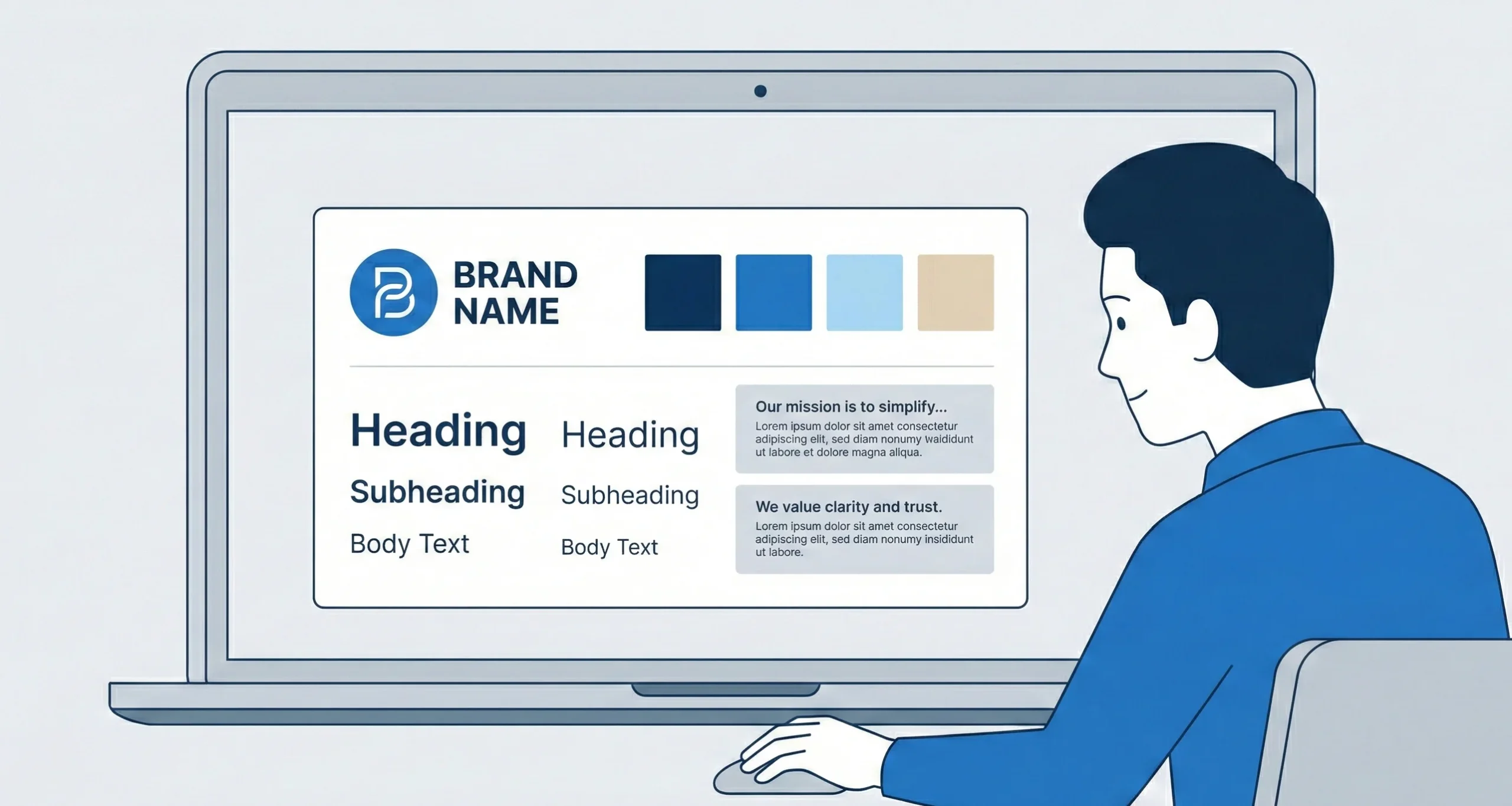
Branding is the process of shaping how people perceive a business. It is not just about a logo or color scheme. It is about creating a clear identity, message, and emotional connection with the audience.
Branding includes:
- Logo and visual identity
- Brand voice and messaging
- Positioning and value proposition
- Brand experience
A brand identity includes the visual elements such as logos, typography, and design style. These elements create recognition and consistency. Brand voice and messaging define how a brand communicates—whether it is formal, friendly, premium, or innovative.
Positioning explains how a brand differentiates itself from competitors. It answers questions like: What makes this brand unique? Why should customers choose it? The value proposition clearly communicates the benefit offered to customers.
Brand experience includes every interaction a customer has with the company, from website visits to customer service conversations. Consistency across these touchpoints builds trust.
Branding influences both rational and emotional decisions. While search marketing may attract users through logical needs, branding builds emotional trust. Many purchasing decisions are influenced by familiarity and perceived credibility. This is where branding plays a critical role.
The Traditional Disconnect Between Search Marketing and Branding
Many companies separate branding and search marketing because they view them through different lenses.
Search marketing teams often focus on measurable performance indicators such as clicks, cost per acquisition, and conversion rates. Branding teams focus on awareness, perception, and storytelling. This creates a performance-driven mindset versus a brand-driven mindset.
Short-term return on investment is often prioritized in search campaigns. Branding, however, builds long-term equity that may not show immediate results. This difference in time horizon creates tension between the two approaches.
There are also common misconceptions:
- SEO is only about rankings
- Branding is only about logos
SEO is not just about ranking for keywords. It shapes how a brand appears in search results, how trustworthy it looks, and how users experience its website. Branding is not just about design. It influences messaging, credibility, and customer loyalty.
When these strategies are siloed, businesses struggle. Messaging becomes inconsistent. Paid ads promise one thing, while the website communicates another. This weakens trust and reduces conversions.
Integrated strategies perform better because they align performance efforts with brand positioning.
How Search Marketing Strengthens Branding
Search marketing does more than generate traffic. It actively contributes to brand growth and perception.
1. Builds Brand Visibility
Search marketing increases how often a brand appears in front of users.
- Ranking for industry keywords increases exposure
- Consistent presence on search engine results pages improves recall
- Repeated exposure builds familiarity
When users repeatedly see a brand in organic listings and paid ads, recognition grows. Even if they do not click immediately, the brand becomes familiar. Familiarity often increases trust over time.
2. Establishes Authority & Trust
Informational content created for SEO helps brands demonstrate expertise.
- Educational blog posts answer customer questions
- In-depth guides show industry knowledge
- Optimized content improves credibility
Search engines evaluate expertise, experience, authority, and trust signals when ranking content. When a brand consistently publishes valuable information and ranks for relevant queries, users begin to view it as a reliable source.
Appearing in featured snippets or knowledge panels also increases perceived authority because users associate top search positions with credibility.
3. Controls Brand Narrative
Search results shape first impressions. When users search for a brand name, the results they see influence perception.
- Optimized landing pages communicate clear messaging
- Branded content ensures accurate positioning
- Reputation management reduces negative impressions
By actively managing search results, brands can control how their story is presented. This protects brand identity and strengthens public perception.
4. Supports Brand Credibility Through Reviews
Local search results often display ratings and reviews. These influence trust.
- Positive ratings increase perceived reliability
- Consistent responses show professionalism
- Review visibility strengthens brand reputation
Customers often trust peer feedback. When search marketing integrates review management, it directly improves brand credibility.
How Branding Improves Search Marketing Performance
Branding does not just benefit awareness. It improves measurable search performance.
1. Increases Click-Through Rate (CTR)
Users are more likely to click on brands they recognize.
- Familiar brand names attract attention
- Strong meta descriptions aligned with brand voice improve engagement
- Trust signals increase clicks
If two similar results appear, users often choose the brand they recognize. This improves organic and paid click-through rates.
2. Reduces Cost Per Click (CPC)
Search advertising platforms consider ad relevance and engagement.
- Strong brand recognition improves ad performance
- Higher engagement signals improve quality metrics
- Better quality reduces cost per click
When users frequently engage with branded ads, advertising platforms reward the advertiser with better positioning and potentially lower costs.
3. Drives Branded Search Volume
Effective branding increases the number of people searching specifically for the brand name.
- Offline campaigns increase online search
- Social media awareness drives direct queries
- Word-of-mouth creates branded searches
Branded search volume is a strong indicator of brand demand. When more users search for a brand directly, competition decreases and conversion rates often increase.
4. Improves Conversion Rates
Trust reduces friction in decision-making.
- Clear positioning improves clarity
- Consistent messaging builds confidence
- Emotional connection strengthens loyalty
When branding and search messaging align, users feel reassured. This leads to higher conversion rates and repeat purchases.
The Role of Branded vs Non-Branded Keywords
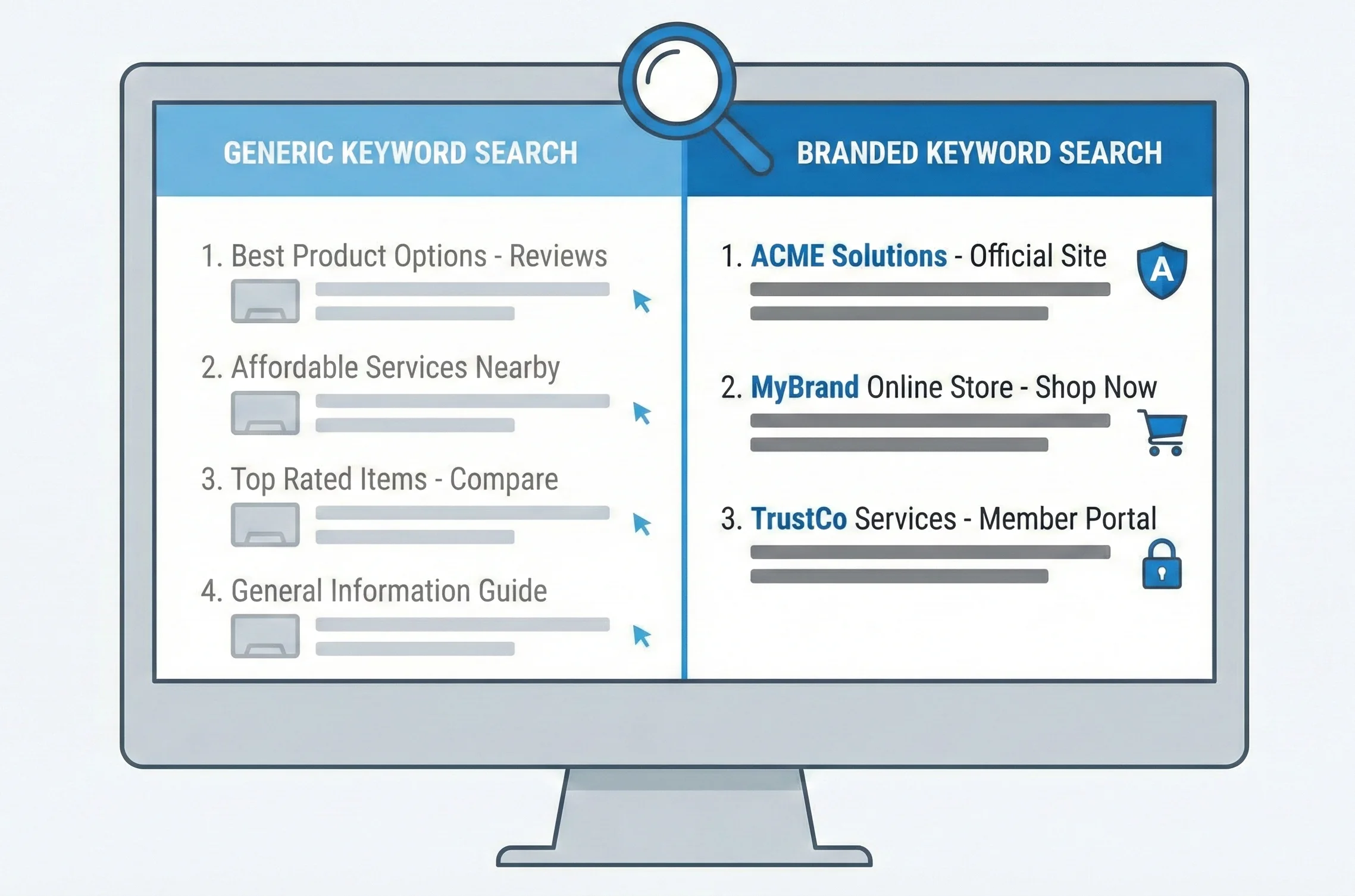
Branded keywords include the company’s name or product names. Non-branded keywords are generic terms related to products or services.
Both are important.
- Non-branded keywords capture new audiences
- Branded keywords protect brand traffic
- Branded search growth reflects brand awareness
Tracking branded search volume helps businesses understand whether their branding efforts are increasing demand. If more people search for the brand directly, it indicates growing recognition and trust.
Customer Journey: Where Search Meets Brand
The customer journey includes multiple stages where branding and search intersect.
Awareness stage At this stage, users search for general information. SEO content helps them discover the brand. Branding ensures the messaging leaves a strong first impression.
Consideration stage Users compare options. Reviews, detailed guides, and consistent messaging build trust. Search ads may reinforce positioning.
Decision stage Branded searches increase. Clear landing pages and strong value propositions drive conversions.
Retention and advocacy Satisfied customers may search again for support or additional products. Consistent brand experience encourages loyalty and recommendations.
Omnichannel consistency Customers interact with brands across platforms. When branding and search messaging are consistent everywhere, trust grows stronger.
Key Metrics to Measure Combined Success
To understand the combined impact of search and branding, businesses should track:
- Branded search volume
- Direct traffic growth
- Click-through rate improvements
- Conversion rate
- Customer Lifetime Value (CLV)
- Share of search
Branded search volume indicates awareness. Direct traffic suggests strong brand recall. Improved click-through and conversion rates reflect trust. Customer lifetime value shows long-term loyalty. Share of search helps measure visibility compared to competitors.
Together, these metrics provide a clearer picture of how branding and search marketing influence overall growth.
How to Align Search Marketing and Branding Strategy
Aligning both strategies requires coordination and clarity.
1. Develop a Unified Brand Message
- Define a core messaging framework
- Ensure consistency across SEO content and ads
- Align tone, positioning, and value proposition
When messaging is unified, users experience clarity from search result to landing page.
2. Optimize for Branded SERPs
- Manage Google Business Profile
- Improve knowledge panel information
- Use structured data for better visibility
Branded search results should reflect accurate, positive, and consistent information. This strengthens credibility.
3. Create Content That Builds Authority
- Develop pillar content strategies
- Publish thought leadership articles
- Use storytelling to connect emotionally
Authority-driven content supports both rankings and brand perception.
4. Use Paid Search to Amplify Brand Campaigns
- Run branded ad campaigns
- Protect brand terms from competitors
- Use retargeting to reinforce messaging
Paid search can amplify branding initiatives and maintain visibility throughout the customer journey.
Conclusion
Search marketing and branding are not competing strategies. They are complementary forces that drive sustainable growth. Search marketing captures intent and delivers measurable performance. Branding builds trust, emotional connection, and long-term demand.
When businesses integrate both approaches, they improve visibility, credibility, and conversions. When they separate them, results become fragmented and less effective.
The most successful companies understand that growth requires both demand creation and demand capture. By aligning messaging, strategy, and measurement, businesses can build a strong brand while achieving strong search performance.