


Selling on Amazon is no longer just about listing a product and waiting for buyers to appear. With millions of competing products across categories, visibility inside Amazon’s ecosystem determines whether you generate consistent sales or remain buried beneath competitors.
That’s where seller SEO becomes critical.
Unlike traditional SEO for Google, SEO in Amazon operates within a marketplace designed specifically for conversions. Amazon is not just a retailer — it’s a powerful product search engine driven by algorithms that prioritize relevance and sales performance.
In this comprehensive guide, we’ll break down how SEO Amazon works, how Amazon’s ranking algorithm functions, and how to build a long-term strategy that improves both organic visibility and conversions.
Amazon SEO: How Amazon’s A9 Algorithm Works
To succeed with seller SEO, you must first understand how Amazon ranks products.
Amazon’s ranking system, often referred to as the A9 algorithm (and evolving variations of it), determines which products appear at the top of search results.
Unlike Google, Amazon’s goal is straightforward:
Show products most likely to generate sales.
Amazon’s algorithm evaluates two core factors:
1. Relevance
How closely does your listing match the shopper’s search query?
This includes:
- Keywords in title
- Keywords in bullet points
- Backend search terms
- Product category
- Attributes
2. Performance
How well does your product convert?
Performance signals include:
- Click-through rate (CTR)
- Conversion rate
- Sales velocity
- Reviews & ratings
- Pricing competitiveness
- Inventory availability
In simple terms:
Google ranks pages for information.
Amazon ranks products for purchase intent.
That’s why SEO Amazon requires balancing keyword optimization with conversion optimization.
Performing Amazon Keyword Research for Seller SEO
Keyword research is the foundation of SEO in Amazon.
Unlike traditional keyword research that targets informational queries, Amazon keyword research focuses on buyer intent.
Types of Amazon Keywords
Primary Keywords
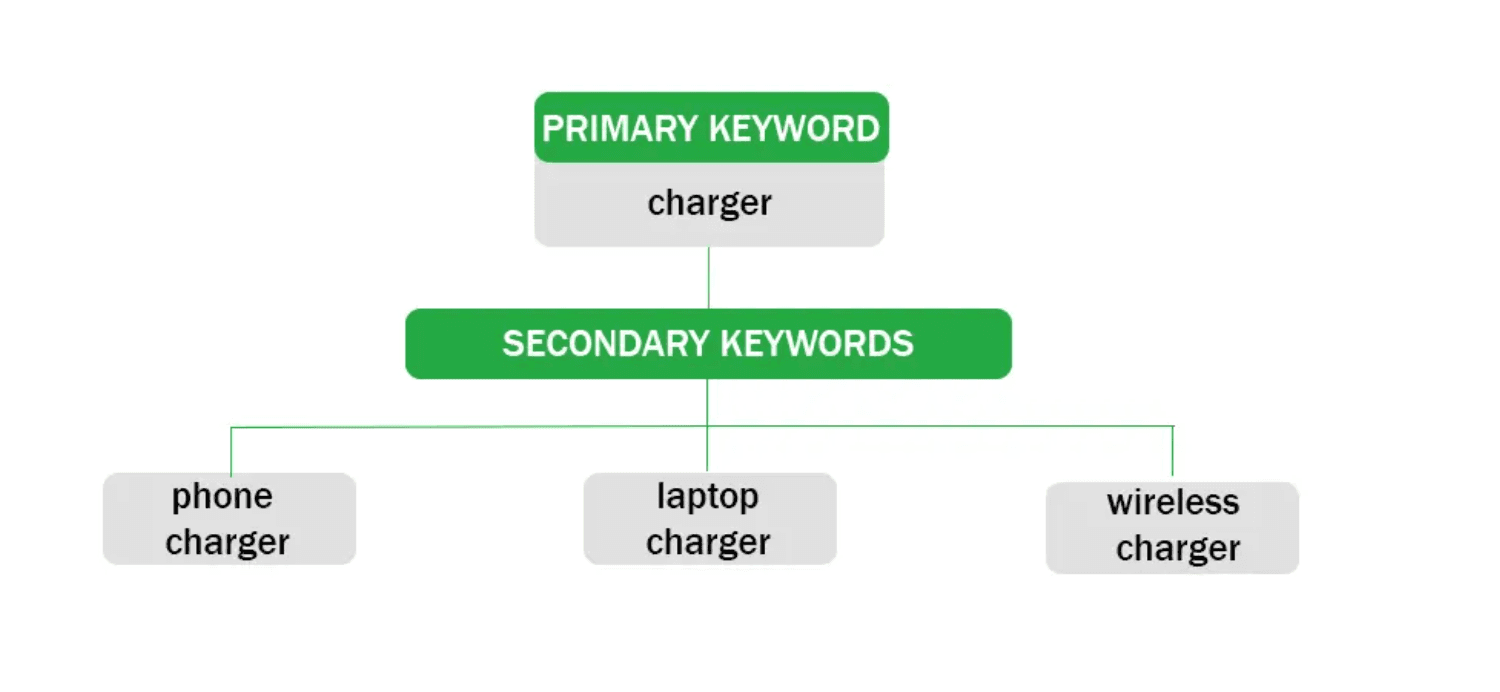
High-volume terms directly describing your product.
Example: “wireless earbuds”
Long-Tail Keywords
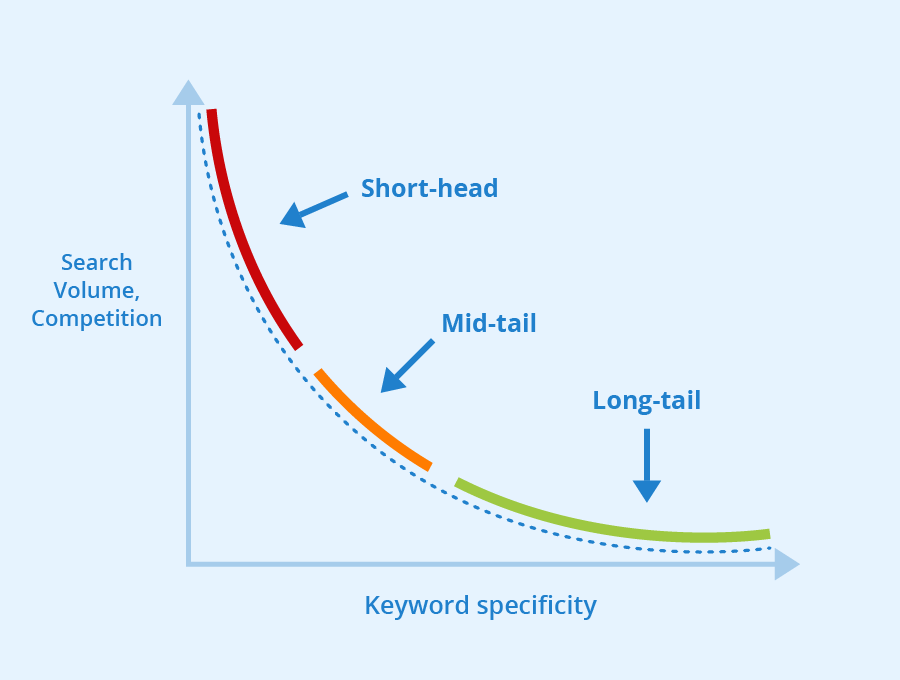
More specific phrases indicating stronger buying intent.
Example: “wireless earbuds with noise cancellation for running”
Backend Keywords
Hidden search terms in Seller Central that expand discoverability without cluttering your listing.
How to Identify High-Intent Keywords
Effective seller SEO includes:
- Reviewing competitor listings
- Analyzing auto-suggestions in Amazon search
- Studying Amazon Search Term Reports
- Identifying high-converting phrases
- Using analytics from sponsored campaigns
High-volume keywords attract traffic.
High-intent keywords drive conversions.
A strong Amazon SEO strategy blends both.
Amazon Listing Optimization for SEO Amazon Success
Your listing is your storefront.
Optimizing each section strategically improves both discoverability and conversions.
Product Title Optimization
Your title is the most important ranking element.
Best practices:
- Include primary keyword naturally
- Mention brand name
- Highlight key features
- Follow category-specific formatting rules
- Avoid keyword stuffing
Example structure:
Brand + Product Type + Key Feature + Size/Model + Use Case
Titles should be readable, not robotic.
Bullet Points Optimization
Bullet points influence both algorithm relevance and buyer decision-making.
Each bullet should:
- Focus on one feature
- Include secondary keywords
- Highlight benefits, not just features
- Address customer pain points
Remember: Amazon’s algorithm scans bullet points for relevance signals.
Product Description & A+ Content
Descriptions provide deeper context.
Well-optimized descriptions:
- Reinforce primary and secondary keywords
- Address objections
- Provide usage details
- Tell a brand story
If eligible, A+ Content enhances visual presentation and improves conversion rates — indirectly supporting rankings.
Backend Search Terms
Backend keywords allow sellers to include:
- Synonyms
- Alternate spellings
- Misspellings
- Related phrases
Avoid repeating keywords already used in visible content.
Backend fields should expand reach — not duplicate.
Amazon Product Images: A Crucial SEO in Amazon Ranking Factor
Images do not directly impact keyword indexing, but they heavily influence conversion rates — which impact rankings.
Amazon prioritizes products that convert well.
Main Image Optimization
Must:
- Have white background
- Be high resolution
- Clearly show product
- Follow Amazon image guidelines
The main image determines click-through rate.
Lifestyle Images
Lifestyle images show:
- Product in use
- Real-world scenarios
- Scale and context
They reduce buyer hesitation.
Infographics & Feature Highlights
Use images to:
- Show dimensions
- Highlight key benefits
- Compare product variations
Clear visual communication improves buyer confidence.
Video Content
Product videos:
- Increase engagement
- Demonstrate functionality
- Build trust
Higher engagement often improves ranking signals.
Reviews & Ratings: The Trust Signals Behind Seller SEO
Reviews influence both:
- Ranking performance
- Conversion rate
Amazon’s algorithm rewards products with:
- High average rating
- Consistent review velocity
- Authentic feedback
How to Ethically Generate Reviews
- Deliver excellent customer experience
- Use Amazon’s review request feature
- Enroll in Amazon Vine (if eligible)
- Follow up through approved channels
Avoid review manipulation — policy violations can lead to account suspension.
Responding professionally to negative reviews also demonstrates credibility.
Measuring Product Performance Through Analytics
Optimization is ongoing.
Key metrics for SEO Amazon include:
Conversion Rate
Percentage of visitors who purchase.
Click-Through Rate
Percentage of shoppers who click after seeing your listing.
Session Percentage
Measures purchase efficiency per session.
Buy Box Percentage
Critical for sellers competing with others.
Monitoring performance helps identify:
- Underperforming keywords
- Weak product images
- Pricing issues
- Inventory problems
Amazon’s analytics dashboard provides valuable insights for continuous improvement.
Integrating Amazon Search Engine Marketing Program with Organic SEO
While organic visibility matters, paid advertising accelerates growth.
Amazon offers:
- Sponsored Products
- Sponsored Brands
- Sponsored Display
This is part of the broader amazon search engine marketing program.
Paid ads help:
- Increase product visibility
- Generate sales velocity
- Improve organic ranking indirectly
Amazon rewards products that sell — regardless of whether traffic comes from organic or paid sources.
Blending amazon search engine e marketing with organic seller SEO creates a stronger strategy.
Why Integrated Search Matters On Amazon
Sponsored campaigns provide:
- Keyword data
- Conversion insights
- Performance metrics
This data informs organic optimization.
For example:
If a keyword converts well in paid campaigns, incorporate it strategically into your listing.
SEO and advertising should not operate separately.
5 Best Practices for Marketplace Sellers – Explained in Detail
Success on Amazon doesn’t happen by accident. Even with strong seller SEO and listing optimization, long-term growth depends on operational discipline and continuous improvement. Below is a deeper breakdown of the five essential best practices every marketplace seller should follow.
1. Optimize for Mobile
Today, the majority of Amazon shoppers browse and purchase directly from mobile devices. That changes how listings should be structured.
On mobile:
- Titles appear shorter.
- Bullet points may be partially hidden.
- Images dominate the screen.
- Buyers scroll quickly.
Why Mobile Optimization Matters
If your title is overloaded with keywords, it may appear cluttered or truncated on mobile screens. If your bullet points are too long, shoppers may not read them. Poorly formatted listings increase bounce rates and reduce conversions — which negatively impacts rankings.
How to Optimize for Mobile
- Place your most important keywords and selling points at the beginning of the title.
- Keep bullet points concise and scannable.
- Use high-resolution images that communicate features visually.
- Ensure infographics are readable on smaller screens.
- Test your listing by viewing it on a smartphone.
Remember: Amazon rewards listings that convert. A mobile-friendly listing improves engagement and sales velocity.
2. Maintain Competitive Pricing
Pricing plays a direct role in conversion rate, which influences ranking in SEO Amazon strategies.
Even if your listing is perfectly optimized, buyers will compare:
- Similar products
- Ratings
- Price differences
- Shipping speed
Why Pricing Impacts Rankings
Amazon’s algorithm favors products that:
- Convert well
- Win the Buy Box
- Offer competitive value
If your price is significantly higher than similar listings without strong differentiation, your conversion rate may drop — causing ranking decline.
How to Maintain Competitive Pricing
- Regularly analyze competitor pricing.
- Monitor pricing trends in your category.
- Consider dynamic pricing tools.
- Offer limited-time discounts to boost sales velocity.
- Balance margin and competitiveness carefully.
Pricing isn’t just about being the cheapest — it’s about being positioned correctly within your category.
3. Keep Inventory Healthy
Inventory management is often overlooked in seller SEO discussions, but it directly impacts visibility.
If your product goes out of stock:
- Your ranking drops.
- Sales history momentum weakens.
- Competitors gain visibility.
- You may lose Buy Box placement.
Why Inventory Affects SEO in Amazon
Amazon prioritizes products that:
- Are consistently available.
- Deliver quickly.
- Maintain strong fulfillment reliability.
An out-of-stock listing disrupts performance signals that the algorithm relies on.
How to Maintain Healthy Inventory
- Monitor inventory forecasts regularly.
- Track seasonal demand fluctuations.
- Use Amazon’s inventory planning tools.
- Avoid overstocking or understocking.
- Plan ahead for promotions or high-demand seasons.
Sales momentum is critical. Protect it by keeping products available.
4. Monitor Competitors Regularly
Amazon is highly competitive and dynamic. Competitors adjust pricing, images, keywords, and promotions frequently.
If you don’t monitor changes, you risk:
- Losing ranking position.
- Falling behind in keyword targeting.
- Missing category trends.
What to Monitor
- Competitor pricing changes.
- New keyword usage.
- Updated product titles.
- Enhanced product images.
- New reviews and ratings.
- Sponsored ad activity.
How Monitoring Improves Strategy
By analyzing competitors:
- You can identify keyword gaps.
- Improve product positioning.
- Enhance visual presentation.
- Adjust pricing proactively.
Competitive intelligence ensures you adapt rather than react too late.
5. Test & Optimize Continuously
Amazon SEO is not a one-time setup — it’s an ongoing optimization process.
Small changes can significantly impact:
- Click-through rate
- Conversion rate
- Sales velocity
- Organic ranking
What to Test
- Product titles
- Main images
- Bullet points
- Pricing strategies
- A+ content layouts
- Sponsored keyword performance
Why A/B Testing Matters
A slight improvement in click-through rate or conversion can dramatically increase:
- Sales volume
- Ranking stability
- Advertising efficiency
For example:
Changing the main image from a plain product shot to a lifestyle image may increase CTR. That higher CTR improves conversion probability — which strengthens organic ranking.
Optimization should be continuous, not occasional.
Common Mistakes in Seller SEO
- Keyword stuffing titles
- Ignoring backend search terms
- Using low-quality images
- Failing to monitor analytics
- Overlooking conversion optimization
- Neglecting review management
Success in SEO in Amazon requires consistency.
FAQs
What is seller SEO?
Seller SEO refers to optimizing Amazon product listings to improve visibility and ranking within Amazon’s search results.
How does SEO Amazon differ from Google SEO?
Amazon prioritizes purchase likelihood and conversion rate, while Google prioritizes information relevance.
Is Amazon advertising necessary?
Not mandatory, but integrating the amazon search engine marketing program can accelerate visibility and improve organic ranking.
How long does Amazon SEO take?
Optimizations may show improvements within weeks, but sustainable growth takes consistent effort.
Do reviews impact ranking?
Yes. Reviews significantly influence both buyer trust and ranking performance.
Conclusion
Amazon is a search-driven marketplace.
To succeed, sellers must master:
- Keyword research
- Listing optimization
- Conversion optimization
- Review management
- Performance analytics
- Advertising integration
Effective seller SEO is not just about visibility — it’s about generating sales.
The most successful Amazon sellers understand that:
Relevance gets you seen.
Performance keeps you ranked.
By combining strategic SEO Amazon optimization with data-driven advertising and continuous monitoring, sellers can build sustainable visibility in one of the world’s most competitive marketplaces.
A strong Amazon SEO strategy starts now — and it evolves continuously.

A digital marketer with a strong focus on SEO, content creation, and AI tools. Creates helpful, easy-to-understand content that connects with readers and ranks well on search engines. Loves using smart tools to save time, improve content quality, and grow online reach.