

The internet has revolutionized the way digital content is created, distributed, and consumed. Over the past two decades, file-sharing communities have become an important part of the digital ecosystem. These communities allow users to share large files such as movies, music, software, documents, and games using peer-to-peer (P2P) technology.
However, the rapid growth of file-sharing platforms also raised concerns about copyright infringement, intellectual property protection, and illegal distribution of digital media. As a result, governments, copyright organizations, and technology companies introduced various internet regulations to control unauthorized distribution of digital content.
These regulations significantly influence how file-sharing communities operate. They affect everything from website accessibility to platform stability and user behavior. In many cases, regulations lead to the shutdown of platforms, domain blocking, or migration to new systems.
Historically, well-known torrent indexing communities such as extratorrents became examples of how file-sharing platforms interact with internet regulations and copyright enforcement.
This article explores how internet regulations affect file-sharing communities, how these communities adapt to restrictions, and what the future may hold for digital file sharing.
Extratorrents and the Evolution of File-Sharing Communities

To understand how internet regulations affect file-sharing communities, it is useful to look at examples from the past. One of the well-known torrent platforms that played a major role in online file sharing was extratorrents.
Torrent platforms such as extratorrents acted as indexing sites that helped users locate torrent files or magnet links. These files were then downloaded through peer-to-peer networks using torrent clients.
Unlike traditional websites that host files on centralized servers, torrent networks distribute files across multiple users. When a user downloads a file through a torrent, they also share parts of that file with others. This creates a decentralized distribution system.
The basic process works like this:
-
A user uploads a torrent file or magnet link.
-
Other users download the file using torrent software.
-
Each participant shares pieces of the file with others.
-
The network continues distributing the file as long as users remain connected.
Platforms like extratorrents provided directories where users could easily search for files shared across these networks. Over time, these platforms grew into large communities where users contributed torrents, discussed content, and shared resources.
However, the popularity of such platforms also attracted attention from regulators and copyright holders.
What are File-Sharing Communities

File-sharing communities are online groups where users share digital files using various technologies. These communities often revolve around platforms that facilitate the discovery and distribution of files.
The most common technology used by these communities is peer-to-peer (P2P) networking. In a P2P network, files are distributed among users rather than stored on a single central server.
This model offers several advantages:
-
Faster downloads due to multiple sources
-
Reduced server costs
-
Decentralized file distribution
-
Large community participation
Over the years, file-sharing communities have formed around different platforms including torrent websites, discussion forums, and decentralized networks.
These communities often develop their own rules, culture, and systems for managing shared content.
However, because some shared files may involve copyrighted material, governments introduced regulations to control how digital content is distributed online.
Why Governments Regulate File Sharing

Governments regulate file sharing primarily to protect intellectual property rights. Creative industries such as film production, music recording, publishing, and software development rely on copyright protection to maintain revenue streams.
When copyrighted material is shared without permission, it can result in significant financial losses.
To address this issue, governments introduced regulations aimed at reducing illegal distribution of digital content.
These regulations typically focus on:
-
Preventing unauthorized file sharing
-
Protecting intellectual property rights
-
Supporting creators and media companies
-
Controlling digital piracy
Many countries have also established specialized organizations dedicated to combating online piracy.
These organizations work with internet service providers, domain registrars, and technology companies to identify and restrict piracy platforms.
Key Internet Regulations That Impact File-Sharing Communities
Several types of internet regulations directly affect file-sharing communities. These regulations are enforced through legal frameworks, technology systems, and cooperation between organizations.
Copyright Laws
Copyright laws protect original creative works such as movies, music, books, and software.
These laws grant creators exclusive rights to reproduce and distribute their content. Unauthorized sharing of copyrighted material may lead to legal action.
File-sharing platforms that facilitate distribution of copyrighted content often become targets for enforcement actions.
Anti-Piracy Legislation
Many countries introduced laws specifically designed to combat digital piracy.
These laws allow authorities to:
-
Block piracy websites
-
Remove illegal content
-
Penalize operators of piracy platforms
Anti-piracy legislation has significantly impacted how file-sharing communities operate online.
ISP-Level Website Blocking
Internet Service Providers (ISPs) may be required to block access to websites that violate copyright laws.
Once a court issues a blocking order, ISPs restrict access to specific domains.
Users attempting to access those domains may encounter messages indicating that the website has been blocked.
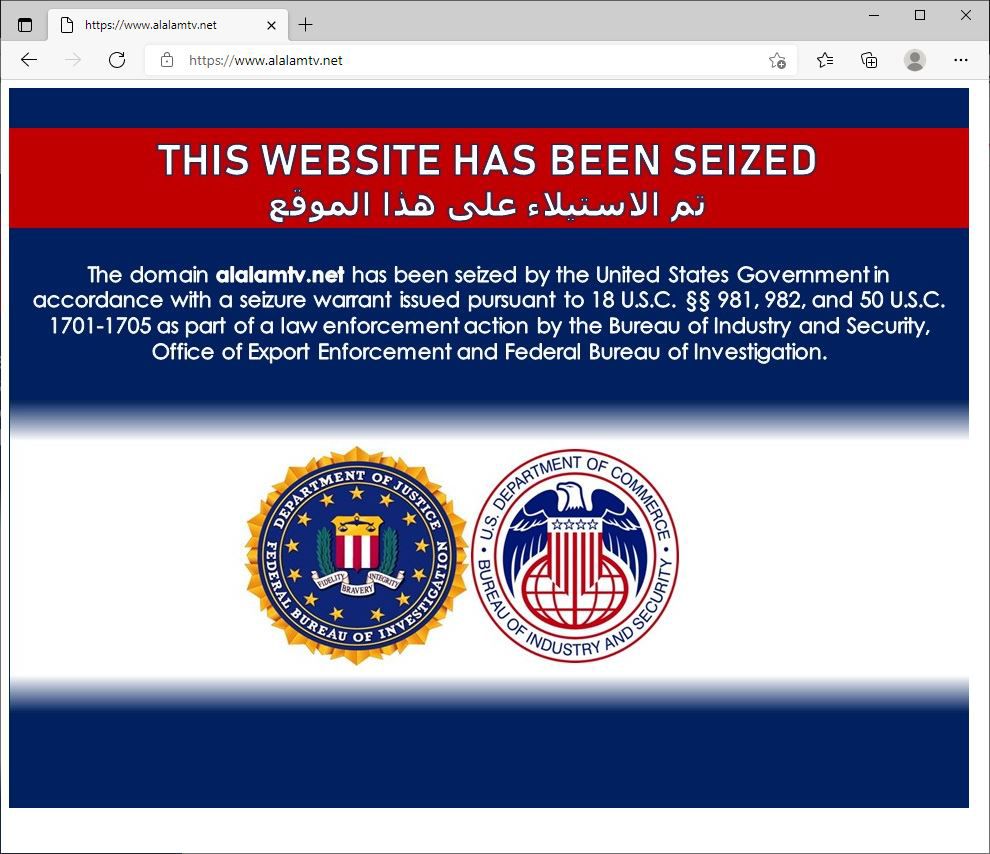
Domain Seizures and Takedown Notices
Domain registrars and hosting providers may receive legal requests to suspend websites involved in piracy.
When a domain is seized or suspended, the associated website becomes inaccessible.
Platforms like extratorrents historically faced such actions, which contributed to their disappearance from the internet.
International Copyright Agreements
Many countries cooperate through international agreements to enforce copyright laws across borders.
These agreements allow governments to coordinate enforcement efforts and share information about piracy websites.
How Regulations Change the Behavior of File-Sharing Communities

Internet regulations often force file-sharing communities to adapt in various ways.
When platforms are blocked or shut down, users frequently migrate to alternative websites or platforms.
Common adaptations include:
-
Moving to new torrent platforms
-
Sharing mirror links through forums
-
Creating replacement platforms
-
Using decentralized systems
Communities often remain connected through social media or discussion boards, allowing them to coordinate migrations when platforms disappear.
The Role of Technology in Bypassing Restrictions

Technology also plays a role in how users respond to internet regulations.
Some tools allow users to access websites that may be restricted in their region.
Examples include:
-
Virtual Private Networks (VPNs)
-
Proxy servers
-
Mirror websites
These technologies allow users to bypass certain restrictions, although their legality and effectiveness may vary depending on local regulations.
Challenges Faced by File-Sharing Communities
File-sharing communities face several ongoing challenges due to internet regulations.
Some of the most significant challenges include:
Legal Pressure
Authorities may investigate operators of file-sharing platforms.
Search Engine De-Indexing
Search engines may remove piracy websites from search results.
Hosting Restrictions
Hosting providers may suspend websites that violate policies.
Domain Instability
Frequent domain changes make it difficult for communities to maintain stable platforms.
Despite these challenges, file-sharing communities continue to adapt and evolve.
Positive Effects of Internet Regulations
While regulations create challenges for file-sharing communities, they also produce some positive outcomes.
For example, regulations help protect content creators and encourage the growth of legal digital services.
Many streaming platforms now provide convenient access to movies, music, and television content.
As legal services become more accessible and affordable, many users prefer them over unofficial sources.
The Future of File-Sharing Communities
The future of file-sharing communities will likely be shaped by both technological innovation and evolving legal frameworks.
Emerging technologies such as decentralized networks and blockchain-based distribution systems may influence how digital content is shared.
At the same time, governments and industry organizations will likely continue developing stronger anti-piracy strategies.
This ongoing interaction between regulation and technology will shape the future of digital file sharing.
Conclusion
Internet regulations have had a profound impact on file-sharing communities. From copyright enforcement to website blocking and domain seizures, these regulations influence how platforms operate and how users interact with them.
Platforms such as extratorrents illustrate how torrent communities evolve in response to legal pressure and regulatory changes.
While regulations aim to protect intellectual property and support creative industries, file-sharing communities often adapt through technological innovation and community collaboration.
As digital technology continues to evolve, the relationship between internet regulations and file-sharing communities will remain an important topic in the broader discussion about digital content distribution.
FAQs
What are file-sharing communities?
File-sharing communities are groups of internet users who share digital files such as movies, music, and software using peer-to-peer technologies.
Why do governments regulate file sharing?
Governments regulate file sharing to protect intellectual property rights and reduce unauthorized distribution of copyrighted material.
How do torrent platforms work?
Torrent platforms provide torrent files or magnet links that allow users to download and share files through peer-to-peer networks.
Why do torrent platforms sometimes disappear?
Torrent platforms may disappear due to legal pressure, copyright enforcement, domain seizures, or hosting restrictions.
How do users access file-sharing platforms when they are blocked?
Users sometimes access restricted platforms through mirror sites, proxy services, or alternative domains, depending on regional regulations.

A digital marketer with a strong focus on SEO, content creation, and AI tools. Creates helpful, easy-to-understand content that connects with readers and ranks well on search engines. Loves using smart tools to save time, improve content quality, and grow online reach.