
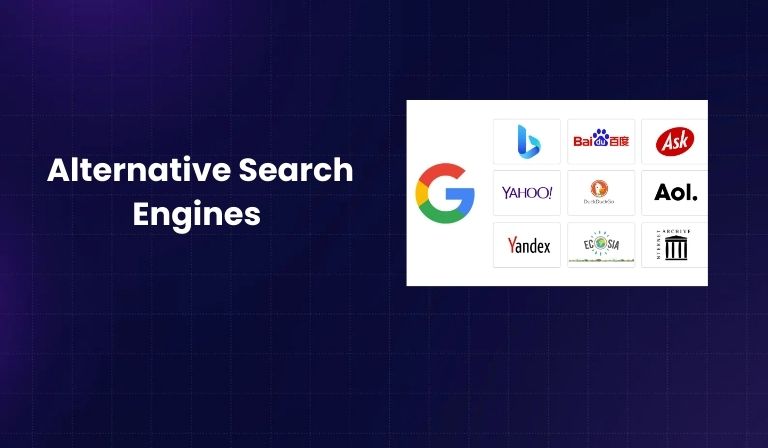

For more than two decades, Google has been the default option for online searches. From checking news and researching products to finding local services and academic references, Google has shaped how people interact with information on the web. However, the digital landscape is changing rapidly.
With the rise of AI-powered tools, privacy concerns, regional platforms, and niche-focused technologies, users are now actively exploring alternative search engines that provide better control, transparency, and unique features.
Today, there is no shortage of search engines, but not all of them work the same way. Some prioritize privacy, some rely on artificial intelligence, while others focus on specific regions or professional use cases. This detailed search engines list will help you understand the best options available and how each one improves the search experience beyond Google.
Why Users Are Looking Beyond Google
Google still dominates the global market, but it isn’t perfect for everyone.
Here are the most common reasons people are switching to other search engineas:
- Heavy tracking and personalized ads
- Growing privacy concerns
- AI-generated summaries replacing organic links
- Lack of transparency in ranking systems
- Regional or niche search limitations
As technology evolves, users want more control over how information is presented. That’s where alternative search eingins come in.
Categories of Alternative Search Engines
To make things easier, alternative platforms can be grouped into:
- AI-powered search engines
- Privacy-focused search engines
- Mainstream Google alternatives
- Knowledge-based platforms
- Specialized search engines
- International search engines
Let’s explore each category in detail.
AI-Powered Search Engines
AI-powered platforms go beyond traditional keyword-based searching. They understand context, summarize information, and allow follow-up questions.
1. ChatGPT Search

ChatGPT Search combines real-time web data with conversational AI. Instead of displaying only links, it provides direct answers with citations. Users can ask follow-up questions, making it ideal for research, explanations, and comparisons. It’s especially useful when users want summarized insights rather than browsing multiple pages.
2. Google AI Mode

Google AI Mode is an experimental upgrade that enhances traditional Google searches. It allows deeper reasoning, topic comparisons, and conversational interactions. Unlike standard results, AI Mode keeps context across questions, which is helpful for complex decision-making searches.
3. Perplexity.ai
Perplexity.ai focuses on delivering accurate answers with source citations. It feels more like a research assistant than a classic search interface. Users benefit from concise responses, but it’s still important to verify critical data due to AI limitations.
4. You.com

You.com offers a customizable AI search experience. Users can control data sources, switch between personal and private modes, and even generate images. Developers also benefit from its open ecosystem that supports innovation and transparency.
5. Yep.com

Yep.com stands out because of its creator-first approach. It shares ad revenue directly with content creators, ensuring fair compensation. Unlike Google, it doesn’t track users or sell personal data, making it a rare blend of ethical monetization and privacy.
Copyright-Free Content Search Engines
6. Openverse
Openverse is perfect for users searching for copyright-free images, audio, and videos. It aggregates open-license media, making it ideal for bloggers, marketers, educators, and designers who want safe-to-use content without legal risks.
Mainstream Google Alternatives
These platforms maintain a steady global presence and are widely used across different regions.
7. Bing
Bing remains one of the strongest Google alternatives. It offers superior image and video search experiences and integrates smoothly with Microsoft tools. The rewards program also incentivizes everyday searches.
8. Yahoo
Yahoo combines search with services like finance, email, and news. While it relies on Bing’s search technology, its diversified ecosystem appeals to users who want an all-in-one digital platform.
9. Ecosia
Ecosia turns searches into environmental action. Its ad revenue funds tree-planting initiatives worldwide. Users get reliable search results while contributing to sustainability, making it one of the most socially responsible options available.
Privacy-Focused Search Engines
Privacy is one of the biggest drivers behind the adoption of alternative search engines.
10. KARMA Search
KARMA Search donates 100% of its ad revenue to wildlife conservation projects. Built with anti-tracking technology, it ensures anonymous searches while supporting environmental causes.
Also Read: 13 Essential On-Page SEO Factors You Need To Know
11. DuckDuckGo
DuckDuckGo is a well-known privacy-first platform that doesn’t track or store user data. It delivers unbiased results without personalized filtering, allowing users to search without surveillance.
12. Startpage
Startpage offers Google-like results without Google tracking. It acts as a privacy shield by removing identifiers before delivering results, making it ideal for users who prefer Google-quality searches without data collection.
13. Swisscows
Swisscows focuses on family-friendly content and semantic search. It filters explicit material while respecting user privacy, making it a great option for households and educational environments.
14. Brave Search
Brave search operates on its own independent index, eliminating reliance on Google or Bing. It emphasizes transparency, privacy, and user rewards. With rapid growth, brave search has become one of the most trusted privacy-focused tools available today.
15. Kagi
Kagi is a subscription-based platform offering an ad-free experience. Users can fine-tune search results using custom filters, making it popular among researchers, journalists, and professionals.
16. Mojeek
Mojeek is an independent crawler-driven platform that avoids personalization entirely. Everyone sees the same results, making it one of the most unbiased search engineas available.
Knowledge-Based & Real-Time Search Engines
17. X (Formerly Twitter)
X excels in real-time search. It’s the go-to platform for live updates, breaking news, and trending discussions. During emergencies or global events, no platform delivers faster information.
18. SlideShare
SlideShare allows users to search presentations, PDFs, and professional documents. It’s especially useful for business professionals and educators preparing presentations or learning materials.
19. Wayback Machine
The Wayback Machine archives historical versions of websites. It’s invaluable for research, digital preservation, and tracking changes over time.
Specialized Search Engines
20. WolframAlpha
WolframAlpha is not a traditional search engine—it computes answers using structured data. It’s widely used for math, science, finance, and academic research.
21. LinkedIn Search
LinkedIn acts as a professional discovery engine. It helps users find companies, decision-makers, and industry experts, making it essential for B2B research and networking.
International Search Engines
22. Baidu
Baidu dominates the Chinese market. It offers localized services including maps, videos, and mobile apps, making it essential for brands targeting China.
23. Yandex
Yandex is widely used in Russia and nearby regions. It offers powerful language processing and region-specific features.
24. Sogou
Sogou specializes in Chinese-language searches and AI-powered translation tools. It integrates well with local platforms and services.
25. Naver
Naver dominates South Korea with a content-heavy ecosystem focused on blogs, shopping, and news rather than traditional web links.
Why a Diverse Search Engines List Matters
Using only one platform limits exposure to diverse perspectives. A well-rounded search engines list helps users:
- Reduce data tracking
- Access unbiased results
- Discover niche content
- Improve research accuracy
- Support ethical platforms
FAQs
How can I switch to an alternative search engine?
You can change your browser’s default search engine from settings. Most browsers support multiple search engineas with just a few clicks.
Which is the best search engine other than Google?
The best option depends on your needs. For privacy, DuckDuckGo and brave search are excellent. For AI-driven answers, ChatGPT Search and Perplexity.ai perform well.
Are alternative search engines safe?
Yes, most are safe and secure. Privacy-focused platforms often provide better protection than mainstream tools.
Do these search engines work globally?
Some are global, while others like Baidu and Naver are region-specific. Choose based on your location and language needs.
Are paid search engines worth it?
Subscription platforms like Kagi are worth it for users who want ad-free, highly refined results.
Conclusion
Google may still lead the market, but it is no longer the only reliable option. From AI-driven platforms to privacy-first tools and region-specific leaders, today’s search engines ecosystem is more diverse than ever.
Exploring alternative search eingins allows users to take control of their digital experience, protect their privacy, and access information in smarter ways. Whether you choose brave search, an AI-powered assistant, or a niche platform, the future of search is about choice—and that choice is finally in your hands.