
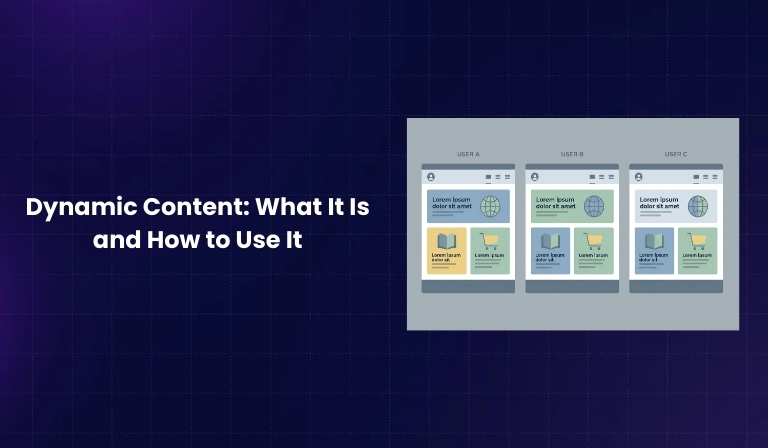

Today, people expect websites, emails, and ads to feel relevant to them. When users see the same message regardless of who they are, where they are from, or what they need, engagement usually drops. This is where dynamic content plays an important role.
Dynamic content helps businesses show different content to different users based on specific conditions such as behavior, location, or preferences. Instead of a one-size-fits-all approach, content becomes more personalized and useful.
In this blog, you will learn what dynamic content is, how it works, where it is used, its benefits and challenges, and how to use it effectively in your marketing strategy.
What Is Dynamic Content?
Dynamic content is content that changes automatically based on user data, behavior, or predefined rules. Instead of displaying the same message to every visitor, dynamic content adapts to match the user’s context.
Static content remains the same for all users. For example, a fixed homepage banner or a general blog post that does not change. Dynamic content, on the other hand, adjusts elements such as text, images, offers, or calls-to-action in real time.
Dynamic content is commonly used in digital marketing to improve relevance, engagement, and conversions by delivering content that aligns better with user intent.
How Dynamic Content Works
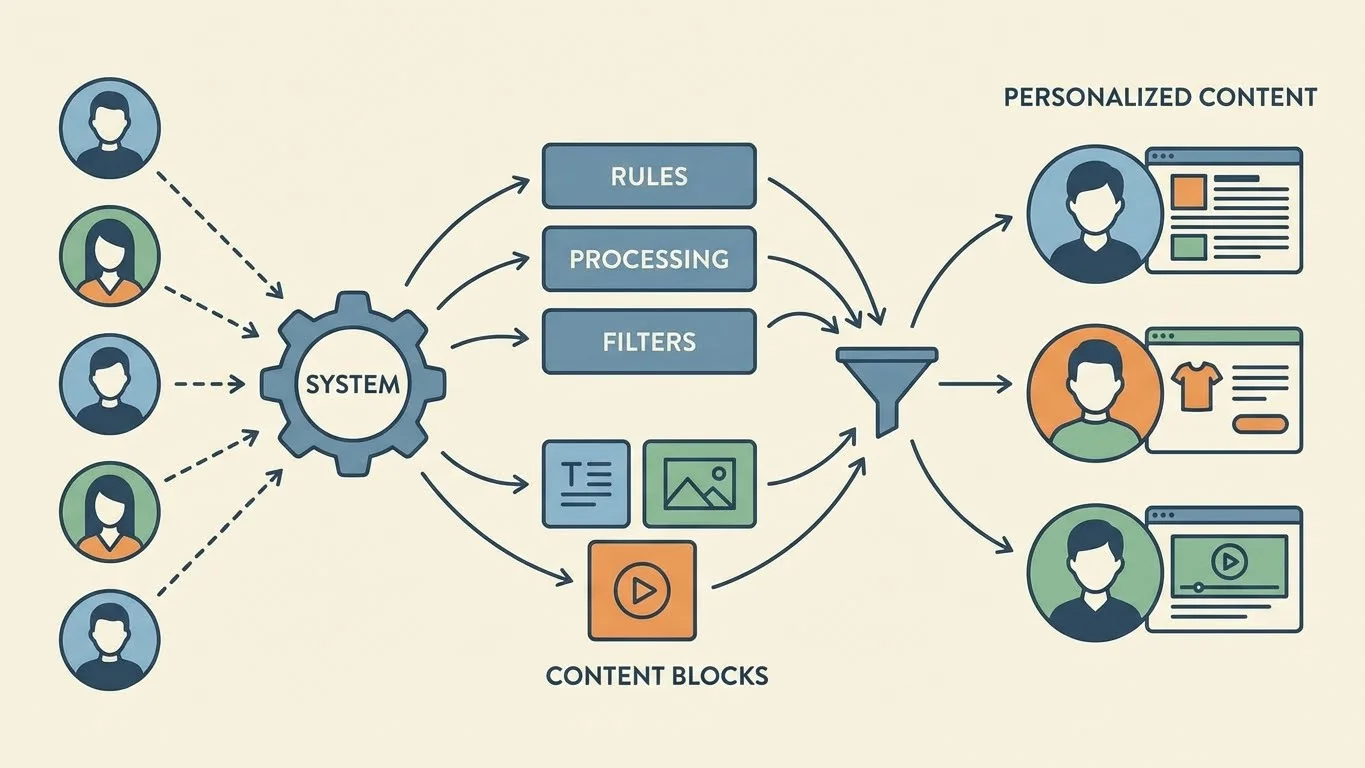
Dynamic content works by using data and rules to decide what content should be shown to a specific user. The system checks predefined conditions and then displays the most relevant version of the content.
Key elements involved in dynamic content delivery include:
- User data such as location, device, language, or past interactions
- Behavioral data like pages visited, products viewed, or actions taken
- Rules and conditions that determine which content version appears
- Content blocks designed to change based on those rules
Once the conditions are met, the system automatically displays the appropriate content without manual intervention.
Types of Dynamic Content
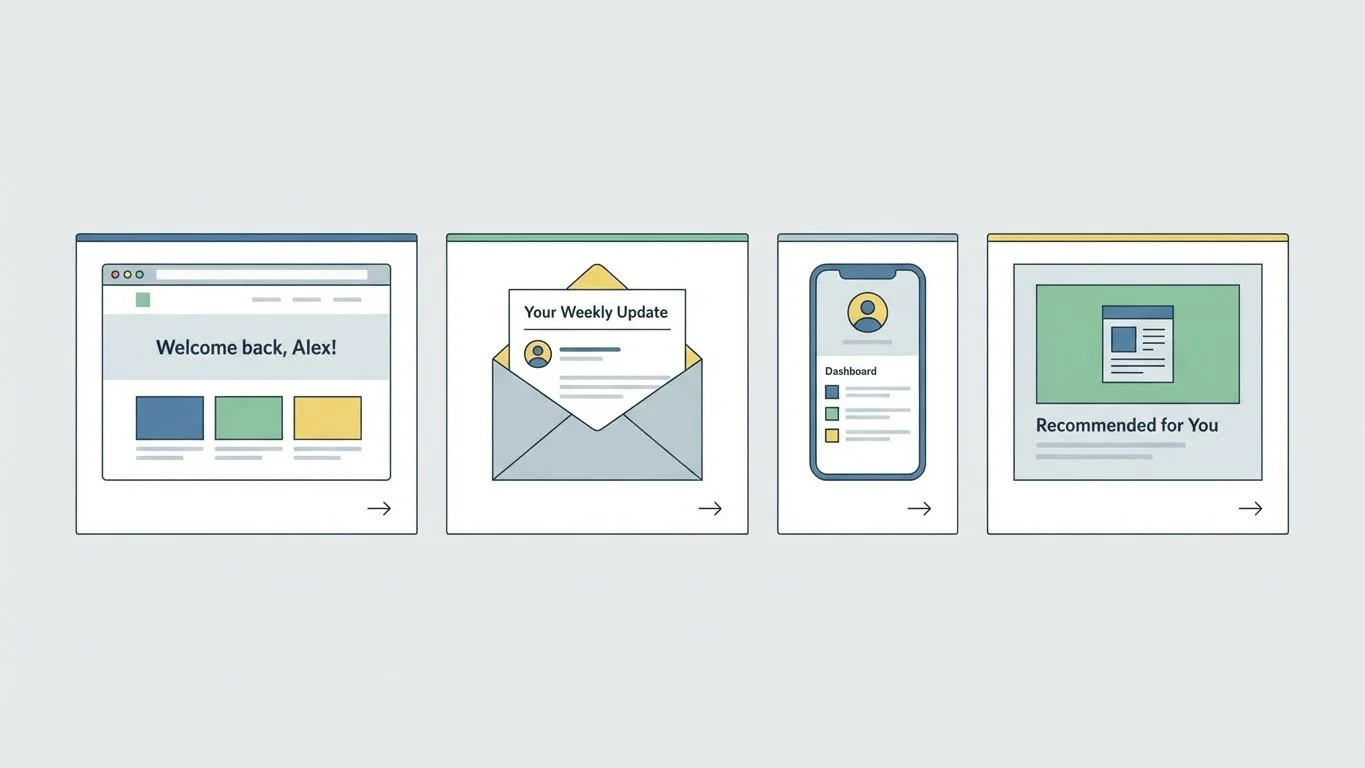
Dynamic content can be used across multiple digital channels. Each type serves a different purpose but follows the same core principle of personalization.
- Website dynamic content: Changes headlines, banners, or sections based on user behavior or demographics
- Email dynamic content: Personalizes subject lines, images, or offers inside emails
- Dynamic content in ads: Adjusts ad creatives or messaging based on audience segments
- Dynamic content in mobile apps: Shows personalized notifications or in-app messages
- Social media dynamic content: Displays tailored ads or recommendations to different users
Common Examples of Dynamic Content
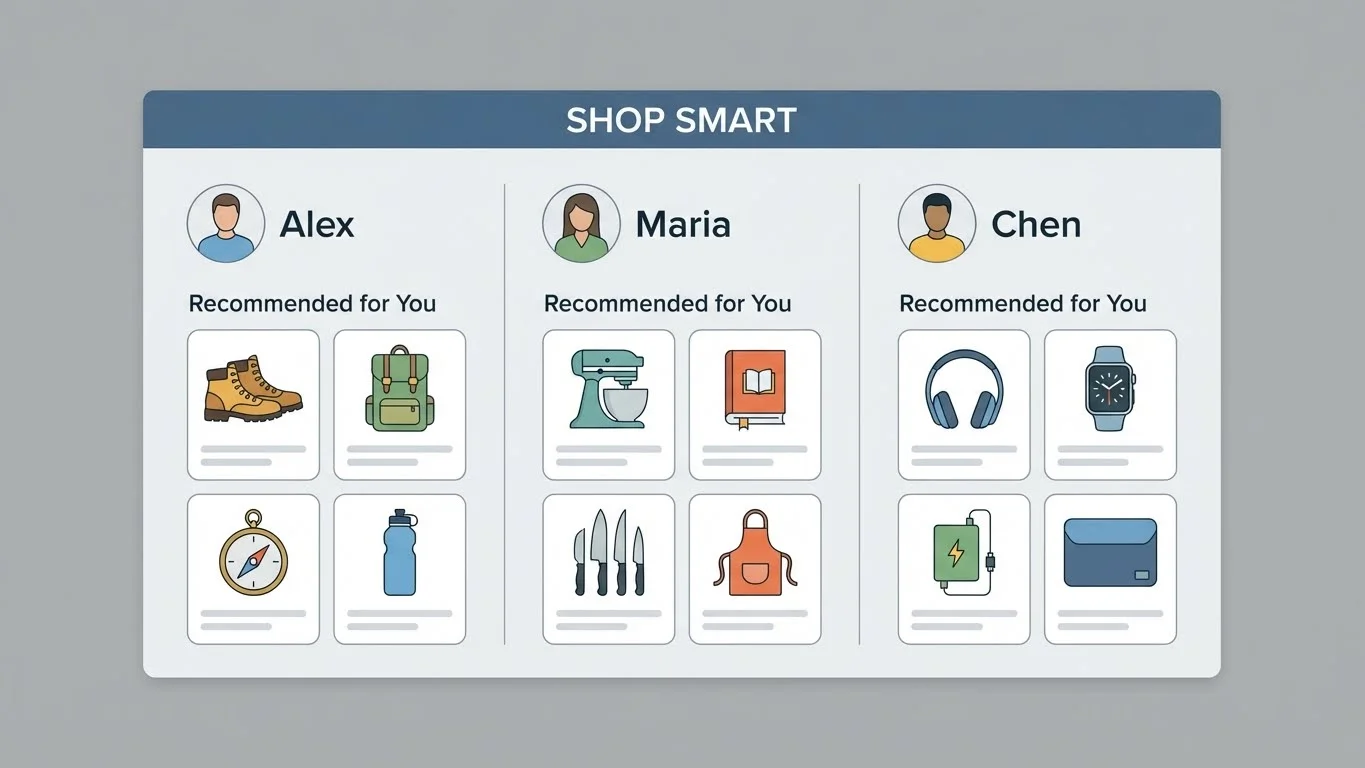
Dynamic content is already widely used across digital platforms, often without users realizing it.
Common examples include:
- Personalized website headlines based on location or industry
- Product recommendations based on browsing or purchase history
- Location-based offers or messages
- Dynamic calls-to-action that change based on funnel stage
- Personalized email subject lines and content blocks
These examples show how dynamic content improves relevance without changing the core message.
Benefits of Using Dynamic Content
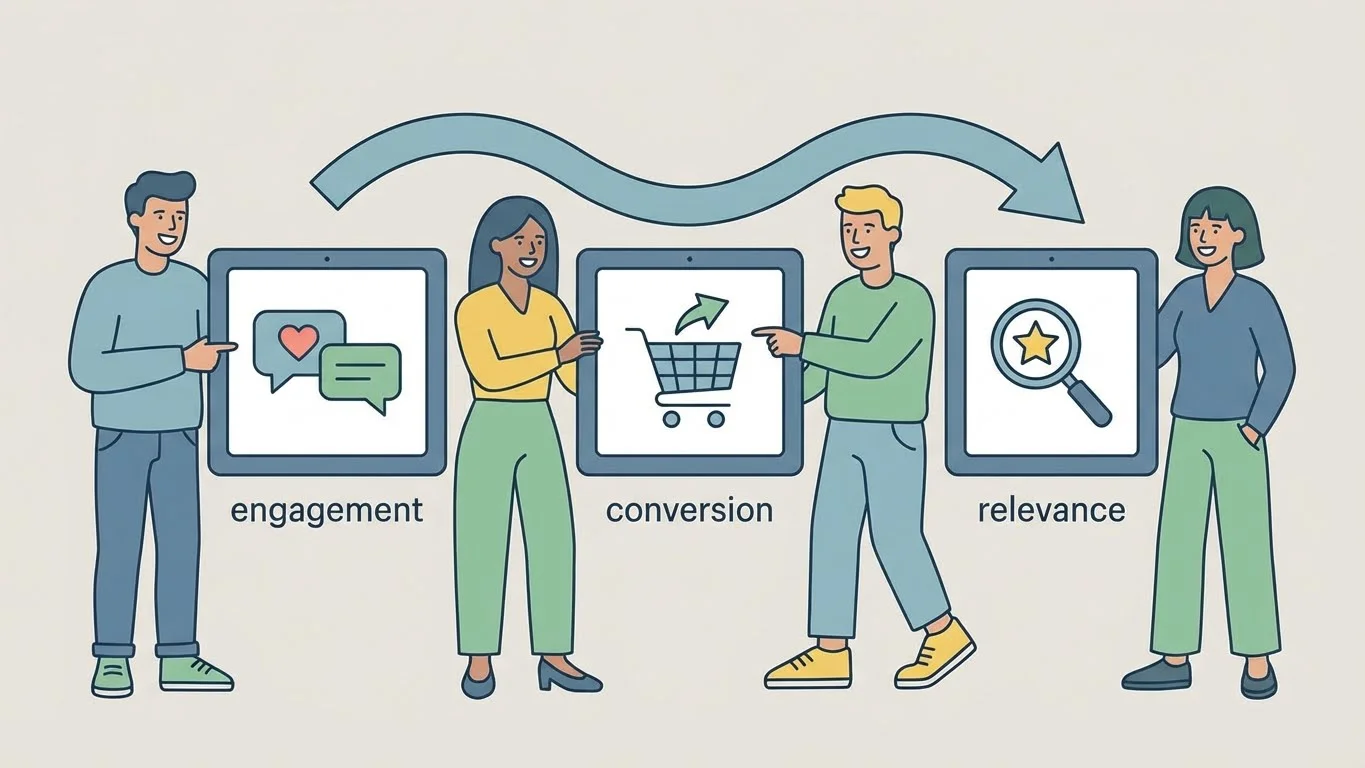
Dynamic content provides clear advantages when used correctly. It improves how users interact with your brand and how effectively your content performs.
Main benefits include:
- Better user experience through relevant messaging
- Higher engagement rates due to personalized content
- Improved conversion rates
- Increased content relevance across channels
- Ability to reuse content efficiently at scale
By showing users what matters most to them, dynamic content helps reduce friction and improve outcomes.
Dynamic Content vs. Static Content
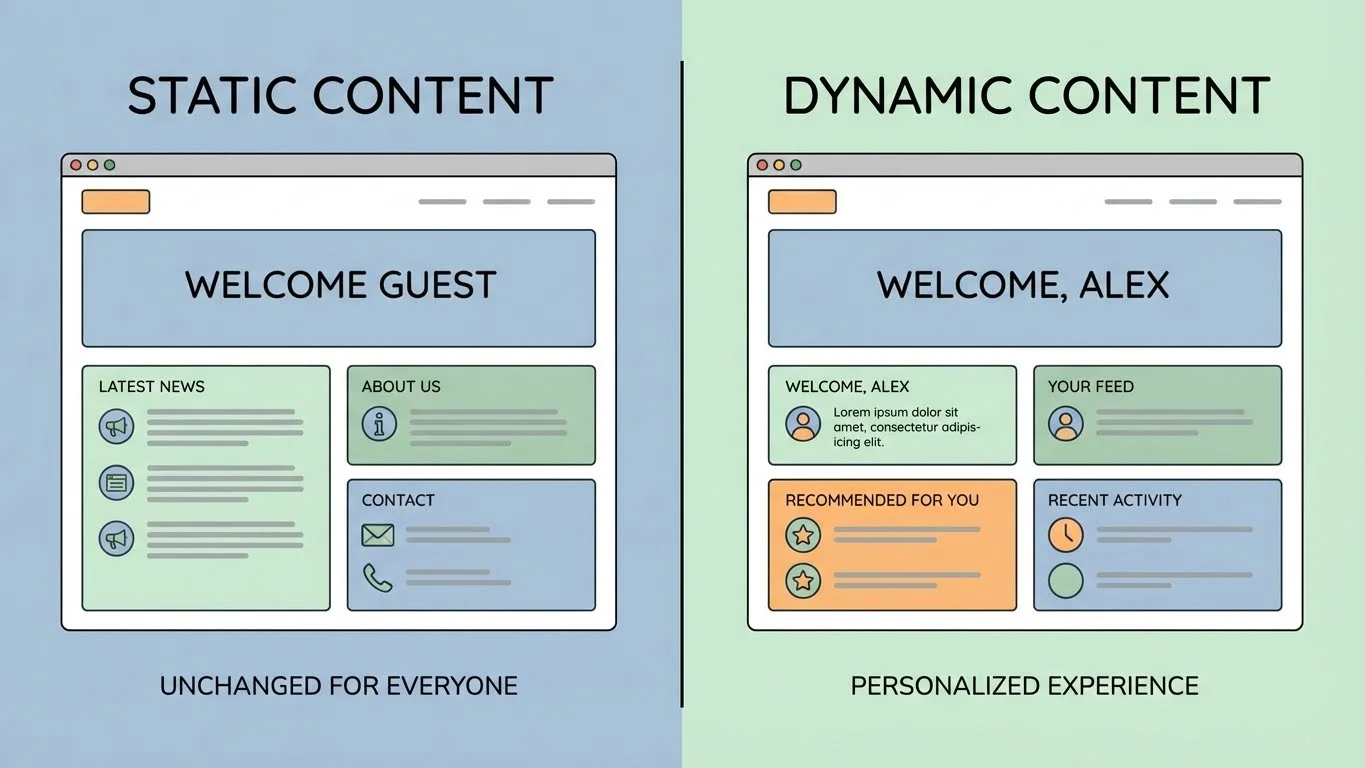
Dynamic content and static content serve different purposes and are not direct replacements for each other.
Key differences include:
- Static content shows the same message to everyone
- Dynamic content adapts based on user data
- Static content is easier to manage and faster to deploy
- Dynamic content offers higher personalization and relevance
- Dynamic content often leads to better engagement and conversions
Static content is still useful for foundational pages, legal information, or brand messaging. Dynamic content is best used where personalization adds value.
Where You Can Use Dynamic Content
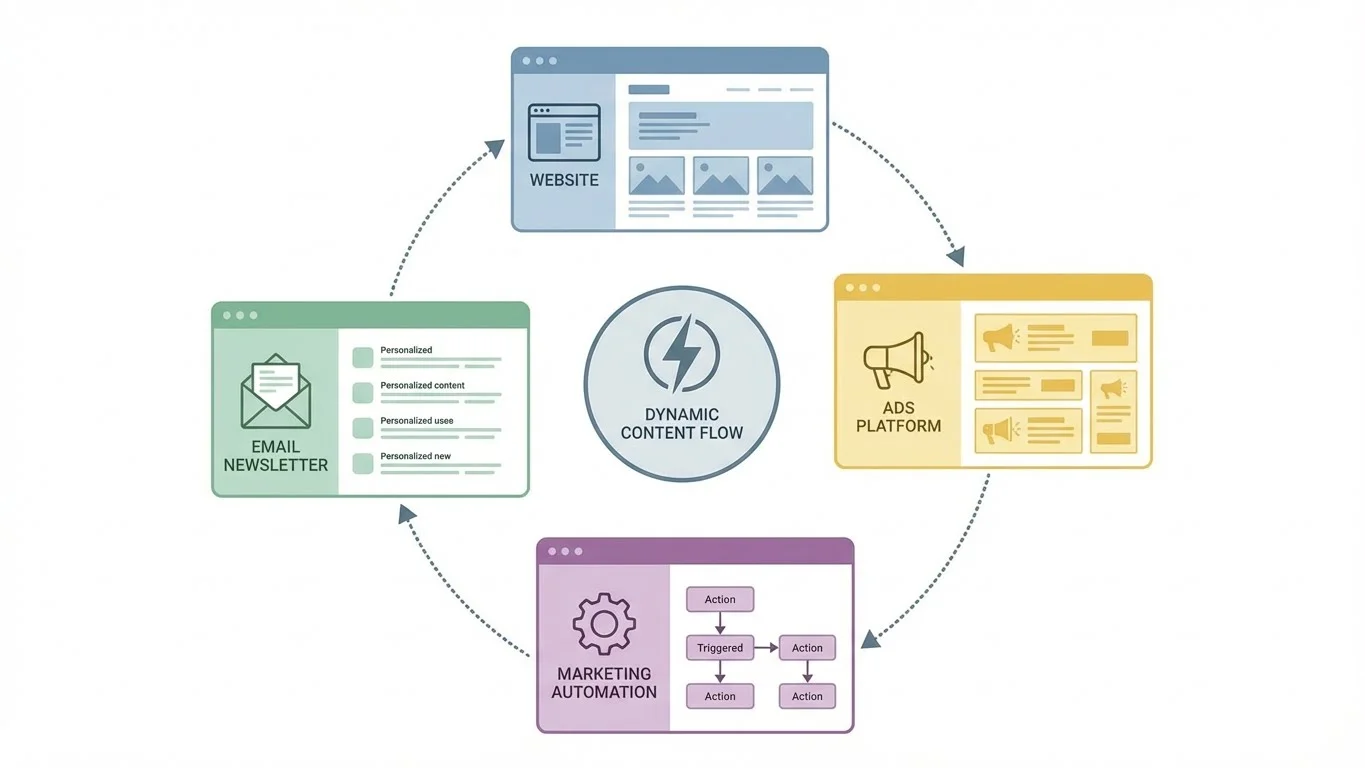
Dynamic content can be applied across many digital touchpoints where user interaction matters.
Common use cases include:
- Websites and landing pages
- Email marketing campaigns
- Paid advertising campaigns
- E-commerce product pages
- Marketing automation workflows
Using dynamic content across these channels ensures consistency and relevance throughout the customer journey.
How to Use Dynamic Content Effectively
Using dynamic content without a clear strategy can lead to confusion or poor results. A structured approach is essential.
Key steps to use dynamic content effectively include:
- Define clear goals for personalization
- Segment your audience accurately
- Use reliable and up-to-date data
- Keep personalization relevant and simple
- Test and optimize content regularly
The focus should always be on improving user experience rather than adding complexity.
Tools and Platforms That Support Dynamic Content
Dynamic content is typically managed through digital platforms that support automation and personalization.
These include:
- Marketing automation tools
- Content management systems (CMS)
- Email marketing platforms
- CRM-based personalization systems
These platforms help collect data, define rules, and deliver the right content to the right audience at the right time.
Challenges of Dynamic Content
While dynamic content offers many benefits, it also comes with challenges that need careful handling.
Common challenges include:
- Poor data quality affecting personalization accuracy
- Technical complexity during setup and integration
- Privacy and data compliance requirements
- Difficulty managing multiple content variations
Addressing these challenges early helps prevent performance and trust issues.
Best Practices for Dynamic Content
Following best practices ensures dynamic content delivers value without overwhelming users.
Recommended best practices include:
- Focus on user intent rather than excessive personalization
- Avoid making content feel intrusive
- Maintain consistent brand messaging
- Optimize for performance and load speed
- Monitor analytics to refine strategies
Well-executed dynamic content feels natural, not forced.
Measuring the Performance of Dynamic Content
Measuring performance is essential to understand whether dynamic content is effective.
Key metrics to track include:
- Engagement rates
- Click-through rates
- Conversion rates
- Bounce rates
- Performance of A/B tests comparing dynamic and static content
Data-driven insights help improve personalization strategies over time.
Dynamic Content and Personalization: How They’re Connected
Dynamic content is a key enabler of personalization. Personalization defines what should change, while dynamic content defines how it changes.
This connection is seen in:
- Personalized messaging across customer journey stages
- Content tailored to user intent and behavior
- Improved relevance at each touchpoint
Dynamic content makes personalization scalable and practical.
Conclusion
Dynamic content allows businesses to move beyond generic messaging and deliver more relevant, engaging experiences. By adapting content based on user data and behavior, it improves engagement, conversions, and overall user satisfaction.
When used strategically, dynamic content supports personalization without compromising brand consistency. Starting small, focusing on user intent, and continuously optimizing can help businesses make the most of dynamic content in modern digital marketing.

Passionate about blogging and focused on elevating brand visibility through strategic SEO and digital marketing. Always tuned in to the latest trends, I’m dedicated to maximizing engagement and delivering measurable ROI in the dynamic world of digital marketing. Let’s connect and unlock new opportunities together!