
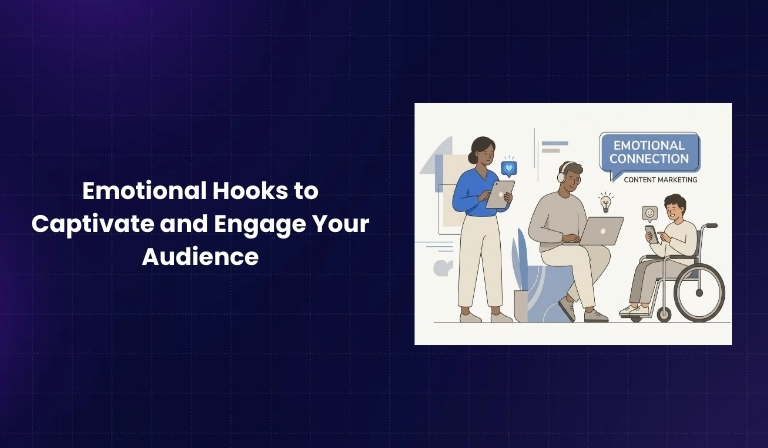

In today’s crowded digital space, attention is the most valuable currency. People scroll fast, skip ads, and ignore content that feels irrelevant. What stops them is not always logic or data—it’s emotion. Emotions influence what we notice, what we remember, and what actions we take.
That is why emotional hooks play a critical role in marketing, content creation, and communication. Whether you are writing a blog, designing an ad, creating a landing page, or sending an email, emotional hooks help you connect with your audience at a human level.
In this blog, you will learn what emotional hooks are, why they matter, how they work psychologically, and the nine most effective emotional hooks you can use to captivate and engage your audience—ethically and strategically.
What Are Emotional Hooks?
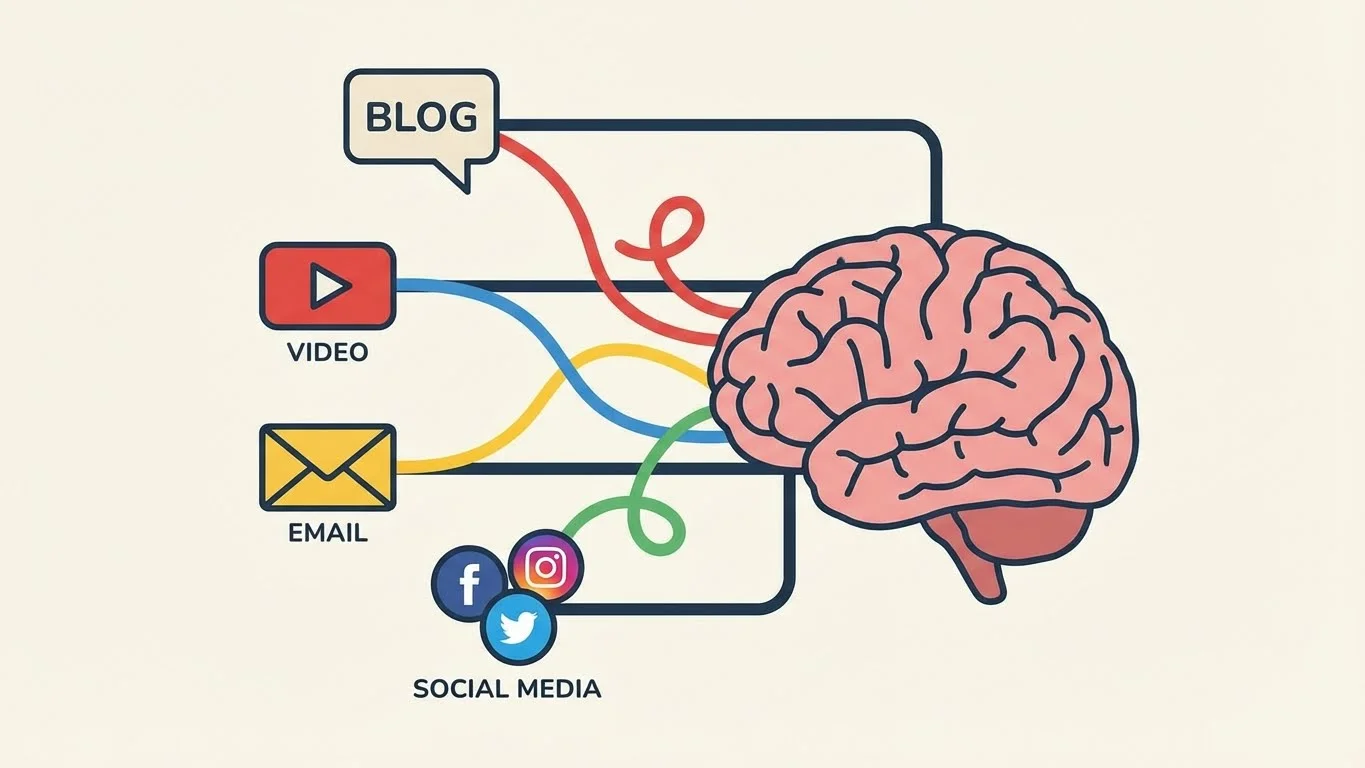
Emotional hooks are messaging techniques designed to trigger specific emotions in your audience, encouraging them to pay attention, feel connected, and take action. These hooks work by tapping into basic human emotions such as curiosity, fear, trust, hope, or belonging.
Instead of relying only on facts or features, emotional hooks focus on how the audience feels when interacting with your content or brand. This makes your message more relatable and memorable.
- Emotional hooks appeal to feelings rather than pure logic
- They are used in headlines, stories, visuals, calls-to-action, and brand messaging
- They help create a stronger emotional bond between the audience and the content
The key difference between emotional hooks and rational messaging is that rational messaging explains what something is, while emotional hooks explain why it matters to the person reading it.
Why Emotional Hooks Matter in Content Marketing
Emotional hooks are not just creative tools; they directly impact content performance. When content connects emotionally, audiences are more likely to engage with it and remember it later.
- Emotional content tends to generate higher engagement such as clicks, shares, and comments
- Emotion-driven messages improve brand recall because feelings strengthen memory
- Emotional hooks help guide users through different stages of the buyer’s journey
- They increase trust and conversion by making content feel human and relevant
People rarely make decisions based on logic alone. Emotional hooks provide the motivation, while logic later justifies the decision. This is why emotionally engaging content often outperforms purely informational content.
How Emotional Hooks Work (Psychology Behind Them)
Emotional hooks work because human brains are wired to respond to emotions quickly. Emotional responses happen faster than logical reasoning, making them powerful attention triggers.
When an emotion is activated:
- Attention increases, making people pause and focus
- Memory retention improves, helping the message stick longer
- Behavior is influenced, increasing the likelihood of action
Storytelling is a common way emotional hooks are delivered. Stories help audiences see themselves in a situation, activating empathy and emotional understanding. However, emotional hooks must be used ethically. Manipulating fear, guilt, or hope without honesty can damage trust and harm brand credibility.
The 9 Emotional Hooks That Captivate and Engage Audiences
1. Curiosity

Curiosity is the desire to learn something unknown. It pushes people to click, read, and explore further. When used correctly, curiosity encourages engagement without misleading the audience.
- Creates interest by hinting at valuable information
- Encourages users to continue reading or watching
- Works best when curiosity is satisfied with real value
The key is to spark interest without using clickbait. The promise made by curiosity must be fulfilled within the content.
2. Fear of Missing Out (FOMO)

FOMO is driven by the fear of losing opportunities, benefits, or experiences. It is commonly used in marketing to create urgency and prompt quicker decisions.
- Highlights limited availability or time-sensitive offers
- Encourages immediate action
- Works best when scarcity is genuine
Ethical use of FOMO is important. False urgency or fake scarcity can reduce trust and damage long-term relationships with your audience.
3. Desire for Belonging
Humans naturally want to feel part of a group. Content that creates a sense of belonging makes people feel accepted and understood.
- Uses inclusive language such as “we” and “our community”
- Builds emotional connection through shared values
- Encourages long-term brand loyalty
Brands that focus on community rather than transactions often build stronger emotional bonds with their audience.
4. Trust and Safety

Trust is a powerful emotional hook, especially in decision-making. People engage more with content that makes them feel safe and confident.
- Builds reassurance through transparency and honesty
- Uses clear, simple, and consistent messaging
- Reduces uncertainty and perceived risk
Trust-based emotional hooks are especially important in industries where decisions feel risky or complex.
5. Inspiration and Aspiration

Inspiration motivates people to imagine a better future. Aspirational content shows what is possible and encourages personal or professional growth.
- Focuses on progress, improvement, and success
- Uses positive and forward-looking language
- Encourages action without unrealistic promises
This hook works well when inspiration feels achievable and grounded in reality.
6. Empathy and Relatability
Empathy makes audiences feel seen and understood. When people feel that a brand understands their struggles, they are more likely to engage.
- Addresses real pain points and challenges
- Uses relatable language and examples
- Builds emotional trust through understanding
Empathy should feel genuine. Over-dramatization or exaggeration can feel insincere and reduce credibility.
7. Surprise and Delight

Surprise captures attention by breaking expectations. When used thoughtfully, it makes content more memorable and enjoyable.
- Introduces unexpected insights or formats
- Creates moments of delight that stand out
- Encourages sharing due to novelty
Surprise should add value, not confusion. It works best when aligned with the core message.
8. Authority and Confidence
People are drawn to confident and knowledgeable voices. Authority as an emotional hook reassures audiences that they are getting reliable information.
- Uses clear, decisive language
- Demonstrates expertise through experience and accuracy
- Builds credibility without arrogance
Authority works best when confidence is supported by facts, clarity, and consistency.
9. Hope and Positivity
Hope encourages optimism and resilience, especially during uncertainty. Positive emotional hooks help audiences feel encouraged and motivated.
- Focuses on solutions rather than problems alone
- Builds long-term emotional connection
- Encourages trust and continued engagement
Hope should be realistic. False optimism can feel misleading and harm credibility.
How to Choose the Right Emotional Hook for Your Audience
Choosing the right emotional hook depends on understanding your audience and your content goals. Different emotional states require different approaches.
- Identify your audience’s current challenges and motivations
- Match emotional hooks to content goals such as awareness or conversion
- Use softer hooks for early stages and stronger ones for decision stages
- Test different emotional hooks to see what resonates most
The most effective content often combines emotional insight with audience intent.
Common Mistakes to Avoid When Using Emotional Hooks
While emotional hooks are powerful, misuse can backfire. Avoiding common mistakes helps maintain trust and effectiveness.
- Overusing emotional triggers until they feel forced
- Manipulative messaging that exaggerates or misleads
- Ignoring brand voice and core values
- Creating emotional fatigue through constant urgency or fear
Balanced and ethical use of emotional hooks builds long-term credibility.
How to Measure the Effectiveness of Emotional Hooks
Measuring emotional impact helps refine your content strategy over time. While emotions are qualitative, their effects can be tracked through performance indicators.
- Monitor engagement metrics like click-through rate and time on page
- Use A/B testing to compare different emotional approaches
- Pay attention to comments, feedback, and audience reactions
- Adjust emotional hooks based on real performance data
Continuous testing ensures emotional hooks remain relevant and effective.
Conclusion
Emotional hooks are essential tools for capturing attention, building trust, and driving meaningful engagement. By understanding how emotions influence behavior, you can create content that connects with your audience on a deeper level.
When used strategically and ethically, the nine emotional hooks discussed in this blog can transform how your audience experiences your content. The goal is not manipulation, but connection—helping people feel understood, inspired, and confident in their decisions.

Passionate about blogging and focused on elevating brand visibility through strategic SEO and digital marketing. Always tuned in to the latest trends, I’m dedicated to maximizing engagement and delivering measurable ROI in the dynamic world of digital marketing. Let’s connect and unlock new opportunities together!