

Summary
On-page SEO is the foundation of successful search visibility. Without properly optimized on-page SEO factors, even the best content may struggle to rank or attract the right audience. On-page SEO focuses on optimizing individual pages so search engines can understand them clearly and users can engage with them easily.
This guide covers 13 essential on-page SEO factors that directly influence rankings, user experience, and overall website performance. From content quality and keyword optimization to site speed and mobile responsiveness, each on page SEO factor plays a critical role in helping pages rank higher and perform better. Whether you’re a beginner or an experienced marketer, understanding these on page SEO elements will help you build a stronger, more competitive website.
Search engine optimization is not just about backlinks and authority. Before off-page efforts can work effectively, your website must be optimized internally. This is where on-page SEO comes into play.
On page SEO factors are the elements you can control directly on your website to improve rankings and visibility. These include content quality, HTML tags, page structure, internal linking, site speed, and mobile usability. Together, these SEO onpage factors signal relevance, quality, and usability to search engines.
A well-optimized page makes it easier for search engines to crawl, understand, and rank your content for the right queries. At the same time, it improves user experience, which directly impacts engagement and conversions.
Why On-Page SEO Matters
On-page SEO is essential because it:
• Helps search engines discover and index your content
• Improves ranking potential for targeted keywords
• Increases click-through rates from search results
• Builds trust and credibility with users
• Supports long-term SEO strategies like link building
Without strong on page factors SEO, even high-quality content may fail to reach its audience.
Wha is On-Page SEO Categories
On-page SEO can be grouped into three major areas:
• Content optimization
• HTML optimization
• Website architecture optimization
Each category works together to create a fully optimized web page.
1. High-Quality, Relevant Content

Content is the backbone of all on page SEO elements. Search engines prioritize pages that provide value, clarity, and relevance to users.
High-quality content should:
• Answer user questions clearly
• Be accurate and trustworthy
• Provide depth rather than surface-level information
• Match search intent
Thin, duplicated, or low-value content weakens on-page SEO performance, no matter how well other factors are optimized.
2. E-E-A-T (Experience, Expertise, Authoritativeness, Trustworthiness)
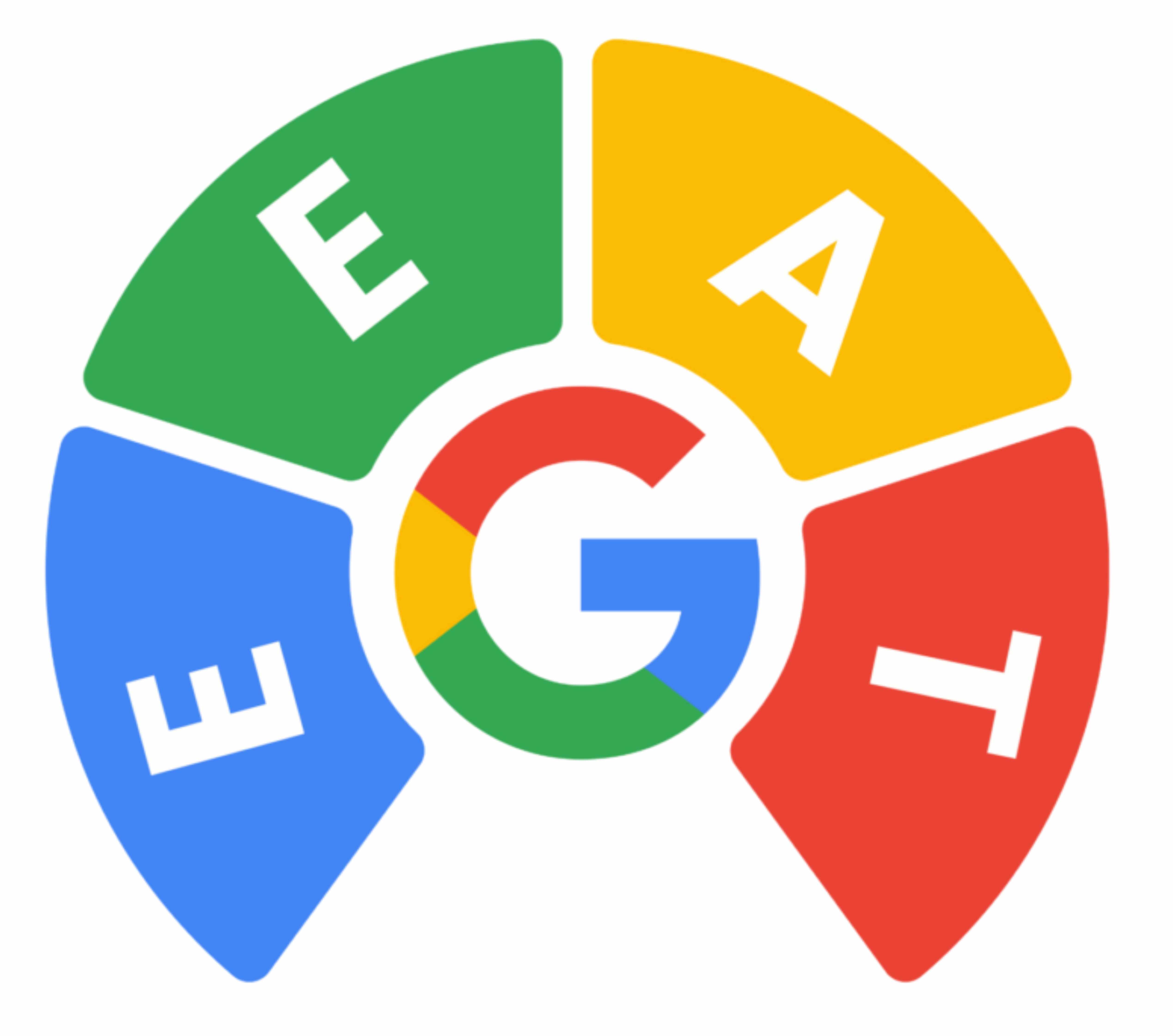
E-E-A-T plays a major role in evaluating content quality, especially for sensitive topics like health, finance, and safety.
Strong E-E-A-T signals include:
• First-hand experience or practical knowledge
• Demonstrated subject-matter expertise
• Clear author credentials or brand authority
• Transparent business and content practices
Improving E-E-A-T strengthens your on page SEO factor by building credibility and trust with both users and search engines.
3. Keyword Optimization and Search Intent
Keywords remain important, but modern SEO goes beyond simple keyword placement.
Effective keyword optimization focuses on:
• Search intent (informational, transactional, navigational)
• Semantic keywords and related terms
• Natural usage instead of repetition
Instead of stuffing keywords, content should be structured around topics and user needs. This approach improves relevance and aligns with modern SEO onpage factors.
4. SEO Writing and Readability
SEO-friendly writing balances optimization with user experience.
Best practices include:
• Short sentences and paragraphs
• Clear headings and subheadings
• Logical flow of information
• Natural keyword integration
Readable content keeps users engaged longer, reduces bounce rates, and strengthens on page SEO factors
Also Read: BCG Matrix Analysis of Adidas
5. Content Freshness and Updates
Fresh content signals relevance. Pages that are regularly updated tend to perform better over time.
Ways to maintain freshness include:
• Updating outdated statistics
• Adding new insights or sections
• Improving clarity and accuracy
• Expanding content to match new trends
Content freshness is a powerful but often overlooked on page SEO element.
6. Visual Content Optimization
Images, videos, and charts improve engagement and comprehension.
Optimized visual content should:
• Be relevant to the page topic
• Load quickly
• Include descriptive alt text
• Enhance user understanding
Visual assets strengthen content quality and contribute to better on page factors SEO.
7. Title Tag Optimization
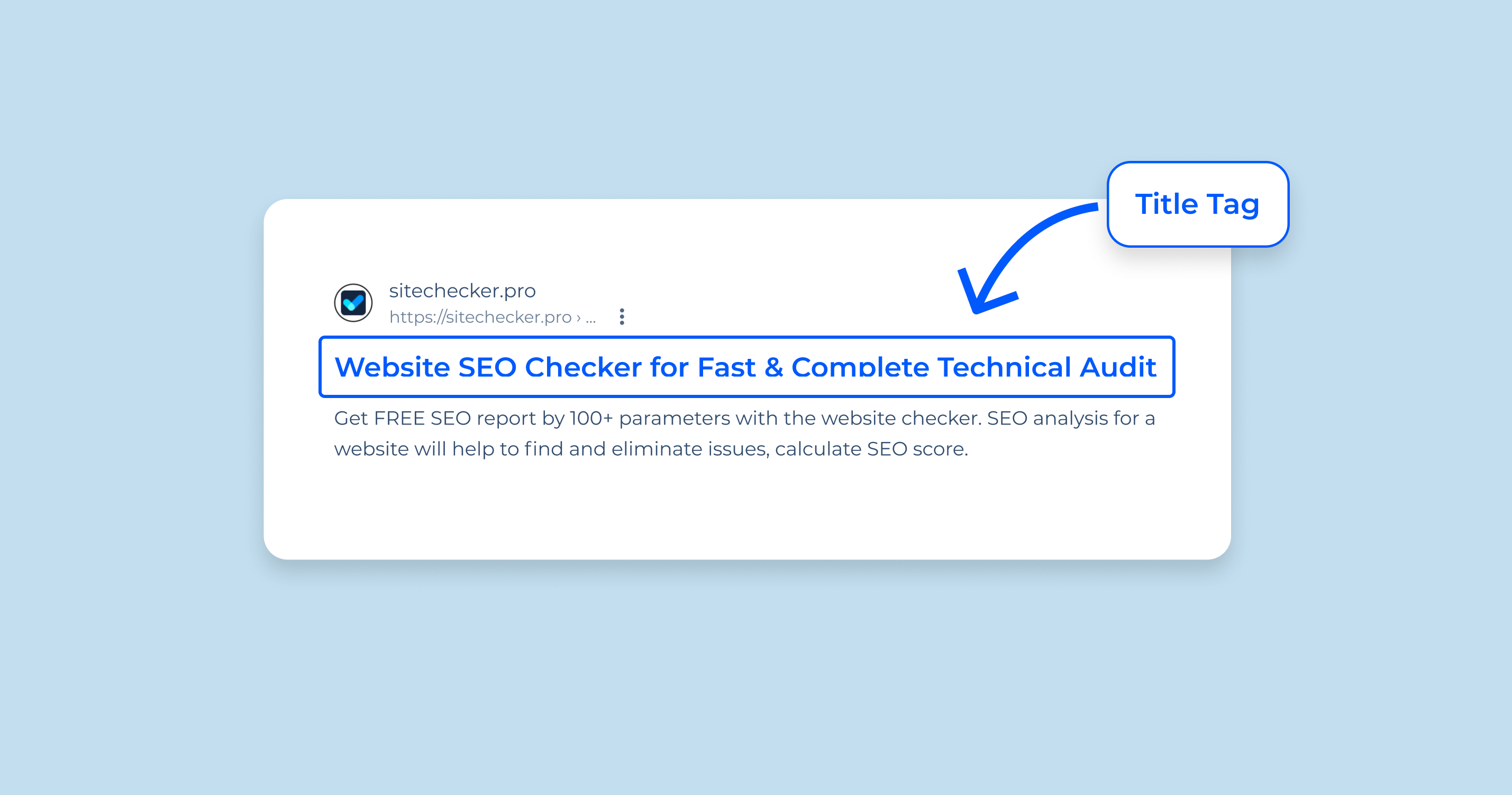
Title tags are one of the most influential on page SEO factors.
Effective title tags should:
• Clearly describe the page content
• Include primary keywords naturally
• Stay within recommended length
• Encourage clicks
A strong title improves both rankings and click-through rates.
8. Meta Descriptions
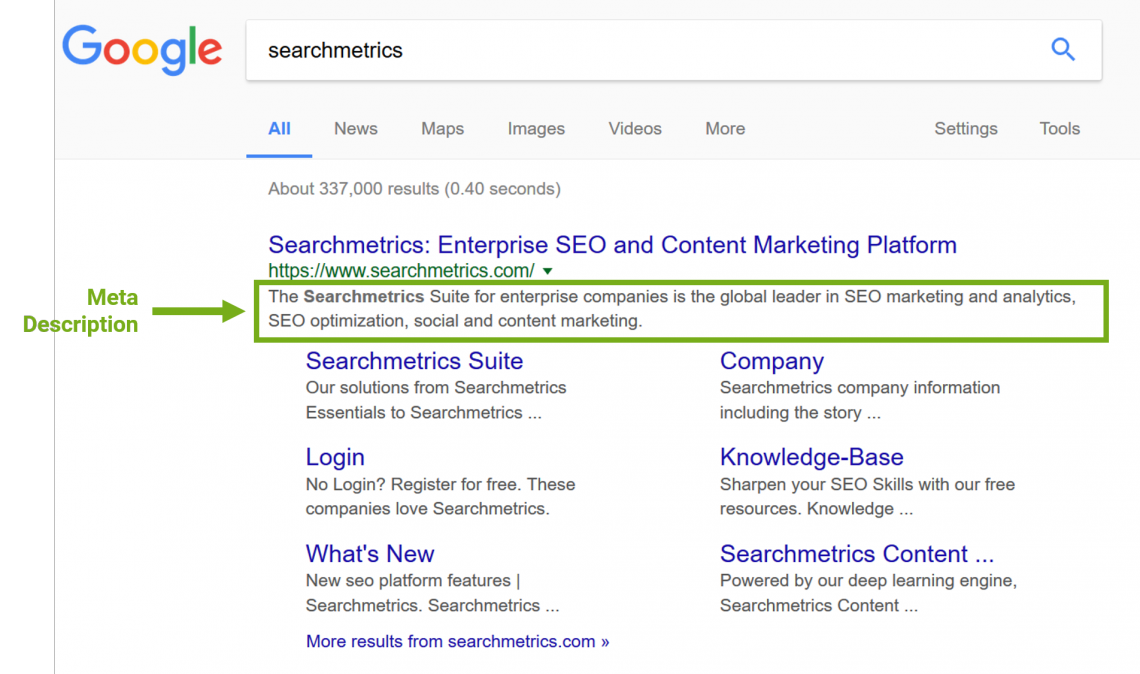
While meta descriptions are not direct ranking factors, they influence user behavior.
Well-written meta descriptions:
• Summarize page content accurately
• Encourage clicks from search results
• Improve overall CTR
Better engagement sends positive signals that support SEO onpage factors.
9. Image Optimization (Technical)

Image optimization improves page speed and accessibility.
Key practices include:
• Descriptive file names
• Proper image formats
• Compressed file sizes
• SEO-friendly alt attributes
Optimized images enhance performance and accessibility, strengthening on page SEO elements.
10. Local SEO and Geotagging (When Applicable)
For local businesses, on-page local SEO is essential.
Important elements include:
• Consistent business information
• Location-specific content
• Local schema markup
• Geo-focused keywords
Local optimization improves relevance for geographically targeted searches.
11. Site Speed Optimization
Site speed is a confirmed ranking factor and a major user experience element.
Slow-loading pages:
• Increase bounce rates
• Reduce conversions
• Harm rankings
Improving site speed involves:
• Image optimization
• Code minification
• Efficient hosting
• Caching strategies
Fast-loading pages strengthen overall on page SEO factors.
12. Mobile Responsiveness
Mobile usability is essential in modern SEO.
Responsive design ensures:
• Proper display on all screen sizes
• Better user engagement
• Higher rankings in mobile-first indexing
Mobile-friendly websites perform better across all on page SEO elements.
13. URL Structure and Internal Linking
Clean URLs and strong internal linking improve crawlability and user navigation.
Best practices include:
• Short, descriptive URLs
• Logical folder structure
• Relevant internal links
• Clear anchor text
Internal linking distributes authority and strengthens topical relevance across your site.
Link Optimization and Authority Signals
Links support E-E-A-T and content credibility.
Important link types include:
• Internal links
• Outbound links to authoritative sources
• Inbound backlinks from relevant websites
Quality matters more than quantity when building link-related on page factors SEO.
Key Takeaways
• On-page SEO is the foundation of organic rankings
• Content quality and relevance matter most
• Technical optimization supports visibility and usability
• Each on page SEO factor works together as part of a system
• Regular updates and optimization ensure long-term success
Conclusion
Understanding and implementing the 13 essential on-page SEO factors is critical for building a strong, sustainable SEO strategy. From content creation and keyword optimization to site speed and mobile responsiveness, every on page SEO element plays a role in how search engines evaluate and rank your pages.
Rather than treating SEO as a one-time task, on-page optimization should be an ongoing process. As user behavior and search algorithms evolve, continuously refining your SEO onpage factors ensures your website remains competitive, visible, and valuable to your audience.
Strong on-page SEO not only improves rankings but also creates better experiences for users—making it one of the most important investments in digital growth.
FAQs
What are on page SEO factors?
On page SEO factors are elements optimized directly on a webpage, such as content, keywords, HTML tags, site speed, and mobile usability.
Why are on page factors SEO important?
They help search engines understand content and improve user experience, leading to higher rankings and engagement.
Which on page SEO factor is most important?
Content quality is the most important, supported by technical and structural optimization.
How often should on-page SEO be updated?
Regularly. Content updates, performance improvements, and keyword optimization should be ongoing.
Can on-page SEO work without backlinks?
On-page SEO can improve visibility, but backlinks amplify results when combined with strong internal optimization.

A digital marketer with a strong focus on SEO, content creation, and AI tools. Creates helpful, easy-to-understand content that connects with readers and ranks well on search engines. Loves using smart tools to save time, improve content quality, and grow online reach.