

Creating blog content is no longer just about writing good articles. Today, competition is high, search engines are smarter, and readers expect clear, helpful, and well-structured content. This is where expert content tools play an important role. The right tools help you research better topics, write faster, optimize for search engines, promote your content, and track what is working.
In this blog, you will learn about 20 expert content tools that can help you increase blog traffic in a practical and reliable way. Each tool is explained clearly so you understand what it does, why it matters, and how it supports traffic growth.
What Are Content Tools?
Content tools are software or platforms that help bloggers and content marketers plan, create, optimize, publish, promote, and measure content. Instead of guessing what to write or how to improve traffic, these tools provide data, structure, and insights.
Content tools support every stage of blogging, from idea generation to performance tracking. Some tools focus on keywords, some help with writing quality, while others help you promote content or analyze user behavior.
Why Using the Right Content Tools Can Skyrocket Blog Traffic
Using the right content tools helps you work smarter, not harder. These tools remove guesswork and help you make decisions based on data rather than assumptions.
Key reasons content tools help increase traffic:
- They help you find topics people are actually searching for
- They improve content quality, readability, and structure
- They optimize blogs for search engines
- They help distribute content to the right audience
- They track performance so you can improve future content
When used consistently, these tools help attract more visitors and keep them engaged.
Categories of Content Tools Covered in This Blog
To make things easy to understand, the tools in this blog are grouped based on how they support blogging.
- Keyword Research Tools
- Content Research & Ideation Tools
- Writing & Editing Tools
- SEO Optimization Tools
- Content Distribution & Promotion Tools
- Analytics & Performance Tracking Tools
- Productivity & Content Management Tools
Each category focuses on a specific stage of content creation and growth.
20 Expert Content Tools to Skyrocket Your Blog Traffic
1. Google Keyword Planner
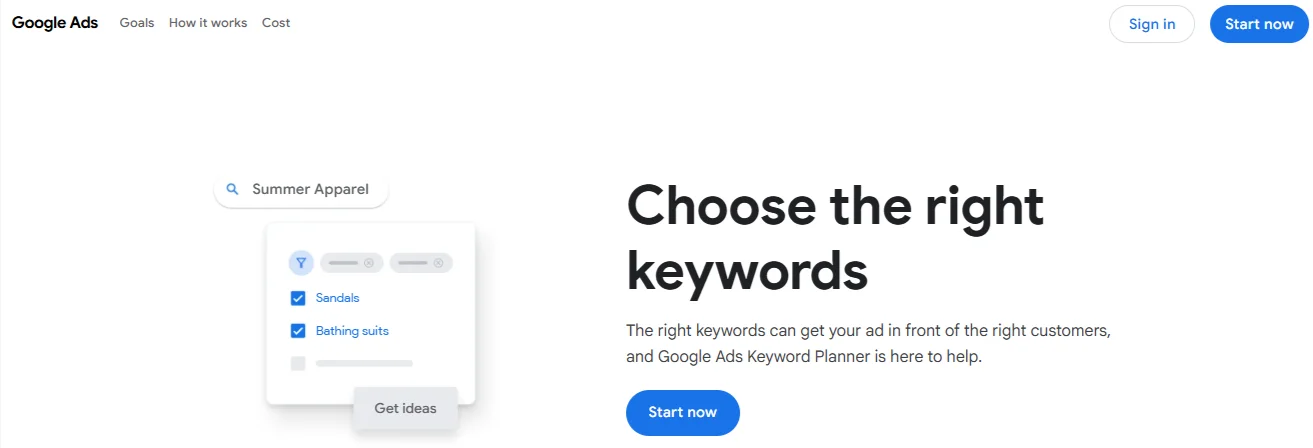
Primary use case: Validating blog topic demand before writing.
How bloggers use it effectively: Bloggers use Google Keyword Planner to check whether people are actually searching for a topic. Before investing time in writing a long blog, this tool helps confirm that the topic has real search interest.
Practical blogging workflow: You start with a broad topic, enter it into the tool, and review related keyword ideas. If search volume exists, you refine the topic and proceed confidently.
Traffic benefit:
- Prevents writing blogs with zero search demand
- Helps prioritize topics with consistent interest
- Supports SEO-friendly content planning
2. Ahrefs Keywords Explorer

Primary use case: Finding keywords that your blog can realistically rank for.
How bloggers use it effectively: Ahrefs helps bloggers understand ranking difficulty, not just search volume. Bloggers analyze competitor pages already ranking and decide whether to target the keyword or choose a variation.
Practical blogging workflow: You check keyword difficulty, analyze top-ranking pages, and identify content gaps. Then you write a more detailed or better-structured blog.
Traffic benefit:
- Avoids targeting overly competitive keywords
- Helps capture steady, long-term organic traffic
- Improves ranking success rate
3. SEMrush Keyword Magic Tool

Primary use case: Building content clusters and topic authority.
How bloggers use it effectively: Bloggers use SEMrush to group keywords by intent. This helps create one main pillar blog supported by multiple related articles.
Practical blogging workflow: You create one main blog and several supporting blogs targeting related subtopics, all internally linked.
Traffic benefit:
- Improves topical authority
- Increases chances of ranking multiple pages
- Strengthens internal linking structure
4. BuzzSumo

Primary use case: Finding high-engagement content ideas.
How bloggers use it effectively: Bloggers analyze which articles get shared the most and identify patterns like list posts, guides, or tutorials.
Practical blogging workflow: You find a high-performing topic and create a more detailed, updated, or better-structured version.
Traffic benefit:
- Increases social traffic potential
- Helps create share-worthy content
- Reduces content failure risk
5. AnswerThePublic

Primary use case: Understanding real user questions.
How bloggers use it effectively: Bloggers use this tool to build blogs around exact questions users ask. This improves relevance and search intent matching.
Practical blogging workflow: You turn questions into headings and subheadings, creating highly structured content.
Traffic benefit:
- Improves chances of featured snippets
- Increases time on page
- Matches informational search intent
6. Google Trends

Primary use case: Publishing content at the right time.
How bloggers use it effectively: Bloggers track seasonal interest and rising topics to publish when demand is growing.
Practical blogging workflow: You schedule content around peak interest periods instead of publishing randomly.
Traffic benefit:
- Captures trending search traffic
- Improves content timing
- Avoids outdated topics
7. Grammarly

Primary use case: Improving writing quality and trust.
How bloggers use it effectively: Bloggers run drafts through Grammarly to remove errors and improve tone.
Traffic benefit:
- Reduces bounce rate
- Improves readability
- Builds reader trust
8. Hemingway Editor
Primary use case: Making content easy to read.
How bloggers use it effectively: Bloggers simplify complex sentences and avoid unnecessary jargon.
Traffic benefit:
- Improves engagement
- Keeps users reading longer
- Supports beginner-friendly blogs
9. Jasper AI
Primary use case: Speeding up content production.
How bloggers use it effectively: Bloggers generate outlines or first drafts and then refine manually.
Traffic benefit:
- Faster publishing
- Consistent content output
- Better content scalability
10. Surfer SEO

Primary use case: Data-driven content optimization.
How bloggers use it effectively: Bloggers optimize existing blogs based on ranking page analysis.
Traffic benefit:
- Improves ranking potential
- Enhances content relevance
- Supports SEO refresh strategy
11. Yoast SEO
Primary use case: Basic on-page SEO control.
How bloggers use it effectively: Bloggers optimize titles, descriptions, and readability directly inside WordPress.
Traffic benefit:
- Improves CTR
- Enhances on-page SEO
- Prevents SEO mistakes
12. Rank Math

Primary use case: Advanced SEO optimization.
How bloggers use it effectively: Bloggers manage schema, keywords, and SEO settings in one dashboard.
Traffic benefit:
- Improves rich result visibility
- Strengthens technical SEO
- Supports growing blogs
13. Hootsuite

Primary use case: Consistent content promotion.
Traffic benefit:
- Drives recurring social traffic
- Maintains brand visibility
- Saves time
14. Buffer
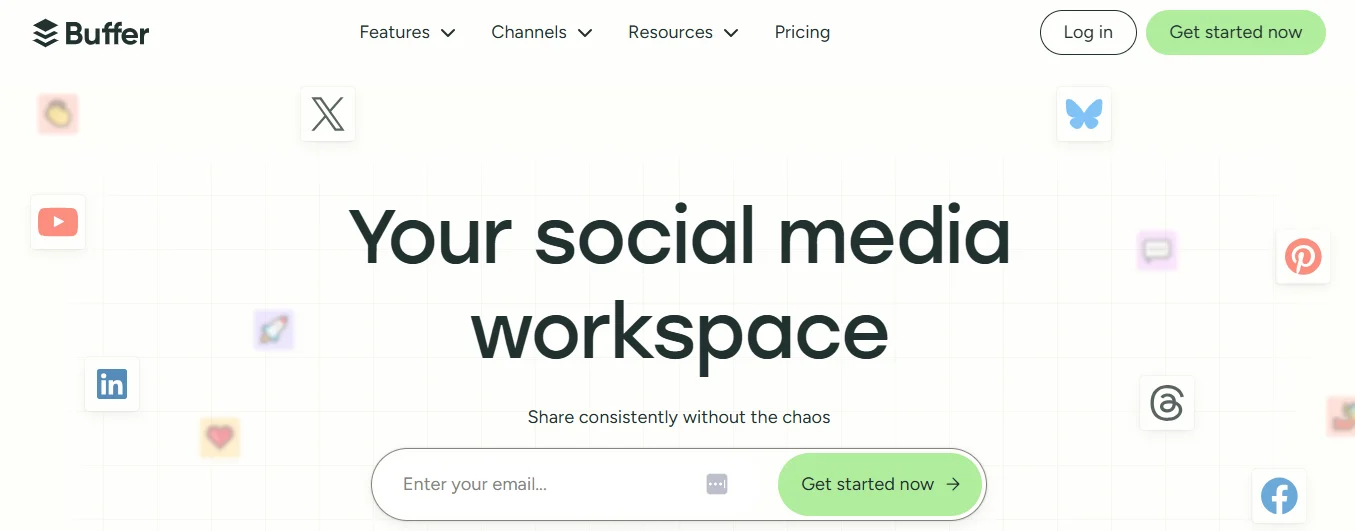
Primary use case: Simple social sharing.
Traffic benefit:
- Keeps content active
- Increases reach
- Supports solo bloggers
15. Mailchimp

Primary use case: Building repeat traffic.
Traffic benefit:
- Drives loyal readership
- Increases return visitors
- Supports long-term growth
16. Google Analytics
Primary use case: Understanding user behavior.
Traffic benefit:
- Identifies top-performing content
- Improves content strategy
- Supports growth decisions
17. Google Search Console
Primary use case: Improving search visibility.
Traffic benefit:
- Fixes indexing issues
- Improves CTR
- Enhances SEO performance
18. Hotjar

Primary use case: Improving content UX.
Traffic benefit:
- Reduces bounce rate
- Improves engagement
- Optimizes layout
19. Trello
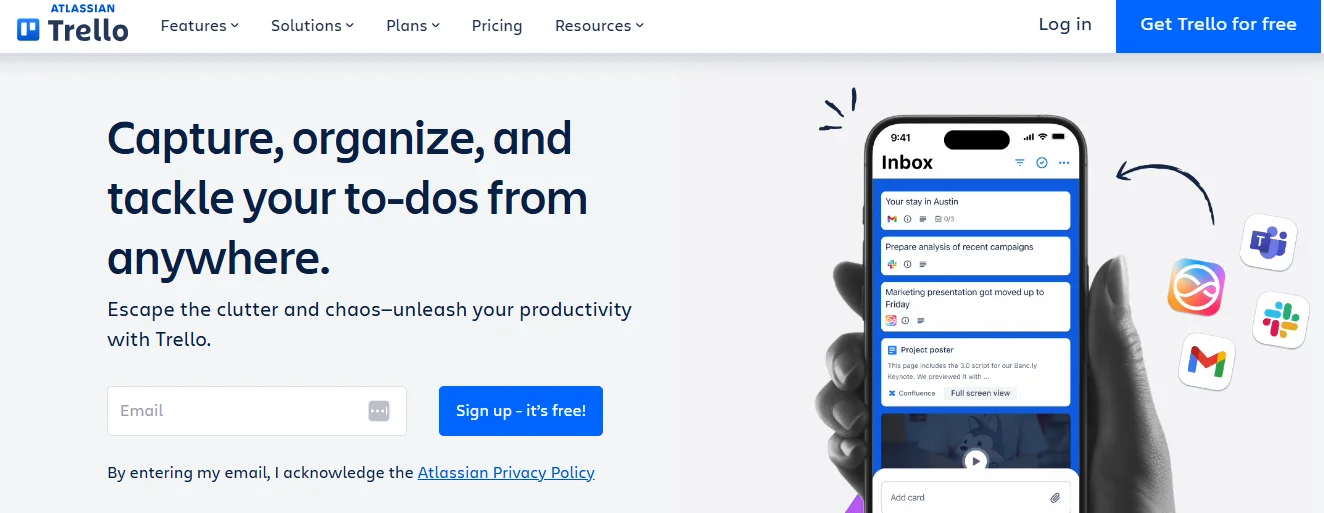
Primary use case: Managing content workflows.
Traffic benefit:
- Consistent publishing
- Better planning
- Improved execution
20. Notion

Primary use case: Central content system.
Traffic benefit:
- Organized content strategy
- Faster execution
- Long-term scalability
Comparison Table
| Tool Name | Category | Best For | Primary Use Case | Skill Level | How It Helps Increase Blog Traffic | |
| 1 | Google Keyword Planner | Keyword Research | Topic validation | Checking if people search for a topic | Beginner | Prevents writing content with zero search demand |
| 2 | Ahrefs Keywords Explorer | Keyword Research | Competitive SEO | Finding rankable keywords | Advanced | Targets keywords with realistic ranking potential |
| 3 | SEMrush Keyword Magic Tool | Keyword Research | Content clusters | Building keyword groups by intent | Intermediate | Improves topical authority and internal linking |
| 4 | BuzzSumo | Content Research | Viral ideas | Finding high-engagement content | Beginner | Increases social shares and referral traffic |
| 5 | AnswerThePublic | Content Ideation | User intent | Discovering real search questions | Beginner | Improves relevance and featured snippet chances |
| 6 | Google Trends | Content Research | Trend content | Identifying rising and seasonal topics | Beginner | Captures traffic during peak interest |
| 7 | Grammarly | Writing & Editing | Content quality | Grammar and clarity improvement | Beginner | Reduces bounce rate and builds reader trust |
| 8 | Hemingway Editor | Writing & Editing | Readability | Simplifying complex writing | Beginner | Keeps readers engaged longer |
| 9 | Jasper AI | Writing Assistance | Content scaling | Drafting and idea generation | Intermediate | Enables faster publishing and consistency |
| 10 | Surfer SEO | SEO Optimization | On-page SEO | Data-driven content optimization | Advanced | Improves rankings by matching SERP patterns |
| 11 | Yoast SEO | SEO Optimization | WordPress SEO | Basic on-page optimization | Beginner | Improves CTR and search visibility |
| 12 | Rank Math | SEO Optimization | Advanced SEO | Schema and keyword tracking | Intermediate | Enhances rich results and technical SEO |
| 13 | Hootsuite | Content Promotion | Social distribution | Scheduling social content | Intermediate | Drives consistent social traffic |
| 14 | Buffer | Content Promotion | Simple promotion | Easy social media scheduling | Beginner | Maintains steady post visibility |
| 15 | Mailchimp | Content Promotion | Email marketing | Newsletter and blog promotion | Beginner | Builds repeat and loyal traffic |
| 16 | Google Analytics | Analytics | Performance tracking | Understanding user behavior | Intermediate | Identifies top-performing content |
| 17 | Google Search Console | Analytics | Search visibility | Tracking impressions and clicks | Intermediate | Improves rankings and click-through rates |
| 18 | Hotjar | Analytics | UX improvement | Heatmaps and recordings | Advanced | Reduces bounce rate through better UX |
| 19 | Trello | Productivity | Content planning | Managing content calendars | Beginner | Improves consistency and publishing discipline |
| 20 | Notion | Content Management | Central workspace | Content planning and documentation | Intermediate | Speeds execution and long-term scaling |
How to Choose the Right Content Tools for Your Blog
Choosing the right tools depends on your goals and workflow. Not every blogger needs all tools.
Key factors to consider:
- Your blogging goals
- Budget and scalability
- Ease of use
- Integration with existing tools
Start small and add tools as your blog grows.
Common Mistakes Bloggers Make When Using Content Tools
Many bloggers use tools incorrectly or without strategy.
Common mistakes include:
- Using too many tools at once
- Relying only on automation
- Ignoring data and insights
- Not reviewing performance regularly
Tools work best when combined with thoughtful strategy.
Final Thoughts
Content tools are powerful, but they are only effective when used consistently and strategically. Focus on understanding your audience, creating helpful content, optimizing for search, and measuring results. Over time, these tools will help you build steady, long-term blog traffic and improve content quality without unnecessary effort.

Passionate about blogging and focused on elevating brand visibility through strategic SEO and digital marketing. Always tuned in to the latest trends, I’m dedicated to maximizing engagement and delivering measurable ROI in the dynamic world of digital marketing. Let’s connect and unlock new opportunities together!