

In the complex world of B2B marketing, generating qualified leads swiftly and effectively is a top priority. Many marketers turn to Google Ads due to its potential for providing a quick return on investment (ROI). However, with multi-channel marketing evolving, focusing your time and budget on the most impactful strategies is essential.
This blog will guide you through creating B2B Google Ads campaigns that convert leads successfully. You’ll learn how to align your campaigns with key buyer intent stages in the sales funnel, target the right keywords, optimize bidding strategies, and track campaign success effectively. By the end, you will have a clear understanding of how to harness Google Ads for sustainable B2B growth.
Why Google Ads Is Essential for B2B Lead Generation
Google Ads provides unique advantages for B2B marketers aiming to generate leads:
- Control Growth Pace: You decide how much to spend and can scale campaigns up or down based on performance.
- Faster Launch: Google Ads campaigns can be launched quickly with a single landing page, unlike some other channels that require more infrastructure.
- Target High Purchase Intent Keywords: Google Ads allows targeting of keywords that indicate strong buying intent, delivering higher-quality leads.
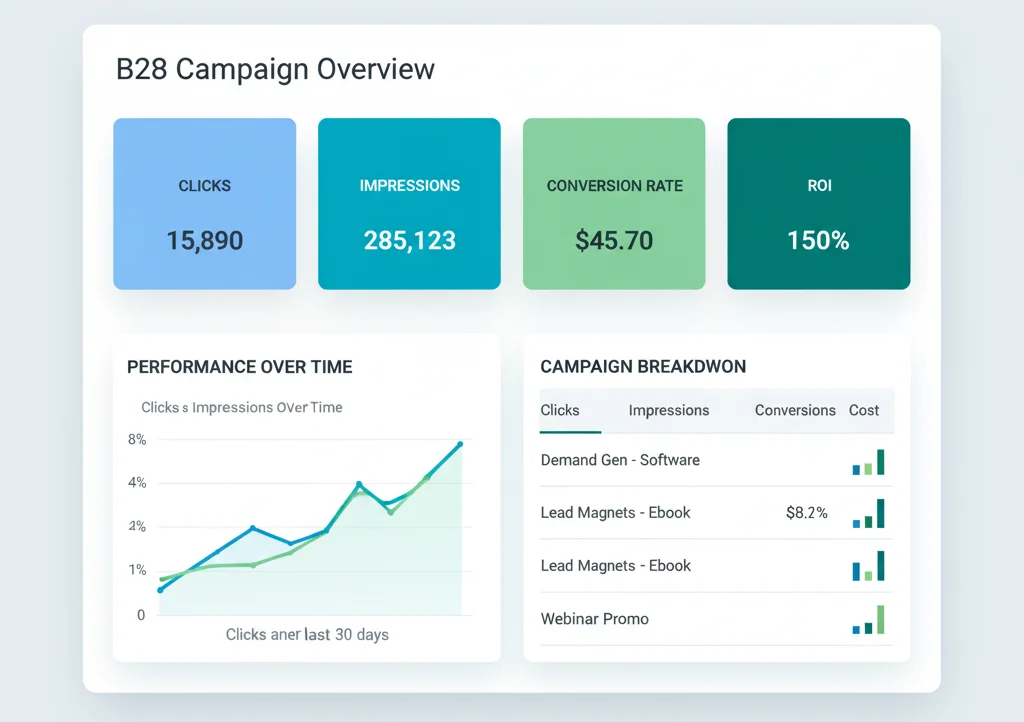
- Proven Conversion Rate: The average conversion rate for B2B Google Ads campaigns is around 3.75%, pointing to their effectiveness when optimized well.
Google Ads also lets you integrate your campaigns with other channels (SEO, email marketing, social media), supporting a comprehensive multichannel approach.
Understanding and leveraging purchase intent keywords—keywords that indicate where a buyer is on their journey—enables smarter targeting and better ROI.
Understanding Your B2B Sales Funnel
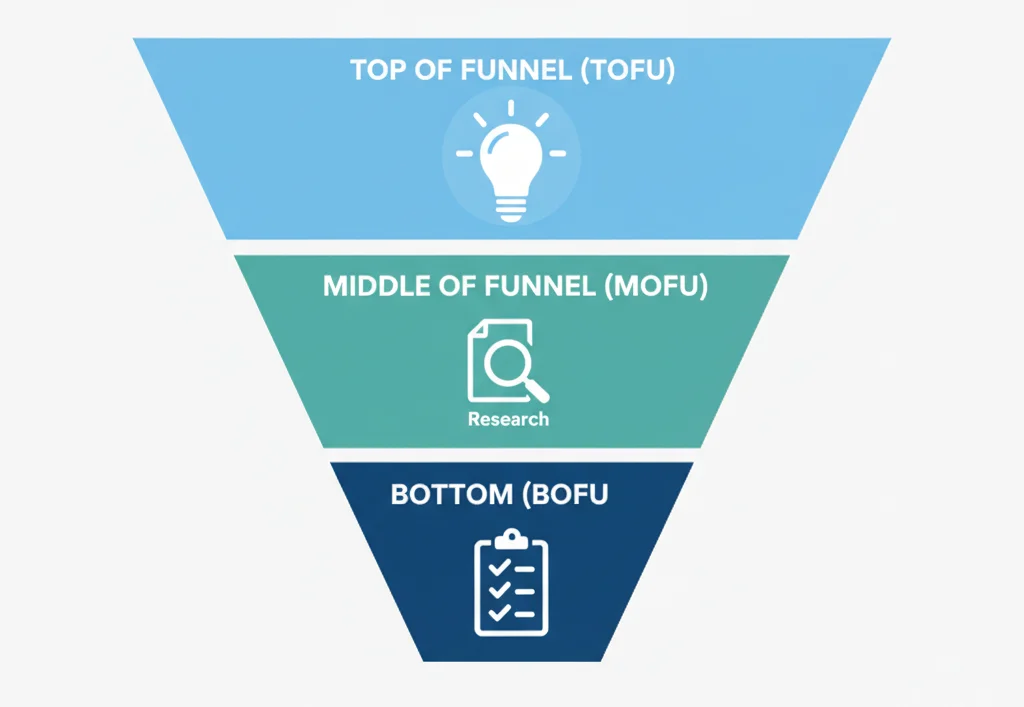
A sales funnel helps visualize potential customers as they progress from awareness to purchase:
- Top of Funnel (TOFU): Awareness stage where prospects recognize a problem but are seeking information.
- Middle of Funnel (MOFU): Consideration stage where prospects research solutions and compare options.
- Bottom of Funnel (BOFU): Decision stage where prospects evaluate final options and prepare to purchase.
Aligning your Google Ads campaigns with these funnel stages ensures you target prospects with the right message at the right time.
Budget distribution should consider funnel stage importance; TOFU might require broader reach with education-focused spend, while BOFU focuses on conversion-driven budgets.
Top-of-Funnel (TOFU) Google Ads Strategy
Campaign Objectives and Goals
TOFU campaigns aim to generate awareness and demand while introducing your brand without pushing a hard sell. The goal often includes building an audience for future retargeting.
Keyword Strategy for TOFU
TOFU keywords tend to be educational and informational, such as:
- “What is X”
- “X definition”
Example: “What is an AI chatbot”
Ad Copy Approach
- Use non-pushy, educational language
- Focus on providing value and answering questions
- Avoid direct sales messages to build trust
Landing Page Optimization
- Informative, long-form content
- Lead magnets like free guides for email capture
- Setup for micro-conversions such as page engagement tracking
Bid Strategy Recommendations
- Enhanced Cost Per Click (ECPC) for a balance of control and automation
- Impression share targeting for brand awareness campaigns
Retargeting Setup
- Build audience lists from TOFU visitors (minimum 1,000)
- Use these audiences to inform MOFU campaigns
Also Read: Amazon Advanced SEO: 7 Ways To Improve Your Product’s Search Rankings
Middle-of-Funnel (MOFU) Google Ads Strategy
Campaign Objectives
MOFU campaigns nurture warm leads by providing more detailed information to help in decision-making.
Keyword Strategy for MOFU
Keywords are research-focused and solution-oriented, like:
- “How to set up an AI chatbot”
- Product comparisons
Ad Copy Approach
- Soft-sell tone focusing on benefits and differentiators
- Address pain points and highlight reasons to choose your solution
Landing Page Optimization
- Technical guides and tutorials
- Product comparison content
- Case studies and testimonials
- Downloadable resources such as eBooks
Bid Strategy Recommendations
- ECPC
- Target Impression Share
- Maximize Clicks for automated bidding
Audience Layering and Retargeting
- Utilize audiences from TOFU campaigns and website visitors
- Increase bids for brand-aware users to maintain visibility
- Layer audiences to prepare for BOFU campaigns
Bottom-of-Funnel (BOFU) Google Ads Strategy
Campaign Objectives
BOFU campaigns are focused on conversion — booking demos, sales inquiries, or purchases.
Keyword Strategy for BOFU
Keywords demonstrate strong purchase intent:
- Branded terms
- Specific service or solution keywords (e.g., “AI chatbot for customer service”)
- Pricing or purchase-related queries
Ad Copy Approach
- Use clear, compelling calls to action (CTAs)
- Build urgency and emphasize offers or promotions
- Include trust signals and highlight product value
Landing Page Optimization
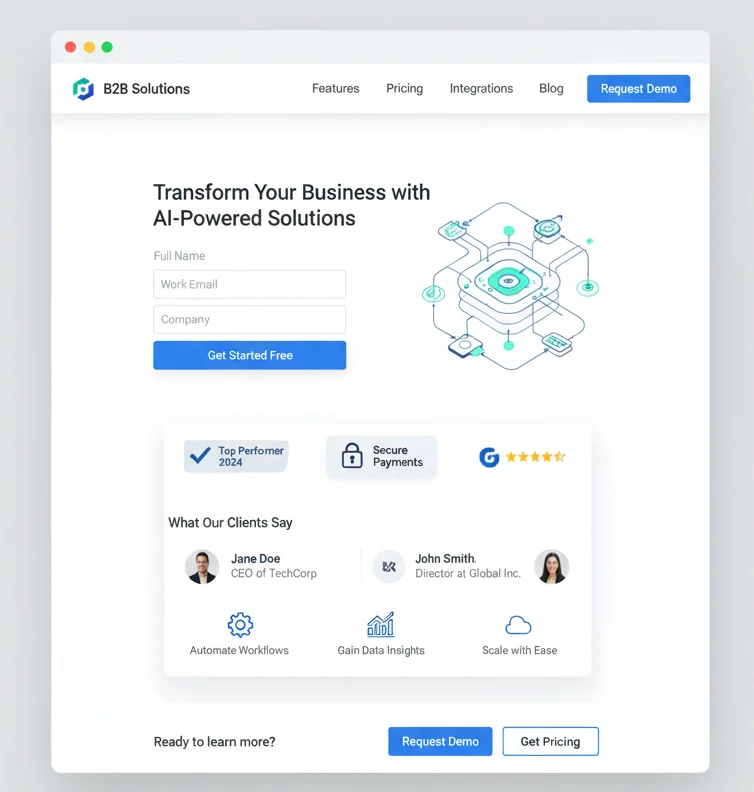
- Conversion-focused design with easy-to-fill lead forms
- Pricing transparency and demo booking options
- Trust indicators such as testimonials and case studies
Bid Strategy Recommendations
- Maximize Conversions bidding strategy
- Cost Per Acquisition (CPA) bidding where applicable
Retargeting and Remarketing
- Retarget visitors who didn’t convert with display and remarketing campaigns
- Expand retargeting cross-channel, including LinkedIn and Facebook
- Use win-back campaigns for lapsed prospects
Building Your B2B Google Ads Campaign Structure
Account Hierarchy
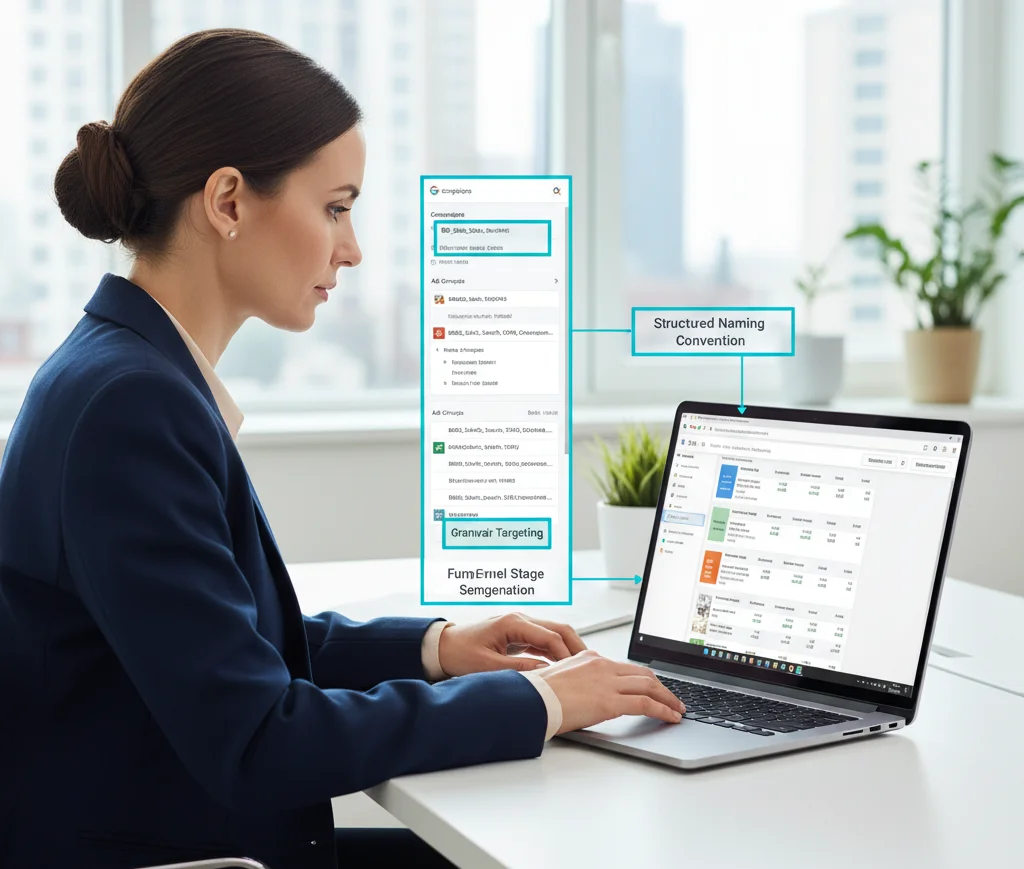
- Organize campaigns by intent and business objective
- Segment by product or service line
- Use clear and consistent campaign naming conventions
Campaign Structure Options
- Funnel stage-based structure (TOFU, MOFU, BOFU)
- Product or service-specific segmentation
- Geographic or industry-specific targeting
Ad Group Organization
- Theme tightly grouped keywords per ad group
- Limit to 10-15 keywords per ad group
- Align ad copy and landing page content per group
Keyword Match Types
- Use Exact match for core campaigns targeting high intent
- Phrase match for broader reach
- Broad match combined with smart bidding for discovery
Budget Allocation
- Distribute budget based on funnel importance and goals
- Example: 60-70% prospecting (TOFU and MOFU), 30-40% conversion (BOFU)
- Adjust based on campaign performance and ROI
Targeting and Audience Layering for B2B Success
High-Intent Audiences
- In-market and custom intent audiences
- Lookalike audiences based on CRM or website data
Account-Based Marketing (ABM)
- Target specific companies and decision-makers by geography and industry
- Behavioral targeting to refine prospects
Remarketing Strategies
- Website visitor retargeting
- Customer match using email lists
- Dynamic retargeting for personalized ads
- Time-based retargeting buckets (7, 30, 90 days)
Avoiding Wasted Spend
- Implement a negative keyword strategy
- Exclude competitor audiences and internal traffic by IP address
Ad Copy and Creative Best Practices for B2B
Headline Structure
- Focus on benefits and solving problems
- Use credibility and trust-building elements
Ad Extensions
- Call extensions for immediate contact
- Location extensions for local presence
- Lead form extensions for easy conversions
- Sitelink extensions for pricing, demos, and resources
Testing and Optimization
- Conduct A/B testing on headlines, descriptions, and CTAs
- Refresh ads seasonally or with promotions
Landing Page Optimization for Lead Conversion
Alignment
- Ensure messaging matches ad copy and keyword intent
- Consistent calls to action (CTAs)
- Relevance to improve Quality Score
TOFU Pages
- Focused on education and awareness
- Gated content to capture leads
MOFU Pages
- Detailed guides and comparisons
- Moderate friction forms for lead capture
BOFU Pages
- Clear product benefits and pricing
- Demo or contact forms with minimal friction
- Trust signals such as testimonials and awards
Conversion Rate Optimization (CRO) Tips
- Mobile responsiveness
- Fast loading times
- Clear visual hierarchy with focused CTAs
- Minimized distractions or excessive navigation
Measuring Success and Optimization
Key Metrics
- Conversion rate (benchmark ~3.75%)
- Cost Per Lead (CPL)
- Quality Score
- Click-through Rate (CTR) by funnel stage
- Return on Ad Spend (ROAS)
Tracking and Attribution
- Set up conversion tracking and UTM parameters
- Link with CRM for revenue attribution
- Use multi-touch attribution models for accuracy
Optimization Tasks
- Adjust bids regularly
- Review keyword performance
- Add negative keywords continuously
- Refresh ad copy
Reporting and Analysis
- Conduct monthly campaign reviews
- Analyze funnel-stage performance
- Identify underperforming segments
- Scale winning tactics
Common B2B Google Ads Mistakes to Avoid
- Misaligned campaigns with funnel stages
- Using generic, low-intent keywords
- Poor landing page relevance
- Overly aggressive sales at TOFU stage
- Ignoring retargeting potential
- Disorganized account structure
- Insufficient conversion tracking
- One-size-fits-all landing pages
- Lack of bid strategy testing
Creating Your Action Plan
Step-by-Step Implementation
- Conduct keyword research aligned to funnel stages
- Set up campaigns grouped by TOFU, MOFU, and BOFU
- Develop corresponding landing pages with tailored messaging
- Implement conversion tracking
- Allocate budget based on funnel priorities
- Launch and monitor campaigns
30-Day Optimization Checklist
- Monitor daily spend and key metrics
- Weekly performance reviews and adjustments
- Address poor-performing keywords or ads
Long-Term Strategy
- Quarterly audit of account structure
- Scale campaigns with proven ROI
- Test new keywords, audiences, and creative regularly
Conclusion
Creating B2B Google Ads campaigns that effectively convert leads requires aligning your marketing strategy with the buyer’s journey. By targeting the right keywords and crafting specific messages for each funnel stage, you can build campaigns that generate high-quality leads and sustain long-term growth.

Passionate about blogging and focused on elevating brand visibility through strategic SEO and digital marketing. Always tuned in to the latest trends, I’m dedicated to maximizing engagement and delivering measurable ROI in the dynamic world of digital marketing. Let’s connect and unlock new opportunities together!