

For years, SEO was mostly about keywords, links, and technical tweaks. That world is changing fast. With new search experiences increasingly summarizing answers instead of just listing blue links, visibility is shifting from “Can we rank this page?” to “Is our brand trusted and mentioned enough to be included in the answer?”
You’re no longer only competing for classic organic positions. You’re competing for presence inside these new answer experiences—where search tools rely heavily on authority signals, brand mentions, and recognizable names to decide which companies to highlight.
That’s why cultivating consistent, high-quality brand mentions is now a core SEO strategy, not a side activity.
Interestingly, this direction is backed by years of marketing research. Publications like the Journal of Product and Brand Management have long shown that strong brands earn more consideration, more trust, and more word‑of‑mouth. Today, those same brand dynamics are increasingly influencing how modern search experiences choose which brands to recommend.
In this article, you’ll learn:
• Why brand mentions have become a ranking signal in modern search
• How to build a strategy that grows your brand name at scale
• Practical tactics to earn natural mentions across the web and offline
• How to borrow ideas from brand management research and apply them to SEO
• How to measure your progress—including how your brand shows up in “brand name AI” style queries
Let’s start with the foundation: why mentions matter so much now.
1. From Links To Brands: What’s Really Changed In Search
1.1 The shift from pages to entities
Traditional search focused on ranking individual pages. Newer search experiences are more “entity‑centric”: they care about brands, products, and people as recognizable entities with reputations.
When someone searches for:
• “best project management tools for agencies”
• “trusted legal CRM for mid‑sized firms”
• “what is the most reliable [product type]?”
The answer experience is more likely to:
• Summarize the options
• Pull in well‑known brand names
• Reference brands that are mentioned frequently and positively across trusted sources
If your brand is consistently mentioned in authoritative contexts, you’re far more likely to show up in these summarized recommendations. If it isn’t, no amount of on‑page keyword stuffing will fix that.
1.2 Why brand mentions are a trust shortcut
Search engines and answer engines can’t personally test every product or service. Instead, they infer trust by looking at:
• How often a brand is mentioned
• Where it’s mentioned (quality, authority, relevance)
• In what context (positive, neutral, negative)
Research in the Journal of Product and Brand Management has repeatedly found that:
• Brands with stronger awareness and reputation get more consideration
• Brand equity drives perceived quality and reduces perceived risk
• Word‑of‑mouth and references in credible sources strongly affect purchase intent
Today, that same dynamic plays out in modern search: high‑quality brand mentions act as a reputation shortcut.
Also Read: BCG Matrix of Jet Airways [2025 Analysis]
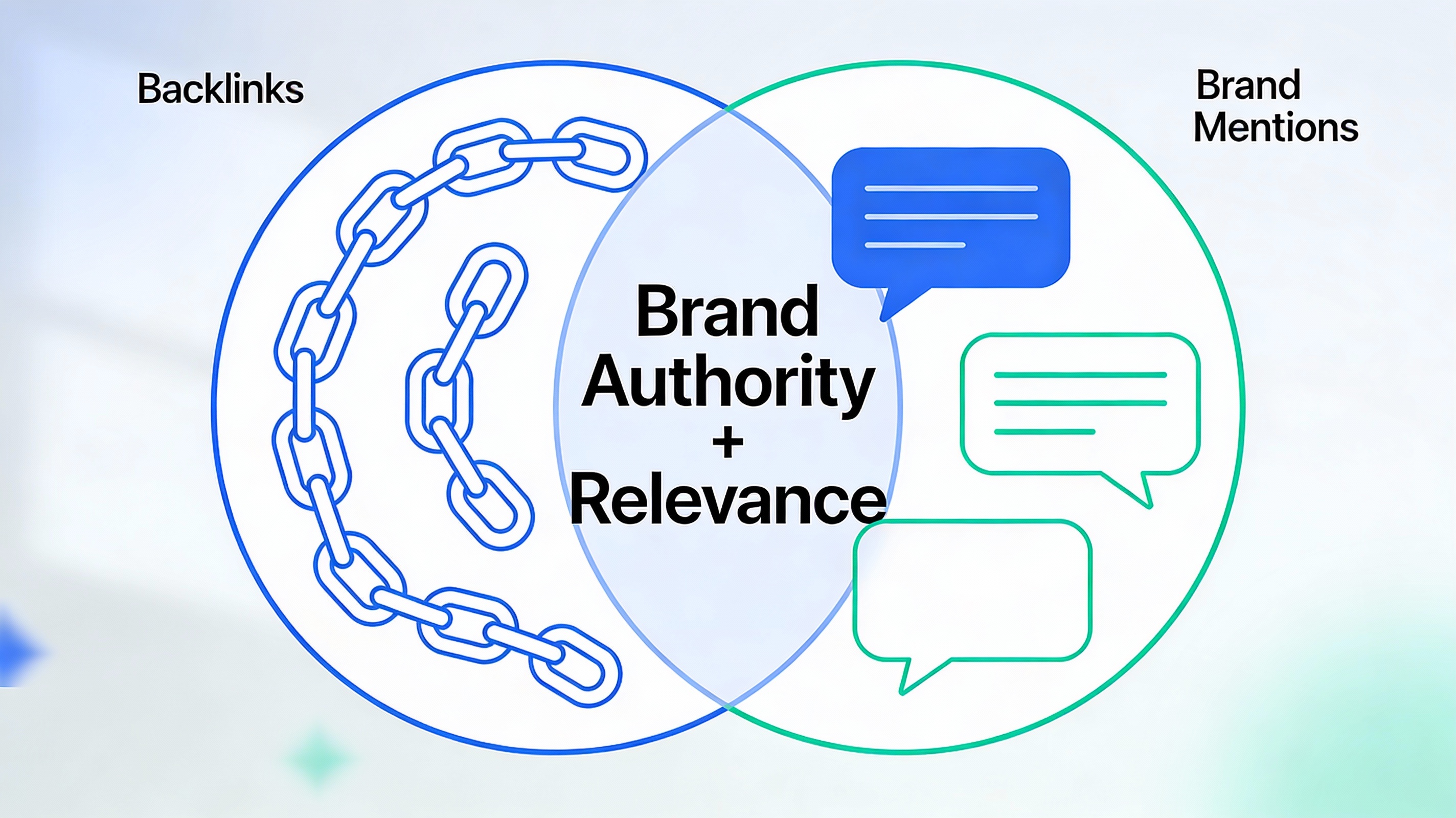
1.3 Brand mentions vs backlinks
A brand mention is any reference to your brand, with or without a link.
Examples:
• “We compared [YourBrand] and [Competitor] for our onboarding process.”
• “This study, conducted with [YourBrand], shows…”
• “Tools like [YourBrand] help automate reporting.”
Yes, links still matter for SEO. But in an environment where search tools synthesize answers from multiple sources, plain-text mentions are powerful signals of:
• Popularity
• Relevance to a topic
• Inclusion in “the conversation” within your niche
In other words: links help pages rank; brand mentions help brands get recommended. You need both.
2. Before You Chase Mentions: Make Your Brand Mention‑Worthy
2.1 You can’t PR your way out of a weak offer
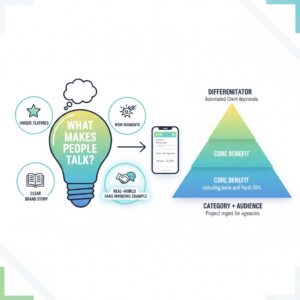
The most effective way to increase brand mentions is to give people something genuinely worth talking about. If your product, service, or content is average, no amount of outreach will create sustained buzz.
Ask honestly:
• What is the one thing we do that nobody else does this well?
• What “wow moments” do we create for users or customers?
• What would make someone say, “You’ve got to try this”?
Real‑world example:
A small invoicing SaaS realized most freelancers hated negotiating late payments. They added a friendly, legally tested late‑fee clause generator and automated reminders at no extra cost. Users started tweeting and blogging about that specific feature. Mentions grew organically, and the brand began appearing in recommendations for “best invoicing tools for freelancers” in multiple guides and comparison posts.
2.2 Build a clear, repeatable brand story
Brand management research emphasizes the power of a consistent, memorable brand narrative. If people don’t know how to describe you, they won’t mention you clearly—or at all.
Clarify:
• Category: “We are a [type of solution] for [specific audience].”
• Core benefit: “We help them achieve [main result] faster/better/easier.”
• Differentiator: “Unlike others, we [unique angle or proof].”
Example brand story:
“We’re a project management platform for boutique agencies, built to reduce client back‑and‑forth by 50% through structured client collaboration features.”
Once that story is clear, it’s easier for:
• Journalists to position you accurately
• Bloggers to reference you in roundups
• Customers to explain you to others
2.3 Improve your “mention assets”
Make it easy for people to talk about you correctly:
• A clear “About” page with your brand name, tagline, and positioning
• A press/media page with:
– Short and long brand descriptions
– Correct logo files and usage guidelines
– Founders’ bios and headshots
• A page summarizing your key stats, case studies, awards, and social proof
This isn’t just vanity. It ensures that when you earn mentions, they:
• Use your correct brand name (important for “brand name AI” recognition)
• Associate you with the topics and benefits you actually want to own
3. Finding Where Brand Mentions Already Happen (And Where They Could)
3.1 Go beyond backlink tools
Backlink tools are great, but they only show linked mentions—and often include a lot of low‑quality sites. For brand mention strategy, you care about:
• Any unlinked mentions of your brand
• High‑quality sites that mention competitors but not you
• Topic hubs where your audience already spends time
Use search operators to uncover these.
3.2 Search operators for brand and link mentions
Start with your competitors. If they’re being mentioned in places you’re not, that’s your roadmap.
Example: Find competitor bookmark/resource pages
CompetitorDomain.com site:.com “bookmarks” -site:CompetitorDomain.com
CompetitorDomain.com site:.com “resources” -site:CompetitorDomain.com
Repeat for different TLDs:
CompetitorDomain.com site:.net “resources”
CompetitorDomain.com site:.org “resources”
CompetitorDomain.com site:.edu “links”
CompetitorDomain.com site:.ai “resources”
You’re looking for:
• Resource pages that list tools or vendors
• Niche directories
• Industry association pages
These are all natural places to be mentioned alongside competitors.
3.3 Finding brand mentions by company name
Search for mentions of your own or competitors’ brand names by segmenting TLDs:
“CompetitorBrandName” site:.com -site:CompetitorDomain.com
“CompetitorBrandName” site:.org
“CompetitorBrandName” site:.edu
“CompetitorBrandName” site:.io
“CompetitorBrandName” site:.reddit.com
This shows:
• Who already trusts and talks about them
• What formats they appear in (blog posts, reports, newsletters, PDFs)
• Which communities or sectors treat them as a go‑to brand
Then repeat for your own brand name to see where you might:
• Strengthen existing relationships
• Request corrections, updates, or deeper coverage
• Turn passing references into fuller case studies or guest content
3.4 Unlinked brand mentions
Use tools or manual searches to find your brand mentioned without links. These are opportunities to:
• Thank the author
• Offer an update or helpful resource
• Suggest turning it into a more detailed mention, interview, or mini case study
Even if you don’t gain a link, deepening the mention and context strengthens your reputation signal around target topics.
4. Strategic Channels To Grow Brand Mentions
4.1 High‑authority sponsored content (done the right way)
Sponsored articles and sponsored posts can be powerful for brand mentions when:
• They’re clearly labeled and compliant with guidelines
• Links are nofollow or appropriately tagged
• Content is genuinely useful, not a sales brochure
These still get:
• Indexed in search
• Surfaced in answer experiences
• Read and shared by real people
Search for opportunities using:
[Your product/service/problem] site:.com “sponsored article”
[Your product/service/problem] site:.org “sponsored post”
[Your niche] site:.io “sponsored article”
Then try competitor‑focused searches:
“CompetitorBrandName” site:.com “sponsored post”
“CompetitorBrandName” site:.org “sponsored article”
You’ll see where others are already investing. Focus your budget on:
• Publications your ideal audience already trusts
• Contexts where your brand is a natural, credible fit
4.2 Guest content that builds thought leadership
Instead of chasing any blog willing to publish you, aim for:
• Industry associations
• Niche media sites
• Well‑known community blogs or newsletters
• Academic‑industry crossover platforms
Look for topics that align with your positioning. For example, if you’re in brand strategy, you might pitch a piece that bridges research and practice, such as:
• “What The Journal of Product and Brand Management Can Teach SaaS Founders About Brand Loyalty”
• “How Brand Equity Research Explains Why Some B2B Tools Dominate Rankings”
This type of content can:
• Attract links and mentions from other professionals
• Position your brand as research‑informed and trustworthy
• Give answer engines a strong reason to associate your brand with the topic
4.3 Earned media and PR
Classic PR is still one of the strongest brand mention engines. Focus on:
• Data‑driven stories (original research, industry benchmarks)
• Contrarian takes backed by evidence
• Customer stories that illustrate wider trends
Examples:
• A cybersecurity firm publishes an annual “small business breach report.”
• A DTC brand releases anonymized customer behavior data that reveals new patterns.
Journalists, bloggers, and podcasters love credible, differentiated angles like these—and will often mention your brand when citing the story.
4.4 Community‑driven mentions
Community mentions are incredibly powerful for modern search, especially in:
• Niche forums
• Slack/Discord groups (even if they’re not fully public, they can inspire public content)
• Social platforms used as Q&A hubs (e.g., Reddit, LinkedIn posts, specialist communities)
You can encourage organic mentions by:
• Providing a genuinely standout experience that people want to share
• Giving your users shareable resources: templates, frameworks, or checklists
• Rewarding community members who create reviews, tutorials, or comparison content
Never astroturf or fake reviews—it’s risky reputationally and technically. Instead, make your product and support so strong that real users feel compelled to talk about you.
5. Offline Brand Building That Still Influences Online Mentions
5.1 Print, PDF, and gated content
A lot of important influence still happens off the public web:
• Trade magazines (print and digital)
• Industry newsletters in PDF form
• Gated member content for associations
Even when these don’t include direct links, they:
• Shape what people later search for
• Influence which brands get cited in public articles and guides
• Build top‑of‑mind awareness that eventually spills into online mentions
Use search operators to find such opportunities:
[Your niche or solution] filetype:pdf site:.org newsletter
[Your topic] filetype:pdf site:.com magazine
[Your industry] filetype:pdf site:.edu report
Pitch:
• Expert columns
• Q&A features
• Short practical guides featuring your brand’s unique point of view
5.2 Conferences and speaking engagements
Conferences are still a rich source of brand mentions because they often lead to:
• Speaker recap blog posts
• Slide decks uploaded and cited
• Roundup articles featuring “top talks” or “key takeaways”
If your founder or subject‑matter experts can speak at events, make sure:
• The talk’s topic aligns with your core positioning
• Your slides clearly show your brand name and unique hook
• You provide attendees with a URL or resource they can share
Later, search for:
“YourName” conference
“YourBrand” “keynote”
Event name + “recap”
These are pages where your brand might already be mentioned—or where you can politely request that your brand be named correctly or linked.
5.3 Relationship‑driven content
Networking with:
• Journal editors
• Association content managers
• Influential practitioners in your niche
…can lead to:
• Joint articles
• Interviews
• Inclusion in industry overview pieces
This is slow, relationship‑based work, but it tends to generate extremely high‑value brand mentions—the kind that answer engines and human buyers both trust.
6. Quality Over Quantity: Not Every Mention Helps
6.1 Why authority matters more than volume
Spreading your brand across hundreds of low‑quality blogs may inflate vanity metrics but won’t move the needle where it counts.
You’re aiming to be mentioned on sites that are:
• Trusted by your actual target audience
• Known for quality and expertise
• Cited by other trusted sources
Think in human terms, not just domain metrics:
• Would I be proud to show this mention to a potential customer?
• Would someone in my niche recognize and trust this publication?
6.2 Context is crucial
A brand mention inside thin, low‑value content is weak. A mention inside a genuinely helpful, in‑depth resource is strong.
For example:
Weak:
“…and tools like [Brand] exist.” (no explanation, no context)
Strong:
“In our tests across 17 agencies, [Brand] reduced project turnaround by 23% compared to [Competitor] due to its built‑in client feedback workflows.”
The stronger the context around your brand, the clearer the association in both human memory and algorithmic evaluation.
6.3 Topical relevance
Aim for mentions in content that matches your topical focus. If you’re a legal tech solution, a mention on a random health blog won’t help much. But a mention in:
• A respected legal operations newsletter
• A law school’s practitioner guide
• A bar association’s technology report
…is extremely valuable.
7. Making Your Brand Easier To Recommend In Modern Search
7.1 Align your content with how people talk, not just how they search
People increasingly ask questions in natural language like:
• “What’s a reliable brand for [category] for small businesses?”
• “Which [type of tool] is best for beginners?”
Your content and positioning should mirror this language so that:
• Writers and reviewers naturally frame you in common question formats
• Search engines can associate your brand with those natural questions
7.2 Own specific “brand name AI” style prompts
Even though you’re not writing prompts yourself, you want your brand to be the natural answer when people ask for:
• “tools like [CompetitorBrand] but cheaper”
• “alternatives to [Well‑KnownBrand] for [specific audience]”
• “most trusted [category] brands for [industry]”
To support this, create content that:
• Directly compares you with major players (fairly and transparently)
• Highlights your strengths for clearly defined audiences
• Uses case studies that match real, specific use cases
Example:
“7 Alternatives To [Market Leader] For Mid‑Sized Marketing Teams (With Real‑World Case Studies)” where your own product is one of the featured solutions—but not the only one. This feels more credible and is more likely to be cited by others.
7.3 Leverage academic and practitioner research
Bringing credible research into your content significantly boosts perceived authority. Drawing from work in publications like the Journal of Product and Brand Management, you can:
• Explain how brand equity affects category dominance
• Tie your product’s design to known drivers of loyalty and trust
• Support your claims about consumer behavior or decision‑making
This depth makes your content more quotable, which, in turn, increases the odds that other writers will mention and reference your brand when they discuss these topics.
8. Measuring The Impact Of Brand Mentions
8.1 Track branded search and awareness
Indicators that your brand mention strategy is working:
• Branded search volume rising over time (“[YourBrand] pricing,” “[YourBrand] reviews”)
• More autocomplete variants around your brand name
• Your brand name beginning to appear in “vs” or “alternative to” searches
8.2 Monitor new mentions and their quality
Use monitoring tools plus manual searches to see:
• Where you’re being mentioned
• How you’re being described
• Whether the context matches your positioning
Prioritize:
• Deep, authoritative articles over superficial references
• Industry publications and association sites
• Long‑form guides and comparison pieces
8.3 Watch your presence in recommendation‑style content
Regularly check:
• “Best [category] for [audience]” articles
• Buyer’s guides and vendor lists
• Roundup posts and tool comparison charts
If you’re absent where your competitors are present, ask:
• What are they offering editors or communities that we aren’t?
• How can we bring a more valuable angle, data, or story to the table?
Conclusion
Modern search experiences reward brands that are:
• Widely recognized
• Frequently mentioned
• Positively associated with specific problems and solutions
Building that presence isn’t about gaming algorithms. It’s about:
• Creating a genuinely remarkable product or service
• Telling a clear, compelling brand story
• Showing up where your audience already learns and decides
• Earning mention‑worthy trust through consistent value
Brand management research—from sources such as the Journal of Product and Brand Management—has long shown that strong brands win more attention, more recommendations, and more loyalty. Today, those same dynamics shape how your brand appears in modern search rankings.
If you want to be recommended in answer‑style search experiences, you must first be recommended by people, publications, and communities. Focus your efforts there, and the algorithms tend to follow.
FAQs
Q1. What exactly counts as a brand mention?
A brand mention is any instance where your brand name is referenced, with or without a link. It could appear in blog posts, PDFs, newsletters, social posts, reports, resource pages, or comparison guides. Both linked and unlinked mentions can help build your brand’s authority and visibility.
Q2. Do brand mentions without links really help my visibility?
Yes. While links are valuable, unlinked mentions still signal that your brand is relevant and part of the conversation in a given topic or category. When these mentions occur on trusted, authoritative sites, they can contribute to your perceived expertise and increase the chances of being included in recommendation‑style results.
Q3. How is this different from traditional link building?
Traditional link building often focused on quantity and anchor text. Brand mention strategy focuses on:
• Being named on credible, topic‑relevant sites
• Earning context that clearly associates your brand with specific problems and solutions
• Building genuine awareness, not just chasing search metrics
Links are still valuable, but the emphasis shifts from pure link volume to meaningful presence.
Q4. Where should I start if my brand is relatively unknown?
Start with:
• Sharpening your positioning and brand story
• Publishing truly useful, differentiated content in your niche
• Building relationships with niche publications, associations, and communities
• Participating in smaller podcasts, webinars, and newsletters where you can add real value
As you earn your first mentions, use them as proof points to reach more established outlets.
Q5. How can I use research like the Journal of Product and Brand Management in my strategy?
You can:
• Use research findings to better understand what drives brand loyalty and trust in your category
• Incorporate relevant studies into your content to increase credibility
• Design your customer experience and messaging around proven drivers of strong brand equity
Referencing reputable research also makes your content more quotable, increasing the chances of earning mentions.
Q6. Are sponsored posts still useful for brand mentions?
They can be, if done thoughtfully. Focus on:
• High‑quality, relevant publications your audience truly trusts
• Genuinely helpful content, not pure advertorials
• Clear compliance with guidelines and transparent labeling
Think of sponsored content as a way to accelerate exposure and seed more organic mentions later, not as a shortcut.