

Planning content without a roadmap is one of the biggest reasons marketing campaigns fail to
deliver consistent results. As brands compete harder for attention across digital platforms, having a structured marketing calendar is no longer optional—it’s essential.
A well-planned content calendar helps you stay organized, publish consistently, and align your messaging with the moments that matter most to your audience. From major holidays and awareness days to seasonal trends and cultural events, a smart seasonal marketing calendar allows you to turn timely moments into meaningful engagement.
This guide will walk you through how to create and use a marketing calendar for 2026, why it matters, and how a ready-to-use template can simplify your content planning throughout the year.
Why a Marketing Calendar Is Essential in 2026

Digital marketing in 2026 is faster, more competitive, and more content-driven than ever. Audiences expect brands to show up consistently with relevant and timely messaging.
A marketing calendar helps you:
- Maintain consistency across platforms
- Plan campaigns in advance instead of reacting last minute
- Align promotions with seasonal trends and holidays
- Balance promotional and value-driven content
- Reduce stress and last-minute content creation
Without a structured content calendar, marketing teams often scramble to find ideas, miss important dates, or publish content that feels rushed and disconnected.
What Is a Content Calendar?
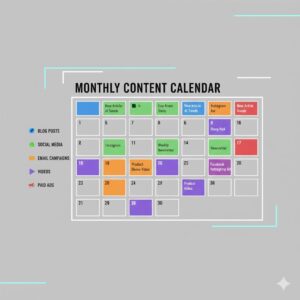
A content calendar is a visual schedule that maps out what content will be published, when it will go live, and where it will be distributed. It can include:
- Blog posts
- Social media updates
- Email campaigns
- Paid ads
- Video and reel content
- Awareness and holiday-based posts
When paired with a holiday marketing calendar, it becomes a powerful tool that ensures your brand stays relevant throughout the year.
Benefits of Using a Seasonal Marketing Calendar
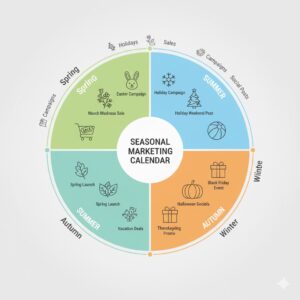
A seasonal marketing calendar focuses on how consumer behavior changes throughout the year. Different seasons bring different mindsets, needs, and purchasing habits.
Key Benefits:
- Helps tailor messaging to seasonal emotions
- Aligns campaigns with buying cycles
- Improves engagement by tapping into timely conversations
- Makes promotional planning more predictable
For example, fitness and wellness content performs well in January, while shopping and gifting campaigns peak in November and December. A strong content planning strategy accounts for these shifts well in advanc
Also Read: BCG Matrix Analysis of PepsiCo
How to Use a Marketing Calendar Effectively
A marketing calendar is only useful if it’s applied strategically.
Step 1: Identify Relevant Dates
Not every holiday or awareness day needs to be used. Choose dates that align with your brand values, audience interests, and business goals.
Step 2: Define Content Types
Decide what format works best for each date:
- Blogs for awareness months
- Social posts for trending days
- Email campaigns for promotions
- Videos for seasonal engagement
Step 3: Plan Campaign Themes
Instead of treating each post individually, group content into monthly or seasonal themes. This improves consistency and storytelling.
Step 4: Leave Room for Flexibility
While planning is important, your content calendar should still allow space for trending topics and real-time engagement.
Overview of the 2026 Marketing Calendar Structure
The 2026 calendar is broken down month by month and includes:
- Monthly observances
- Weekly awareness events
- National and international holidays
- Cultural, religious, and sporting events
This format makes it easy to build a holiday marketing calendar that fits your specific industry.
January 2026: Fresh Starts & New Goals
January is all about resolutions, new beginnings, and goal setting. Audiences are motivated to improve their lives, making it ideal for educational, wellness, and planning-focused content.
Content Ideas:
- Goal-setting guides
- Productivity tips
- Health and lifestyle content
- “New year, new strategy” campaigns
January is also a great month to finalize your content planning for the entire year.
Key Dates to Plan Content Around:
- January 1 – New Year’s Day
- January 11 – International Thank You Day
- January 19 – Martin Luther King Jr. Day
- January 24 – International Day of Education
- January 28 – Data Privacy Day
February 2026: Connection, Love & Awareness
February centers around relationships, community, and health. Valentine’s Day offers emotional storytelling opportunities, while awareness campaigns allow brands to show purpose.
Content Ideas:
- Relationship-focused messaging
- Customer appreciation posts
- Heart health awareness campaigns
- Community-driven storytelling
Despite being a shorter month, February performs well for engagement when aligned with the right themes.
Key Dates:
- February 1 – Black History Month begins
- February 4 – World Cancer Day
- February 8 – Super Bowl LX
- February 14 – Valentine’s Day
- February 16 – Presidents’ Day
- February 17 – Lunar New Year
March 2026: Growth, Learning & Renewal
As spring approaches, March symbolizes growth and fresh energy. It’s a strong month for educational and cause-driven content.
Content Ideas:
- Women-focused campaigns
- Educational blog series
- Sustainability initiatives
- Industry insights and reports
March is ideal for brands looking to build authority and trust.
Key Dates:
- March 8 – International Women’s Day
- March 14 – Pi Day
- March 17 – St. Patrick’s Day
- March 20 – Spring Equinox
- March 22 – World Water Day
- March 27 – MLB Opening Day
April 2026: Creativity & Sustainability
April brings creativity and environmental awareness to the forefront. Light-hearted content can perform well alongside serious messaging.
Content Ideas:
- Interactive and playful posts
- Earth-focused sustainability content
- Volunteer and community initiatives
- Awareness campaigns with strong storytelling
A seasonal marketing calendar helps balance fun and purpose during this month.
Key Dates:
- April 1 – April Fool’s Day
- April 2 – World Autism Awareness Day
- April 7 – World Health Day
- April 22 – Earth Day
- April 25 – Arbor Day
- April 28 – National Superhero Day
May 2026: Appreciation & Community
May is filled with appreciation-based observances and cultural celebrations. It’s a great time to humanize your brand.
Content Ideas:
- Employee and customer appreciation
- Wellness and health education
- Family-centric messaging
- Social responsibility campaigns
This is also a strong month for long-form blog content.
Key Dates:
- May 1 – World Password Day
- May 2 – Kentucky Derby
- May 5 – Cinco de Mayo
- May 10 – Mother’s Day
- May 17 – Internet Day
- May 25 – Memorial Day
June 2026: Inclusion & Outdoor Living
June signals the start of summer and brings themes of inclusion, travel, and outdoor activities.
Content Ideas:
- Lifestyle and travel content
- Community and diversity campaigns
- Seasonal promotions
- Event-based engagement
A well-planned marketing calendar ensures your messaging stays inclusive and relevant.
Key Dates:
- June 5 – World Environment Day
- June 8 – World Oceans Day
- June 14 – Flag Day
- June 19 – Juneteenth
- June 21 – Father’s Day
- June 21 – Summer Solstice
July 2026: Celebration & Engagement
July is energetic and festive. While some industries experience a slowdown, engagement-focused content performs well.
Content Ideas:
- Interactive polls and contests
- Light-hearted and entertaining posts
- Patriotic or celebration-themed campaigns
- Community-building content
Use your content calendar to maintain visibility even during quieter periods.
Key Dates:
- July 4 – Independence Day
- July 7 – World Chocolate Day
- July 14 – MLB All-Star Game
- July 17 – World Emoji Day
- July 30 – International Day of Friendship
August 2026: Preparation & Transition
August is a transition month as audiences prepare for fall. It’s ideal for educational and planning-focused content.
Content Ideas:
- Back-to-school campaigns
- Productivity tips
- End-of-summer promotions
- Thought leadership content
Strong content planning helps brands stay relevant during this shift.
Key Dates:
- August 1 – National Girlfriends Day
- August 8 – International Cat Day
- August 9 – Book Lover’s Day
- August 19 – World Humanitarian Day
- August 26 – Women’s Equality Day
September 2026: Productivity & Learning
September brings renewed focus, making it a great month for professional and educational content.
Content Ideas:
- Industry insights
- Learning resources
- Wellness and balance messaging
- Cultural and heritage celebrations
This is a strong month for lead-generation campaigns.
Key Dates:
- September 7 – Labor Day
- September 11 – Patriot Day
- September 21 – International Day of Peace
- September 23 – Autumn Equinox
- September 29 – National Coffee Day
October 2026: Awareness & Creativity
October blends fun with serious causes. It’s a powerful month for storytelling and visual content.
Content Ideas:
- Awareness-driven campaigns
- Educational resources
- Seasonal creative content
- Community initiatives
Key Dates:
- October 1 – International Coffee Day
- October 5 – World Teachers’ Day
- October 10 – World Mental Health Day
- October 16 – World Food Day
- October 31 – Halloween
A holiday marketing calendar helps plan both awareness and festive content seamlessly.
November 2026: Gratitude & Conversions
November is one of the most important months for marketers. It combines gratitude with high-intent buying behavior.
Content Ideas:
- Thank-you campaigns
- Social causes and awareness
- Sales and promotional content
- Holiday shopping guides
Key Dates:
- November 1 – World Vegan Day
- November 11 – Veterans Day
- November 13 – World Kindness Day
- November 26 – Thanksgiving
- November 27 – Black Friday
- November 30 – Cyber Monday
Proper content planning ensures promotions don’t overshadow brand values.
December 2026: Reflection & Celebration
December is about wrapping up the year and celebrating milestones. It’s also the perfect time for reflection and planning ahead.
Content Ideas:
- Year-in-review content
- Holiday campaigns
- Community appreciation posts
- Previews for 2027
Key Dates:
- December 1 – World AIDS Day
- December 10 – Human Rights Day
- December 21 – Winter Solstice
- December 25 – Christmas Day
- December 31 – New Year’s Eve
A structured content calendar helps maintain consistency even during holidays.
Why Use a Marketing Calendar Template?
A ready-made template saves time and ensures consistency.
Benefits of a Template:
- Easy customization
- Clear visibility of campaigns
- Better team collaboration
- Simplified scheduling and tracking
Using a holiday marketing calendar template allows you to focus more on creativity and less on logistics.
FAQs
What is the difference between a content calendar and a marketing calendar?
A content calendar focuses on what content is published, while a marketing calendar includes campaigns, promotions, and strategic initiatives.
How far in advance should I plan my content?
Ideally, plan at least 3–6 months ahead. Annual planning provides even better clarity.
Can small businesses benefit from a marketing calendar?
Absolutely. A seasonal marketing calendar helps small teams stay consistent without feeling overwhelmed.
Do I need to use every holiday?
No. Only select holidays and observances that align with your brand and audience.
Is a digital or printable calendar better?
Digital calendars offer flexibility, but printable versions are useful for quick reference. Many teams use both.
Conclusion
A successful marketing strategy in 2026 starts with planning. A well-structured marketing calendar gives your brand direction, consistency, and clarity throughout the year.
By using a strategic content calendar, aligning with a seasonal marketing calendar, and leveraging a holiday marketing calendar, you can create timely, relevant, and engaging content without last-minute stress.
With the right content planning approach and a customizable template, your marketing efforts become proactive instead of reactive—setting your brand up for long-term success in 2026 and beyond.