
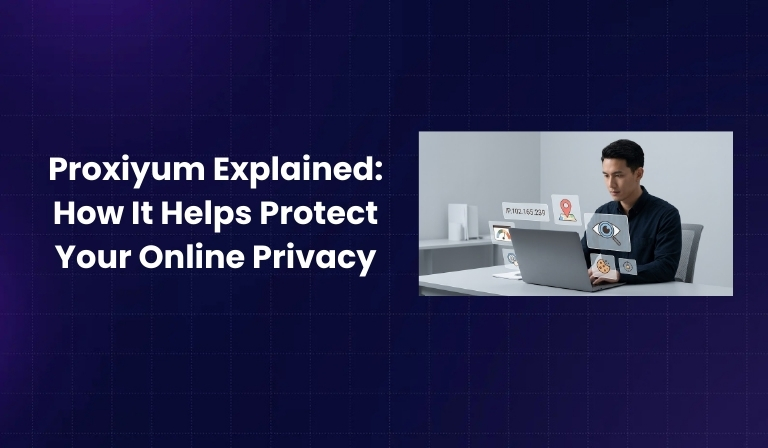

Online privacy has become a major concern for internet users around the world. Every time someone browses the internet, websites can collect different types of information such as IP addresses, browsing habits, and location data. Many companies use this information for advertising, analytics, and tracking user behavior. Because of this, people are increasingly looking for ways to protect their personal data and browse the web more safely.
To address these concerns, various privacy tools have been developed. Some of these tools include virtual private networks (VPNs), privacy-focused browsers, and proxy services. One such tool that has gained attention is Proxiyum. It is designed to help users browse the internet while reducing the amount of information that websites can collect about them.
Proxiyum works by acting as a middle layer between the user and the website they want to visit. Instead of connecting directly to a website, the user’s request goes through a proxy server first. This process helps hide certain details about the user, such as their original IP address, which can improve online privacy.
In this guide, we will explain what Proxiyum is, how it works, its key features, and how it can help protect online privacy. The article will also explore its benefits, limitations, and how it compares with other privacy tools like traditional proxies and VPNs.
What Is Proxiyum?
Proxiyum is a privacy-focused web proxy tool that helps users browse the internet without directly exposing their original IP address to the websites they visit. Instead of making a direct connection to a website, the user connects through a proxy server that forwards the request on their behalf.
Simple Definition of Proxiyum
In simple terms, Proxiyum is a proxy-based service that allows users to access websites through an intermediary server. This server acts as a bridge between the user and the internet.
Key points that define Proxiyum include:
- It functions as a web proxy service
- It hides the user’s original IP address from the website
- It allows browsing through a remote server instead of a direct connection
- It can help reduce some forms of online tracking
When using Proxiyum, the website sees the IP address of the proxy server instead of the user’s actual IP address.
Why Tools Like Proxiyum Are Becoming Popular
Online privacy concerns have grown significantly over the last decade. More websites and online services collect data about users to improve services or for advertising purposes.
Several reasons explain why privacy tools such as Proxiyum are becoming more popular:
- Many websites collect browsing data for targeted advertising
- Internet users are more aware of digital tracking practices
- Some regions restrict access to certain websites
- People want to reduce the amount of personal data visible online
Because of these factors, tools that help users control how their data appears online are gaining more attention.
How Proxiyum Works
Understanding how Proxiyum works requires knowing how a proxy server operates. A proxy acts as an intermediary between a user and the website they want to visit.
The Basic Technology Behind Proxiyum
When a user normally browses the internet, their device sends a request directly to a website’s server. That server can see information such as the user’s IP address and sometimes approximate location.
With Proxiyum, the connection process changes:
- The user connects to the Proxiyum proxy server first
- The proxy server sends the request to the target website
- The website sends its response back to the proxy server
- The proxy server forwards the response to the user
Because of this process, the website does not directly communicate with the user’s device.
Step-by-Step Process of Using Proxiyum
The browsing process using Proxiyum typically follows these steps:
- A user enters the website address they want to visit.
- The request is sent to the Proxiyum proxy server.
- The proxy server forwards the request to the destination website.
- The website processes the request and sends the webpage back to the proxy server.
- The proxy server delivers the webpage to the user’s browser.
This routing method allows the user to interact with the website without making a direct connection from their device.
How It Protects Your Identity Online
Proxiyum provides a level of anonymity by masking the user’s IP address. Since the website communicates with the proxy server instead of the user directly, some personal network information is not visible.
Key privacy benefits include:
- The user’s original IP address is hidden from the website
- Websites see the proxy server’s address instead
- Some tracking methods become less effective
However, it is important to understand that proxy tools focus mainly on masking IP addresses rather than providing full encryption of internet traffic.
Key Features of Proxiyum
Proxiyum includes several features designed to support safer and more private browsing.
Anonymous Web Browsing
One of the main functions of Proxiyum is to enable anonymous browsing. By hiding the user’s original IP address, it reduces the amount of direct information shared with websites.
Important aspects include:
- The user’s network identity is masked
- Websites interact with the proxy server instead of the user
- Browsing sessions can appear to come from a different location
Enhanced Online Privacy
Privacy tools like Proxiyum can help reduce certain types of online tracking. While it does not stop all forms of tracking, it can limit some methods that rely on IP identification.
This may help with:
- Reducing the visibility of personal network data
- Limiting basic location identification based on IP addresses
- Lowering exposure to some tracking systems
Access to Restricted Content
Some websites restrict access based on geographic location. Because proxy servers can be located in different regions, they may allow users to view websites that might otherwise be unavailable.
Common scenarios include:
- Accessing regionally restricted content
- Viewing websites blocked in certain networks
- Reaching information resources that may be limited in some areas
Secure Connection Layer
Proxy services like Proxiyum can provide an additional layer between the user and the website. This does not necessarily mean full encryption, but it does create separation between the user’s device and the destination server.
Benefits include:
- Reduced direct exposure of network details
- An additional step in the browsing path
- Some protection against basic monitoring systems
User-Friendly Interface
Many privacy tools can be complex, but proxy-based tools like Proxiyum are generally designed to be simple.
User-friendly characteristics may include:
- Simple website-based interface
- No complex installation required
- Easy access for beginners who want basic privacy protection
Benefits of Using Proxiyum
Using a proxy tool like Proxiyum can provide several practical advantages for everyday internet users.
Protects Personal Information
When browsing directly, websites can see certain network details. Proxiyum helps reduce this visibility.
Key advantages include:
- Hiding the user’s original IP address
- Reducing exposure of geographic location
- Adding a layer of separation between user and website
Safer Public Wi-Fi Browsing
Public Wi-Fi networks can expose users to additional privacy risks. Using a proxy service can add a small level of protection by masking the user’s network identity.
Benefits may include:
- Reduced direct exposure on open networks
- More privacy when browsing on shared connections
- Less visible personal network information
Avoids Excessive Online Tracking
Many tracking systems rely on IP addresses combined with other methods. By masking the IP address, proxy services may reduce some tracking techniques.
Possible effects include:
- Less precise location tracking
- Reduced ability for websites to link activity to a single IP address
- Improved browsing privacy
Useful for Research and Anonymous Browsing
Some users need to view online content without linking it directly to their personal identity.
Common use cases include:
- Academic research
- Investigative browsing
- Viewing websites anonymously for analysis
Proxiyum vs Traditional Proxy Services
Proxy services have existed for many years, but newer tools like Proxiyum aim to simplify the experience.
Key Differences
Some differences between Proxiyum and traditional proxy setups include:
- Traditional proxies often require manual configuration
- Proxiyum may provide a simpler browser-based interface
- Some older proxies are designed for network administrators rather than casual users
When Proxiyum Is a Better Choice
Proxiyum can be useful in situations where simplicity and quick access are important.
Examples include:
- Beginners who want an easy privacy tool
- Users who need occasional anonymous browsing
- Situations where installing complex software is not practical
Proxiyum vs VPN: What’s the Difference?
Proxy services and VPNs both help improve privacy, but they work in different ways.
How a VPN Works
A virtual private network creates an encrypted tunnel between the user’s device and a remote server.
Key features include:
- Full encryption of internet traffic
- Protection across all applications
- Higher privacy protection in many cases
How Proxiyum Works
Proxiyum operates as a proxy service rather than a full network tunnel.
Important characteristics include:
- Works mainly through browser-based traffic
- Focuses on hiding IP addresses
- Does not always encrypt all internet activity
Which One Should You Choose?
The choice depends on the user’s needs.
Situations where Proxiyum may be suitable include:
- Basic privacy while browsing websites
- Quick access without installing software
- Casual anonymous browsing
Situations where a VPN may be better include:
- Full-device privacy protection
- Strong encryption requirements
- Secure connections on sensitive networks
Is Proxiyum Safe to Use?
Safety depends on how the tool is used and the trustworthiness of the service provider.
Security Considerations
When using proxy services, users should be aware of certain considerations.
Important points include:
- Proxy servers can see the traffic passing through them
- Users should rely on reputable services
- HTTPS websites still provide encrypted communication between browser and website
Best Practices for Safe Browsing
To improve safety while using proxy tools, users should follow basic online security practices.
Recommended steps include:
- Always use HTTPS websites when possible
- Avoid entering highly sensitive information through unknown proxies
- Keep browsers updated
- Be cautious when accessing unfamiliar websites
Who Should Use Proxiyum?
Proxiyum may be useful for several types of internet users who want additional privacy during browsing.
Students and Researchers
Academic work often requires exploring different information sources online.
Benefits include:
- Accessing resources anonymously
- Viewing information without linking activity to a personal network
Privacy-Conscious Internet Users
Some users simply want to reduce the amount of data they share online.
Advantages may include:
- Less visible network identity
- Improved control over personal browsing data
Users in Restricted Internet Regions
In some regions, certain websites may not be easily accessible.
Proxy tools may help by:
- Routing traffic through alternative servers
- Allowing access to informational resources
Casual Browsers Wanting Extra Privacy
Even everyday internet users may want additional privacy.
Common reasons include:
- Avoiding unnecessary tracking
- Browsing more privately during daily internet use
Limitations of Proxiyum
While Proxiyum can improve privacy, it is important to understand its limitations.
Not a Full Security Solution
Proxy services focus mainly on hiding IP addresses rather than providing full security.
Limitations include:
- No complete encryption of all internet traffic
- Some tracking methods can still function
- Additional tools may be required for full privacy protection
Possible Speed Differences
Routing traffic through a proxy server can sometimes affect browsing speed.
Possible factors include:
- Distance to the proxy server
- Server load and traffic levels
- Network performance
Website Compatibility Issues
Some websites may not function properly when accessed through proxies.
Examples include:
- Websites that block proxy servers
- Services requiring direct IP verification
- Platforms with strict security systems
Tips for Protecting Your Online Privacy Beyond Proxiyum
While proxy tools help, strong privacy requires multiple strategies.
Use Strong Passwords
Passwords remain a key part of online security.
Good practices include:
- Using long and unique passwords
- Avoiding repeated passwords across accounts
Enable Two-Factor Authentication
Two-factor authentication adds an additional security step.
Benefits include:
- Extra protection against unauthorized access
- Reduced risk of account compromise
Use Secure Browsers
Privacy-focused browsers may provide better protection.
Advantages include:
- Tracking protection features
- Improved cookie management
Keep Software Updated
Software updates often include security improvements.
Important updates may apply to:
- Operating systems
- Web browsers
- Security tools
Combine Privacy Tools
Using multiple privacy tools together can provide stronger protection.
Examples include:
- Combining proxies with secure browsers
- Using password managers
- Enabling browser privacy settings
Conclusion
Protecting online privacy has become increasingly important as the internet continues to grow and digital tracking becomes more common. Every website visit can potentially reveal information about users, including their IP address, browsing habits, and approximate location. Because of this, many people are searching for tools that help them maintain greater control over their personal data.
Proxiyum is one example of a privacy-focused proxy tool that helps users browse the internet with an additional layer of anonymity. By routing web requests through a proxy server, it hides the user’s original IP address from the websites they visit. This approach can reduce certain forms of tracking and provide more private browsing sessions.
While Proxiyum offers useful privacy benefits, it is important to understand that it is not a complete security solution. Proxy services mainly focus on masking IP addresses rather than encrypting all internet traffic. For stronger protection, users may combine proxy tools with other privacy practices such as secure browsers, strong passwords, and two-factor authentication.