

Hiring the right SEO professional is no longer just about finding someone who can add keywords or build backlinks. Today, businesses need SEO executives who understand how search algorithms work behind the scenes, how websites are crawled and indexed, and how technical decisions impact rankings, traffic, and user experience.
That’s where technical SEO interview questions become critical.
Whether you are hiring a junior SEO executive or an experienced technical SEO specialist, asking the right questions helps you separate surface-level knowledge from real expertise. This guide walks you through 15+ essential technical SEO interview questions you should ask during your next hiring round, along with detailed explanations of what a strong answer should include.
These seo executive interview questions are designed to test both conceptual understanding and practical, real-world experience.
Why Technical SEO Knowledge Matters When Hiring SEO Executives
Technical SEO forms the foundation of every successful SEO strategy. Even the best content and strongest backlinks will struggle to rank if search engines cannot properly crawl, render, or index a website.
A technically sound website ensures:
- Faster crawling and indexing
- Better user experience
- Higher visibility in organic search
- Fewer ranking drops during algorithm updates
This is why modern seo executive interview questions must go beyond basic SEO concepts and focus heavily on technical proficiency.
1. What Is Technical SEO, and Why Is It Important?

This is often the opening question in SEO interviews.
What You’re Testing
- Conceptual clarity
- Ability to explain SEO fundamentals simply
- Understanding of how technical SEO supports rankings
A Strong Answer Should Include
Technical SEO refers to optimizing a website’s infrastructure so that search engines can efficiently crawl, render, and index its pages. It focuses on non-content elements such as site speed, mobile usability, crawlability, indexation, structured data, and security.
A good candidate will explain that technical SEO is important because it removes barriers between a website and search engines, ensuring that all other SEO efforts can perform effectively.
2. How Do Search Engines Crawl and Index Websites?
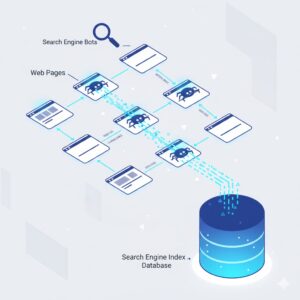
This is one of the most important seo executive interview questions because it tests fundamental SEO knowledge.
What You’re Testing
- Understanding of crawling and indexing processes
- Awareness of how search bots work
A Strong Answer Should Include
Search engines use automated programs called crawlers or bots to discover web pages by following links. Once a page is crawled, its content and code are analyzed and stored in an index. Only indexed pages are eligible to appear in search results.
A good answer will mention that crawlability depends on internal linking, robots.txt rules, server responses, and page accessibility.
3. What Is the Difference Between Crawling and Indexing?
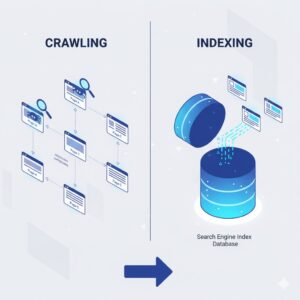
This question helps you identify candidates who truly understand SEO mechanics.
What You’re Testing
- Ability to differentiate core SEO processes
- Depth of technical knowledge
A Strong Answer Should Include
Crawling is the process of discovering web pages, while indexing is the process of storing and organizing those pages in a search engine’s database. A page can be crawled but not indexed due to issues like duplicate content, low quality, or noindex directives.
4. What Is a Robots.txt File, and How Does It Work?
Robots.txt is a basic yet critical technical SEO element.
What You’re Testing
- Knowledge of crawl control
- Awareness of common SEO mistakes
A Strong Answer Should Include
A robots.txt file tells search engine bots which pages or sections of a website they are allowed or not allowed to crawl. It is typically used to block low-value pages, admin areas, or duplicate URLs.
Strong candidates will also explain that robots.txt does not prevent indexing if blocked URLs are linked elsewhere.
5. What Is an XML Sitemap, and Why Is It Important?
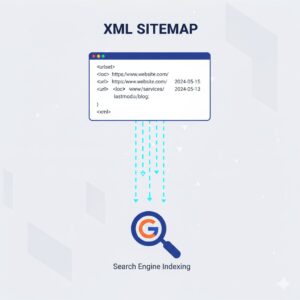
This question is essential when assessing technical SEO readiness.
What You’re Testing
- Knowledge of indexing facilitation
- Understanding of large website structures
A Strong Answer Should Include
An XML sitemap is a file that lists important URLs on a website to help search engines discover and index them more efficiently. It is especially useful for large websites, new websites, or sites with poor internal linking.
Good answers may mention priority tags, last-modified dates, and submitting sitemaps via search tools.
6. How Do You Identify and Fix Indexing Issues?
This is one of the most practical seo executive interview questions.
What You’re Testing
- Problem-solving skills
- Experience with real SEO challenges
A Strong Answer Should Include
Indexing issues can be identified by comparing crawled pages versus indexed pages, checking noindex tags, reviewing robots.txt, analyzing canonical tags, and monitoring server errors.
Candidates should explain that fixing indexing issues involves removing technical blocks, improving content quality, and ensuring correct canonicalization.
Also Read: BCG Matrix of Air India [2025 Analysis]
7. What Are Canonical Tags, and When Should They Be Used?
Duplicate content is a major technical SEO concern.
What You’re Testing
- Understanding of duplicate content management
- Technical implementation knowledge
A Strong Answer Should Include
A canonical tag tells search engines which version of a page should be considered the primary version when multiple URLs have similar content. It helps consolidate ranking signals and prevents duplicate content issues.
Strong candidates will mention use cases like e-commerce filters, pagination, and URL parameters.
8. What Is Page Speed Optimization, and Why Does It Matter?
Speed is a ranking and user experience factor.
What You’re Testing
- Awareness of performance optimization
- Understanding of user-centric SEO
A Strong Answer Should Include
Page speed optimization involves improving loading times by compressing images, minimizing scripts, leveraging browser caching, and optimizing server responses.
Candidates should explain that faster websites provide better user experience and reduce bounce rates, indirectly supporting higher rankings.
9. What Are Core Web Vitals?
This question tests modern SEO knowledge.
What You’re Testing
- Awareness of user experience metrics
- Familiarity with performance indicators
A Strong Answer Should Include
Core Web Vitals are performance metrics that measure loading speed, interactivity, and visual stability. These metrics help evaluate real-world user experience and influence how pages are ranked when competing results are similar.
10. How Does Mobile-First Indexing Impact SEO?
Mobile optimization is no longer optional.
What You’re Testing
- Understanding of mobile SEO
- Awareness of indexing priorities
A Strong Answer Should Include
Mobile-first indexing means search engines primarily use the mobile version of a website for ranking and indexing. If a site’s mobile version lacks content or technical elements present on desktop, rankings may suffer.
Good candidates will stress the importance of responsive design and mobile usability.
11. What Is Structured Data, and How Does It Help SEO?
Structured data is a powerful but often misunderstood topic.
What You’re Testing
- Advanced technical SEO knowledge
- Familiarity with enhanced search features
A Strong Answer Should Include
Structured data uses standardized markup to help search engines better understand page content. It enables rich results such as star ratings, FAQs, and product details, improving visibility and click-through rates.
12. How Do You Handle Website Migrations Without Losing Traffic?
This is one of the most advanced seo executive interview questions.
What You’re Testing
- Strategic planning skills
- Experience with high-risk SEO scenarios
A Strong Answer Should Include
A candidate should mention proper redirects, URL mapping, updating internal links, maintaining sitemap accuracy, monitoring crawl errors, and tracking rankings post-migration.
13. What Are HTTP Status Codes, and Which Ones Matter for SEO?
This question tests technical awareness beyond SEO tools.
What You’re Testing
- Server-level understanding
- Diagnostic skills
A Strong Answer Should Include
Important status codes include 200 for success, 301 for permanent redirects, 302 for temporary redirects, 404 for missing pages, and 500-level errors for server issues. Correct usage ensures smooth crawling and indexing.
14. How Do You Identify and Fix Duplicate Content Issues?
Duplicate content is common in large websites.
What You’re Testing
- Analytical skills
- Knowledge of content consolidation
A Strong Answer Should Include
Duplicate content can be identified through crawling tools, URL parameter analysis, and content audits. Fixes include canonical tags, redirects, content consolidation, and proper internal linking.
15. What Is Log File Analysis in SEO?
This question helps identify senior-level candidates.
What You’re Testing
- Deep technical SEO expertise
- Data-driven SEO skills
A Strong Answer Should Include
Log file analysis involves reviewing server logs to understand how search bots crawl a website. It helps identify wasted crawl budget, orphan pages, and crawl frequency issues.
16. How Do You Audit a Website for Technical SEO Issues?
This question ties everything together.
What You’re Testing
- Structured thinking
- End-to-end SEO audit capability
A Strong Answer Should Include
A technical SEO audit includes checking crawlability, indexation, site speed, mobile usability, internal linking, structured data, and server errors. Strong candidates will mention prioritization based on impact.
Conclusion
Hiring the right SEO professional starts with asking the right questions. These seo executive interview questions help you evaluate whether a candidate understands not just what SEO is, but how it actually works at a technical level.
Technical SEO is the backbone of sustainable organic growth. By using these questions during interviews, you can confidently identify candidates who can diagnose issues, implement solutions, and support long-term search visibility.
A strong SEO executive doesn’t just follow best practices—they understand why those practices matter.
FAQs
What level of SEO executive should these interview questions be used for?
These questions can be adapted for junior, mid-level, and senior SEO executives by adjusting the depth of expected answers.
Are technical SEO skills more important than content SEO?
Both are important, but technical SEO ensures that content can actually be discovered, indexed, and ranked.
How many technical SEO questions should be asked in an interview?
Ideally, focus on 8–12 key questions and allow time for detailed follow-up discussions.
Can a non-technical candidate learn technical SEO?
Yes, but practical experience and problem-solving ability are critical indicators during interviews.
Should SEO executives know coding?
They don’t need to be developers, but basic knowledge of HTML, CSS, and server behavior is extremely valuable.