
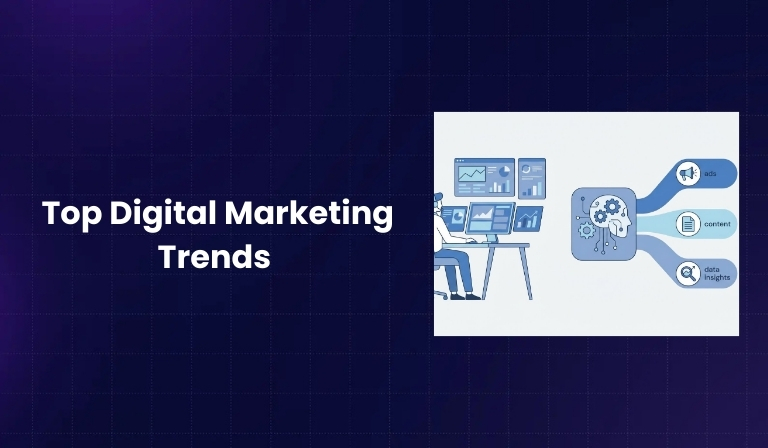

Digital marketing is changing faster than ever. Strategies that worked well just a few years ago are already losing their impact. New technologies, changing customer expectations, stricter privacy rules, and the growing role of artificial intelligence are reshaping how brands connect with people online.
By 2026, digital marketing will be less about chasing clicks and more about building meaningful, data-driven, and trust-based customer experiences. This blog explains the most important digital marketing trends expected to shape 2026 and why businesses, marketers, and founders need to start preparing now.
How Digital Marketing Is Evolving Toward 2026
Digital marketing is no longer limited to running ads or posting content on social media. It is becoming a connected system where every customer interaction matters.
Several major shifts are driving this evolution:
- Marketing is moving from individual channels to full customer journeys
- Automation and AI are helping marketers make faster, smarter decisions
- Customers expect personalized experiences without compromising privacy
- Data ownership and transparency are becoming critical due to regulations
These changes set the foundation for the key trends shaping digital marketing in 2026.
Top 10 Digital Marketing Trends for 2026
1. AI-Driven Marketing Becomes the Standard
Artificial intelligence is no longer optional in digital marketing. By 2026, AI is expected to be embedded in most marketing tools and workflows. Instead of only supporting tasks, AI will actively guide decisions and execution.
AI-driven marketing focuses on analyzing large data sets to predict customer behavior, optimize campaigns, and personalize content at scale. This trend is driven by the increasing volume of data and the need for real-time insights.
Key areas where AI will play a central role include:
- Content ideation and optimization based on performance data
- Automated ad bidding and budget allocation
- Predictive analytics for customer behavior and conversions
- Customer segmentation and journey mapping
While AI improves efficiency, marketers will still need human oversight to ensure accuracy, ethics, and brand consistency.
2. Cookieless Marketing and First-Party Data Dominance
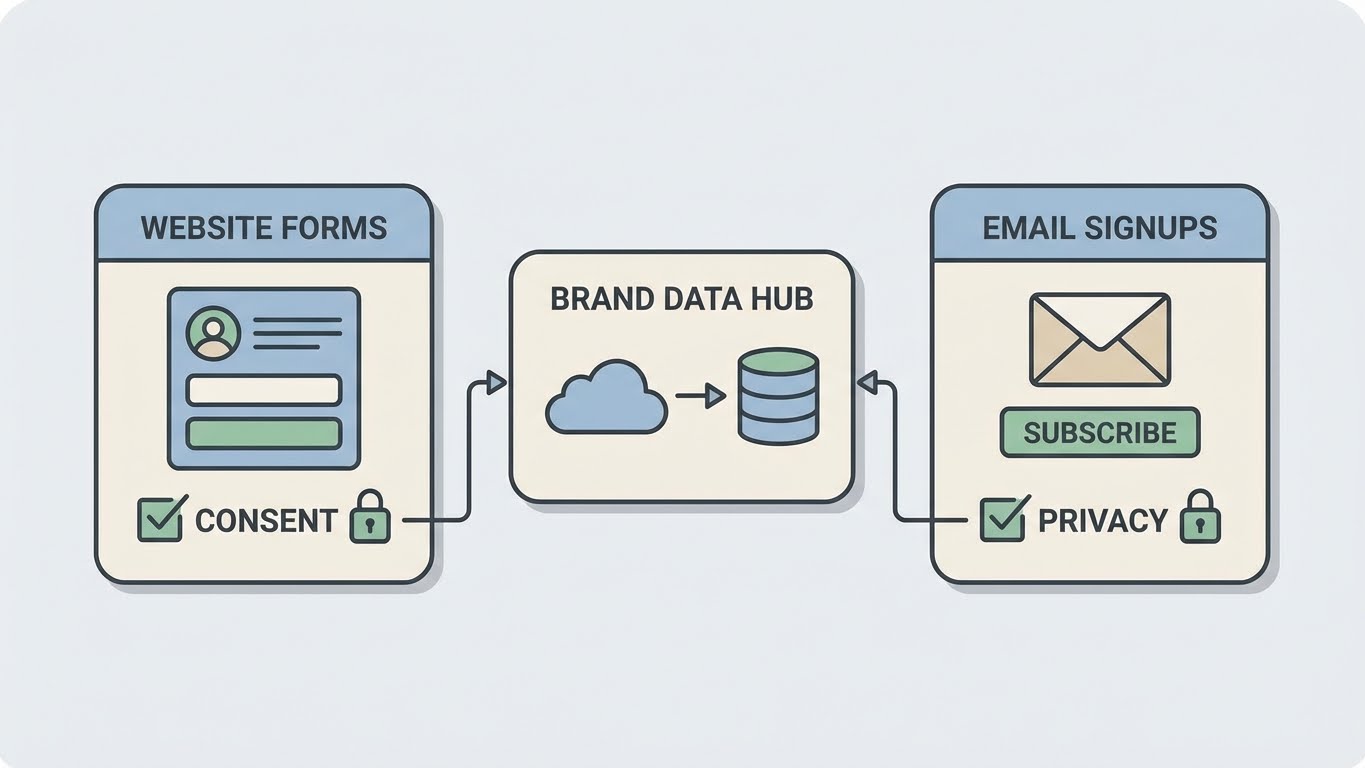
The gradual phase-out of third-party cookies is reshaping how marketers track and understand users. By 2026, businesses will rely heavily on data they collect directly from their audiences.
First-party data includes information collected through websites, apps, emails, and customer interactions. Zero-party data refers to data that users willingly share, such as preferences or survey responses.
This shift makes trust and transparency essential. Brands must clearly explain how data is collected and used.
Important components of cookieless marketing include:
- Strong customer relationship management (CRM) systems
- Consent-based data collection practices
- Use of customer data platforms (CDPs)
- Alternative measurement models like aggregated and modeled data
Brands that invest early in first-party data strategies will be more resilient to privacy changes.
3. Hyper-Personalization at Scale
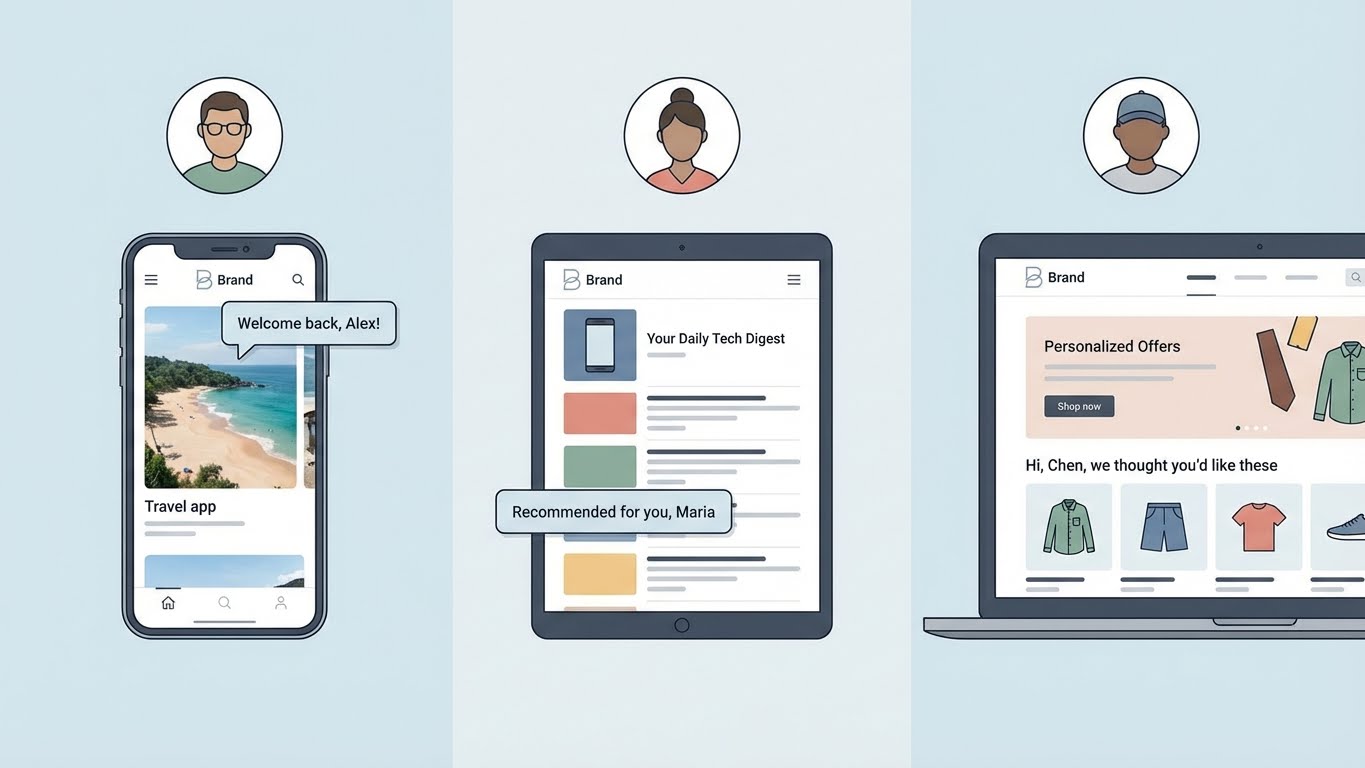
Basic personalization is no longer enough. Customers now expect brands to understand their needs, timing, and context. Hyper-personalization uses real-time data and AI to deliver relevant messages across channels.
Instead of showing the same content to all users, brands tailor experiences based on behavior, preferences, and stage in the buying journey.
Hyper-personalization commonly involves:
- Dynamic website and email content
- Personalized product recommendations
- Context-aware messaging based on user actions
- Integration of online and offline customer data
As personalization becomes more advanced, brands must balance relevance with privacy to avoid crossing trust boundaries.
4. Short-Form Video Continues to Dominate Attention
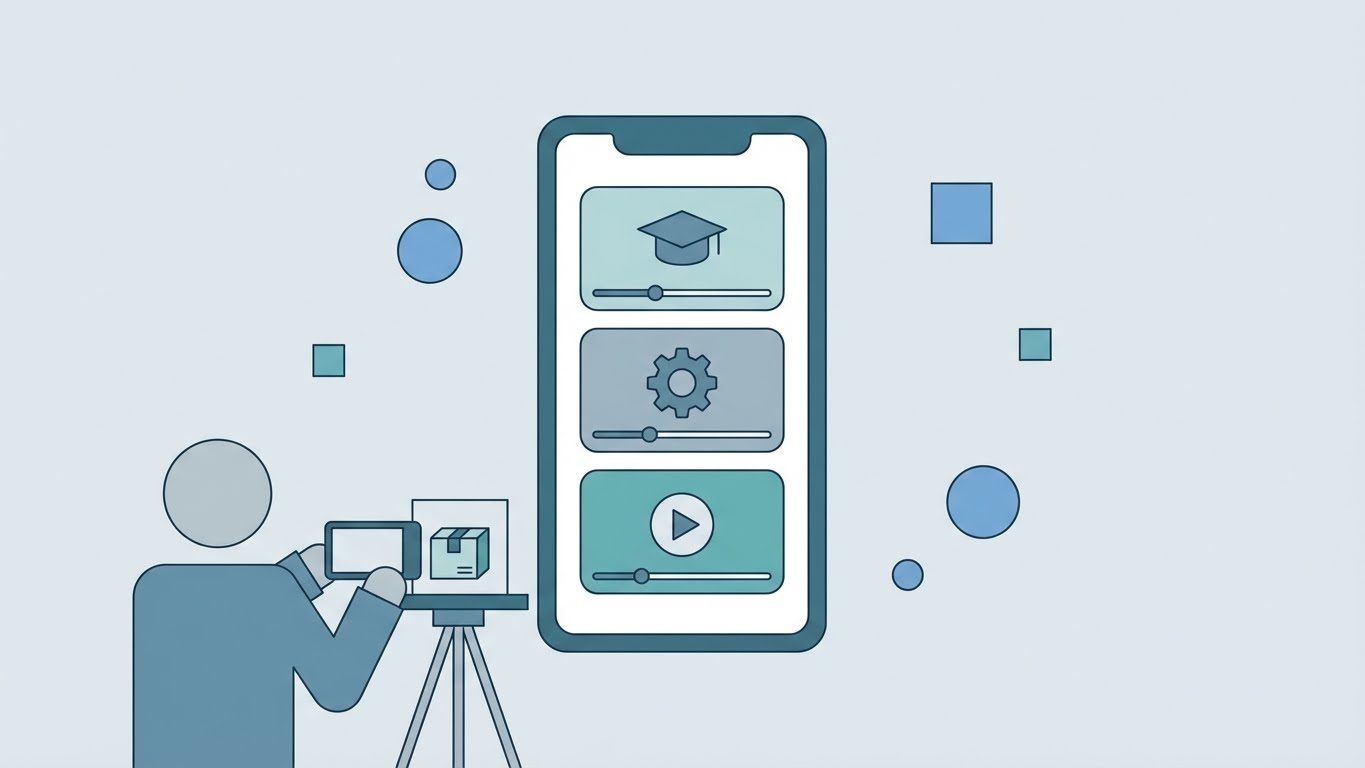
Short-form video has become one of the most effective content formats, and its influence will continue through 2026. Platforms like TikTok, Instagram Reels, and YouTube Shorts have changed how people consume information.
What is evolving is the type of content being shared. Short videos are increasingly used for education, product explanations, and brand storytelling—not just entertainment.
Key trends within short-form video include:
- Educational and how-to content in under 60 seconds
- Algorithm-driven content discovery
- Integration of shopping and product tags
- Interactive elements like polls and clickable links
Short-form video works best when content is authentic, clear, and designed for mobile viewing.
5. Search Experience Optimization (SEO Beyond Keywords)
Search engine optimization is expanding beyond keywords and rankings. Search engines are increasingly focused on delivering complete answers and better user experiences.
By 2026, SEO will focus more on intent, context, and topic authority rather than individual keywords. AI-powered search experiences and conversational search are driving this shift.
Modern search optimization includes:
- Creating content based on search intent
- Structuring content for easy understanding by search engines
- Building topical authority instead of isolated pages
- Optimizing for voice and conversational queries
SEO will increasingly overlap with content strategy, UX, and technical optimization.
6. Influencer Marketing Becomes More Authentic and Performance-Focused
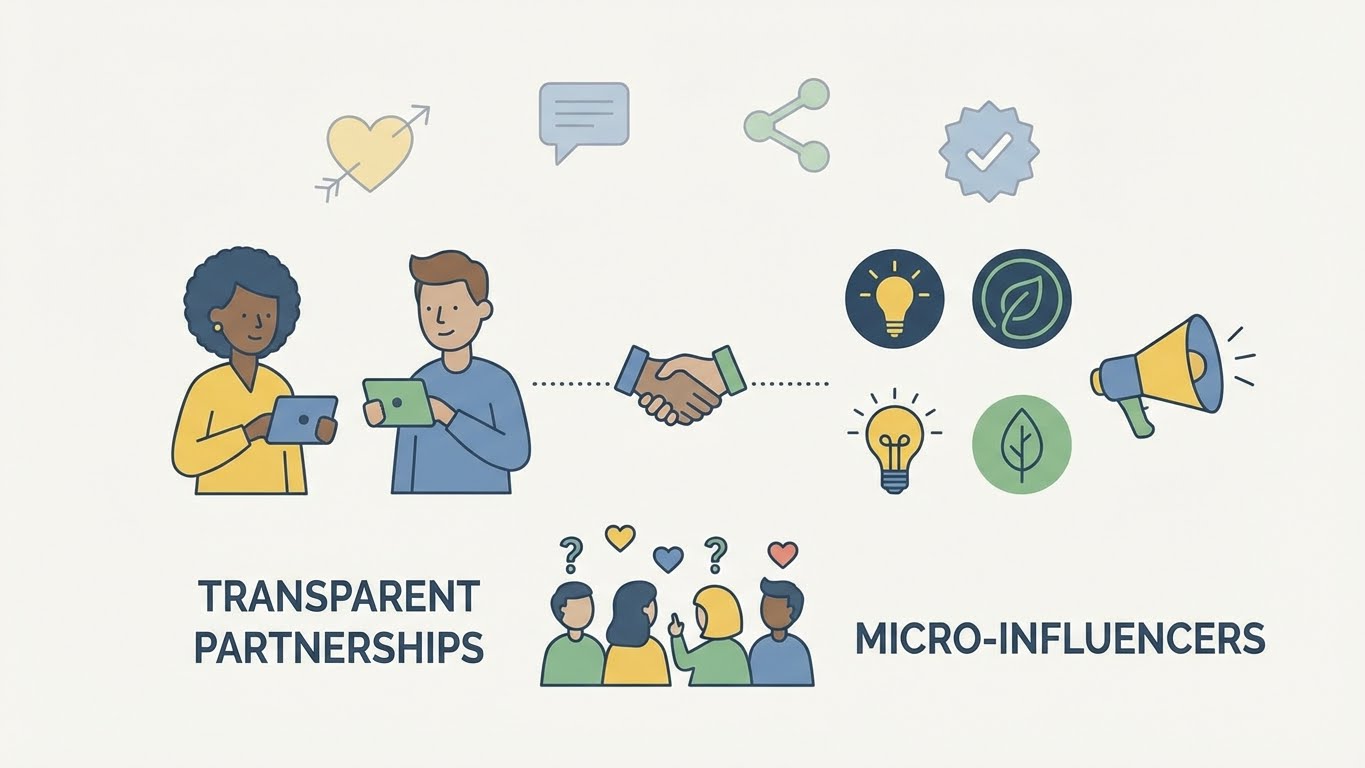
Influencer marketing is maturing into a more accountable and results-driven channel. Brands are moving away from one-time promotions toward long-term partnerships with creators who align with their values.
Smaller, niche influencers often deliver higher engagement and trust compared to large celebrity accounts. Performance tracking is becoming more important than follower counts.
Key shifts in influencer marketing include:
- Focus on micro and niche creators
- Long-term brand collaborations
- Clear performance metrics and ROI tracking
- Integration with affiliate and commerce programs
Authenticity and transparency will be critical for maintaining audience trust.
7. Social Commerce Becomes a Core Revenue Channel
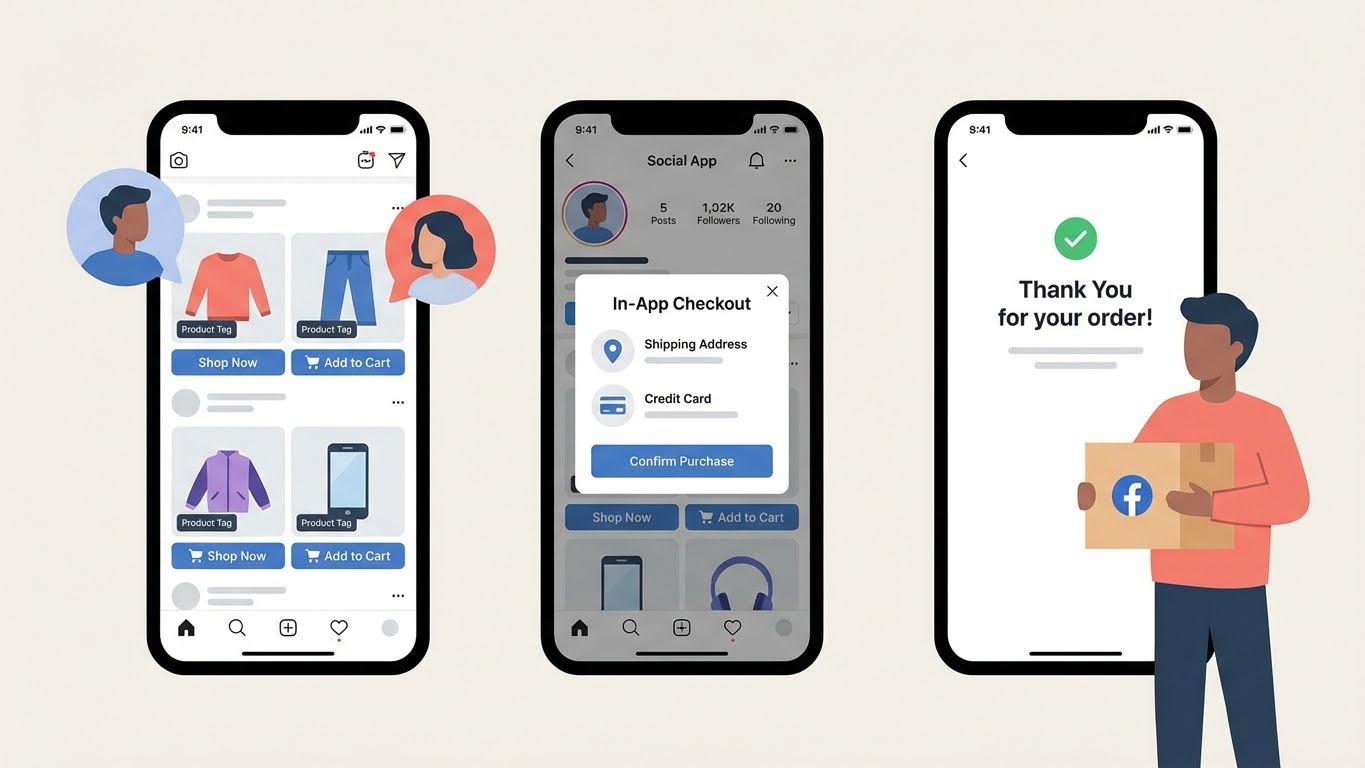
Social media platforms are evolving into complete shopping ecosystems. Users can now discover products, read reviews, and complete purchases without leaving the app.
By 2026, social commerce will not just support marketing—it will drive direct revenue for many brands.
Key elements of social commerce include:
- In-app checkout and product catalogs
- Creator-led product recommendations
- Live shopping and video-based commerce
- Integration with inventory and order systems
Success in social commerce requires strong coordination between marketing, content, and operations teams.
8. Community-Led Marketing Gains Momentum
Brands are increasingly investing in owned communities rather than relying only on public social platforms. These communities help build loyalty, trust, and long-term engagement.
Community-led marketing focuses on conversations, shared value, and feedback rather than promotions.
Common community formats include:
- Private messaging groups
- Discussion platforms and forums
- Brand-led knowledge or interest groups
- Customer advocacy programs
Communities provide valuable insights and strengthen relationships beyond traditional marketing channels.
9. Ethical, Sustainable, and Purpose-Driven Marketing
Consumers are paying closer attention to how brands operate, not just what they sell. Ethical and purpose-driven marketing is becoming an expectation rather than a differentiator.
Brands must align their messaging with real actions. Empty claims or exaggerated promises can damage credibility.
Purpose-driven marketing focuses on:
- Transparency in business practices
- Genuine commitment to social or environmental causes
- Responsible communication and advertising
- Consistency between values and actions
Trust is becoming one of the most valuable brand assets in digital marketing.
10. Marketing Automation and RevOps Alignment
Marketing automation is expanding across the entire customer lifecycle. At the same time, businesses are aligning marketing, sales, and customer success under revenue operations (RevOps).
This alignment ensures that all teams work toward shared revenue goals rather than isolated metrics.
Key aspects of this trend include:
- Unified data across marketing and sales platforms
- Automated lead nurturing and lifecycle management
- Shared KPIs focused on revenue impact
- Improved attribution and funnel visibility
Automation supports efficiency, but strategy and collaboration remain essential.
How Businesses Can Prepare for These Trends
Preparing for 2026 requires more than adopting new tools. Businesses must build flexible systems and invest in skills that support long-term growth.
Important preparation steps include:
- Reviewing and updating digital marketing strategies
- Investing in data infrastructure and analytics
- Training teams on AI and automation tools
- Testing new platforms and formats early
Adaptability will be a key competitive advantage.
Common Mistakes to Avoid When Adopting New Trends
While new trends create opportunities, they also carry risks when applied without strategy. Many businesses struggle by reacting too quickly or without proper planning.
Common mistakes include:
- Chasing trends without clear business goals
- Ignoring data privacy and compliance requirements
- Over-automating without human oversight
- Measuring success using vanity metrics instead of outcomes
A balanced, customer-focused approach leads to better results.
Conclusion
Digital marketing in 2026 will be defined by intelligence, trust, and experience. The most successful brands will not be those using the most tools, but those who understand their customers deeply and adapt continuously.
By focusing on data responsibility, personalization, automation, and authentic engagement, businesses can stay competitive in a rapidly evolving digital landscape. The key is to start preparing today rather than reacting tomorrow.

Passionate about blogging and focused on elevating brand visibility through strategic SEO and digital marketing. Always tuned in to the latest trends, I’m dedicated to maximizing engagement and delivering measurable ROI in the dynamic world of digital marketing. Let’s connect and unlock new opportunities together!