

Data plays a very important role in digital marketing today. Every time someone visits a website, signs up for a newsletter, or buys a product online, data is created. Businesses use this data to understand their customers better and improve their marketing efforts.
In recent years, privacy rules and changes in technology have made some types of data harder to use. Because of this, first-party data has become more important than ever. This guide is written for beginners and explains first-party data in very simple and clear language. By the end of this blog, you will understand what first-party data is, why it matters, how it is collected, and how businesses use it.
What Is First-Party Data?
First-party data is the data that a business collects directly from its own audience. This data comes straight from users when they interact with a company’s website, app, emails, or products. Since it is collected directly, the business owns this data completely.
First-party data is usually collected when users knowingly share their information or when their actions are recorded on owned platforms. This makes it reliable and accurate compared to other data types.
Why Is First-Party Data Important?
First-party data has become important because of changes in privacy laws and user expectations. People now want more control over how their data is collected and used. At the same time, many older tracking methods are becoming less effective.
- It helps businesses rely less on external data sources
- It builds trust because data is collected with user consent
- It provides more accurate insights about real customers
- It supports long-term marketing strategies
- It works well in a privacy-focused digital environment
Types of First-Party Data
First-party data can be divided into different types based on how it is collected and what information it contains. Each type helps businesses understand customers in a different way.
- Customer identity data: This includes basic details such as name, email address, phone number, and location.
- Behavioral data: This shows how users interact with a website or app, such as pages visited, time spent, and clicks.
- Transactional data: This includes information about purchases, order value, products bought, and payment history.
- Engagement and interaction data: This includes actions like email opens, link clicks, form submissions, and customer support interactions.
Examples of First-Party Data
First-party data can come from many everyday business activities. These examples help make the concept easier to understand.
- Website analytics data such as page views and sessions
- Email subscriber information
- Customer purchase and order history
- Mobile app usage data
- Data stored in customer relationship management systems
How Is First-Party Data Collected?
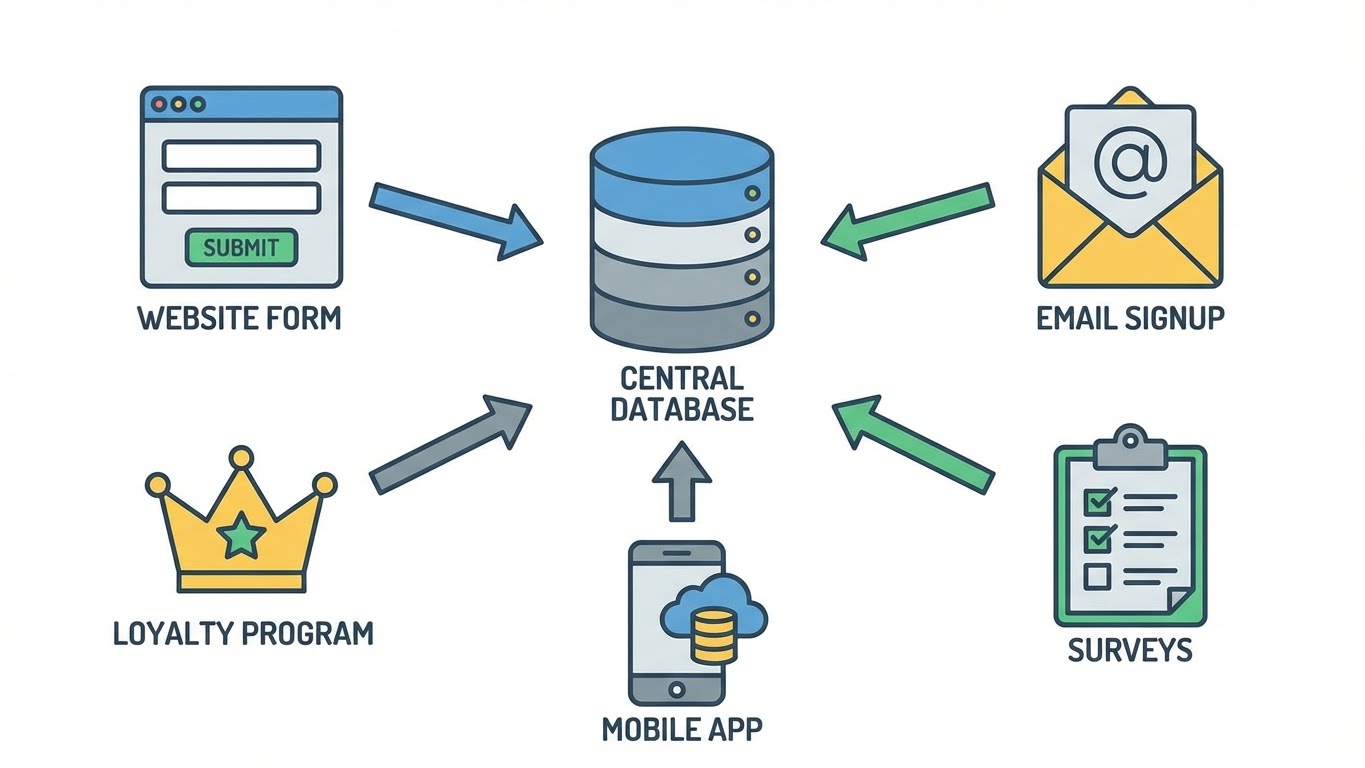
First-party data is collected through direct interactions between a business and its audience. These methods are usually transparent and based on user consent.
- Website forms such as contact forms and lead generation forms
- Email newsletter sign-ups
- Surveys and customer feedback forms
- Mobile applications and in-app activity
- Loyalty and reward programs
- Customer support chats, calls, and emails
First-Party Data vs Second-Party Data vs Third-Party Data
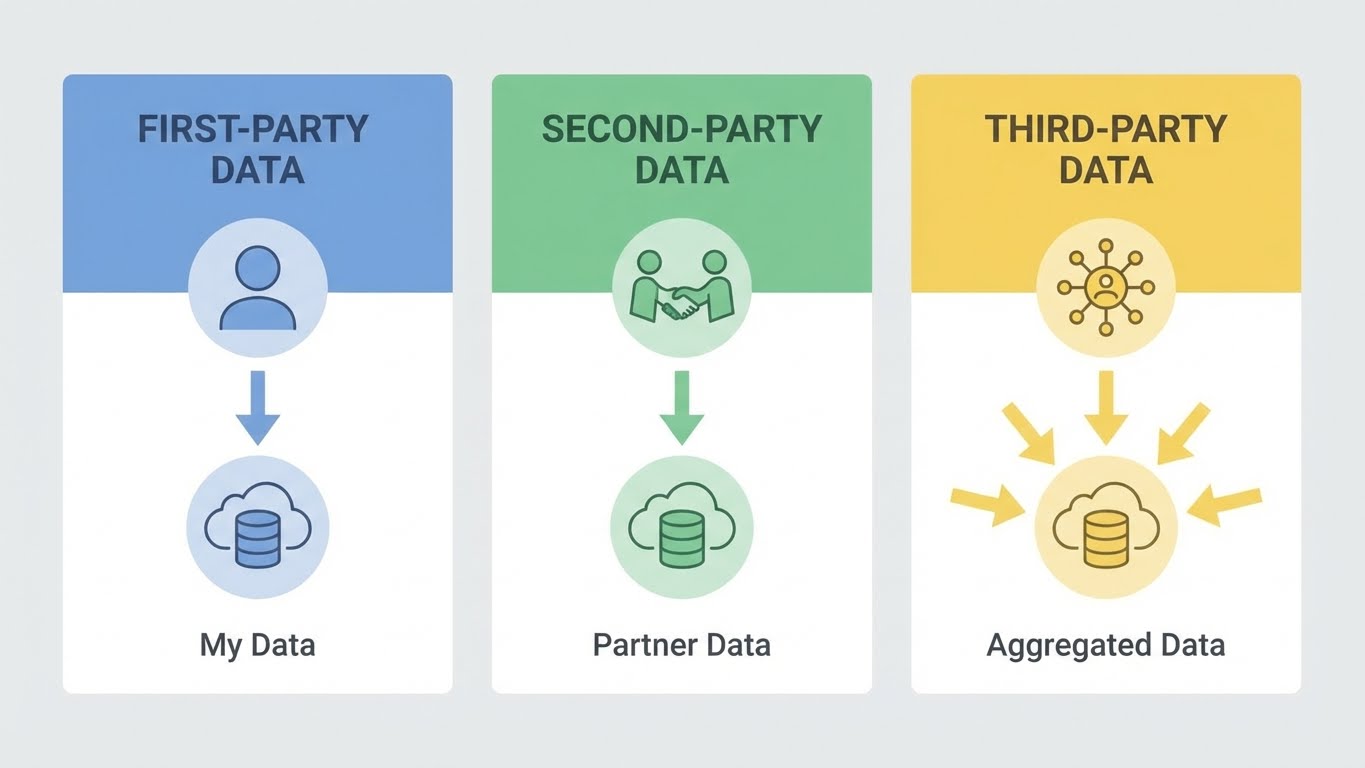
To fully understand first-party data, it is helpful to compare it with second-party and third-party data. Each type differs in ownership, source, and reliability.
- Second-party data This is data that another company collects directly and then shares with a partner. It is still reliable but not owned by the business using it.
- Third-party data This data is collected by external organizations and sold or shared with many businesses. It is less accurate and often raises privacy concerns.
- Key differences First-party data is owned, accurate, and privacy-friendly. Second-party data is shared but still direct. Third-party data is external and less transparent.
Benefits of First-Party Data
Using first-party data offers many advantages for businesses, especially in modern digital marketing.
- Higher accuracy because data comes directly from users
- Better personalization for marketing messages
- Improved customer experience
- Stronger and long-term customer relationships
- Better compliance with privacy laws
Challenges of Using First-Party Data
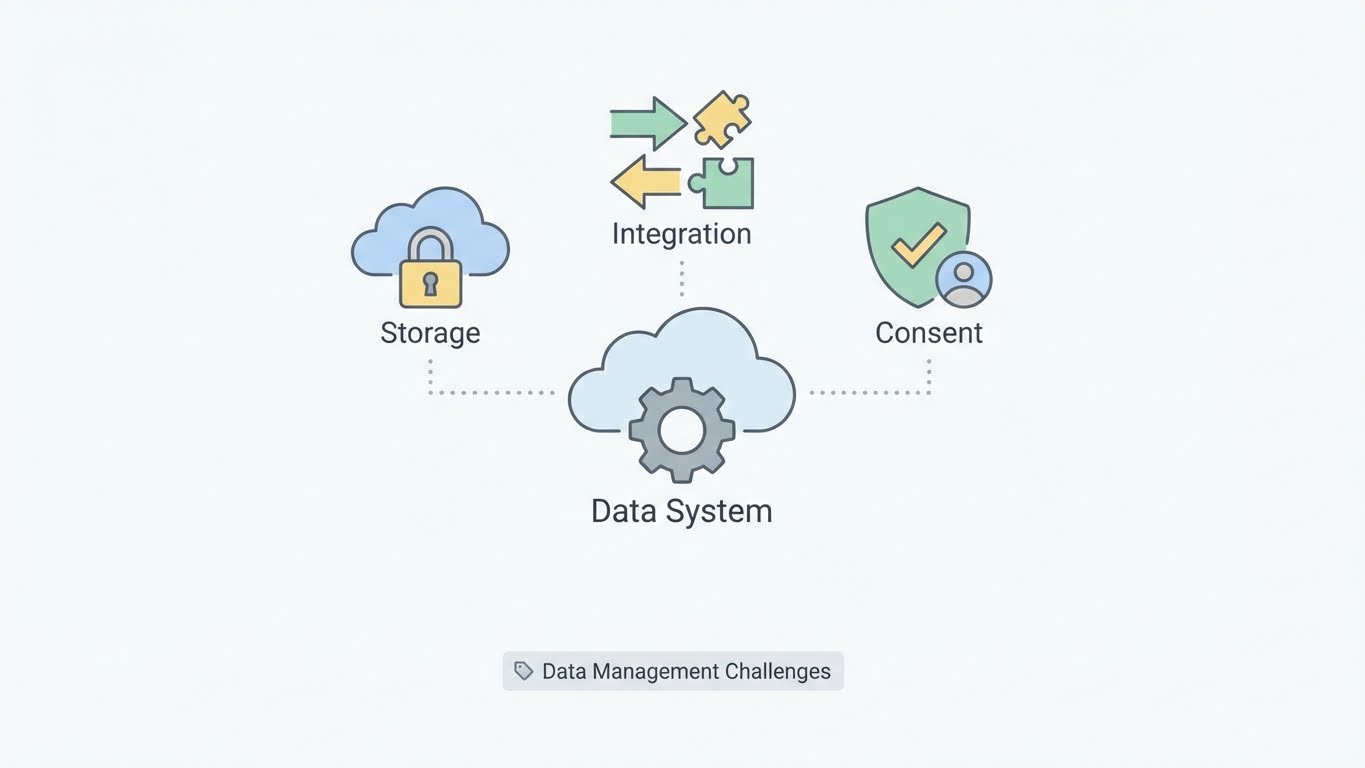
Even though first-party data is valuable, it also comes with some challenges that businesses need to manage carefully.
- Limited data compared to large third-party databases
- Need for proper data storage and management
- Difficulty in combining data from different platforms
- Requirement to follow consent and privacy rules
How First-Party Data Is Used in Marketing
First-party data helps marketers make better decisions and create more relevant campaigns. It allows businesses to understand what customers actually want.
- Audience segmentation based on behavior and interests
- Personalized marketing campaigns
- Email marketing improvements
- Retargeting and remarketing efforts
- Product and content recommendations
First-Party Data and Privacy Regulations
Privacy regulations require businesses to be careful about how they collect and use data. First-party data supports these rules because it is collected directly with user knowledge.
- Users must give clear consent
- Data usage must be transparent
- Privacy policies must explain data collection clearly
- First-party data helps reduce legal risks
Best Practices for Collecting First-Party Data
Collecting first-party data the right way helps build trust and improves data quality.
- Be clear about why data is being collected
- Offer value such as content, discounts, or updates
- Use simple and clear opt-in methods
- Keep user data secure
- Regularly clean and update stored data
Tools Commonly Used to Manage First-Party Data
Managing first-party data properly requires the right tools. These tools help store, organize, and use data effectively.
- Analytics tools for tracking website behavior
- Customer relationship management systems
- Email marketing platforms
- Customer data platforms for unifying data
Conclusion
First-party data is data that businesses collect directly from their own customers and audience. It is accurate, reliable, and collected with user consent. In today’s privacy-focused digital world, first-party data is one of the most valuable assets a business can have.
For beginners, understanding first-party data is the first step toward building better marketing strategies. By collecting and using first-party data responsibly, businesses can improve customer experience, stay compliant with regulations, and create stronger relationships with their audience.

Passionate about blogging and focused on elevating brand visibility through strategic SEO and digital marketing. Always tuned in to the latest trends, I’m dedicated to maximizing engagement and delivering measurable ROI in the dynamic world of digital marketing. Let’s connect and unlock new opportunities together!