

However, one interesting pattern has been observed repeatedly: many torrent platforms disappear suddenly and then reappear again under new domains or mirror sites. Users who have followed torrent ecosystems for years often notice that popular platforms vanish overnight, only to return weeks or months later.
This cycle has happened with several well-known torrent platforms over time. Communities built around file sharing often migrate to new domains, mirrors, or alternative platforms. Even well-known torrent communities such as extratorrents have experienced periods of disappearance and reappearance due to various factors.
Understanding why torrent platforms behave this way requires examining several aspects including legal pressure, government regulations, technological strategies, and the resilience of online communities.
In this detailed article, we will explore the main reasons why torrent platforms disappear and reappear online, how these platforms operate, and why the torrent ecosystem continues to exist despite repeated shutdown attempts.
Extratorrents and the Evolution of Torrent Communities

To understand the evolution of torrent platforms, it helps to look at examples from the past. One notable platform often discussed in the context of torrent communities is extratorrents.
Torrent platforms like extratorrents function primarily as torrent indexing websites. They do not usually host the files themselves. Instead, they provide torrent files or magnet links that allow users to download content through peer-to-peer networks.
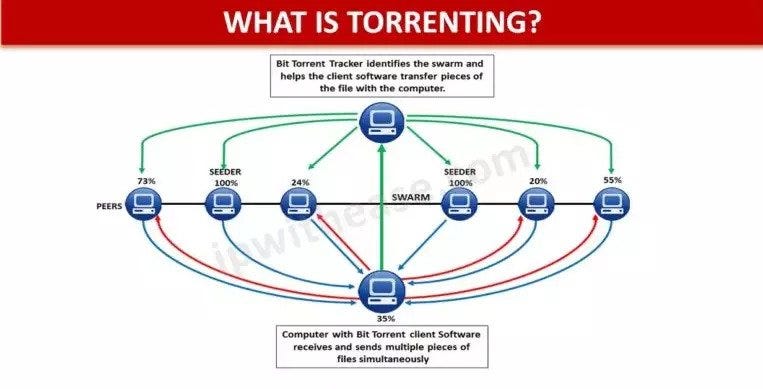
A typical torrent ecosystem works in the following way:
-
A user uploads a torrent file or magnet link.
-
Other users download the file using torrent clients.
-
The file is shared across multiple users instead of a single server.
-
Each user becomes part of a decentralized sharing network.
This system makes torrent technology extremely resilient. Even if one user leaves the network, others can continue sharing the file.
Torrent platforms such as extratorrents historically served as directories where users could find and access torrent links easily. Over time, these platforms built large communities of users who shared and downloaded content.
However, because some torrent platforms facilitated sharing copyrighted material, they often attracted legal scrutiny.
Legal Pressure and Copyright Enforcement

One of the most important reasons torrent platforms disappear is legal pressure related to copyright infringement.
Movies, music, games, and software are typically protected under copyright laws. These laws grant creators exclusive rights to distribute and profit from their content.
When copyrighted material is shared without permission, it can lead to significant financial losses for creators and companies.
Because of this, production studios, music labels, and software companies actively monitor the internet for unauthorized distribution.
When a torrent platform is found to be facilitating large-scale copyright infringement, legal action may be taken. This can include:
-
Court orders to shut down websites
-
Domain seizures
-
Hosting provider suspensions
-
Legal action against operators
These actions can force torrent platforms to close their websites temporarily or permanently.
However, the story often does not end there. Torrent communities frequently migrate to alternative domains or mirror platforms, which leads to the reappearance of similar websites.
Government Regulations and Internet Restrictions

Governments around the world have introduced stricter regulations to combat online piracy.
Many countries now have laws that allow authorities to block websites associated with copyright infringement.
These blocks are often implemented through internet service providers (ISPs). Once a blocking order is issued, ISPs prevent users from accessing the domain.
This type of restriction does not necessarily remove the website from the internet entirely. Instead, it makes the site inaccessible from certain regions.
As a result, torrent platforms often move to new domains when existing ones are blocked. For example, a website may shift from one domain extension to another or create mirror sites hosted in different countries.
Historically, communities connected with platforms like extratorrents have adapted to these restrictions by using alternate domains and proxy sites.
Domain Suspension and Hosting Issues

Another reason torrent platforms disappear is domain suspension or hosting termination.
Every website relies on two important services:
-
Domain registration
-
Web hosting infrastructure
If a domain registrar receives complaints about illegal activities, it may suspend the domain name. Similarly, hosting providers may terminate accounts that violate their policies.
Most hosting companies prohibit websites that distribute copyrighted content without authorization.
When hosting is terminated, the website immediately becomes unavailable.
Torrent platforms often respond by:
-
Registering new domains
-
Migrating to new hosting providers
-
Using offshore hosting services
These steps allow the platform to reappear online, sometimes within a very short period.
Search Engine De-Indexing
Search engines also play a role in the disappearance of torrent platforms.
When copyright holders report piracy websites, search engines may remove them from search results. This process is known as de-indexing.
Once a website is de-indexed:
-
It becomes difficult for users to find through search engines.
-
Organic traffic decreases significantly.
-
New users may not discover the site easily.
To overcome this challenge, torrent platforms often launch new domains and attempt to regain visibility in search results.
Over time, this leads to a continuous cycle where websites disappear from search engines and then reappear under new domains.
Community Resilience and Migration

One major reason torrent platforms continue to reappear is the strength of their communities.
Torrent users often form strong online communities that communicate through forums, chat platforms, and social media.
When a platform disappears, these communities often migrate together to alternative platforms.
This migration process can involve:
-
Sharing new domain links
-
Creating mirror sites
-
Launching replacement platforms
-
Rebuilding community forums
Because of this community support, torrent ecosystems remain resilient even when individual websites shut down.
For example, when a major platform disappears, users may move to similar platforms or create new torrent directories inspired by older sites like extratorrents.
The Role of Mirror Sites and Proxy Platforms
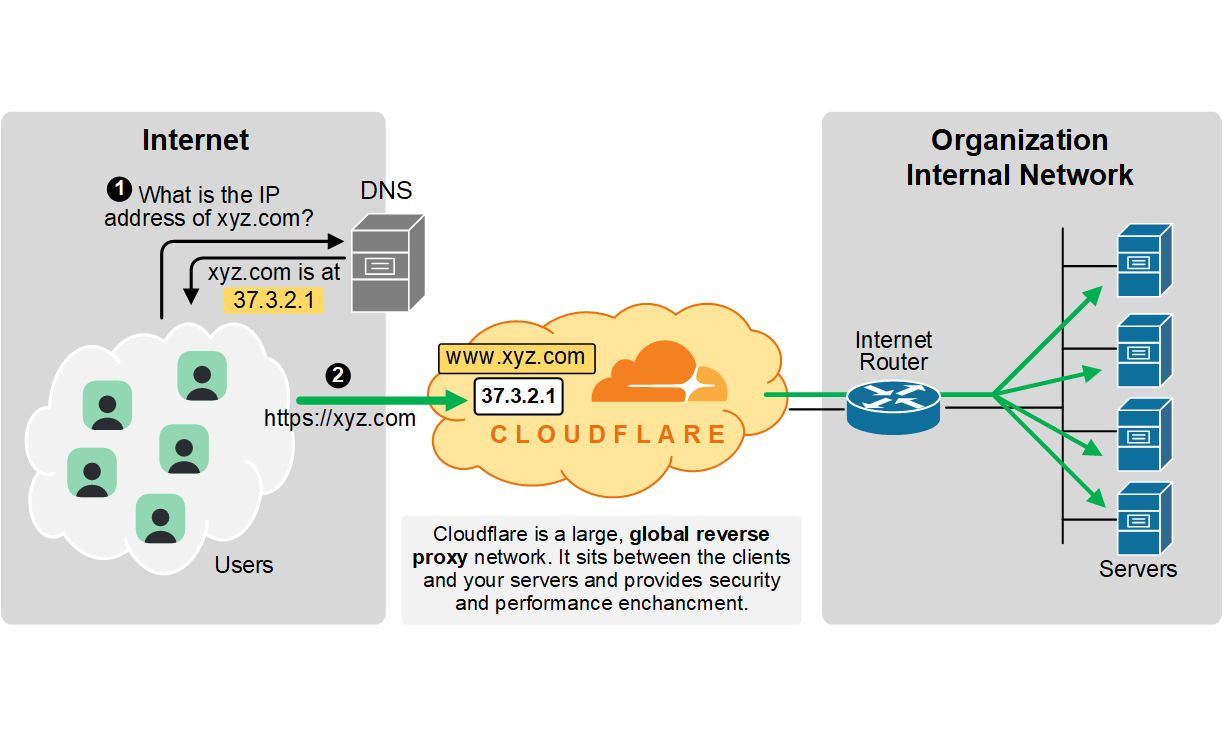
Another reason torrent platforms reappear quickly is the use of mirror sites and proxy platforms.
A mirror site is essentially a copy of a website hosted on another domain.
Proxy sites work as intermediaries that allow users to access blocked websites.
These systems help torrent platforms remain accessible even when their primary domain is restricted.
For example, when a torrent platform shuts down, mirror sites may still remain active. Users can access the same content through these alternative domains.
Technological Resilience of Torrent Networks
Torrent technology itself is designed to be decentralized.
Unlike traditional websites that rely on centralized servers, torrent networks distribute files across multiple users.
This means that:
-
Files remain available as long as users continue sharing them.
-
Content does not depend on a single hosting server.
-
Networks can survive even when platforms disappear.
Because of this decentralized structure, torrent ecosystems are often difficult to eliminate completely.
Even when a platform disappears, the underlying peer-to-peer network can continue functioning.
Risks Associated With Torrent Platforms
While torrent platforms may offer access to various types of content, they also carry several risks.
Some common concerns include:
Security threats – Malicious downloads may contain viruses or malware.
Fake torrent files – Some files may not contain the promised content.
Privacy risks – Torrent activity can sometimes expose user IP addresses.
Legal concerns – Laws regarding file sharing vary by country.
Users should always be aware of these risks before engaging with torrent platforms.
The Future of Torrent Platforms
The future of torrent platforms remains uncertain.
On one hand, governments and copyright organizations continue developing stronger anti-piracy strategies.
These include:
-
Advanced monitoring tools
-
Faster domain blocking systems
-
International copyright enforcement agreements
On the other hand, decentralized technologies and online communities continue to support peer-to-peer networks.
As long as the demand for digital content sharing exists, torrent ecosystems may continue evolving.
Conclusion
The disappearance and reappearance of torrent platforms is the result of a complex interaction between technology, legal enforcement, and online communities.
Platforms like extratorrents illustrate how torrent ecosystems have evolved over time. While individual websites may disappear due to legal pressure, domain suspensions, or search engine restrictions, new platforms often emerge to take their place.
This continuous cycle highlights both the challenges of controlling online piracy and the resilience of decentralized technologies.
Understanding these dynamics provides insight into how digital file sharing communities adapt to changing internet regulations and technological developments.

A digital marketer with a strong focus on SEO, content creation, and AI tools. Creates helpful, easy-to-understand content that connects with readers and ranks well on search engines. Loves using smart tools to save time, improve content quality, and grow online reach.