

YouTube Shorts monetization has evolved significantly and is no longer an experimental feature. In 2026, Shorts are a core part of YouTube’s creator economy and are treated as a long-term revenue format rather than a temporary growth hack. Millions of users consume short-form videos daily, making Shorts one of the fastest ways for creators to gain reach, visibility, and income.
Earlier, Shorts were mainly used to grow subscribers, but today they also generate direct earnings through YouTube’s monetization system. However, monetizing Shorts is not the same as monetizing long-form videos. The earning structure, eligibility requirements, and revenue calculations work differently and often cause confusion among creators.
This guide explains YouTube Shorts monetization in detail, including how it works in 2026, what the requirements are, how much creators can earn, and how to maximize revenue without relying on assumptions or unsupported claims.
What Is YouTube Shorts Monetization?
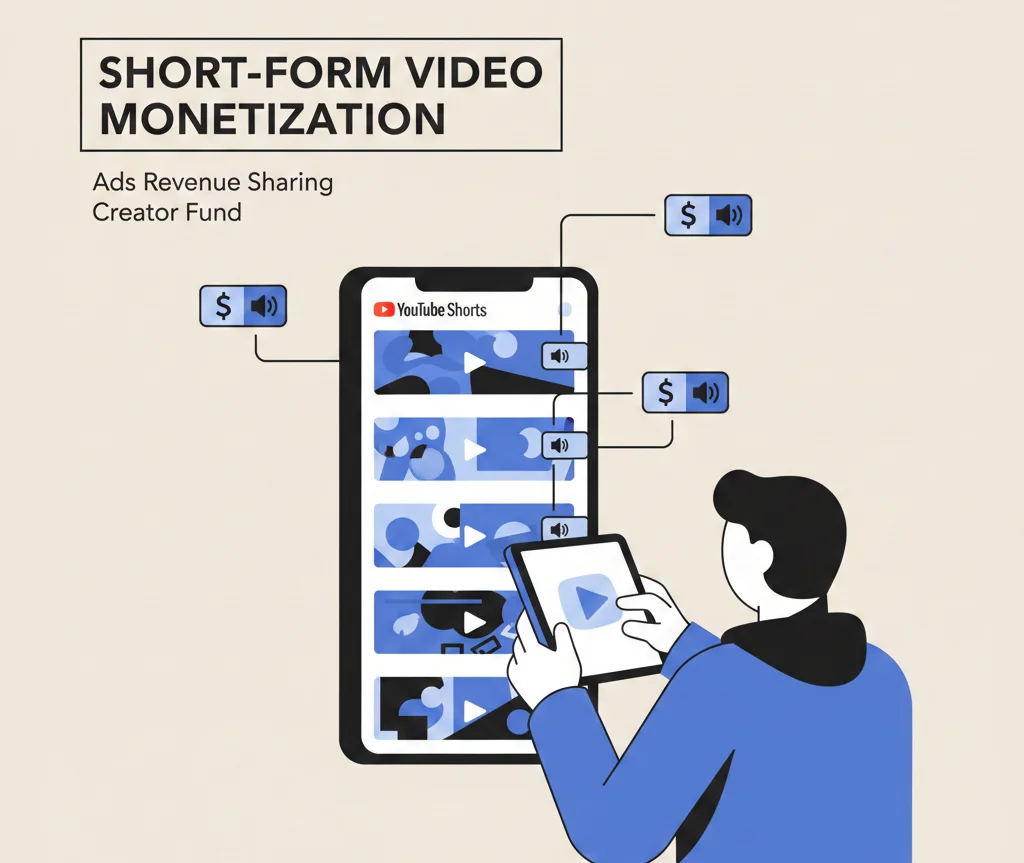
YouTube Shorts monetization refers to the system through which creators earn money from short-form vertical videos published on YouTube. Shorts are designed for fast consumption, algorithm-driven discovery, and mobile-first audiences.
Unlike traditional YouTube videos, where ads are shown before or during a specific video, Shorts use a pooled monetization model. Ads appear between videos as users scroll through the Shorts feed, and the revenue from these ads is collected into a shared pool.
- Monetization is not tied to individual Shorts
- Revenue comes from ads shown in the Shorts feed
- Earnings are distributed among eligible creators
- Music licensing costs are deducted before payouts
- Only channels in the YouTube Partner Program can earn
This model allows YouTube to support a smooth viewing experience while still compensating creators for engagement and reach.
How YouTube Shorts Monetization Works in 2026
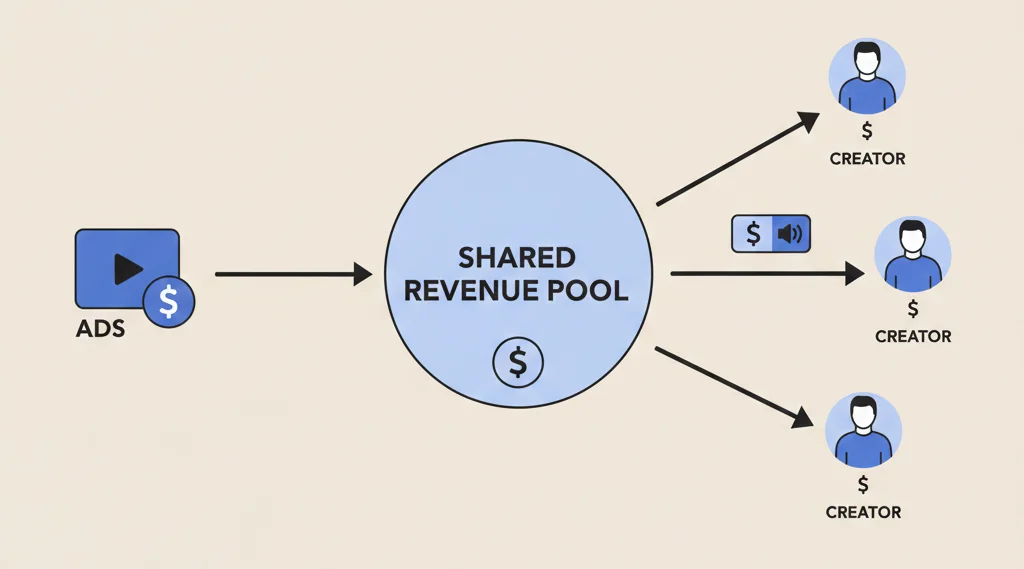
In 2026, YouTube Shorts monetization follows a structured and standardized process that applies to all eligible creators. When users scroll through the Shorts feed, they are shown advertisements between videos rather than inside them. These ads generate revenue that goes into a centralized Shorts ad revenue pool.
The monetization process works as follows:
- YouTube displays ads in the Shorts feed
- All ad revenue is collected into a shared pool
- Music licensing costs are deducted first
- Remaining revenue is allocated to creators
- Creators receive a fixed percentage of the distributable amount
Earnings are calculated based on the proportion of valid monetized views a creator receives compared to total monetized Shorts views on the platform. Views that come from spam, bots, or misleading tactics are excluded.
Geography plays an important role, as advertisers pay different rates in different regions. As a result, creators with audiences in higher advertising-demand regions generally earn more per view.
YouTube Shorts Monetization Requirements (2026 Updated)
1. Eligibility Criteria for YouTube Partner Program (YPP)
To monetize YouTube Shorts, creators must be accepted into the YouTube Partner Program. YouTube offers a Shorts-specific eligibility route, separate from the traditional watch-time-based route for long-form videos.
The eligibility criteria include:
- A minimum of 1,000 subscribers
- A required number of valid public Shorts views within the last 90 days
- Compliance with all YouTube Partner Program policies
- An active channel with original content
Once these conditions are met, creators can apply for monetization through YouTube Studio.
2. Channel Requirements
Meeting numeric thresholds alone is not enough. YouTube also reviews the overall quality and compliance of the channel.
- The creator must meet minimum age requirements
- A verified and linked AdSense account is required
- Content must be original or meaningfully transformed
- No repeated copyright violations or reused content issues
- Full compliance with Community Guidelines and monetization policies
Channels that fail to meet these requirements may be rejected or removed from monetization even after approval.
YouTube Shorts Earnings Explained
YouTube Shorts earnings are often misunderstood because they work differently from long-form video earnings. There is no fixed payout per view, and earnings can vary widely from month to month.
Shorts earnings are influenced by:
- Total Shorts ad revenue for the period
- Number of monetized views across the platform
- The creator’s share of those views
- Audience location and ad demand
- Music usage in Shorts
In general, Shorts generate lower revenue per 1,000 views compared to long-form videos. Earnings are volume-driven, meaning creators typically need large view counts to generate meaningful income.
Creators should view Shorts earnings as supplemental income or as part of a broader monetization strategy rather than a guaranteed standalone revenue source.
YouTube Shorts Revenue Streams Beyond Ads

1. Brand Deals and Sponsorships
Brand collaborations are one of the most reliable income sources for Shorts creators. Brands value Shorts for quick exposure and high engagement.
- Brands pay creators for promotions or mentions
- Payment depends on niche, engagement, and audience trust
- Short-form content allows faster campaign execution
Creators with consistent performance often earn more from sponsorships than from ad revenue alone.
2. Affiliate Marketing via Shorts
Affiliate marketing allows creators to earn commissions by promoting products or services.
- Affiliate links are added to descriptions or pinned comments
- Product-focused content performs well
- High posting frequency increases exposure
Affiliate earnings are independent of YouTube’s monetization system and can scale significantly with traffic.
3. Fan Funding and Memberships
Shorts help creators build loyal audiences who support them financially.
- Super Thanks allow direct viewer contributions
- Channel memberships provide recurring income
- Shorts act as discovery funnels for long-term fans
This revenue stream is most effective when combined with longer content formats.
How to Enable Monetization for YouTube Shorts
After meeting eligibility requirements, creators must manually activate monetization.
- Apply to the YouTube Partner Program in YouTube Studio
- Link and verify an AdSense account
- Accept Shorts monetization terms
- Enable monetization settings for eligible content
Approval timelines vary depending on review volume and channel history.
Best Practices to Maximize YouTube Shorts Earnings

Maximizing YouTube Shorts earnings in 2026 requires more than posting frequently. Since revenue is tied to valid views and overall engagement, creators must focus on content quality, retention, and consistency rather than chasing viral moments alone.
The algorithm favors Shorts that keep viewers watching and encourage repeated engagement. Creators who understand how viewers consume short-form content are more likely to increase their share of monetized views.
- Capture attention within the first few seconds to prevent swipe-aways
- Keep storytelling tight and focused on a single idea
- Maintain consistent posting schedules to train audience behavior
- Use trends carefully while adding original context
- Track audience retention, replay rates, and engagement metrics
Improving these factors increases the likelihood that Shorts will be shown more frequently in the feed, leading to higher monetized reach.
YouTube Shorts vs Long-Form Videos: Monetization Comparison
YouTube Shorts and long-form videos serve different purposes within the platform’s monetization ecosystem. Shorts are optimized for discovery and reach, while long-form content is designed for deeper engagement and higher revenue per viewer.
Shorts offer fast exposure and subscriber growth but typically generate lower revenue per view. Long-form videos, on the other hand, allow multiple ad placements and higher advertiser value.
- Shorts focus on volume-based monetization
- Long-form videos benefit from watch time and mid-roll ads
- Shorts require consistent high views to earn meaningfully
- Long-form content produces more stable revenue
Creators who combine both formats often see the strongest overall monetization results.
YouTube Shorts Monetization for Businesses and Brands
Businesses increasingly use YouTube Shorts as a monetization and marketing tool rather than relying solely on ad revenue. Shorts help brands reach new audiences quickly and cost-effectively.
For businesses, monetization is often indirect and tied to outcomes rather than payouts from YouTube.
- Shorts increase brand awareness and visibility
- Products can be introduced quickly and repeatedly
- Leads and sales are generated through engagement
- Success is measured using conversions and customer actions
Shorts are particularly effective for top-of-funnel marketing and audience education.
Final Thoughts
YouTube Shorts monetization is worth pursuing in 2026 for creators focused on growth, discoverability, and diversified income streams. While ad revenue alone may not provide consistent full-time income, Shorts play a powerful role in expanding reach and supporting other monetization methods.
Creators who rely solely on Shorts ad revenue may struggle, but those who combine Shorts with sponsorships, affiliate marketing, fan support, and long-form content can build sustainable earning models. Success depends on originality, consistency, and a clear understanding of how Shorts monetization actually works.
Frequently Asked Questions (FAQs)
How does YouTube Shorts monetization work in 2026?
YouTube Shorts monetization works through a shared ad revenue pool. Ads are shown between Shorts in the feed, and the total revenue is collected. After deducting music licensing costs, the remaining revenue is distributed among eligible creators based on their share of valid monetized views.
Do you need 1,000 subscribers to monetize YouTube Shorts?
Yes, creators must have at least 1,000 subscribers and meet the required Shorts views threshold within the last 90 days to qualify for the YouTube Partner Program and enable Shorts monetization.
How many views do YouTube Shorts need to start earning money?
There is no fixed number of views that guarantees earnings. Revenue depends on total ad revenue, valid monetized views, audience location, and overall engagement. Higher view volume generally increases earning potential.
How much money do YouTube Shorts pay per 1,000 views?
YouTube Shorts do not have a fixed RPM or CPM. Earnings per 1,000 views vary based on ad demand, viewer location, and the size of the Shorts revenue pool during a given period.
Why are YouTube Shorts earnings lower than long-form videos?
Shorts earnings are typically lower because ads are not shown directly on individual videos. Revenue is shared across creators through a pooled model, whereas long-form videos can display multiple ads and generate higher advertiser value.
Can you monetize YouTube Shorts without joining the YouTube Partner Program?
No, YouTube Shorts monetization is only available to creators who are accepted into the YouTube Partner Program and comply with all monetization policies.
Does using copyrighted music affect Shorts earnings?
Yes, music licensing costs are deducted from the Shorts revenue pool before earnings are distributed. Using copyrighted music can reduce the amount of revenue available for creators.
How often does YouTube pay Shorts creators?
YouTube processes Shorts earnings monthly and pays creators through AdSense once the payment threshold is reached and all account requirements are met.