


Summary
This in-depth article explores the BCG Matrix Analysis of Nike, one of the world’s most powerful and recognizable athletic brands. The BCG Matrix helps us understand how Nike strategically positions its diverse product portfolio—from iconic footwear like Nike Air Max and Jordan to apparel, accessories, and lesser-known lines like Nike SB. You’ll discover how Nike’s products fall into four distinct categories — Stars, Cash Cows, Question Marks, and Dogs, each representing its market growth and share. The article also touches on Nike psychographics, brand strategy, and the significance of the Nike star logo in sustaining customer loyalty and driving global success.
Whether you’re an athlete, sneaker collector, or casual fashion enthusiast, it’s nearly impossible not to recognize Nike. The swoosh symbol and the powerful tagline “Just Do It” have become synonymous with ambition, movement, and motivation. Over the decades, Nike has evolved from a small running shoe distributor into a multibillion-dollar global brand dominating the sportswear industry.
The Nike BCG Matrix is a strategic tool that helps us visualize where each of Nike’s products stands in terms of market share and growth rate. It reveals how Nike allocates resources, which products generate the most profit, and which ones need innovation or repositioning.
Through this detailed analysis, we’ll uncover how Nike’s product categories—such as shoes, sportswear, accessories, and skateboarding lines—fit into the four quadrants of the Boston Consulting Group (BCG) Matrix. We’ll also discuss how Nike psychographics and brand identity, symbolized by the Nike star logo, play vital roles in sustaining the brand’s leadership in the global market.
Background of Nike
Founded in 1964 by Bill Bowerman and Phil Knight as Blue Ribbon Sports, Nike began as a small distributor for Japanese running shoes. The company’s transformation came in 1971 when it was rebranded as Nike Inc., inspired by the Greek goddess of victory. Its iconic Nike star logo, the Swoosh, was designed for just $35 but has since become one of the most recognized symbols worldwide.
Nike’s headquarters are in Beaverton, Oregon, and the company operates in over 190 countries. Its product range includes footwear, apparel, equipment, and accessories for nearly every sport imaginable—from running and basketball to golf, soccer, and skateboarding.
Today, Nike is valued at over $150 billion, maintaining a dominant share of the global sportswear market. Its success stems from a deep understanding of Nike psychographics—the brand’s ability to connect emotionally with customers by targeting their aspirations, athletic identity, and lifestyle.
Nike’s consumer base is not just about demographics (age, income, location); it’s about psychographics—their mindset. Nike inspires consumers who believe in pushing limits, staying active, and expressing individuality through performance and style. This emotional branding helps Nike maintain loyalty across generations and cultures.
Overview of the BCG Matrix
The BCG Matrix, or Boston Consulting Group Growth-Share Matrix, is a strategic framework used by companies to analyze their product portfolio based on two factors:
- Market Growth Rate (Y-axis): Indicates the potential for expansion in a specific market.
- Relative Market Share (X-axis): Represents a product’s dominance compared to competitors.
The matrix divides products into four quadrants:
- Stars – High growth, high market share
- Cash Cows – Low growth, high market share
- Question Marks – High growth, low market share
- Dogs – Low growth, low market share
This tool helps Nike identify which products to invest in, maintain, develop, or phase out, optimizing profitability and long-term brand strength.
Also Read:Microsoft BCG Matrix Analysis
Nike’s BCG Matrix Overview
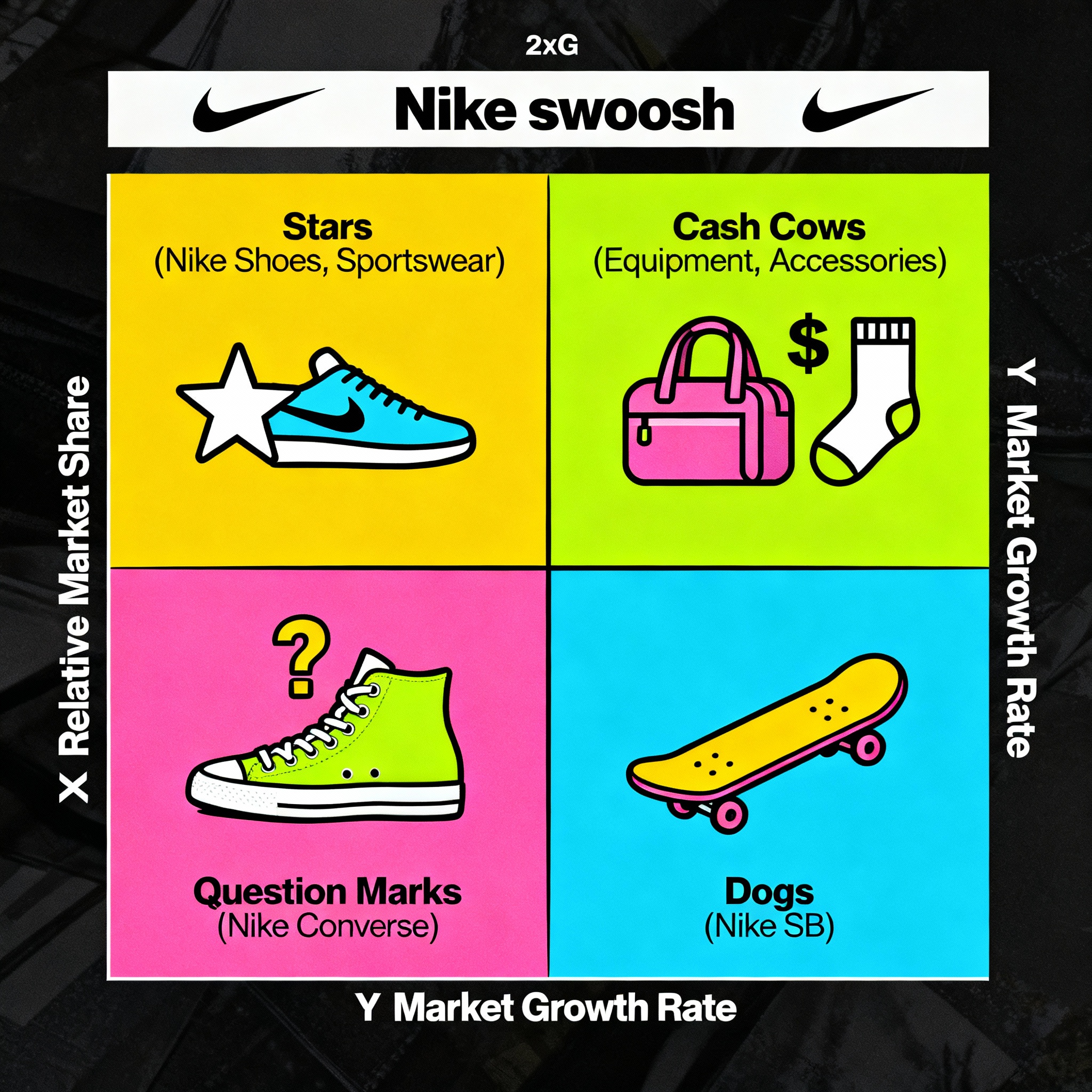
Nike’s diverse product portfolio spans several categories, including shoes, apparel, accessories, and specialty lines. Each of these can be positioned within one of the four BCG Matrix quadrants.
Here’s how the Nike BCG Matrix is structured:
- Stars: Nike Shoes and Sportswear
- Cash Cows: Nike Equipment and Accessories
- Question Marks: Nike Converse
- Dogs: Nike SB (Skateboarding Line)
Now, let’s dive into each quadrant to understand how Nike manages and positions its products strategically.
Stars: Nike’s High-Growth Leaders
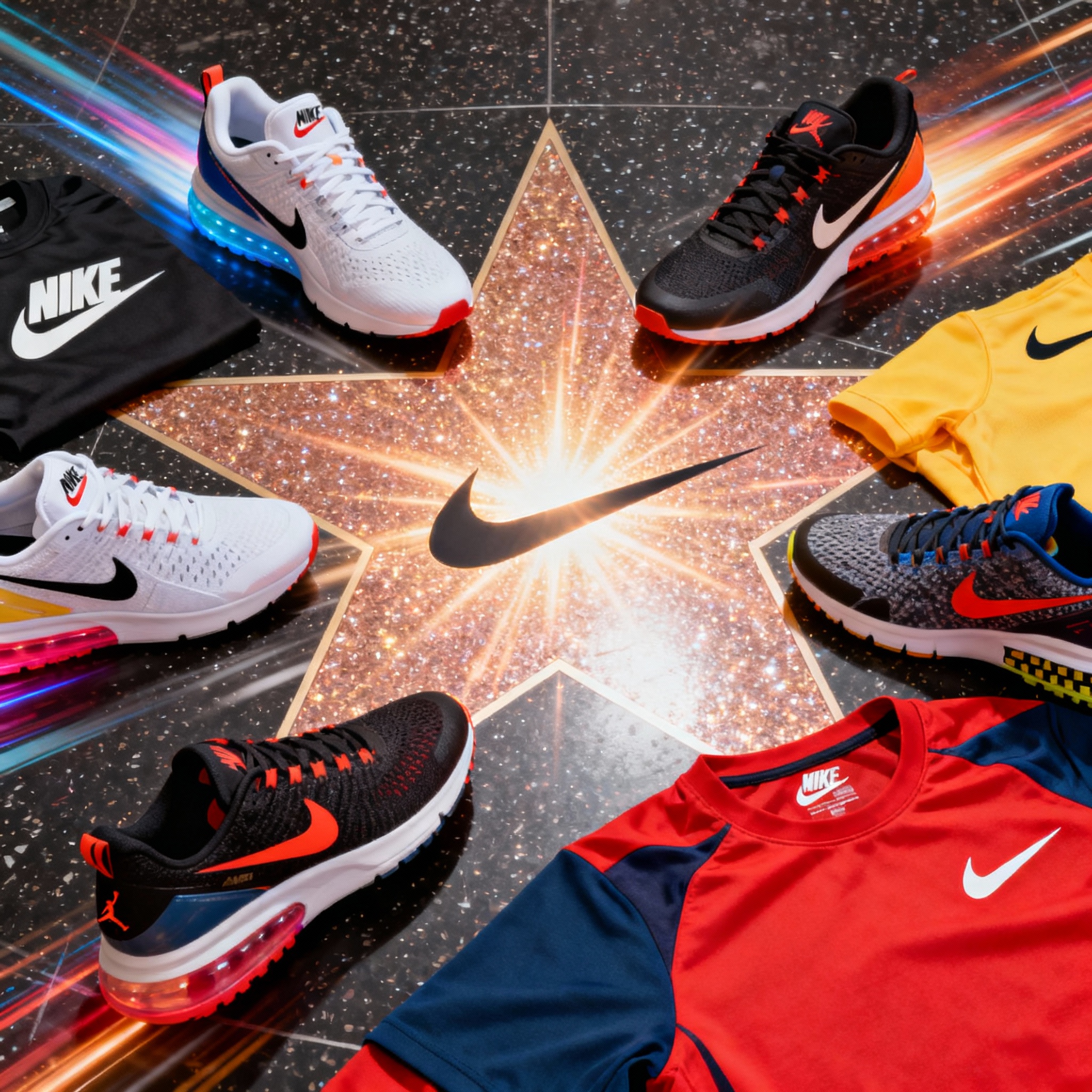
Nike Shoes and Sportswear
Nike’s footwear and sportswear are the company’s Stars—high-growth, high-market-share products that dominate the global sportswear industry. These products are Nike’s lifeblood, driving billions in annual revenue and fueling innovation across the brand.
Why They’re Stars
Nike’s shoes—particularly iconic lines like Air Max, Air Jordan, and React—represent the perfect combination of innovation, performance, and style. The brand’s investments in research and technology, such as Nike Air Cushioning, Flyknit, and ZoomX foam, keep these products ahead of competitors like Adidas and Puma.
The sportswear segment, which includes tracksuits, performance apparel, and casual athleisure, has also become a Star category due to the rise of athleisure culture and health-conscious lifestyles post-2020.
Marketing and Nike Psychographics
Nike’s marketing goes beyond product features—it taps into the psychographics of motivation, self-belief, and achievement. Through emotionally charged campaigns featuring icons like LeBron James, Serena Williams, and Cristiano Ronaldo, Nike inspires consumers to “Just Do It,” transforming its Stars into cultural symbols.
Outcome
Nike’s Star products not only generate massive revenue but also strengthen brand loyalty. As the sportswear market matures, these Stars will likely transition into Cash Cows, continuing to deliver stable returns for years.
Question Marks: Nike’s Potential Growth Areas
Nike Converse
Converse, acquired by Nike in 2003, once had an iconic status in casual footwear. However, over the years, its market share declined as competition intensified from brands like Vans, Adidas Originals, and Puma.
Why It’s a Question Mark
In the Nike BCG Matrix, Converse sits in the Question Mark quadrant. It operates in a growing lifestyle footwear market but holds a relatively smaller market share compared to Nike’s core shoe lines. Despite being popular in the early 2000s, Converse now struggles to keep pace with evolving consumer trends.
Nike’s Strategy
Nike continues to invest in reviving Converse by focusing on design collaborations (e.g., Converse x Off-White), digital campaigns, and sustainability-driven initiatives. There’s still potential for Converse to regain momentum—especially among Gen Z consumers who value retro and eco-conscious products.
Future Outlook
If Nike continues to innovate and align Converse with modern Nike psychographics, emphasizing individuality and cultural relevance, Converse could eventually transition into the Stars quadrant.
Cash Cows: Nike’s Consistent Revenue Generators
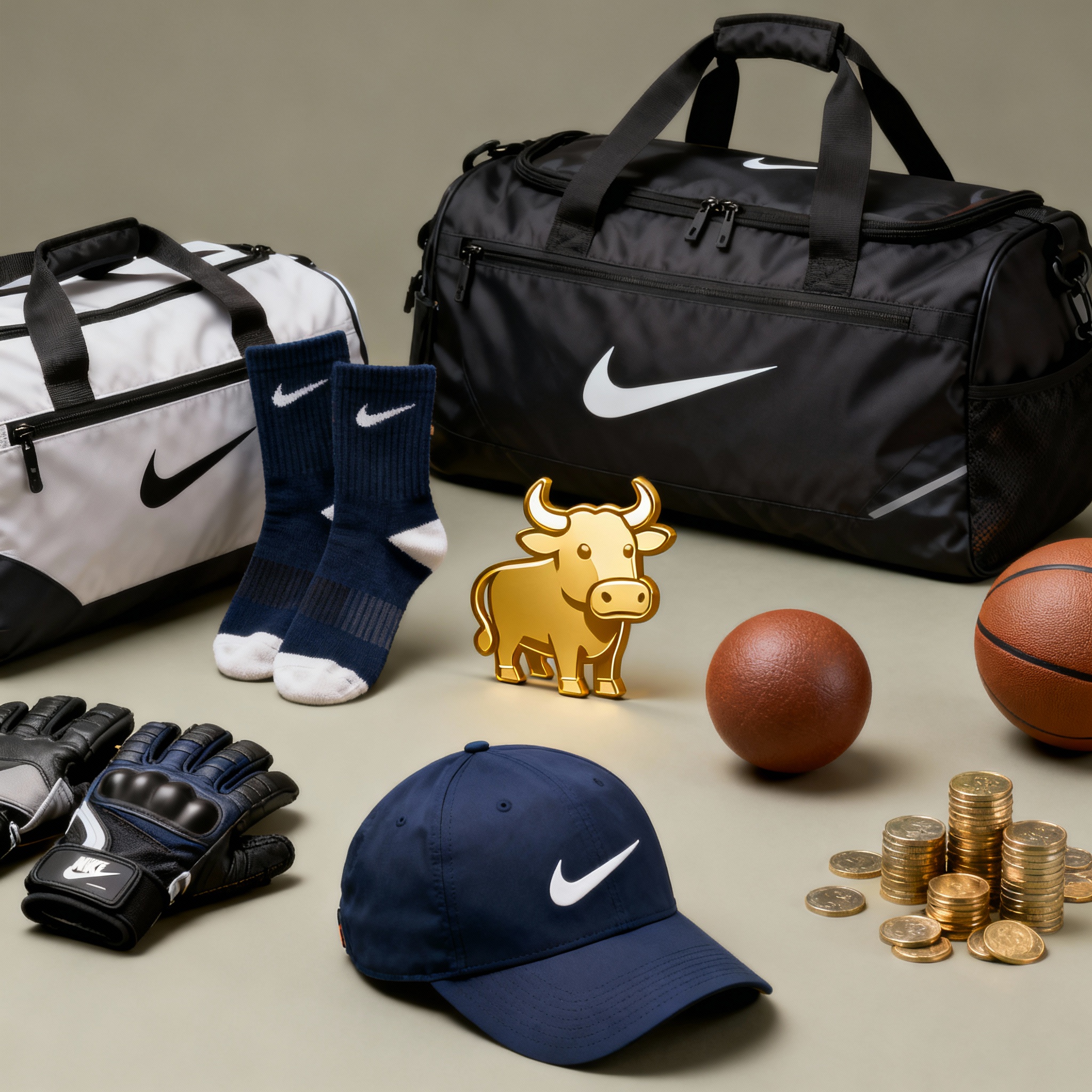
Nike Equipment and Accessories
Nike’s Cash Cows include its wide range of equipment and accessories—from sports bags and socks to balls, caps, and fitness gear. These products have a mature market and generate stable cash flows, even without aggressive marketing.
Why They’re Cash Cows
- They have high market share but operate in a low-growth segment.
- Their production cost is relatively low, and sales remain steady due to brand recognition.
- Nike’s global distribution network and retail partnerships help maintain profitability.
Nike also leverages athlete endorsements and collaborations to sustain this category’s appeal. Products like Nike training gloves, gym bags, and performance socks are essential purchases for athletes and casual gym-goers alike.
Strategic Role
These steady-performing products fund Nike’s innovation in the Star and Question Mark categories. The consistent cash flow ensures that Nike can take risks with new product launches and marketing strategies without financial instability.
Dogs: Nike’s Low-Growth, Low-Market Products
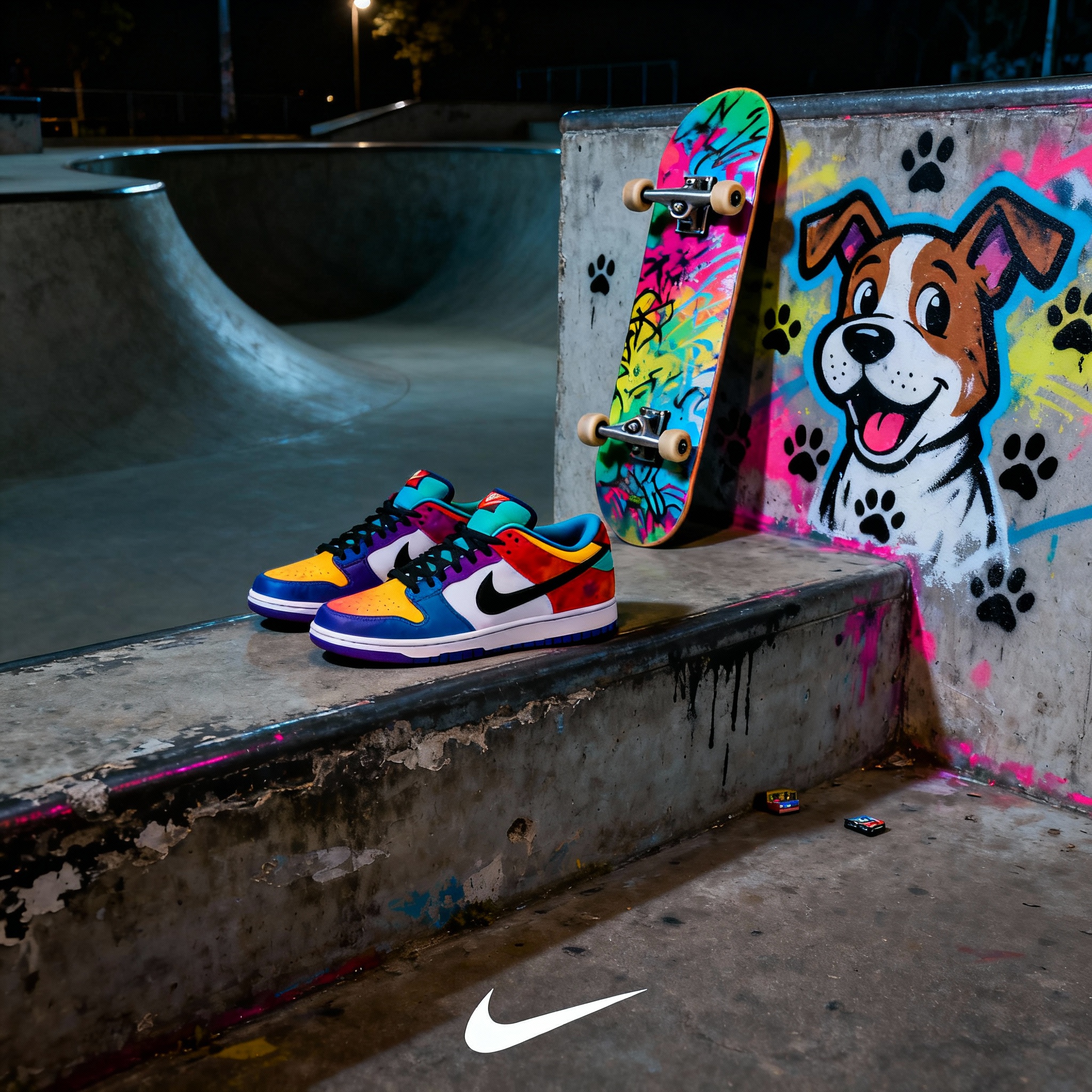
Nike SB (Skateboarding Line)
Nike SB, or Nike Skateboarding, was introduced in the early 2000s to capture the skateboarding market. Initially, the brand struggled to gain traction among core skaters who preferred Vans and DC Shoes.
Why It’s a Dog
In the Nike BCG Matrix, Nike SB falls into the Dogs quadrant because it holds a low market share and low market growth. The skateboarding community, while loyal, is niche, limiting large-scale revenue potential.
Despite high-quality products and occasional surges in popularity (especially after collaborations with artists or limited-edition releases), Nike SB doesn’t significantly contribute to Nike’s overall profits.
Nike’s Approach
Rather than discontinuing the line, Nike took a strategic pause and later relaunched popular models like Nike SB Zoom Stefan Janoski OG, hoping to re-engage skate enthusiasts. This shows Nike’s long-term vision and refusal to abandon subcultures that align with its brand ethos.
Visualization: The Nike BCG Matrix Diagram
| Quadrant | Product Category | Description |
| Stars | Nike Shoes, Sportswear | High growth, high market share — global leaders |
| Cash Cows | Equipment, Accessories | High market share, stable revenue, low growth |
| Question Marks | Nike Converse | High growth potential, low market share |
| Dogs | Nike SB | Low growth, low market share, niche audience |
A visual Nike BCG Matrix provides clarity on where Nike’s products stand strategically. It helps identify where to invest, maintain, or restructure for optimal portfolio balance.
How to Create a BCG Matrix (Step-by-Step Guide)
If you want to create your own Nike BCG Matrix or a similar business analysis, tools like Boardmix make it easy. Here’s how:
- Login to Boardmix and create a new board.
- Draw the 2×2 BCG Matrix grid using the shape tool.
- Label axes: Market Growth Rate (Y-axis) and Relative Market Share (X-axis).
- Add quadrant labels: Stars, Cash Cows, Question Marks, Dogs.
- Plot Nike’s products according to performance.
- Customize the diagram with colors, icons, or logos like the Nike star logo for better presentation.
- Save and share your matrix with team members or stakeholders for collaboration.
Creating such visual frameworks can help businesses strategize investments and identify underperforming areas effectively.
Key Takeaways
- The Nike BCG Matrix helps analyze the company’s product strength and growth opportunities.
- Nike Shoes and Sportswear dominate as Stars, symbolizing innovation and performance.
- Nike Converse sits as a Question Mark, with potential for revival through strategic branding.
- Accessories and Equipment are Cash Cows, generating consistent income.
- Nike SB represents a Dog category, offering lessons in patience and niche marketing.
- The Nike star logo and emotional marketing driven by Nike psychographics keep the brand globally relevant and aspirational.
Conclusion
The BCG Matrix of Nike perfectly illustrates the company’s strategic balance between innovation and profitability. Nike’s understanding of market trends, consumer psychographics, and emotional storytelling has allowed it to dominate for decades.
While its Stars (like Air Max and Jordan) continue to drive global appeal, its Cash Cows fund innovation. Even its Question Marks and Dogs show Nike’s commitment to evolution rather than stagnation.
For businesses, Nike serves as a masterclass in strategic portfolio management — where every product has a purpose, every logo has meaning, and every innovation aligns with consumer aspirations.
FAQs
What is the purpose of the Nike BCG Matrix?
The Nike BCG Matrix helps analyze which product lines are profitable, which need investment, and which should be restructured or discontinued. It’s a key tool for strategic planning and resource allocation.
Why are Nike Shoes considered Stars?
Nike shoes are globally popular, have high demand, and constantly evolve through innovation. Their consistent growth and dominance make them the “Stars” of the Nike BCG Matrix.
What are Nike’s Cash Cows?
Nike’s accessories and equipment—like gym bags, balls, socks, and gloves—are Cash Cows, generating stable revenue with low marketing costs.
What are Nike psychographics?
Nike psychographics refer to the emotional and motivational traits of its consumers—people driven by ambition, fitness, performance, and individuality. Nike’s campaigns target these values rather than mere demographics.
What is the significance of the Nike star logo?
The Nike star logo (Swoosh) symbolizes movement, speed, and victory. It represents the brand’s promise of empowerment and is central to Nike’s emotional connection with consumers.

A digital marketer with a strong focus on SEO, content creation, and AI tools. Creates helpful, easy-to-understand content that connects with readers and ranks well on search engines. Loves using smart tools to save time, improve content quality, and grow online reach.