

Summary
The BCG Matrix Analysis of PepsiCo helps evaluate how the company’s vast portfolio of beverages and snacks performs in terms of market share and market growth. The BCG Matrix, often referred to as the bcg matrix of pepsico or the bcg matrix of pepsi, offers a visual and strategic understanding of how PepsiCo positions its brands across four key quadrants: Stars, Cash Cows, Question Marks, and Dogs.
PepsiCo is one of the world’s largest food and beverage corporations, and its wide range of brands means that some are thriving, some require investment, and others may need repositioning. This detailed analysis explains where each product category sits within the BCG Matrix and why certain PepsiCo brands have risen or declined as market trends evolve—especially with changing consumer preferences toward healthier options.
Business environments change constantly. Consumer preferences shift, competitors grow, and new product categories emerge. To keep up, companies like PepsiCo must evaluate their product portfolios regularly. A widely accepted way to do this is by using the BCG Matrix, which assesses business units based on industry growth and relative market share.
PepsiCo, a dominant global food and beverage leader, has one of the most diverse product portfolios in the world, ranging from carbonated beverages to snacks, bottled water, sports drinks, breakfast cereals, dips, juices, and more. Understanding how each of these offerings fits into the bcg matrix of pepsico is crucial for long-term strategic planning.
In this blog, we will break down the BCG Matrix of PepsiCo in detail, explain the business logic behind each quadrant, and explore how PepsiCo can adapt to market changes.
Background of PepsiCo
PepsiCo’s origins trace back to Pepsi-Cola, created by Caleb Bradham in 1898. Though the drink became popular, the company faced financial challenges during World War I. In 1931, businessman Charles Guth revived Pepsi-Cola, laying the foundation for the modern Pepsi brand.
Over the decades, PepsiCo expanded aggressively. Its merger with Frito-Lay in 1965 transformed the company into a global food and beverage powerhouse. The company now owns more than 200 brands, including Pepsi, Lay’s, Doritos, Tropicana, Gatorade, Aquafina, Quaker, and more.
PepsiCo’s product categories span:
- Carbonated soft drinks
• Bottled water
• Energy and sports drinks
• Ready-to-eat snacks
• Breakfast foods
• Juices and flavored beverages
With such a wide product mix, the bcg matrix of pepsi becomes a powerful tool for evaluating which brands are market leaders and which require strategic change.
What is the BCG Matrix
The BCG (Boston Consulting Group) Matrix divides a company’s business units into four categories based on:
- Market Growth Rate
• Market Share Relative to Competitors
These quadrants include:
1. Stars
- High market share
- High market growth
- Require investment but deliver strong future potential
2. Question Marks
- Low market share
- High market growth
- Require strategic decisions to determine future viability
3. Cash Cows
- High market share
- Low market growth
- Strong profit generators needing minimal investment
4. Dogs
- Low market share
- Low market growth
- Weak performance, potential decline or divestment
Applying this framework to PepsiCo’s portfolio gives a clearer understanding of how the brand should allocate resources and plan for growth.
BCG Matrix of PepsiCo (Detailed Analysis)
Below is the complete classification of PepsiCo’s major product categories across the four BCG quadrants.
Stars – High Market Share & High Market Growth
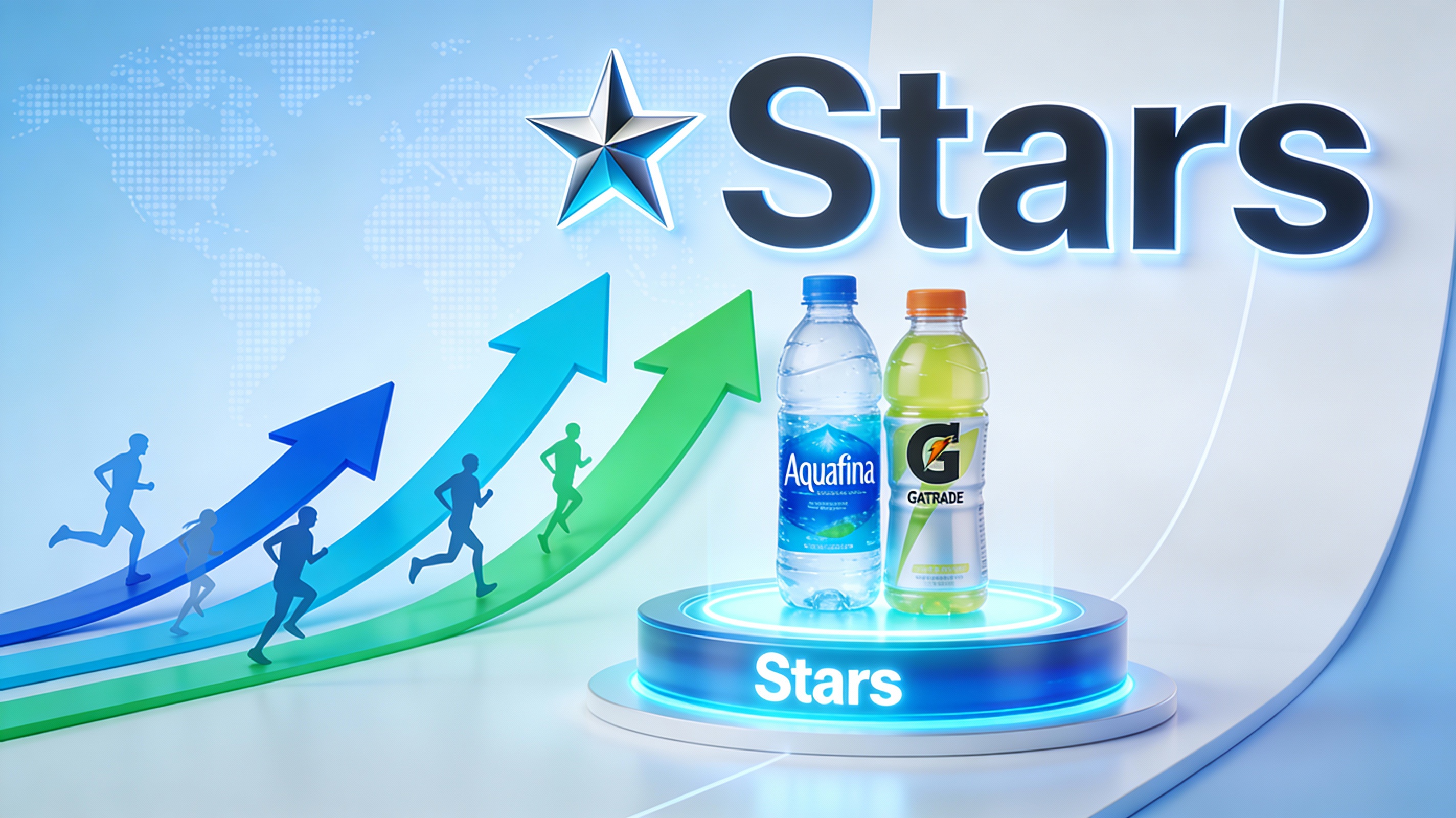
The Stars quadrant includes products that demonstrate both high demand and strong market performance. These products offer long-term strategic growth opportunities.
1. Aquafina (Bottled Water)
Aquafina holds approximately 15% market share in the bottled water category, which is one of the fastest-growing beverage markets worldwide. Rising health awareness, concerns about sugary drinks, and increasing preference for clean hydration have boosted the demand for bottled water.
Aquafina’s strengths include:
- Strong global distribution
• High brand recognition
• Alignment with health-focused consumer behavior
Given the stability and rising trend of bottled water consumption, Aquafina remains a Star in the bcg matrix of pepsico.
2. Gatorade (Sports Drink)
PepsiCo owns Gatorade, which holds nearly 77% market share in the U.S. sports drink industry. This domination is supported by:
- Strong connections to athletic events
• Effective sports-oriented branding
• Continued expansion into low-calorie versions
The sports drink category is growing rapidly due to rising health and fitness awareness, making Gatorade a highly profitable Star.
3. Powerade
Although Powerade competes more closely with Coca-Cola’s brands, it still holds a significant share in the sports drink market. Powerade continues to grow due to:
- Strong positioning in international markets
• Broad consumer appeal
• Competitive pricing strategies
With the global wellness trend accelerating, Powerade stands as another Star in the bcg matrix of pepsi.
Question Marks – Low Market Share & High Market Growth
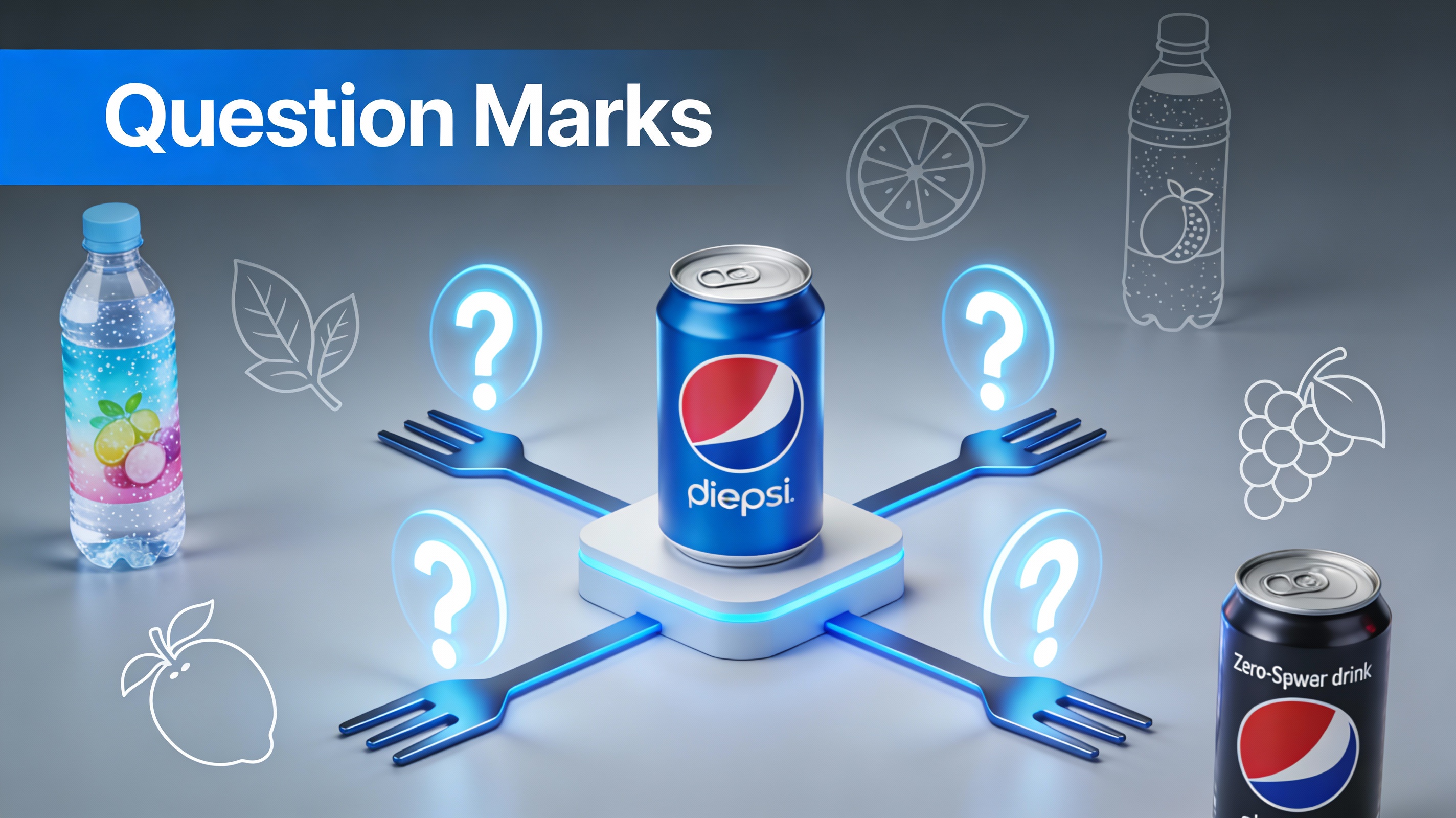
Question Marks represent products with potential for success but currently lacking strong market share
Also Read: BCG Matrix of Jaguar [2025 Analysis]
1. Diet Pepsi (or the broader Diet Soda Category)
Diet Pepsi faces fluctuating demand due to:
- Negative perceptions about artificial sweeteners
• Growing preference for naturally flavored low-calorie beverages
• More competition from flavored sparkling water
However, with consumers becoming increasingly health-conscious, there is still room for growth.
A clear strategy is needed to decide whether Diet Pepsi should be heavily invested in or repositioned. Thus, it falls under Question Marks in the bcg matrix of pepsico.
Cash Cows – High Market Share & Low Market Growth
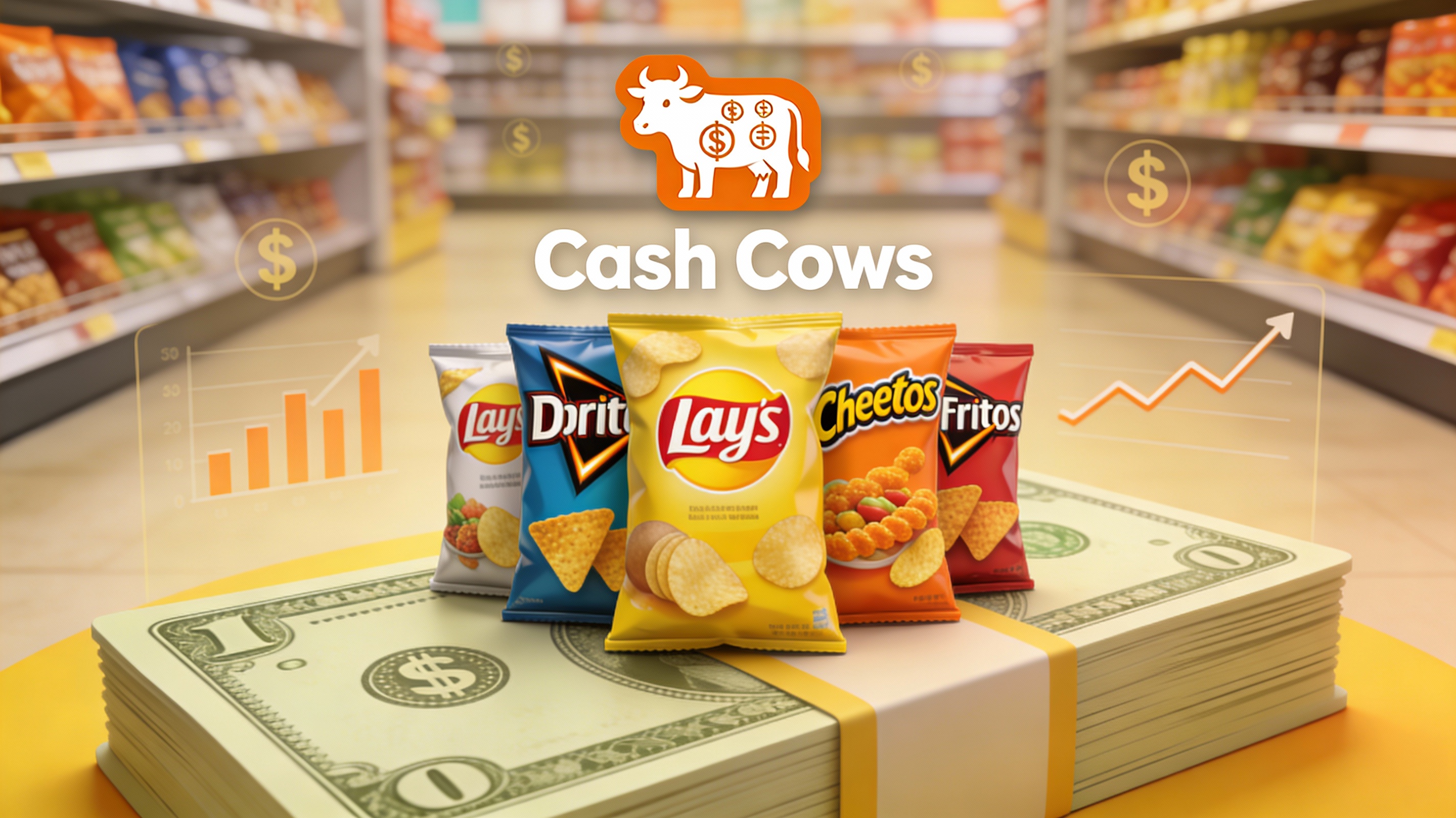
Cash Cows represent mature products that generate consistent revenue.
1. Frito-Lay Snacks
Frito-Lay brands such as:
- Lay’s
• Doritos
• Cheetos
• Tostitos
hold over 36% of the U.S. snack market. Snacks are a stable industry with slow growth but high profitability.
Why Frito-Lay is a Cash Cow:
- High brand loyalty
• Minimal need for large investments
• Predictable and recurring sales
• Broad distribution networks
This segment provides PepsiCo with the cash flow required to fund innovations and new market expansions.
Dogs – Low Market Share & Low Market Growth
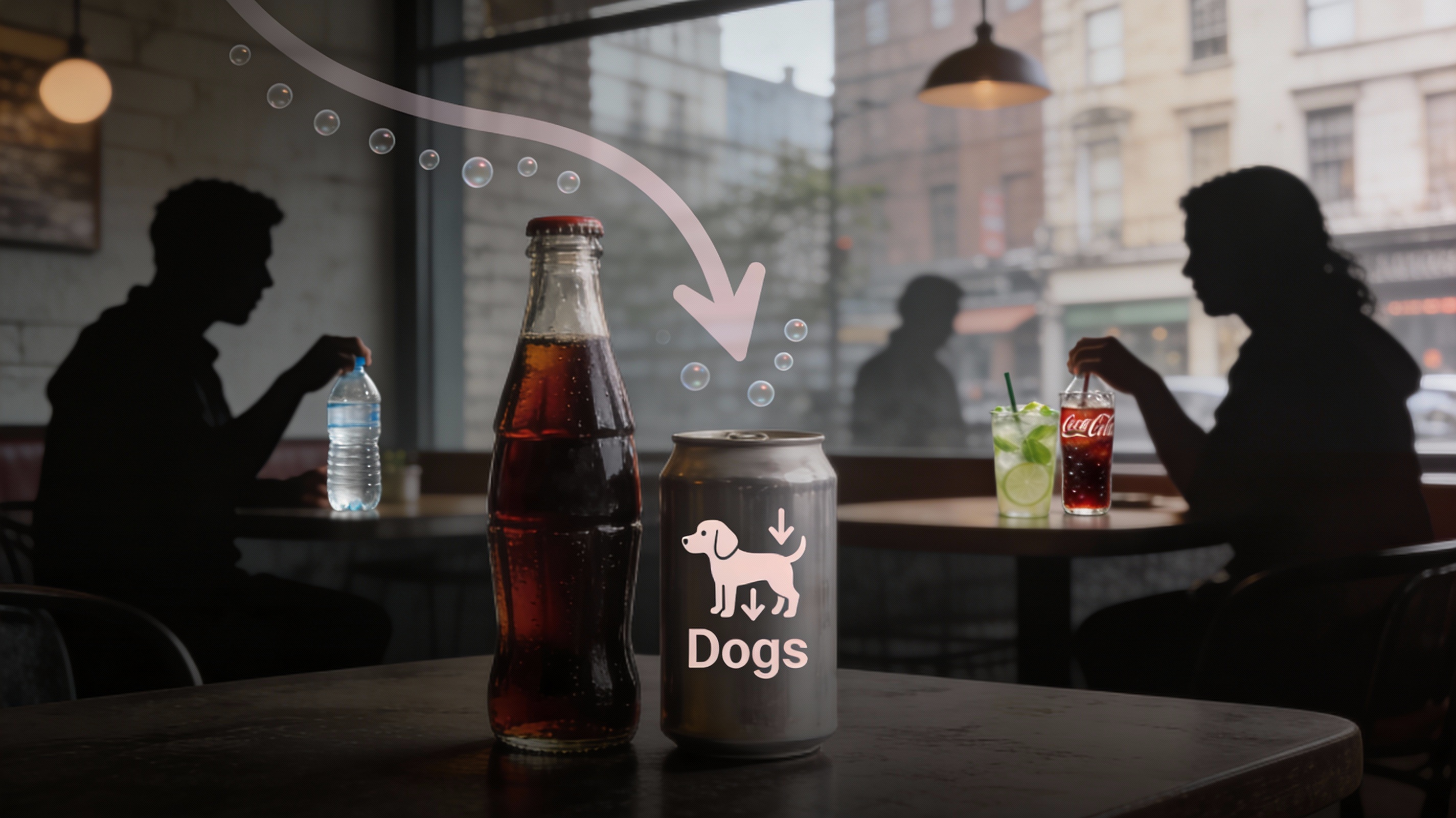
Products under this quadrant deliver minimal value or show declining performance.
1. Pepsi (Carbonated Soft Drinks)
Surprisingly, Pepsi’s flagship drink appears in the Dogs quadrant in the bcg matrix of pepsi due to:
- Declining global consumption of sugary sodas
• Shift toward healthier drinks
• More competition from flavored waters, diet beverages, and juices
Although Pepsi remains popular among loyal consumers, its overall market demand has dropped significantly. As a result, it contributes less to PepsiCo’s growth and is categorized as a Dog.
This decline does not mean Pepsi will disappear but rather that it may remain stable without significant expansion.
Key Takeaways from the BCG Matrix of PepsiCo
- PepsiCo maintains a balanced portfolio across Stars, Cash Cows, Question Marks, and Dogs
• The company’s shift toward health-oriented brands is a strategic response to changing consumer needs
• Major revenue still comes from Cash Cows like Frito-Lay
• Stars like Gatorade and Aquafina are driving future growth
• Diet beverages and carbonated drinks face uncertain futures
• PepsiCo must invest wisely in Question Marks to convert them into Stars
The bcg matrix of pepsico helps the company prioritize initiatives that support long-term sustainability.
Conclusion
The BCG Matrix Analysis of PepsiCo [Detailed] reveals how one of the world’s most diverse food and beverage companies manages its extensive product mix in an era of rapidly changing consumer trends.
The bcg matrix of pepsi shows that while traditional carbonated drinks are declining, PepsiCo is successfully shifting toward high-growth categories such as bottled water, sports drinks, and nutritious snacks. Meanwhile, Cash Cows like Frito-Lay continue to support profitability, allowing the company to reinvest in promising Question Marks like healthier beverage alternatives.
Understanding this matrix helps us see how PepsiCo adapts strategically, balances risk, and positions itself for a sustainable future.
FAQs
What is the BCG Matrix of PepsiCo?
The bcg matrix of pepsico categorizes PepsiCo’s products into Stars, Cash Cows, Question Marks, and Dogs to analyze market performance and growth potential.
Why is Pepsi considered a Dog in the BCG Matrix?
Because sugary carbonated drinks face declining demand, reducing Pepsi’s overall market growth potential.
Why is Gatorade a Star?
Gatorade has high market share and benefits from the growing sports and wellness beverage trend.
What is PepsiCo’s biggest Cash Cow?
The Frito-Lay snack portfolio, which dominates the U.S. snack market.
Can Question Mark products become Stars?
Yes, with investment, innovation, and proper positioning, Question Marks like diet beverages can grow into Stars.