

Summary
The BCG Matrix Analysis of Tesla provides a strategic understanding of how Tesla’s products and services fit across different market growth and market share categories. Using the tesla bcg matrix, we can clearly see how the company manages high-growth innovations like electric vehicles and sustainable energy solutions while simultaneously maintaining profitable offerings and exploring new industry opportunities.
Tesla’s portfolio spans electric vehicles, solar energy systems, power storage products, and emerging technologies. The bcg matrix tesla classification reveals that Tesla’s electric cars and clean energy innovations fall under the Stars quadrant, its Powerwall battery remains a Cash Cow, while some solar products still act as Question Marks due to intense competition. Tesla has very few Dogs, reflecting the strength of its brand and product performance.
This blog provides an in-depth breakdown of each quadrant, explaining how Tesla’s strategic decisions contribute to its global leadership. The analysis also highlights the importance of regularly evaluating business segments using structured tools like the BCG Matrix, often referred to as the bcg mode, to guide investment, divestment, or growth strategies.
Companies that manage diverse products must evaluate them regularly to stay competitive. Tesla, known globally for its electric vehicles and renewable energy solutions, is one of the most strategically studied brands in the world. The tesla bcg matrix reveals how well Tesla allocates resources to high-growth segments while ensuring profitability in mature markets.
Founded in 2003 by Martin Eberhard and Marc Tarpenning, and later shaped by Elon Musk’s leadership, Tesla revolutionized the global automotive industry with breakthrough technologies. The launch of the Model S in 2012 marked a turning point in consumer perception of electric vehicles, proving that EVs could be high-performance, luxurious, and sustainable. Today, Tesla’s valuation exceeds hundreds of billions of dollars, with revenue streams from both vehicles and energy solutions.
This detailed BCG Matrix Analysis of Tesla shows how Tesla manages its diversified portfolio and where its future growth opportunities lie.
Background of Tesla
Tesla began with the goal of accelerating the world’s transition to sustainable energy. Over time, the company expanded beyond vehicles into:
- Solar energy generation
• Energy storage systems
• AI-driven autonomous technology
• Smart home energy solutions
• Charging infrastructure
Key milestones in Tesla’s journey include:
- The success of Model S, widely praised as the best electric car ever tested
• Expansion to mass-market models like Model 3 and Model Y
• Development of the Powerwall and Powerpack energy storage products
• Entry into solar panel and solar roof segments
• Advancement in self-driving technology
Tesla’s combination of innovation, branding, and market timing makes its portfolio ideal for analysis using the BCG Matrix.
What is the BCG Matrix
The BCG Matrix, created by the Boston Consulting Group, is a strategic tool used to categorize business units based on:
- Market Growth Rate
How fast the product category is expanding. - Relative Market Share
How dominant the product is compared to competitors.
The four quadrants include:
- Stars – High market share and high growth
• Cash Cows – High market share but low growth
• Question Marks – Low market share but high growth potential
• Dogs – Low share and low growth
The BCG Matrix helps organizations identify where to invest, where to maintain stability, and where to consider divestment. The bcg mode guides decision-makers in resource allocation and long-term strategy planning.
BCG Matrix of Tesla – Complete Analysis
Below is the detailed classification of Tesla’s business segments across the BCG quadrants.
Stars (High Market Share + High Market Growth)
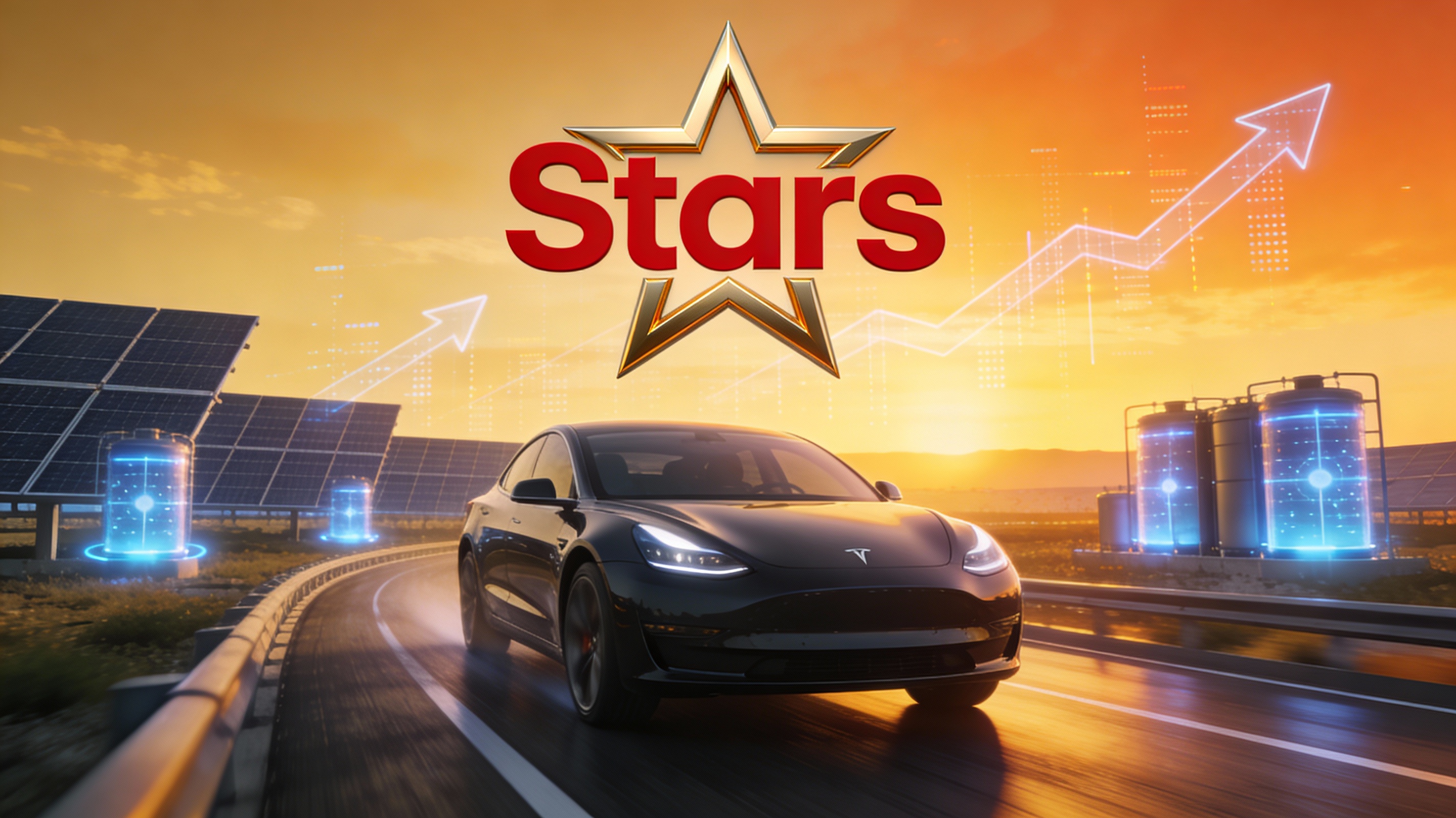
1. Electric Vehicles (EVs)
Electric cars are the strongest Star category in the bcg matrix tesla. The global EV market is one of the fastest-growing automotive segments, supported by:
- Government regulations promoting zero-emission vehicles
• Growing environmental awareness
• Rapid advancement in battery technology
• Increasing affordability of EVs
Tesla’s Model S, Model 3, Model X, and Model Y hold impressive global market share. The company consistently dominates EV sales, outpacing rivals like Ford, GM, BYD, and Volkswagen in several regions.
Reasons that electric vehicles are Stars:
- Continual innovation pushes consumer demand
• Strong brand loyalty drives repeat sales
• Tesla’s charging network strengthens product value
• Autonomous driving features increase appeal
This segment requires continuous investment but promises sustained long-term growth.
2. Sustainable Energy Solutions
Tesla’s sustainable energy division, including solar roofs, home solar power, and utility-scale battery systems, also falls into the Star category.
Key factors include:
- Growing global push for renewable energy
• Rising demand for home-based clean energy solutions
• High interest from commercial and industrial sectors
Tesla’s emphasis on integrating energy generation with energy storage strengthens its strategic position. The Star classification signals that future expansion in this category could significantly enhance Tesla’s ecosystem.
Question Marks (Low Market Share + High Market Growth)
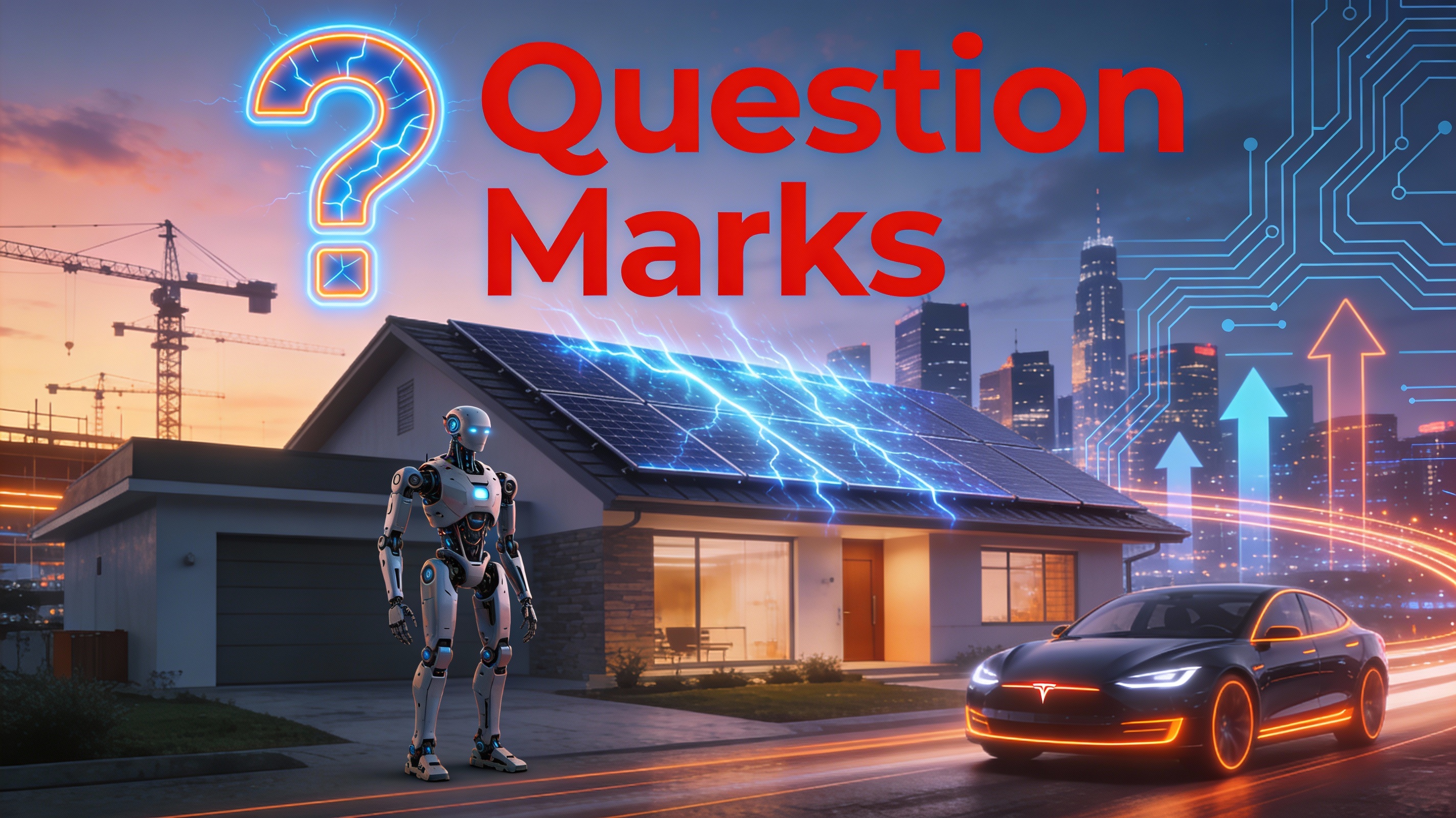
1. Solar Power Products
Tesla entered the solar market by acquiring SolarCity in 2016. Although the solar market is growing rapidly, Tesla has faced challenges such as:
- Strong competition from established solar providers
• Higher cost of solar roof installations
• Production limitations and delays
• Misalignment of early expectations and actual market adoption
Despite high potential, Tesla’s solar division has not achieved the same dominance as its EV division.
These are typical characteristics of a Question Mark in the tesla bcg matrix:
- High industry growth, but low market share
• Requires sustained investment to become a Star
• Future success depends on cost reduction and scale
If executed correctly, Tesla’s solar offerings could transition from Question Mark to Star.
2. Emerging Technologies
Tesla invests heavily in future technology such as:
- Autonomous driving (Full Self-Driving)
• Robot technology like Tesla Bot
• AI-based systems
• Smart grid solutions
These markets exhibit extremely high growth potential. However, Tesla’s market share in these futuristic segments remains uncertain, placing them in the Question Mark quadrant.
Cash Cows (High Market Share + Low Market Growth)
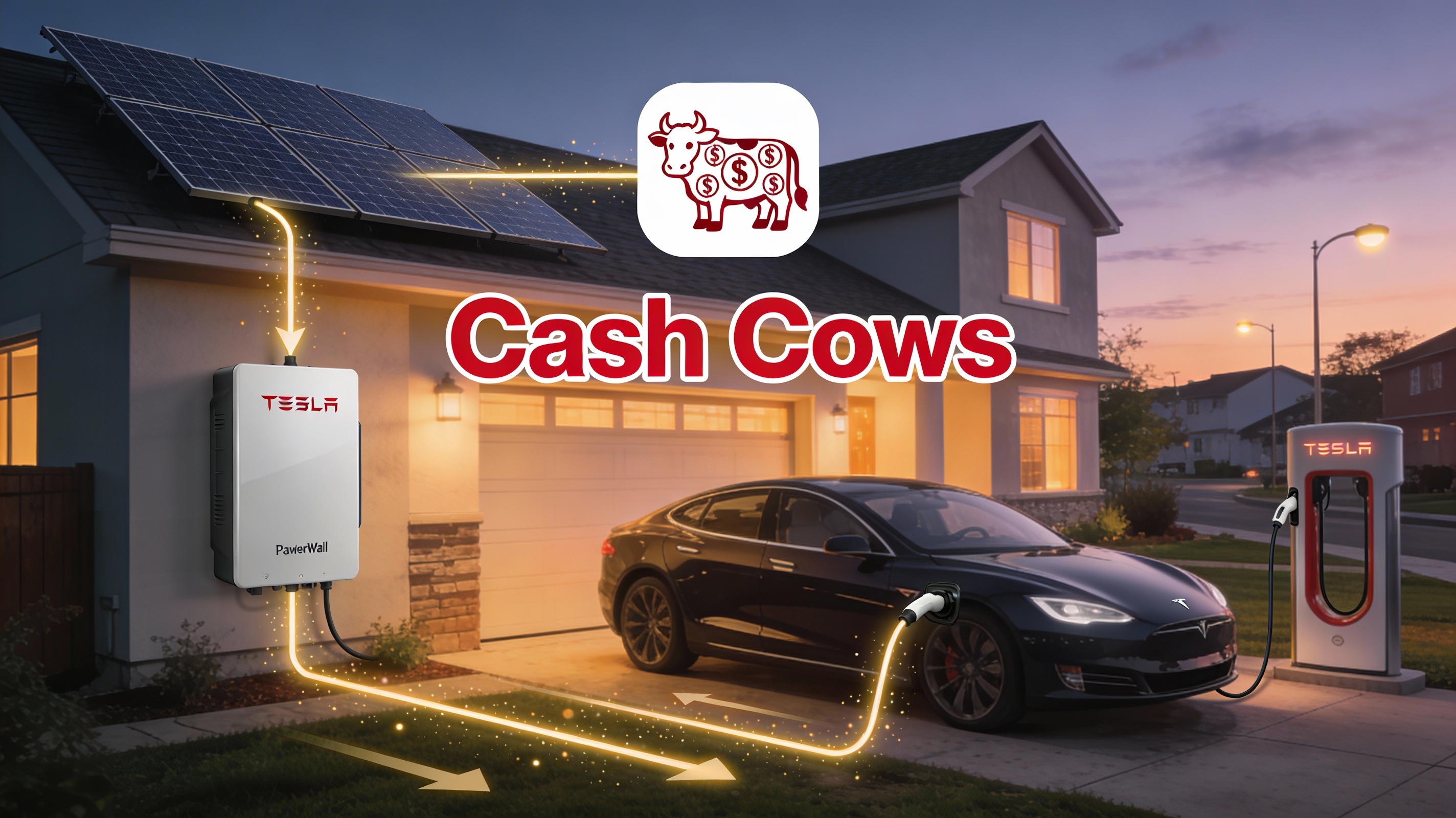
1. Tesla Powerwall and Battery Storage
Among Tesla’s product portfolio, the Powerwall battery stands out as the most consistent revenue-generating product. The Powerwall is widely used for residential energy storage and has gained global adoption.
Reasons Powerwall is a Cash Cow:
- Strong and stable customer base
• High reliability and brand trust
• Low competition in premium home storage
• Continual profits even during market fluctuations
While the battery storage market grows steadily, it does not expand as rapidly as EV demand, making Powerwall a classic Cash Cow in the bcg matrix tesla.
Also Read: BCG Matrix of Asian Paints
2. Supercharging Network
Tesla’s global charging network supports its vehicles but also generates recurring revenue through charging fees.
Although the charging industry is not exploding in growth like EV manufacturing, Tesla’s lead in this area ensures:
- High utilization
• Minimal direct competition
• Predictable cash flow
Thus, the charging network operates as a strong Cash Cow.
Dogs (Low Market Share + Low Market Growth)
1. Underperforming or Low-Demand Vehicle Variants
Tesla doesn’t have many clear Dog products. Most products perform well due to:
- Strong brand equity
• High demand for electrification
• Effective positioning and marketing
However, some vehicle trims or discontinued variants with limited demand may fall into this quadrant. These could include early-stage models that faced production issues or higher costs.
These models qualify as Dogs because:
- Manufacturing complications reduced profitability
• Market demand did not scale as expected
• Tesla shifted focus to more successful designs
Overall, Tesla’s lack of prominent Dogs reflects strong strategic management.
Key Takeaways from the Tesla BCG Matrix
- Tesla dominates in EVs and energy solutions, indicating strong Stars in its portfolio.
• Powerwall and charging infrastructure act as stable Cash Cows.
• Solar products and emerging robotics fall under Question Marks with strong potential if investments continue.
• Very few Tesla offerings qualify as Dogs due to the company’s constant innovation.
• The bcg mode helps visualize Tesla’s strategic investments and identify areas needing improvement.
Tesla’s ability to align innovation with consumer demand is what keeps it ahead of competitors.
Conclusion
The BCG Matrix Analysis of Tesla demonstrates how the company leverages innovation, scalability, and branding to maximize growth opportunities. The tesla bcg matrix reveals Tesla’s dominance in electric vehicles and sustainable energy while also highlighting areas where the company must enhance performance, such as solar power and advanced robotics.
Key insights include:
- Stars represent the future of Tesla’s revenue and growth
• Cash Cows maintain strong profitability today
• Question Marks require investment to avoid stagnation
• Dogs, though limited, indicate areas for operational refinement
Understanding the bcg matrix tesla adds clarity to how Tesla manages risks and opportunities in a rapidly evolving technological landscape.
FAQs
What is the BCG Matrix Analysis of Tesla?
It is a strategic model that categorizes Tesla’s products into Stars, Cash Cows, Question Marks, and Dogs based on market growth and market share.
Which Tesla products are Stars?
Tesla’s electric vehicles and sustainable energy products are Stars due to high growth and high market dominance.
What are Tesla’s Cash Cows?
The Powerwall battery system and the Tesla Supercharger network generate consistent profits.
Which Tesla products fall under Question Marks?
Solar power solutions and emerging technologies like robotics and AI-based systems.
Does Tesla have any Dog products?
Tesla has very few Dogs, but some earlier or discontinued vehicle variants may fall under this category.