

Summary
The BCG Matrix of Starbucks provides a strategic understanding of how the world’s most BCG Matrix Analysis of Adidasrecognized coffeehouse chain positions its major business segments based on market share and market growth. Starbucks operates globally with a wide range of products, retail stores, beverage innovations, packaged goods, and digital services. Using the BCG Matrix helps identify which Starbucks revenue streams are high performers, which hold potential for future growth, and which segments need repositioning or strategic reinvestment.
This detailed analysis explores each quadrant—Stars, Cash Cows, Question Marks, and Dogs—and explains why Starbucks maintains strong dominance in certain markets while facing challenges in others. The blog also discusses Starbucks’ evolving business strategy as consumer preferences shift toward premium beverages, sustainability, digital loyalty programs, and ready-to-drink products.
By examining the BCG Matrix, we gain deeper insight into Starbucks’ long-term global roadmap.
Starbucks Corporation is one of the most influential brands in the food and beverage sector. Founded in 1971 in Seattle, Starbucks transformed the global coffee culture by elevating coffee from a simple commodity into a premium lifestyle experience. Today, the brand operates more than 38,000 stores globally and leads the market in specialty coffee retailing.
As the company continues to grow, it must evaluate its diverse product segments and geographic markets strategically. The BCG Matrix of Starbucks helps analyze how Starbucks allocates resources among its business units, how each category contributes to its brand success, and what areas require more focused attention.
Because consumer behavior is shifting toward healthier drinks, high-quality coffee, convenience-based products, and digital engagement, Starbucks must continually reassess its offerings. The BCG Matrix offers a clear method to understand Starbucks’ strengths and strategic opportunities in a fast-evolving marketplace.
Background of Starbucks
Starbucks began as a small store selling coffee beans, brewing equipment, and premium roasted coffee. Howard Schultz later envisioned Starbucks as a café where people could socialize and enjoy handcrafted beverages, inspiring the modern Starbucks retail experience.
Over the years, Starbucks expanded its business into several categories:
- Retail coffee shops and cafés
• Premium handcrafted beverages
• Packaged coffee beans and instant coffee
• Ready-to-drink bottled beverages
• Food products (bakery, sandwiches, salads)
• Digital loyalty programs and mobile ordering
• International franchising and partnerships
Its global brand identity is shaped by consistent store aesthetics, high-quality beverages, frequent menu innovations, community involvement, and a strong loyalty program known as Starbucks Rewards.
This broad portfolio makes Starbucks an ideal subject for the BCG Matrix.
What is the BCG Matrix
The BCG Matrix categorizes business units into four groups based on:
- Market Growth Rate (industry attractiveness)
• Relative Market Share (competitive strength)
The four quadrants are:
Stars
High market share + high market growth.
These require investment but promise strong long-term returns.
Question Marks
Low market share + high market growth.
These need careful strategic decisions to determine whether they can become Stars.
Cash Cows
High market share + low market growth.
These generate consistent revenue with minimal investment.
Dogs
Low market share + low market growth.
These typically underperform and may require repositioning or discontinuation.
Applying this framework reveals how Starbucks manages its core product categories and expansion strategies.
BCG Matrix of Starbucks: A Detailed Breakdown
Starbucks’ business can be divided into several key areas:
- Retail beverages
• Packaged goods
• Food items
• Digital services
• International stores
• Ready-to-drink partnerships
Each segment fits differently within the Starbucks BCG Matrix.
Stars of Starbucks
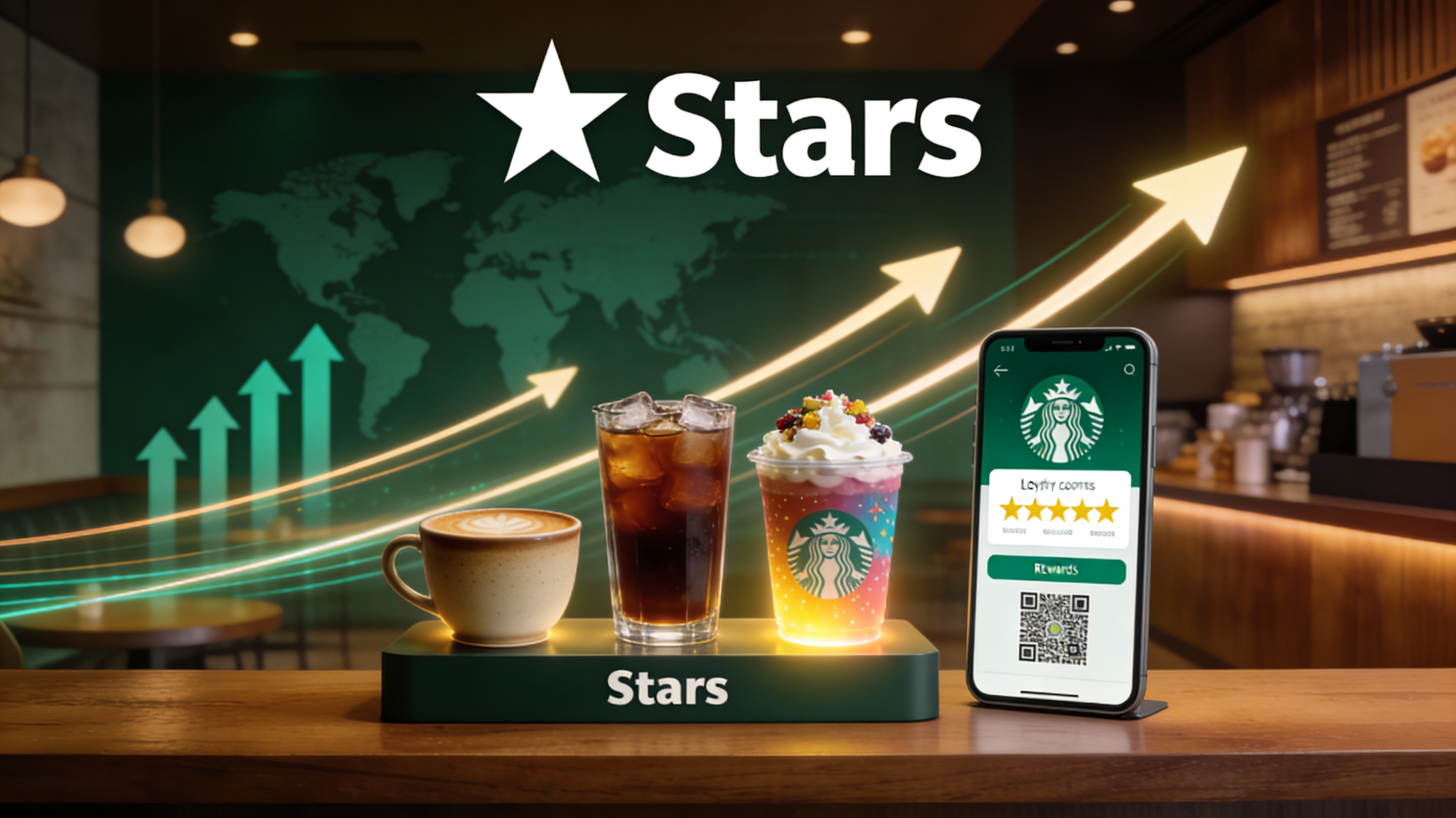
1. Handcrafted Beverages (Core Coffee, Cold Brew, Seasonal Drinks)
Starbucks’ handcrafted beverages—including lattes, mochas, cappuccinos, cold brews, refreshers, and seasonal specialty drinks—represent the strongest Star in the Starbucks business portfolio.
Reasons for its Star Position:
- It holds a high market share within the global specialty coffee category.
• Customer demand for premium beverages continues to rise, showing strong market growth.
• Starbucks differentiates itself with ongoing beverage innovations, including plant-based options, new flavors, and customizations.
• Seasonal beverages like the Pumpkin Spice Latte drive massive yearly demand.
The handcrafted beverage category defines Starbucks’ identity and fuels store traffic globally. It is a stable and growing market that commands high pricing power.
2. Digital Platforms and Starbucks Rewards
Starbucks Rewards is one of the most successful digital loyalty programs in the world, contributing significantly to the brand’s sales.
Why Digital Services Are Stars:
- Rapid growth in mobile ordering, payments, and digital loyalty.
• High customer engagement leads to increased revenue per visit.
• Rising adoption of Starbucks Rewards across international markets.
• The digital platform provides advanced data insights for marketing and menu personalization.
As digital ordering becomes a central part of modern retail dining, Starbucks continues to dominate this space.
3. International Markets (China as Key Focus)
Starbucks’ aggressive expansion in China and other high-growth countries also places this segment in the Stars category.
Starbucks sees strong international market growth due to:
- Rising urbanization and increasing disposable income
• A growing café culture
• Younger demographics seeking premium coffee experiences
China remains Starbucks’ second-largest market with thousands of stores opening each year.
Also Read: BCG Matrix of Google Products
Question Marks of Starbucks
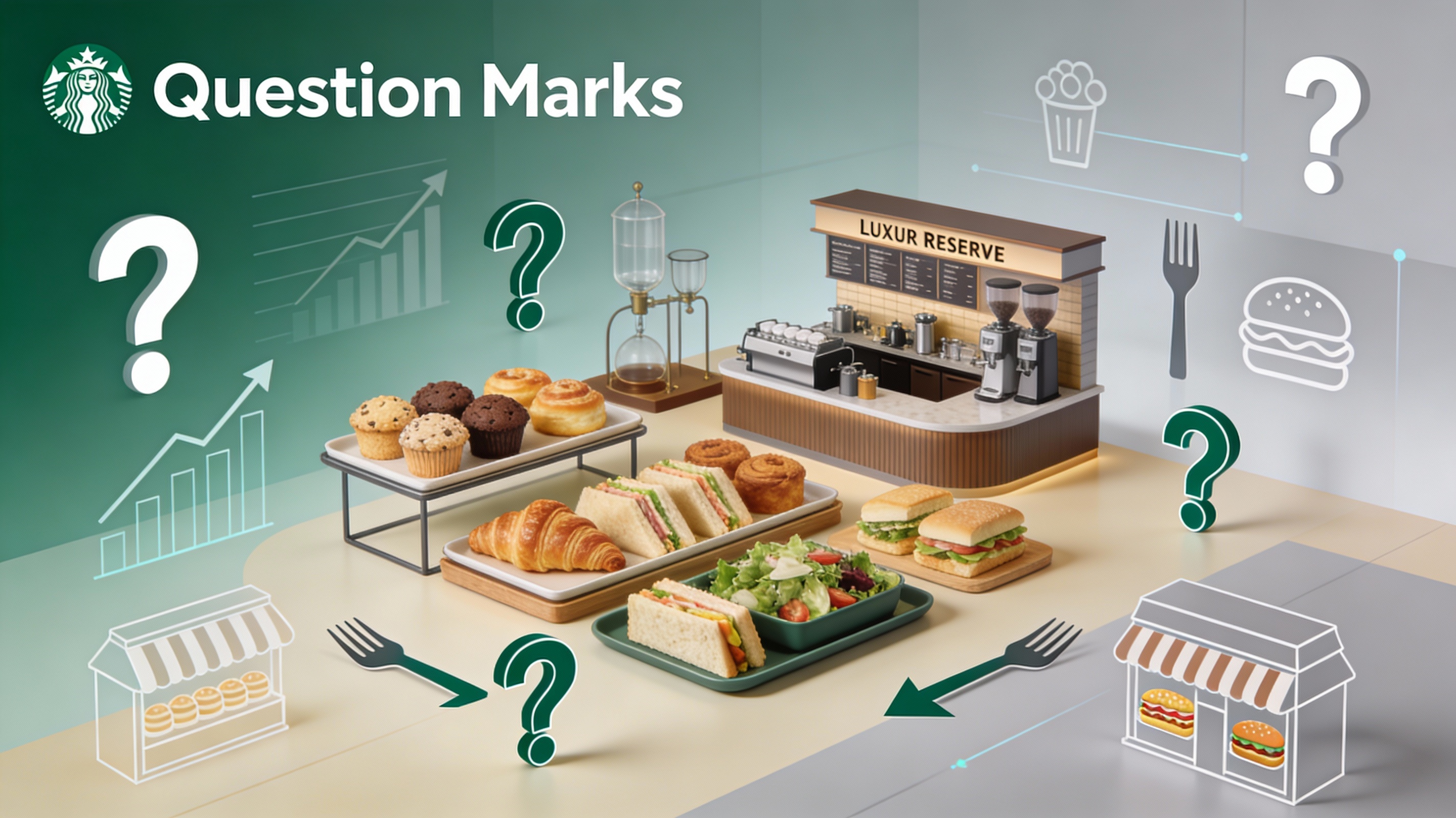
1. Starbucks Food Category
Starbucks offers pastries, sandwiches, salads, wraps, and snacks across its global stores. While this segment supports beverage sales, it has not yet achieved dominant market share within the global quick-service food category.
Challenges include:
- Strong competition from bakery chains and fast-food giants
• Complexity in food supply chains
• Lower profit margins compared to beverages
• Variability in customer preferences across countries
Although food sales are steadily increasing, they remain a supplementary rather than core revenue stream. With strategic innovation and higher-quality offerings, the food segment has the potential to become a Star.
2. Starbucks Reserve & Premium Stores
Starbucks Reserve Roasteries are luxury, high-experience coffeehouses featuring premium brewing methods, artisanal pastries, and limited-edition coffee blends. While these stores are popular in major cities, they represent a small share of the total business.
Key factors:
- High market growth potential due to consumer interest in luxury coffee experiences
• Low relative market share because Reserve stores are limited in number
• High operational and construction costs
With proper scaling and strategic expansion, Starbucks Reserve could become a significant future growth driver.
Cash Cows of Starbucks
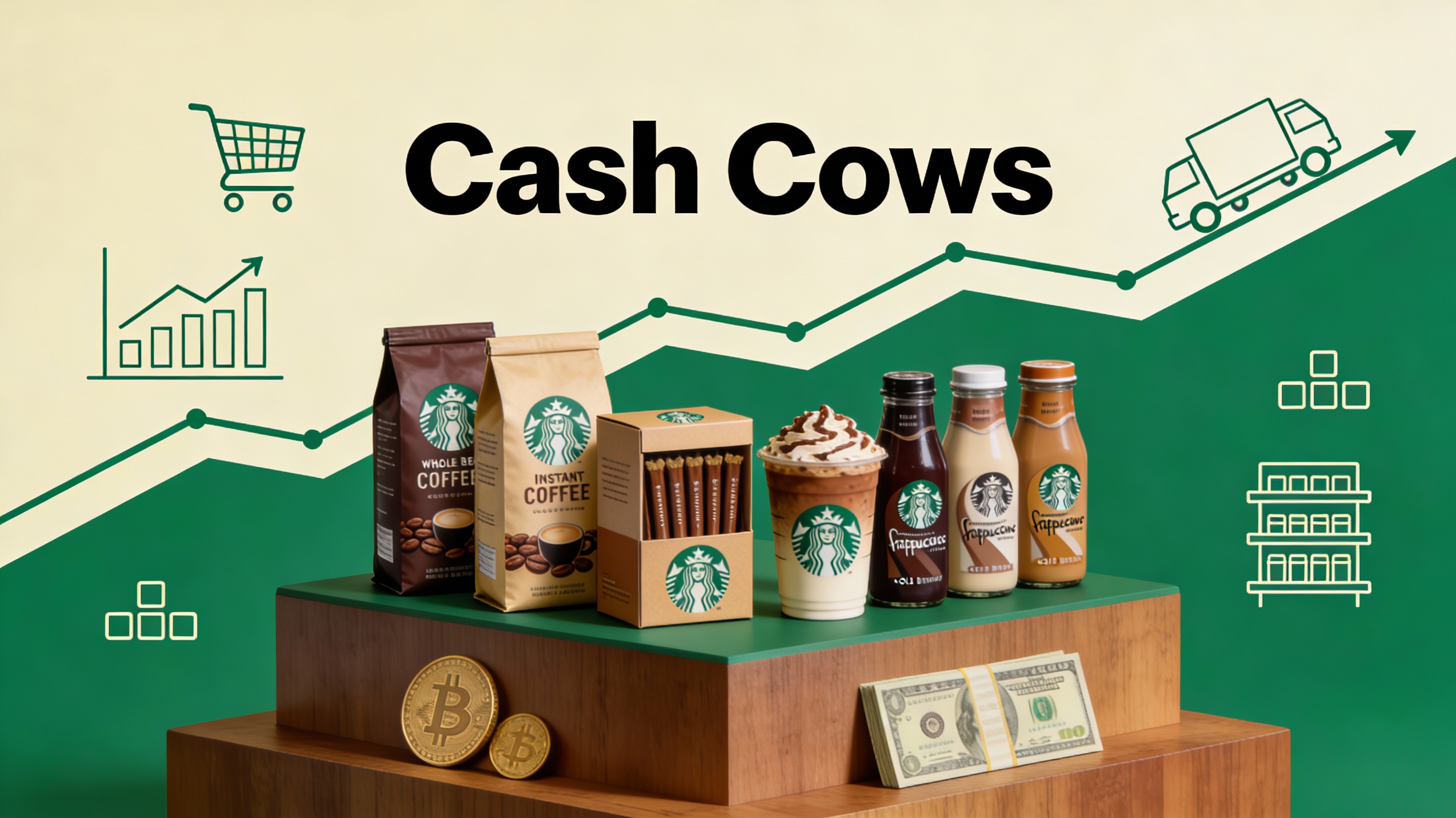
1. Packaged Coffee Beans & Instant Coffee (Starbucks at Home)
Starbucks sells packaged goods through supermarkets and retail partners. This includes:
- Whole coffee beans
• Ground coffee
• Starbucks VIA instant coffee
• Specialty roasts and blends
Reasons this segment is a Cash Cow:
- Strong brand loyalty creates consistent global demand.
• The at-home coffee market is stable, with limited high-growth expansion.
• Minimal investment is needed compared to store operations.
• Broad distribution through grocery stores generates recurring revenue.
2. Ready-to-Drink Bottled Beverages (Partnership With PepsiCo)
Starbucks sells bottled frappuccinos, cold brews, and energy beverages through retail channels globally.
Why this is a Cash Cow:
- Starbucks’ ready-to-drink beverages dominate the market through strong brand recognition.
• Low operational investment due to manufacturing partnerships.
• High profitability because of mass production and distribution efficiencies.
• Stable market demand for convenient, premium bottled drinks.
Together, packaged coffee and ready-to-drink products form a major stable revenue source for Starbucks.
Dogs of Starbucks
1. Low-Traffic International Regions
Starbucks performs exceptionally well in North America, Europe, and Asia. However, in some regions with:
- Low coffee culture adoption
• High economic instability
• Strong local competition
Starbucks’ performance remains weak.
These markets fall under the Dogs category within the BCG Matrix due to low profitability and minimal growth opportunities.
2. Merchandise & Accessories
Starbucks sells:
- Mugs
• Tumblers
• Bottles
• Lifestyle accessories
Although these items support branding, they represent a low-growth and low-share market segment. Consumers can purchase similar items from countless competitors at lower prices.
These products exist mainly to:
- Enhance customer loyalty
• Support seasonal marketing
• Drive impulse buys
Despite their strategic purpose, they remain Dogs from a revenue standpoint.
Key Takeaways from the BCG Matrix of Starbucks
- Starbucks’ strongest Stars include handcrafted beverages, digital loyalty platforms, and expanding international markets.
• Packaged coffee and ready-to-drink beverages serve as long-term Cash Cows.
• Food offerings and premium Reserve stores are promising Question Marks that need more investment.
• Merchandise and low-performing regions serve strategic purposes but fall into the Dogs category.
• The BCG Matrix helps Starbucks prioritize innovation, improve operational efficiency, and maximize profitability.
Conclusion
The BCG Matrix of Starbucks provides a comprehensive understanding of how Starbucks manages its diverse product lines and global markets. With strong Stars that drive growth, stable Cash Cows that sustain profitability, ambitious Question Marks that could become future revenue engines, and a few Dogs that require reevaluation, Starbucks demonstrates strategic strength and adaptability.
The company’s ability to evolve with changing consumer needs—such as demand for premium beverages, digital convenience, global expansion, and sustainability—ensures Starbucks continues to lead the global coffee industry.
As Starbucks explores new markets, strengthens digital innovations, and enhances customer experiences, its BCG Matrix will remain an essential tool for guiding strategic decisions.
FAQs
What is the purpose of the BCG Matrix for Starbucks?
It helps categorize Starbucks’ business segments based on market share and growth potential to support strategic planning.
Which Starbucks products are Stars?
Handcrafted beverages, international expansion markets, and digital services like Starbucks Rewards.
What are the Cash Cows of Starbucks?
Packaged coffee products and ready-to-drink bottled beverages.
Why are Starbucks food items considered Question Marks?
They show growing demand but do not yet dominate the competitive food service industry.
What falls under the Dogs quadrant for Starbucks?
Merchandise items such as mugs and low-performing international locations.