

In the competitive automotive market of 2025, mastering SEO has become essential for businesses looking to attract and convert consumers online. With 88% of potential car buyers turning to digital channels for research and 14 hours and 39 minutes spent on average before purchasing, an optimized online presence can significantly impact sales. This blog aims to equip automotive businesses—dealerships, service centers, and retailers—with actionable SEO strategies to enhance their search engine visibility, drive organic traffic, and increase customer engagement.
1. Craft Compelling, Original Content & Leverage Rich Snippets
Content remains the cornerstone of effective SEO. For automotive businesses, creating unique, detailed, and valuable content helps educate and engage prospective buyers. This can include buying guides, vehicle reviews, maintenance tips, and informational blog posts that answer common questions and concerns.
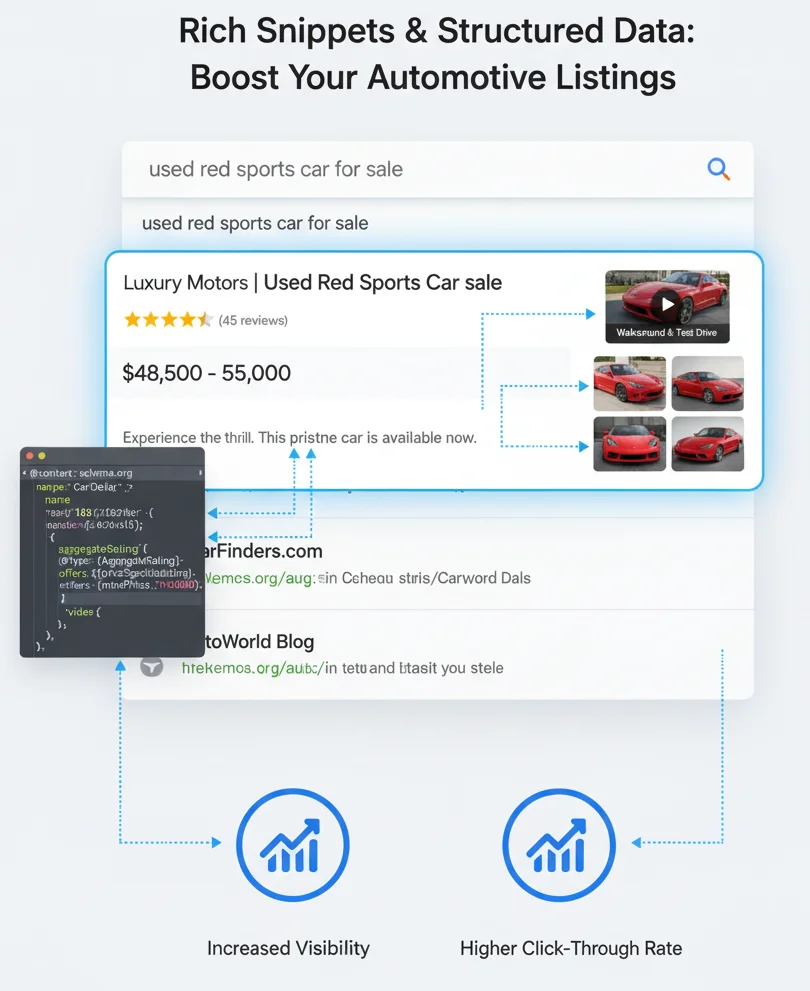
Rich snippets, powered by structured data markup, improve your search result listings by providing enhanced visual features like ratings, pricing, and availability, which can increase click-through rates.
Key actions:
- Develop in-depth resources like car-buying guides and how-to articles.
- Use original Dealer Notes on vehicle listing pages for uniqueness.
- Implement schema markup related to products, reviews, and videos to enable rich snippets.
2. Elevate Your Strategy With Video SEO

Video is a powerful medium in the automotive industry as it demonstrates vehicle features, builds brand confidence, and can increase both traffic and conversions. With 86% of marketers reporting increased web traffic through video, optimizing video content for SEO is critical.
Optimize video titles, descriptions, and tags with relevant keywords to align with search intent. Embedding short, engaging videos on inventory pages can improve user engagement and SERP appearance, especially when marked with structured data.
Tips for video SEO:
- Include searchable keywords in all video metadata.
- Use videos to highlight inventory features and customer testimonials.
- Mark up videos with schema to enhance search results visibility.
3. Optimize For Mobile-First Indexing
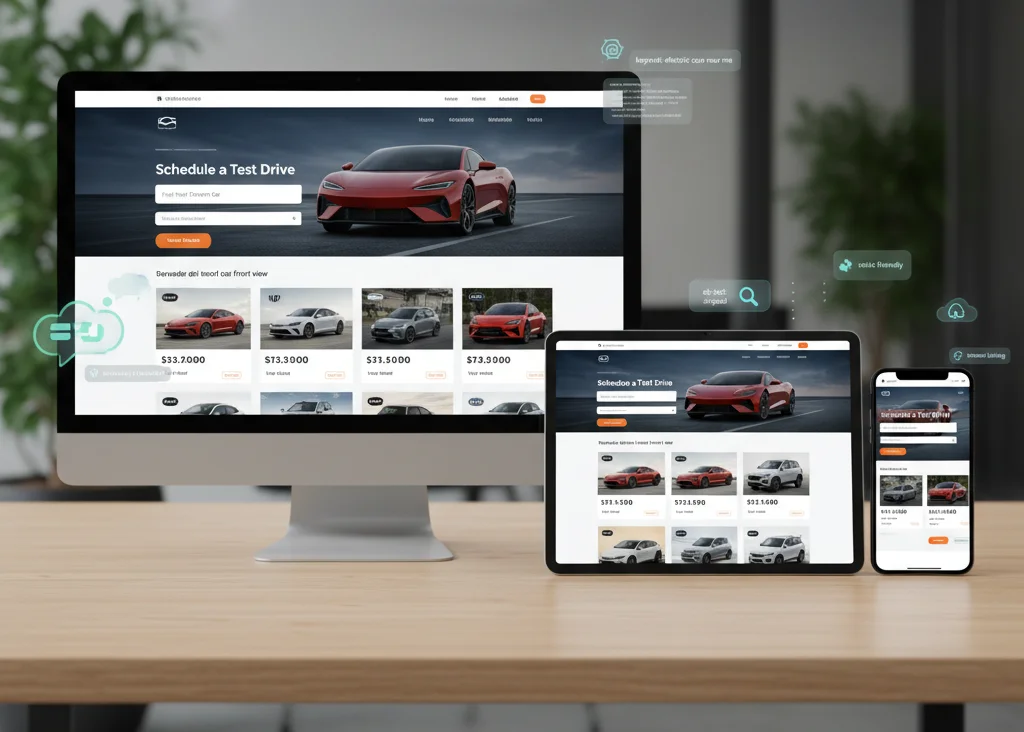
Google predominantly uses the mobile version of websites for indexing and ranking, reflecting the shift towards mobile device searches. For automotive businesses, this means having a responsive, intuitive, and mobile-friendly website is essential.
Mobile optimization should ensure fast loading times, easy navigation, and clear CTAs to convert browsing into leads effectively.
Best practices:
- Implement responsive design that adapts to all screen sizes.
- Optimize images and other media for faster mobile loading.
- Prioritize key content and contact elements above the fold.
4. Boost Your Local Presence
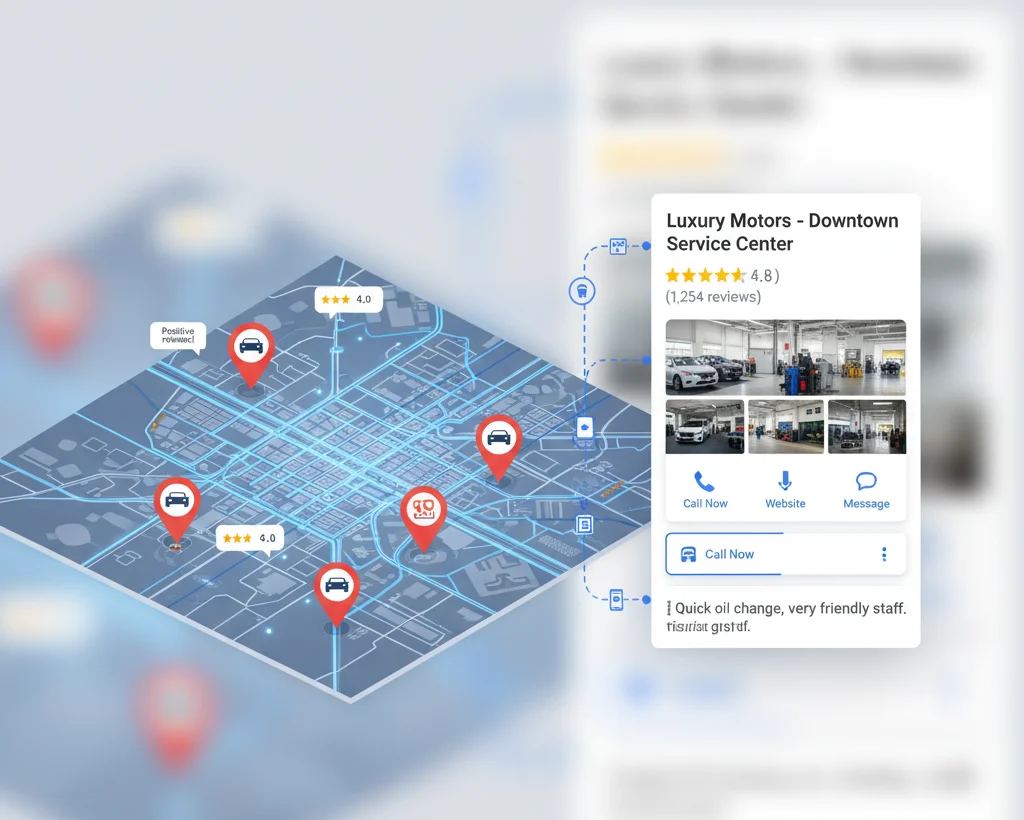
Local SEO is fundamental to attracting customers nearby. Claim and thoroughly optimize your Google Business Profile, incorporating accurate contact details, hours, photos, and categories.
Display local keywords in your website’s content and engage with community events or sponsorships to gain local relevance and backlinks. Encouraging customers to leave positive reviews builds social proof and trust—82% of consumers turn to reviews when choosing local businesses.
Local SEO tips:
- Maintain consistent NAP (Name, Address, Phone) information across platforms.
- Optimize website content with local landmarks and neighborhood names.
- Respond promptly to reviews to foster customer relationships.
5. Build Authority Through Strategic Link Building
Backlinks from reputable sources signal authority and trustworthiness to search engines. For automotive businesses, acquiring backlinks from industry blogs, local business directories, and community organizations boosts both SEO and referral traffic.
Collaborate with local events or engage in sponsorships, which often result in valuable inbound links.
Effective link-building strategies:
- Outreach to influential automotive blogs and forums.
- List your business on trusted local and automotive directories.
- Partner with community organizations for sponsorship backlinks.
6. Prioritize Technical SEO for a Healthier Website
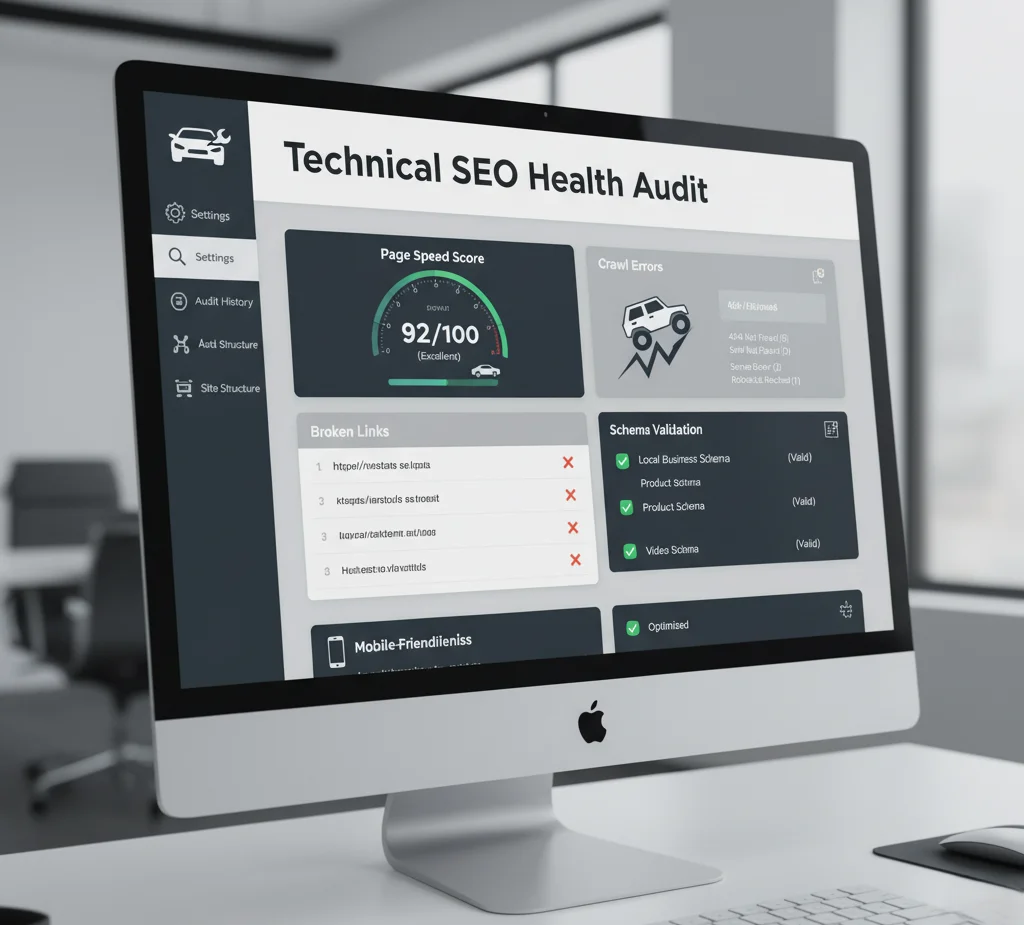
Technical SEO addresses issues that affect site accessibility and performance, which directly impact rankings and user experience. Regular audits should check for slow page speeds, broken links, duplicate content, and ensure proper site architecture.
Implement technical schema markup for your inventory items and offers to help search engines understand and index your pages efficiently.
Technical SEO checklist:
- Use tools to monitor site speed and fix slow-loading pages.
- Regularly scan for and repair broken links.
- Duplicate content should be consolidated or removed.
- Use structured data to annotate vehicle and offer details.
7. Enhance User Experience With E-E-A-T Principles
Google’s E-E-A-T principles emphasize user experience, expertise, authoritativeness, and trustworthiness. Automotive sites should demonstrate genuine experience and knowledge through detailed guides, tips, and expert-authored content.
Building trust can be achieved by highlighting the credentials of mechanics, sharing customer success stories, and providing transparent, helpful information.
How to build E-E-A-T:
- Publish content by qualified professionals (e.g., certified mechanics).
- Offer practical maintenance advice or seasonal vehicle care tips.
- Showcase testimonials and case studies.
8. Leverage Long-Tail and Localized Automotive Keywords
Targeting long-tail keywords such as specific vehicle models, services, and localized search phrases attracts highly motivated buyers. These keywords typically face less competition and convert better due to their specificity.
Use tools to research buyer intent and integrate these keywords naturally in meta tags, headings, URLs, and throughout the content.
Keyword strategy tips:
- Focus on vehicle-specific phrases combined with location (e.g., “2025 Toyota Camry dealership in Miami”).
- Incorporate service keywords like “oil change near me” with local modifiers.
- Regularly update keyword lists based on search trends.
9. Create Location-Specific Content Hubs
Organizing content into location-specific hubs or landing pages improves local search relevance and user engagement. This includes pages dedicated to individual cities, neighborhoods, or service areas.
These hubs can cover local news, events, specials, and testimonials unique to each location, capturing both organic and local search traffic.
Examples of location content:
- Dedicated pages for city-based service offers.
- Localized blog posts on community events or sponsorships.
- Geo-targeted testimonials and case studies.
10. Measure, Analyze, & Continuously Improve SEO Performance
Monitoring your SEO efforts with analytics and SEO tools is key to understanding what works and optimizing accordingly. Track metrics such as organic traffic, rankings, user behavior, and conversion rates.
Use A/B testing for page elements and content, making incremental improvements based on data insights for sustained growth.
Recommended actions:
- Use Google Analytics and Google Search Console for core SEO performance.
- Set KPIs such as lead form submissions and phone calls from organic traffic.
- Analyze bounce rates and page engagement to refine content and UX.
Conclusion
Implementing these ten automotive SEO best practices will enhance your online visibility, attract more qualified leads, and establish your business as a trusted authority in the automotive industry. From crafting compelling content to technical SEO and local optimization, a comprehensive and continuous approach is vital for staying ahead in the digital marketplace. Start applying these strategies today to drive your automotive business forward in 2025 and beyond.
FAQs
1. What is automotive SEO and why is it important?
Automotive SEO is the practice of optimizing websites and online content related to the automotive industry—such as car dealerships, repair shops, and parts suppliers—to rank higher in search engine results. It is important because most car buyers research online, with 88% using digital channels before purchase, so effective SEO drives targeted traffic and leads.
2. How does creating unique content help my automotive business?
Unique, detailed content educates potential buyers, differentiates your listings, and improves search engine rankings. It also increases user engagement and trust, which can lead to higher sales conversion rates. Using schema markup can enhance search listings with rich snippets, making your content stand out.
3. Why should I invest in video SEO for my dealership?
Video content attracts and engages users by showcasing vehicles and customer experiences effectively. Optimizing video metadata with relevant keywords and adding structured data can boost organic visibility and click-through rates, with 86% of marketers seeing traffic increases from video use.
4. What does mobile-first indexing mean for my automotive website?
Google primarily uses the mobile version of your website for indexing and ranking. This makes mobile optimization critical to provide fast load times, intuitive navigation, and easy access to key vehicle information across all devices.
5. How can local SEO benefit my auto business?
Local SEO helps you attract nearby customers by optimizing your Google Business Profile and local keywords, building local backlinks, and managing reviews. Since 82% of consumers consider online reviews for local businesses, a strong local presence boosts trust and drive conversions.
6. What role do backlinks play in automotive SEO?
Backlinks from reputable industry sites and local directories increase your website’s authority and credibility, improving search rankings and driving targeted referral traffic. Sponsorships and partnerships can also generate valuable backlinks.

Passionate about blogging and focused on elevating brand visibility through strategic SEO and digital marketing. Always tuned in to the latest trends, I’m dedicated to maximizing engagement and delivering measurable ROI in the dynamic world of digital marketing. Let’s connect and unlock new opportunities together!