

YouTube is more than just a video-sharing platform — it’s the second largest search engine in the world, right after Google. With over 2 billion logged-in monthly users, it’s a goldmine for content creators, marketers, and businesses.
But simply uploading a video won’t get you views. You need to optimize your content so it can be discovered by the right audience.
This blog will guide you through the essentials of YouTube SEO — what it is, how it works, and the best strategies to help your videos rank higher and reach more viewers.
What Is YouTube SEO?
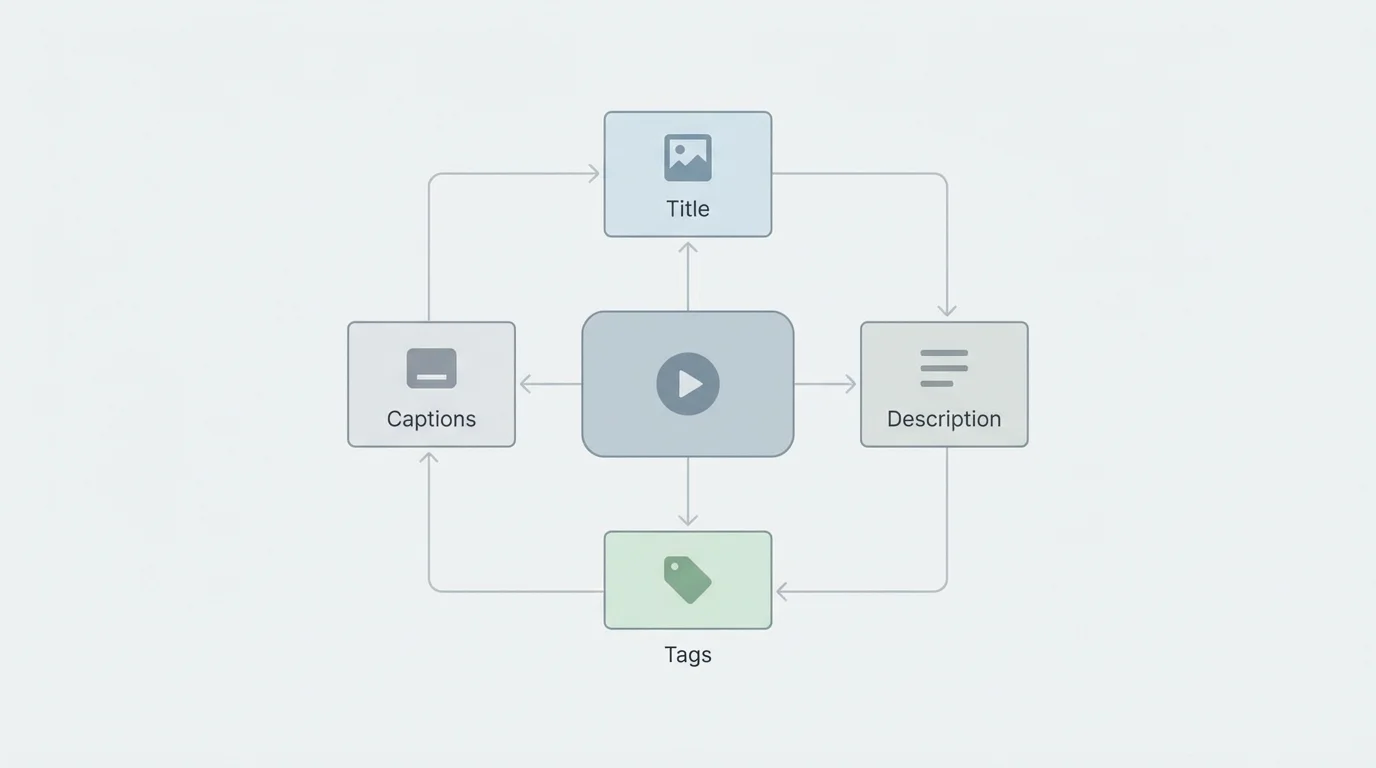
YouTube SEO (Search Engine Optimization) is the process of optimizing your YouTube videos, channel, and metadata to make them more searchable and discoverable on the platform.
Unlike traditional SEO, YouTube SEO focuses on:
- Video titles, descriptions, and tags
- Engagement metrics like watch time, likes, and comments
- Video content and structure
The goal? Get your content in front of more people — especially those actively searching for it.
How the YouTube Algorithm Works

To rank your videos, YouTube uses an algorithm that considers several factors:
- Relevance: How well your content matches the viewer’s query.
- Engagement: Likes, comments, shares, and watch time.
- Watch History: Personalized results based on the viewer’s past behavior.
- Video Quality: High-resolution videos perform better.
- Consistency: Frequent uploads help build channel authority.
Understanding how the algorithm works helps you align your content with what YouTube values.
Keyword Research for YouTube
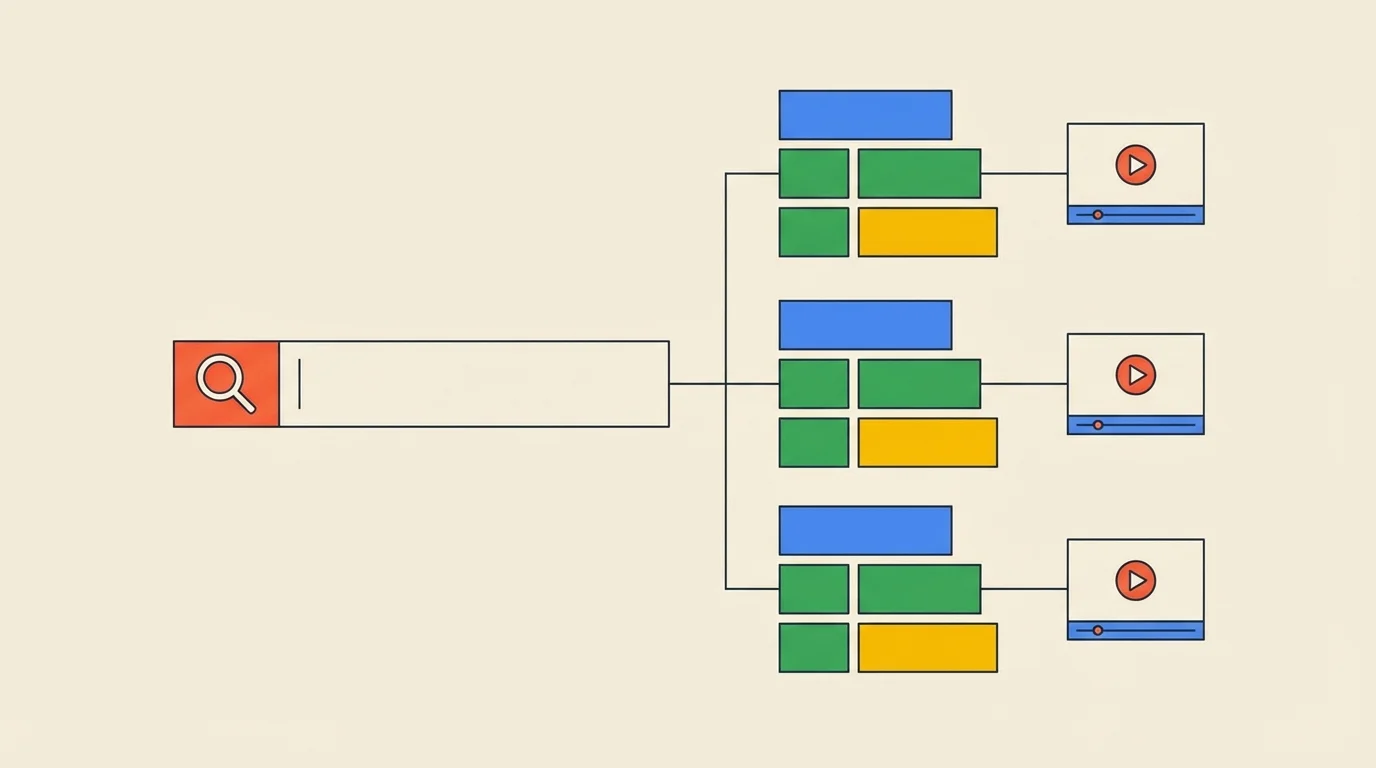
Just like with Google, keywords are the foundation of YouTube SEO.
Why Are Keywords Important?
They help YouTube understand your content so it can show it to the right audience.
How to Find the Right Keywords:
- YouTube Search Suggestions: Start typing your topic to see what people search for.
- TubeBuddy or VidIQ: Chrome extensions that show keyword stats.
- Google Trends (YouTube tab): See trending topics in your niche.
- Check Competitors: Look at their titles, tags, and topics.
Choose a primary keyword for your video and a few secondary keywords for extra reach.
Optimizing Your Video Title
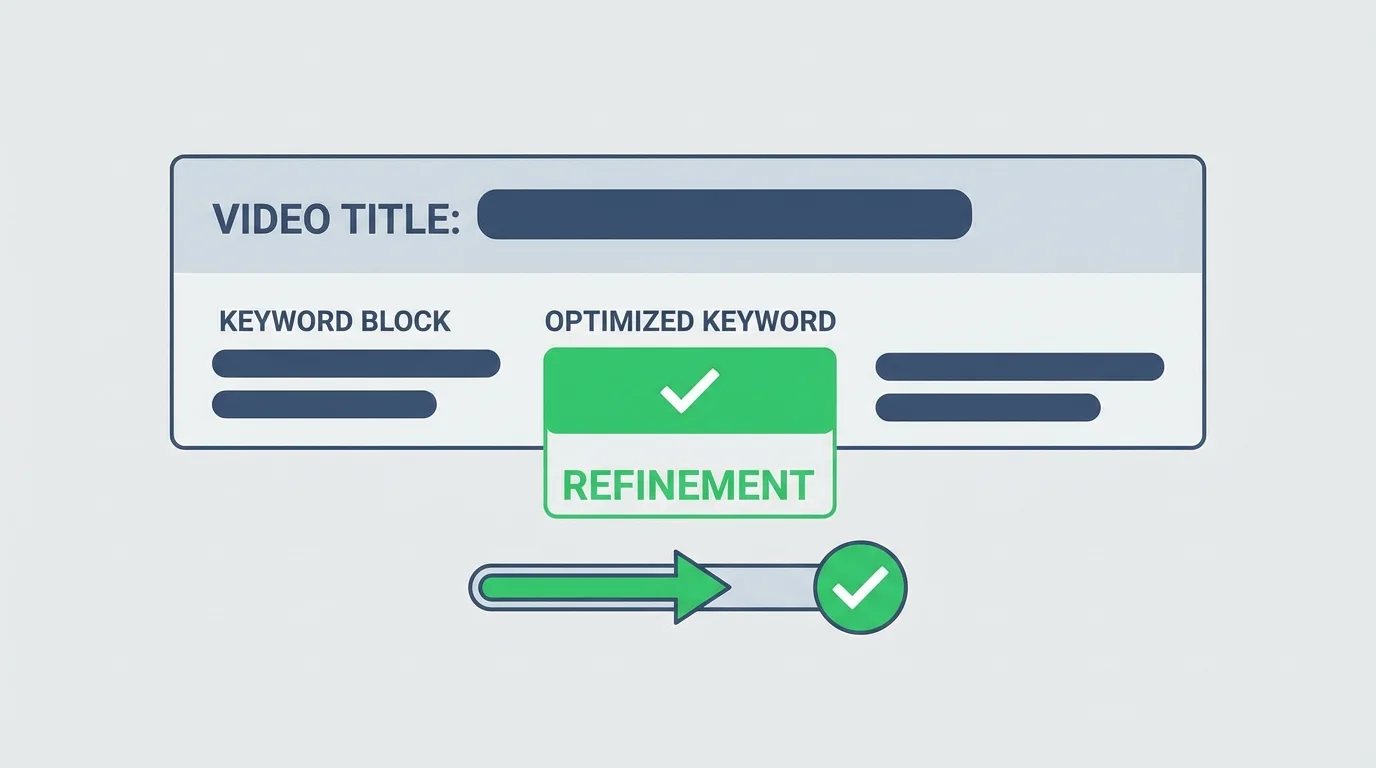
Your video title is the first thing viewers see, and it plays a huge role in ranking.
Tips for a Great Title:
- Include your main keyword naturally.
- Keep it under 60 characters so it doesn’t get cut off.
- Use emotional or curiosity-driven words.
- Clearly state what the video is about.
Example: “YouTube SEO Tips: How to Rank #1 in 2025”
Writing an Effective Video Description
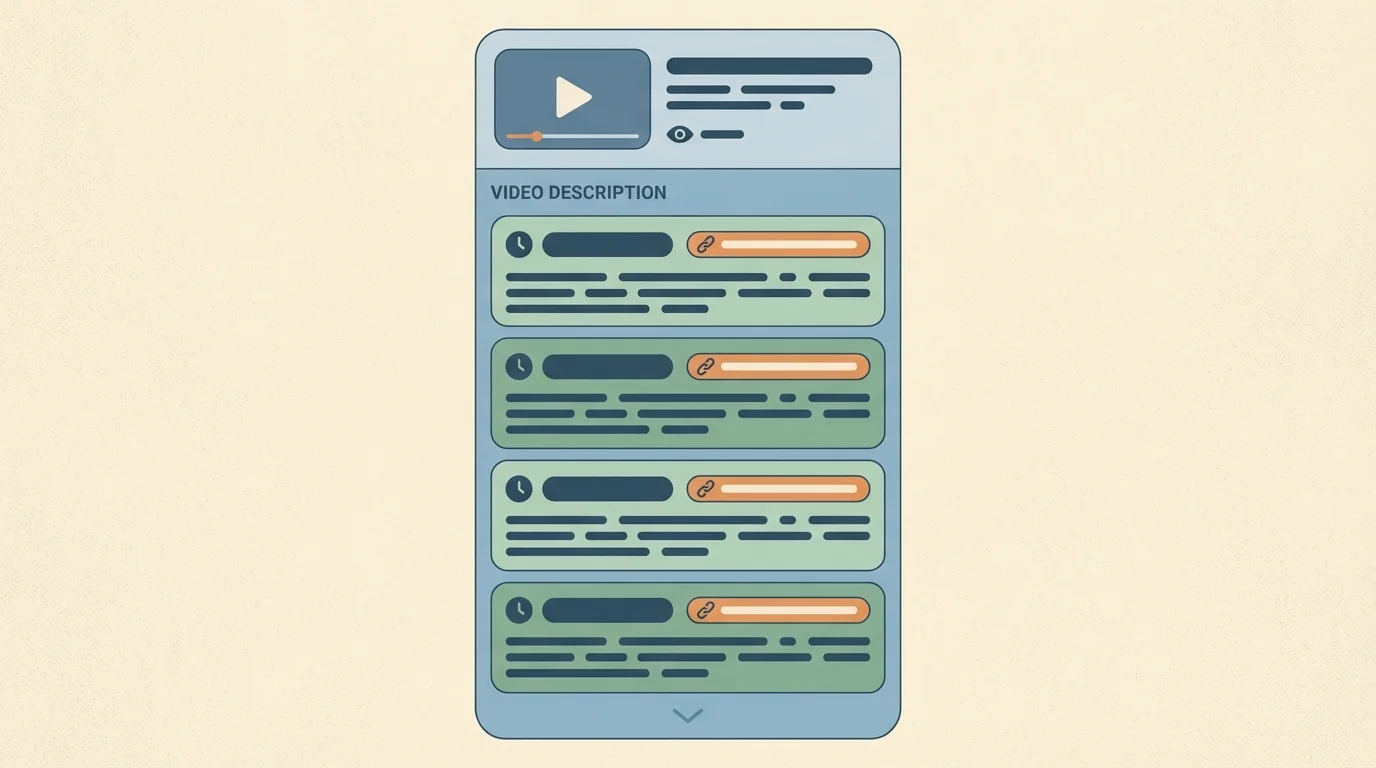
Your video description provides context for YouTube and viewers.
What to Include:
- A clear summary of the video (with keywords).
- Timestamps for easier navigation.
- Relevant links (website, social media, resources).
- A strong call to action (subscribe, comment, etc.).
Write at least 150–200 words to give YouTube enough data to work with.
Also Check: What Is Enterprise SEO? Strategies, Tools, & More
Using Tags and Hashtags
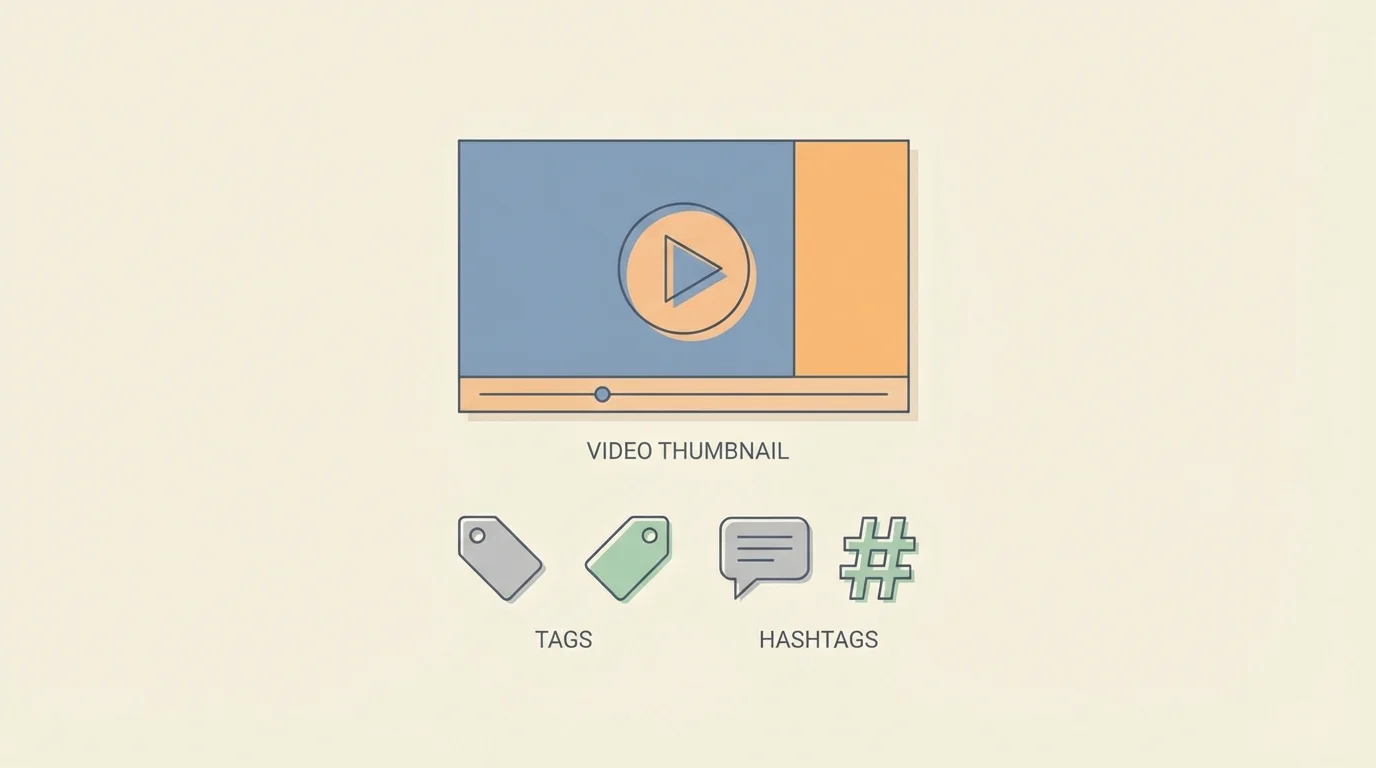
Do Tags Still Matter?
While not as powerful as before, tags still help YouTube understand your content — especially if your keyword has multiple meanings.
Best Practices:
- Use your main keyword as the first tag.
- Add related keywords.
- Include long-tail variations.
Hashtags:
- Add #keywords in the description or title.
- Stick to 3–5 relevant hashtags.
Creating Engaging Thumbnails
Thumbnails affect click-through rate (CTR) — a big ranking factor.
Tips for Thumbnails:
- Use bright, high-contrast colors.
- Include faces and expressions.
- Add text overlays for clarity.
- Stay consistent with branding.
A good thumbnail grabs attention and tells viewers what to expect.
Optimizing Closed Captions and Subtitles
YouTube uses captions and subtitles to understand your video content.
Why Use Them:
- Boosts SEO through transcribed text.
- Helps non-native speakers and hearing-impaired viewers.
- Improves retention and accessibility.
Always upload custom captions instead of relying on auto-generated ones.
Playlists and Channel Optimization
Playlists help group your content, improve session time, and give your channel structure.
Playlist Tips:
- Use keyword-rich titles and descriptions.
- Group videos by themes, topics, or series.
Channel Optimization:
- Add a keyword-rich About section.
- Organize videos into sections.
- Use a clear channel icon and banner.
Boosting Engagement Metrics
YouTube rewards content that keeps viewers watching and interacting.
Ways to Increase Engagement:
- Ask viewers to like, comment, and subscribe.
- Pose a question in the video to encourage comments.
- Use end screens and cards to link other videos.
- Run polls or use the Community tab.
High engagement = higher rankings.
Promoting Your Video for Better SEO
Don’t rely on YouTube alone. Promotion helps generate early traction.
Where to Promote:
- Social media (Facebook, X, Instagram, LinkedIn)
- Email newsletters
- Your blog or website
- Communities and forums (Reddit, Quora)
Collaborate with other YouTubers to cross-promote and reach new audiences.
Measuring and Tracking YouTube SEO Performance
Use YouTube Analytics to track your video performance.
Important Metrics:
- Watch time: How long people watch.
- Audience retention: Where people drop off.
- CTR: How often people click your video.
- Traffic sources: Where views come from.
- Subscribers gained/lost per video.
Adjust your strategy based on these insights.
Common YouTube SEO Mistakes to Avoid
Avoid these mistakes to keep your videos ranking high:
- Keyword stuffing in titles/descriptions
- Using clickbait thumbnails or titles
- Ignoring captions and metadata
- Uploading irregularly or inconsistently
- Not analyzing what works and what doesn’t
YouTube SEO Best Practices: Quick Checklist
- Keyword in title, description, and tags
- Custom, branded thumbnail
- Captions and subtitles uploaded
- Strong CTA and engagement
- Playlists and channel optimized
- Video promoted across channels
- High retention and consistent uploads
FAQs
1. How long does it take to see results from YouTube SEO?
It varies, but most channels see improvements in a few weeks if consistent strategies are applied.
2. Can I rank on YouTube without subscribers?
Yes! YouTube ranks content based on relevance and engagement, not just subscriber count.
3. What’s the ideal video length for SEO?
Videos between 7 to 15 minutes tend to perform well, especially if they retain viewers till the end.
4. Does uploading frequency impact SEO?
Yes, consistent uploads help your channel gain authority and improve rankings over time.
5. How important is the first 24 hours for YouTube SEO?
Very important. YouTube looks at early engagement (CTR, watch time) to decide how widely to recommend your video.
6. How do I use TubeBuddy or VidIQ for SEO?
Both tools help with keyword research, tag suggestions, competitor analysis, and overall video optimization.
Conclusion
YouTube SEO may sound technical, but it’s really about making your videos discoverable and engaging.
By following the steps in this guide — from keyword research to promoting your videos — you can start climbing the YouTube search results and grow your audience.
Start small, stay consistent, and remember: the more you optimize, the more visible your content becomes.

Passionate about blogging and focused on elevating brand visibility through strategic SEO and digital marketing. Always tuned in to the latest trends, I’m dedicated to maximizing engagement and delivering measurable ROI in the dynamic world of digital marketing. Let’s connect and unlock new opportunities together!