
In 2025, building a strong online community is more important than ever. Whether you’re a creator, educator, coach, or business, the right community platform can help you connect, engage, and grow your audience. But with so many tools out there, which one should you choose?
In this guide, we’ll explore what online community platforms are, why they matter, and review the top 16 best options for 2025.
What Are Online Community Platforms?
An online community platform is a digital space where people with shared interests, goals, or needs come together to interact, share content, and support each other. These platforms can be public like Facebook Groups or private and branded like Circle or Mighty Networks.
Key Features:
- Group discussions and forums
- Content sharing (videos, posts, resources)
- Member management and moderation
- Events and live sessions
- Monetization tools
Why Do You Need an Online Community Platform?
Whether you’re running a business or a passion project, here’s why community platforms are essential:
- Boost Engagement: Keep your audience involved with discussions and events.
- Build Loyalty: Offer value beyond your products or content.
- Monetize: Sell memberships, courses, or exclusive content.
- Control the Experience: Customize the design and rules, unlike social platforms.
- Own Your Data: Avoid losing reach due to algorithm changes.
Types of Online Community Platforms
Understanding the types will help you choose the best fit for your goals.
Public Social Networks
These platforms are free and have built-in audiences.
- Examples: Facebook Groups, Reddit
- Easy to start, built-in discoverability
- Limited customization, privacy concerns
Private Community Platforms
Offer more control, branding, and often come with paid plans.
- Examples: Circle, Mighty Networks
- Custom design, private groups, monetization options
- Smaller built-in user base
All-in-One Course + Community Platforms
Combine community features with e-learning tools.
- Examples: Thinkific, Kajabi
- Perfect for course creators and digital entrepreneurs
- Can be more expensive
Forum-Based Platforms
Ideal for long-form discussions and searchable knowledge bases.
- Examples: Discourse, Vanilla Forums
- Structured conversations, open-source options
- Not ideal for real-time chat or casual interactions
How To Choose the Right Community Platform
Here’s what to look for:
- Ease of Use: Is it beginner-friendly?
- Customization: Can you brand it your way?
- Monetization: Does it support paid memberships, courses, etc.?
- Integrations: Can you connect it with your email, CRM, or payment tools?
- Community Management: Does it offer moderation, analytics, and user roles?
You should also consider:
- Free vs. paid versions
- Web-based vs. mobile-first platforms
- Community size and engagement goals
Top 16 Best Online Community Platforms in 2025
Here’s a detailed breakdown of the top platforms you should consider this year:
1. Thinkific
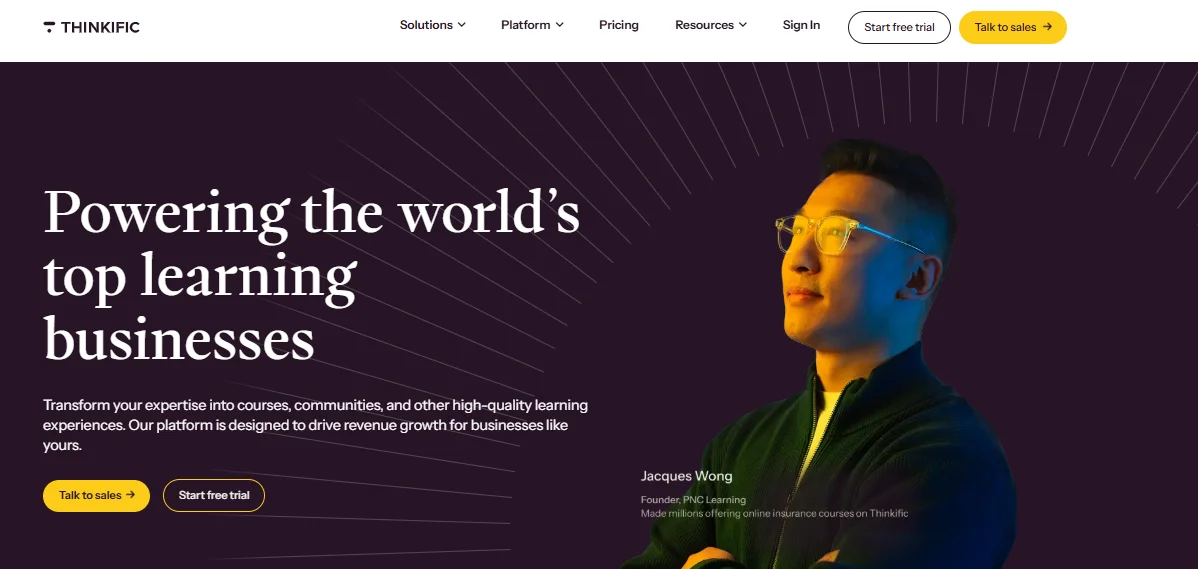
Thinkific is a powerful all-in-one platform for creating, marketing, and selling online courses. It also offers community features, making it ideal for educators and trainers who want to build a learning-focused community.
Pros:
- Seamless integration with courses
- Easy to use and well-documented
- Good customization options
- Built-in payment processing
- Supports both free and paid communities
Cons:
- Limited community engagement tools
- Can get expensive with advanced features
Best for: Course creators and online educators
2. Circle
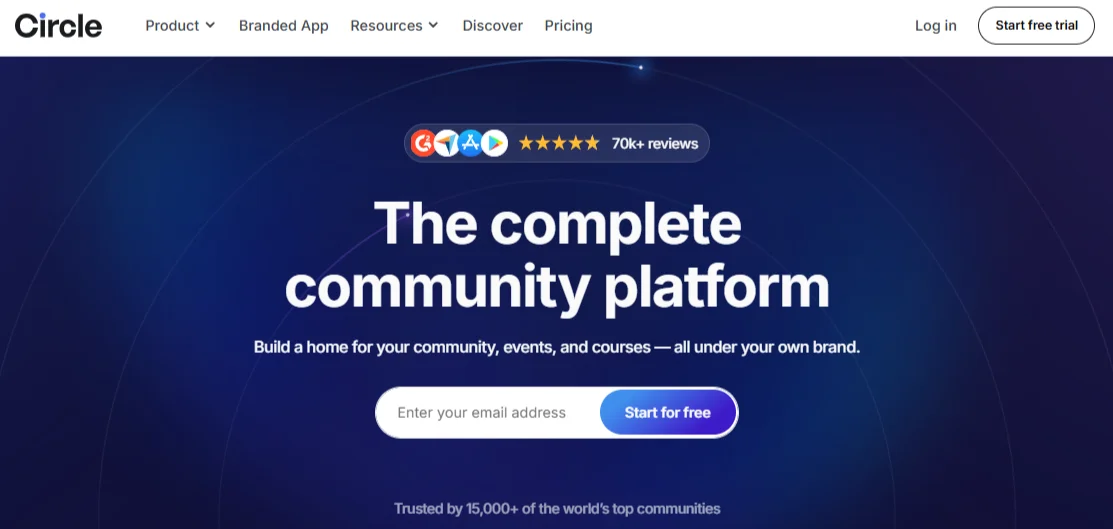
Circle is a modern and clean platform designed to build private communities. It allows full branding control and integrates with popular tools like Zapier, ConvertKit, and Notion.
Pros:
- Beautiful, distraction-free interface
- Highly customizable
- Integrates with popular apps
- Offers spaces, posts, live streams, and events
- Mobile app included
Cons:
- No built-in discovery features
- Requires a learning curve for new admins
Best for: Coaches, membership sites, and professional communities
3. Mighty Networks
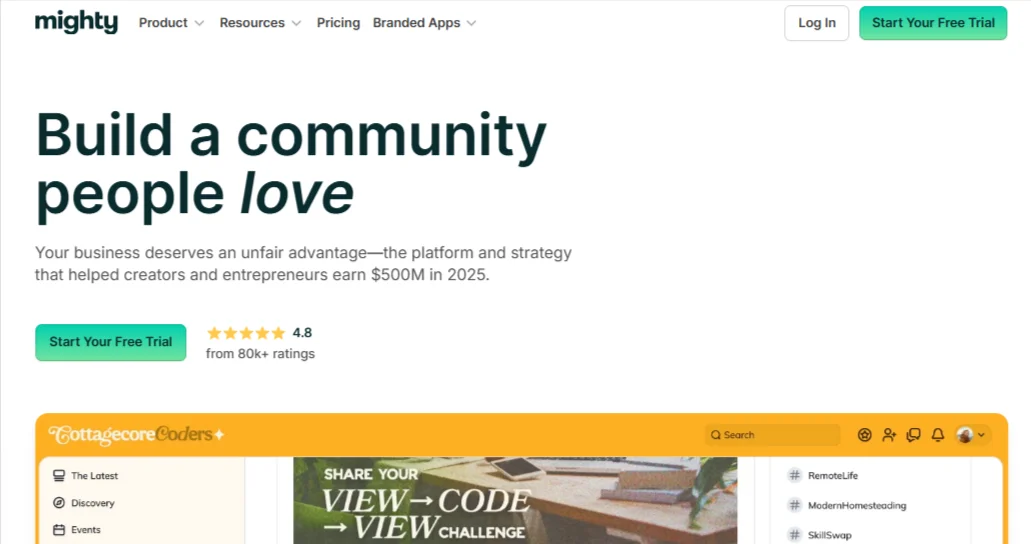
Mighty Networks combines community, events, and online courses into one platform. It’s great for creators looking to host everything under one roof with a mobile-first experience.
Pros:
- Combines community, courses, and events
- Branded mobile app
- Easy to manage memberships
- Offers spaces, groups, and sub-communities
- Built-in monetization
Cons:
- Slightly complex UI
- Pricing increases with features
Best for: Creators and entrepreneurs looking for an all-in-one platform
4. Facebook Groups
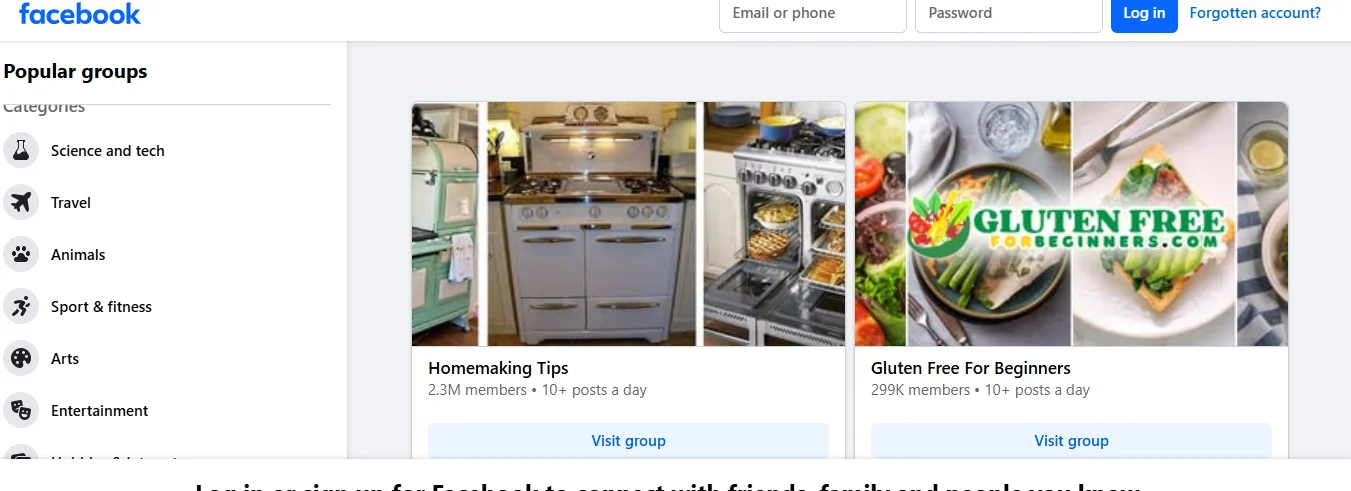
Facebook Groups are free and widely used, making them easy to start and grow. However, you don’t own the platform or your audience.
Pros:
- Free and easy to use
- Huge built-in audience
- Easy to invite and engage members
- Familiar user experience
Cons:
- Limited branding or customization
- Algorithm changes may affect visibility
Best for: Free, casual, and large-scale public communities
5. Slack
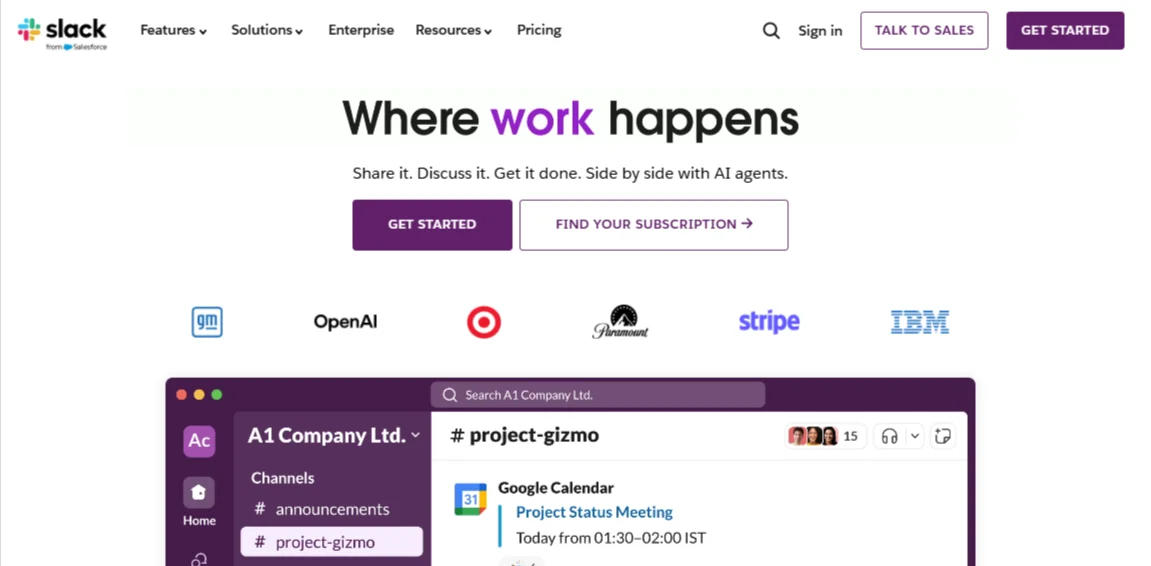
Originally built for workplace collaboration, Slack has also become a community-building tool, especially for startups and tech spaces.
Pros:
- Real-time communication
- Channels for different topics
- Supports integrations and bots
- Great for productivity-focused groups
Cons:
- Limited long-term discussion management
- Not designed for community engagement
Best for: Workplace teams and productivity-focused communities
6. Discord
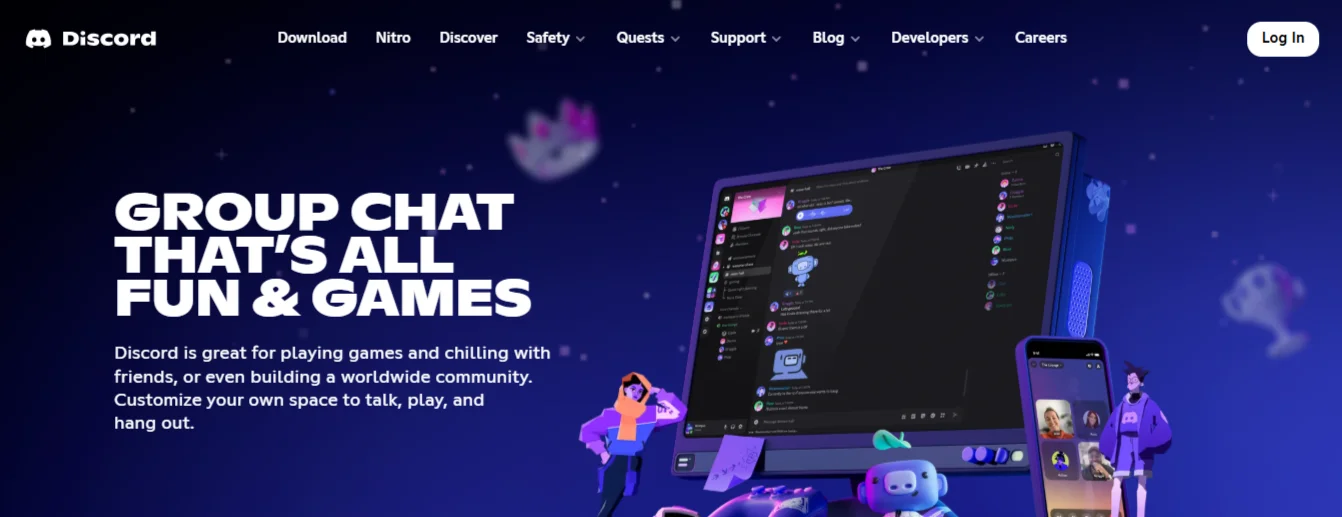
Popular with gamers and tech-savvy users, Discord offers real-time chat, audio, and video. It supports structured roles, bots, and private/public channels.
Pros:
- Free to use with robust features
- Voice and video support
- Custom roles and moderation tools
- Supports bots and automation
Cons:
- Complex interface for beginners
- Less suitable for formal groups
Best for: Gaming, tech, and Gen Z communities
7. Skool
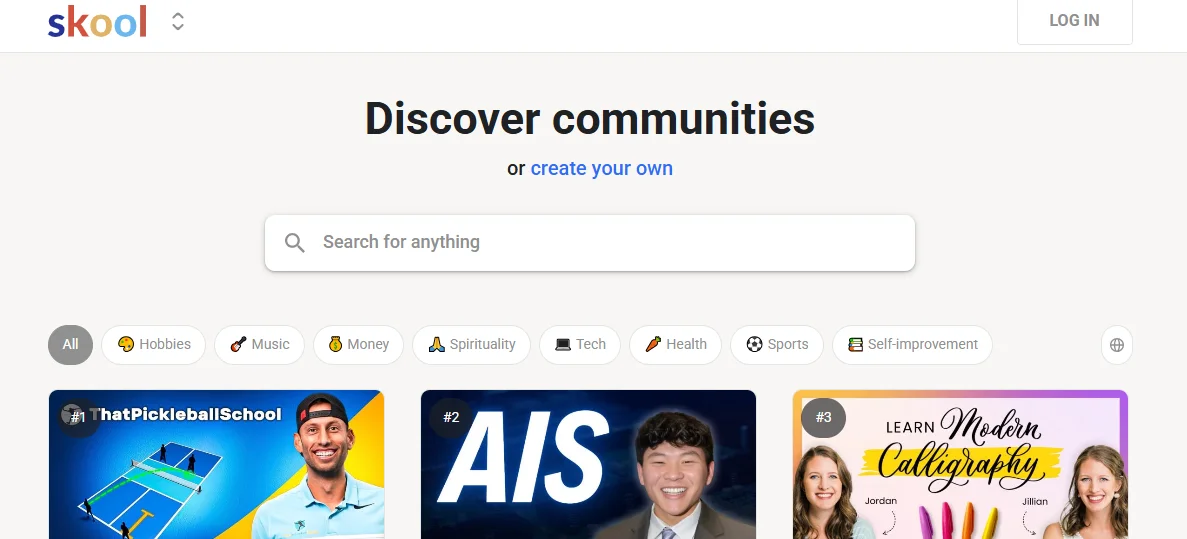
Skool is a lightweight platform combining community with simple course functionality. It’s built for coaches and consultants who value simplicity and focus.
Pros:
- Very user-friendly
- Built-in courses and discussion features
- Gamification (leaderboards, points)
- Calendar and scheduling tools
Cons:
- Limited customization
- Basic integrations
Best for: Coaching programs, masterminds, and small courses
8. Bettermode (formerly Tribe)
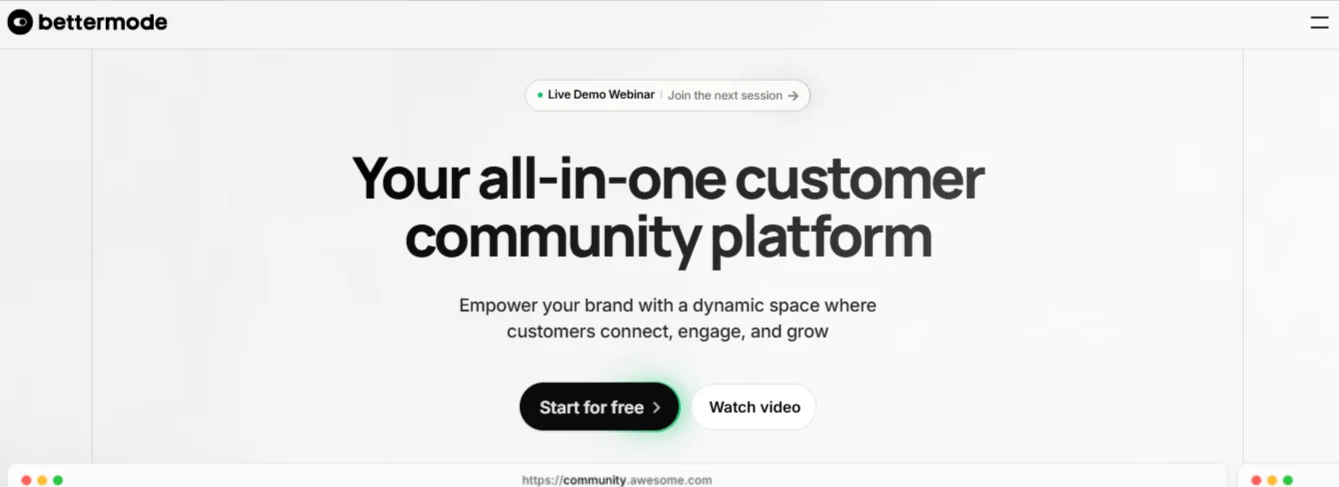
Bettermode is a customizable, white-labeled community platform built for brands and SaaS companies. It focuses on embedding community elements into websites and apps.
Pros:
- Fully customizable and brandable
- Widget-based integrations
- Embeds community into your site
- Modular and scalable design
Cons:
- Premium features locked behind higher plans
- Setup may require technical knowledge
Best for: Brands and SaaS businesses wanting embedded communities
9. Kajabi
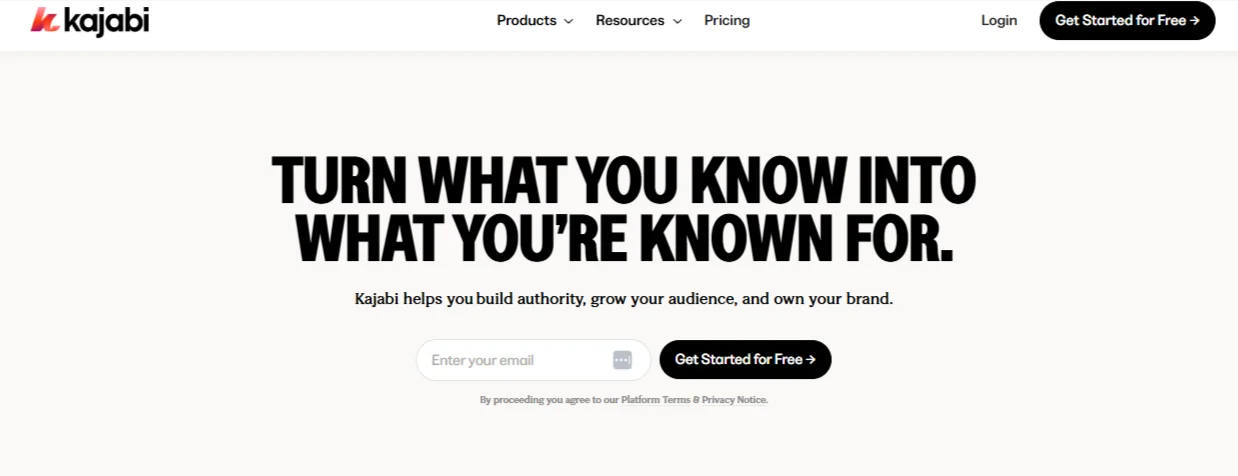
Kajabi is a complete platform for building and marketing digital products, including online courses and community memberships, all under one dashboard.
Pros:
- Powerful all-in-one solution
- Automations and email marketing included
- Course hosting with community support
- Strong monetization tools
Cons:
- Expensive for beginners
- Limited community customization
Best for: Digital entrepreneurs selling courses or memberships
Also Check: How To Repost A Post On Instagram: Step by Step Guide
10. Vanilla Forums (by Higher Logic)
Vanilla Forums offers forum software for enterprise-level clients. It supports structured, threaded discussions and is great for building customer support communities.
Pros:
- Strong moderation tools
- Gamification features
- Designed for enterprise use
- Good analytics and insights
Cons:
- Complicated setup
- Expensive for small businesses
Best for: Enterprises and B2B communities needing robust forum features
11. Podia
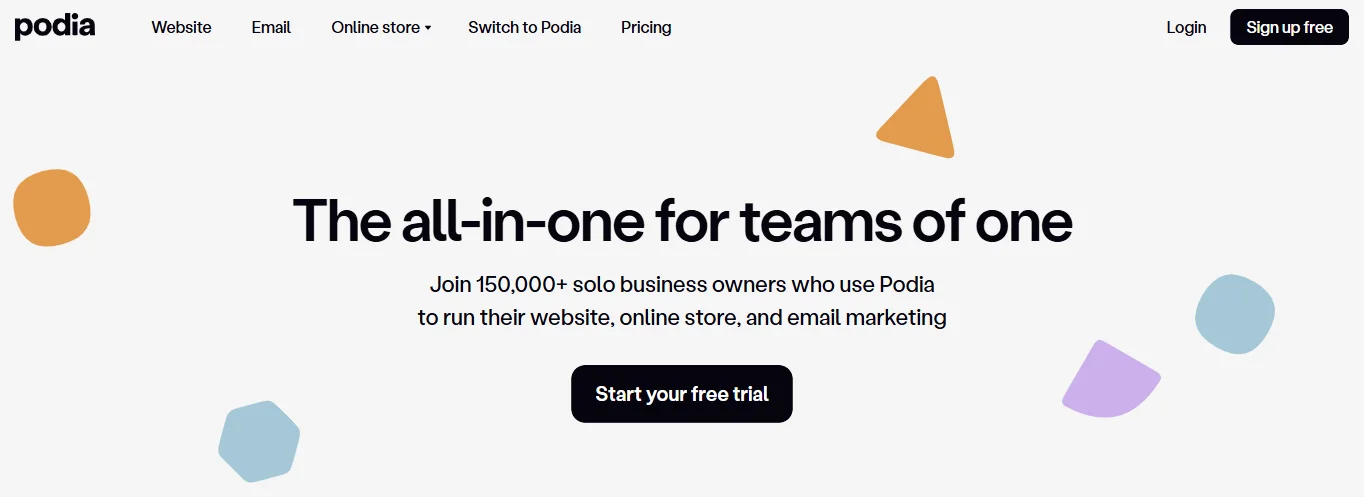
Podia is an easy-to-use platform for selling digital products and hosting online communities. It’s beginner-friendly and ideal for solo creators.
Pros:
- Simple setup
- Includes courses, downloads, and email tools
- One price for multiple features
- Friendly user interface
Cons:
- Community features are basic
- Less flexibility for scaling large communities
Best for: Freelancers and digital content creators
12. Disciple
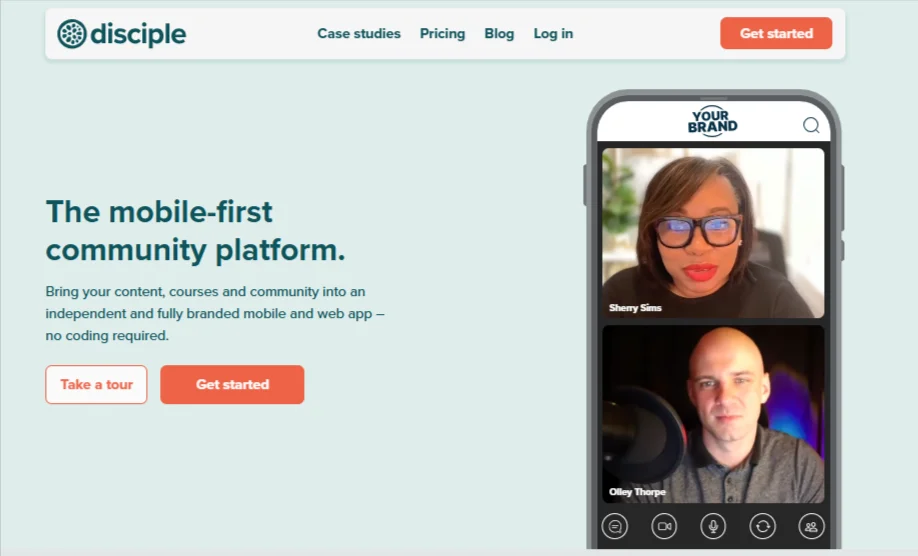
Disciple is a mobile-first community platform that offers fully branded apps and deep customization. It’s ideal for influencers and growing personal brands.
Pros:
- Custom-branded mobile app
- Full control over branding
- Great for mobile engagement
- Subscription monetization options
Cons:
- Higher pricing
- Limited desktop features
Best for: Mobile-centric creators and influencers
13. Discourse
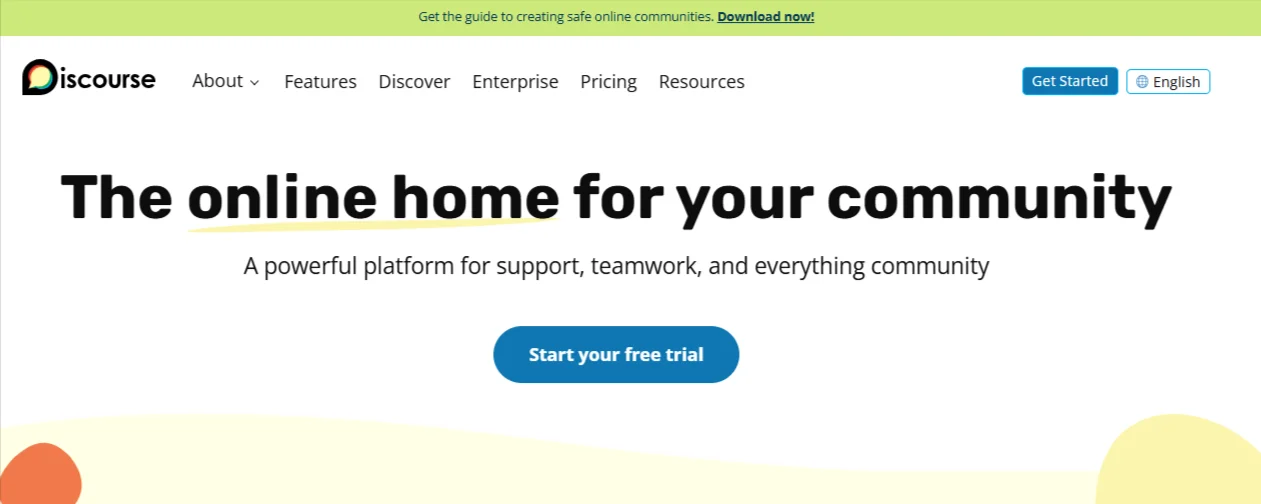
Discourse is a modern, open-source discussion forum software, popular among developers and tech communities. It’s powerful, scalable, and highly configurable.
Pros:
- Open-source and free to self-host
- Ideal for long-form discussions
- Threaded replies and tagging
- Active plugin ecosystem
Cons:
- Requires technical setup
- Not real-time chat focused
Best for: Developer communities and technical discussions
14. MemberDev
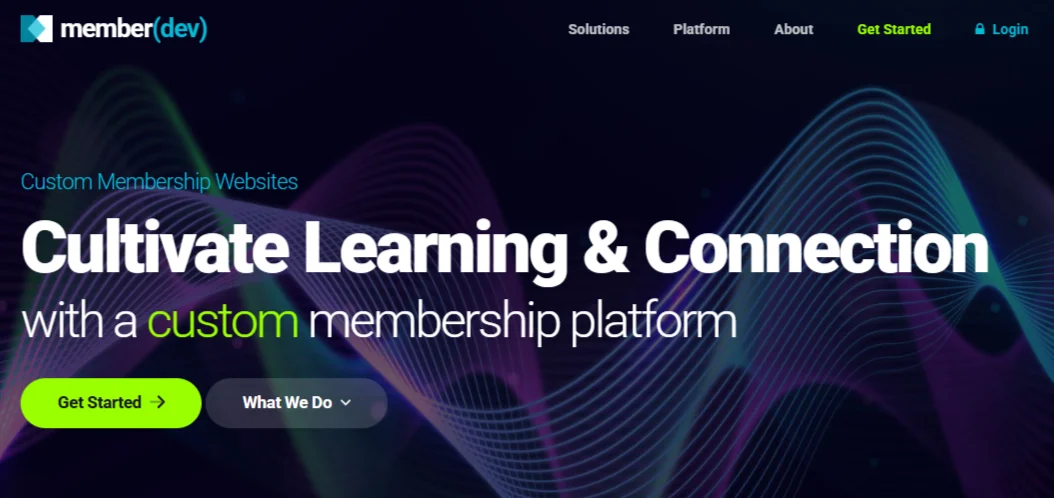
MemberDev offers custom-built membership websites and community platforms tailored to your specific needs, perfect for established businesses.
Pros:
- Fully tailored community site
- Dedicated support
- Integration with e-commerce, LMS, etc.
Cons:
- High development cost
- Not ideal for small creators or beginners
Best for: Established brands needing custom community portals
15. Uscreen
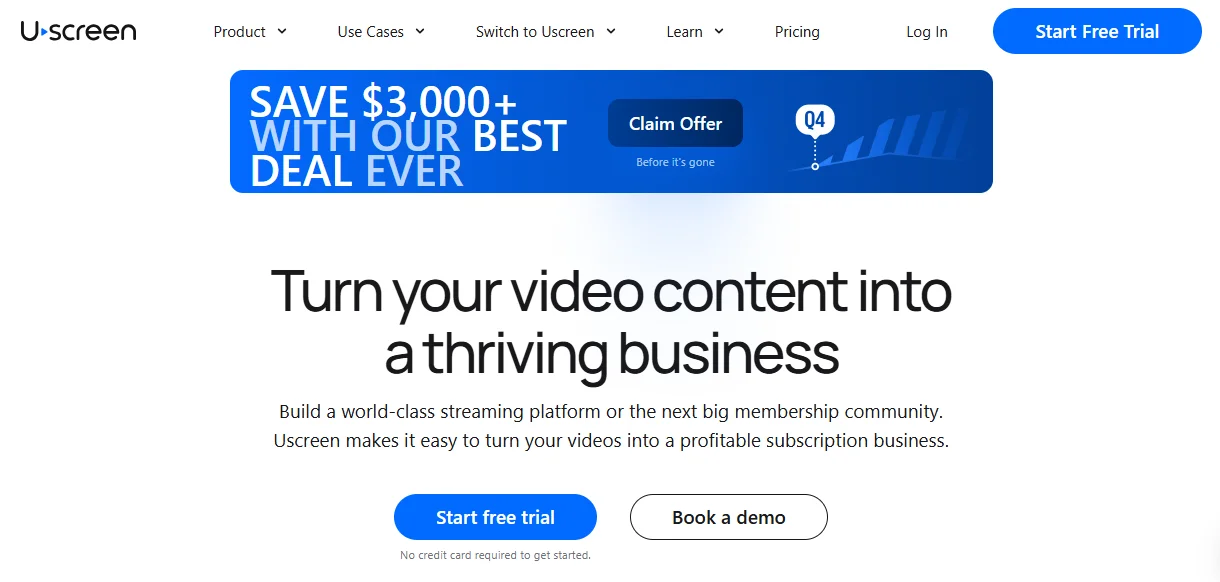
Uscreen is a video-first platform that enables creators to build communities around their video content. It supports OTT apps, memberships, and monetization.
Pros:
- Built-in video hosting and streaming
- Subscription options for content
- Branded OTT apps (TV, mobile)
- Analytics and engagement tools
Cons:
- Focused mostly on video
- High pricing for small creators
Best for: Video content creators and online fitness trainers
16. Reddit
Reddit is a massive public forum broken into topic-specific subreddits. It’s not customizable, but it’s ideal for discussions and discovery in niche communities.
Pros:
- Free and easy to join
- Massive built-in audience
- High organic discovery
Cons:
- No branding options
- No monetization tools
Best for: Public niche communities and discussion forums
Comparison Table of Top Platforms
| Platform | Best For | Monetization | Mobile App | Custom Branding |
| Thinkific | Course creators | ✅ | ✅ | ✅ |
| Circle | Private communities | ✅ | ✅ | ✅ |
| Mighty | All-in-one communities | ✅ | ✅ | ✅ |
| Free groups | ❌ | ✅ | ❌ | |
| Slack | Team chat | ❌ | ✅ | ❌ |
| Discord | Real-time communities | ❌ | ✅ | Limited |
| Skool | Coaching groups | ✅ | ✅ | ❌ |
| Bettermode | Branded experiences | ✅ | ❌ | ✅ |
| Kajabi | Full-scale digital biz | ✅ | ✅ | ✅ |
| Vanilla | Enterprise forums | ✅ | ❌ | ✅ |
| Podia | Digital products | ✅ | ✅ | Limited |
| Disciple | Mobile-first | ✅ | ✅ | ✅ |
| Discourse | Developers, open-source | ❌ | ❌ | ✅ |
| MemberDev | Custom memberships | ✅ | ❌ | ✅ |
| Uscreen | Video creators | ✅ | ✅ | ✅ |
| Public discussion | ❌ | ✅ | ❌ |
Which Online Community Platform Is Right for You?
Here are some quick suggestions based on your needs:
- For course creators: Thinkific, Kajabi, Skool
- For creators and influencers: Mighty Networks, Circle, Podia
- For free public groups: Facebook Groups, Reddit
- For tech-savvy audiences: Discord, Discourse
- For custom brand control: Bettermode, Disciple, MemberDev
- For video content communities: Uscreen
FAQs
Q: Can I monetize a free community platform?
A: Most public platforms like Facebook and Reddit don’t support direct monetization, but you can link to external products or services.
Q: What’s the easiest platform to manage?
A: Circle and Skool are very user-friendly and built for simplicity.
Q: Are forums still relevant in 2025?
A: Yes! Forums like Discourse and Vanilla are great for structured, long-term discussions.
Q: How do I migrate my community to a new platform?
A: Many platforms offer migration tools or support to help you import members and content.
Final Thoughts
Choosing the right online community platform depends on your audience, goals, and budget. Whether you want to create a small mastermind group or a thriving digital hub, there’s a perfect platform out there for you.
Take advantage of free trials, explore the tools, and start building your community with confidence in 2025.

Passionate about blogging and focused on elevating brand visibility through strategic SEO and digital marketing. Always tuned in to the latest trends, I’m dedicated to maximizing engagement and delivering measurable ROI in the dynamic world of digital marketing. Let’s connect and unlock new opportunities together!