

YouTube sponsorships are one of the most powerful ways to turn your passion into profit. Whether you’re just starting your channel or you’ve already built a growing audience, landing brand deals can unlock a steady income stream and boost your credibility as a creator. But how do you actually get sponsored? In this guide, we’ll break down everything you need to know about getting sponsored on YouTube in 2025—from the different types of sponsorships and what brands look for, to pitching strategies, payment expectations, and common mistakes to avoid.
What Is a YouTube Sponsorship?
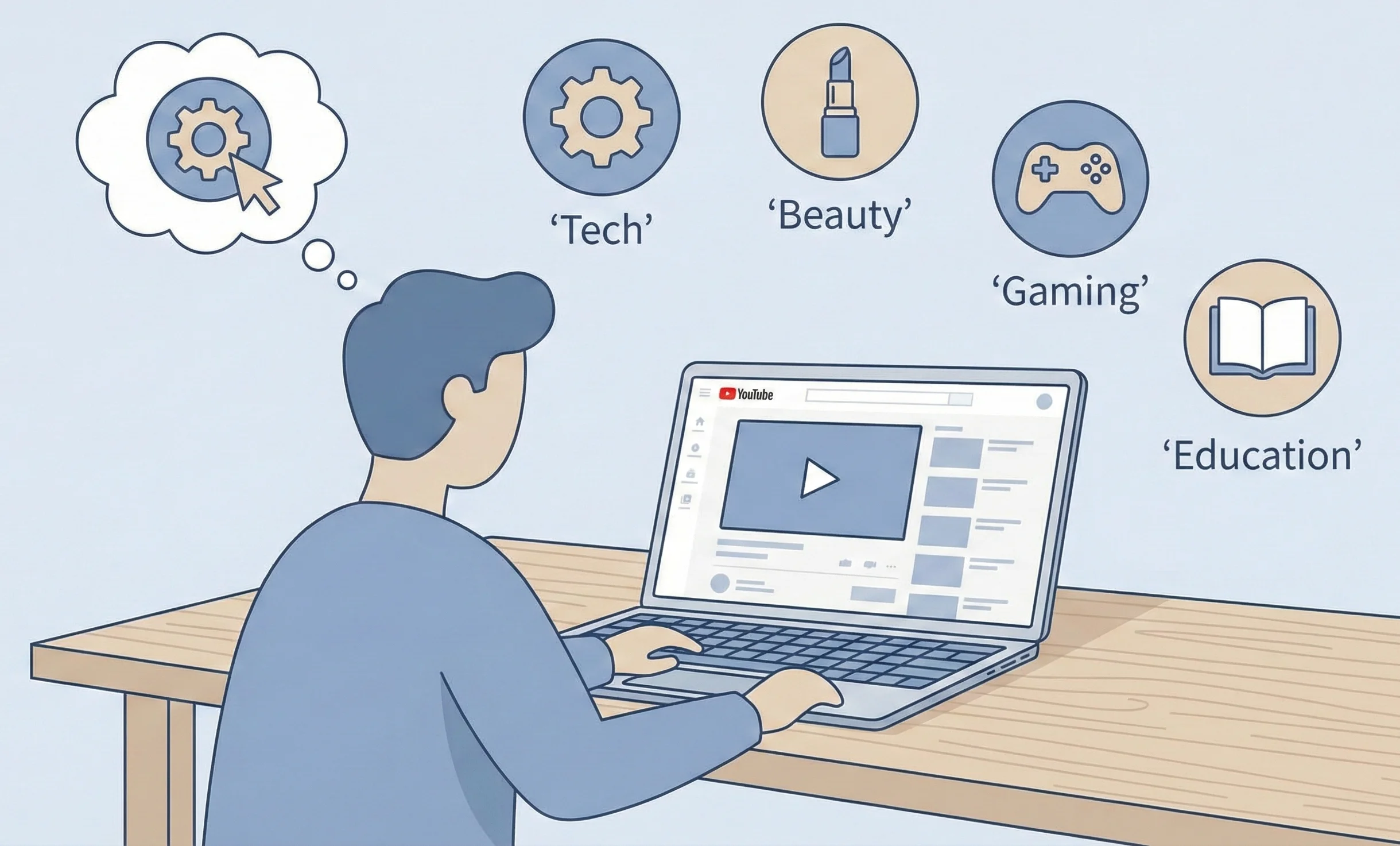
YouTube sponsorship is a paid partnership between a content creator and a brand. In this partnership, the brand pays the YouTuber to promote their product, service, or message to the creator’s audience.
These sponsorships are usually seen as product placements, shoutouts, or entire videos dedicated to reviewing or using the brand’s offering. Sponsorships are one of the most lucrative ways YouTubers can monetize their content.
Types of YouTube Sponsorships
1. Affiliate Sponsorships
You earn a commission every time someone makes a purchase through your unique affiliate link.
2. Product Sponsorships
The brand sends you a free product in exchange for a mention, unboxing, or review. While not always paid, it’s a great way to start building relationships with brands.
3. Paid Sponsorships
These are direct payments from brands for you to promote their products in your videos. They typically require integration into your content or the creation of a dedicated video.
4. Brand Ambassadorships
Long-term partnerships where a creator represents a brand in multiple videos or campaigns over time.
5. Platform Sponsorships
Programs like YouTube’s BrandConnect help creators find sponsors through the YouTube platform itself.
What Sponsors Look For in YouTubers
Before brands decide to partner with you, they’ll evaluate a few things:
A Clearly Defined Niche or Audience
Sponsors want to know exactly who you’re speaking to. Whether you cover fitness, tech, gaming, or parenting—clarity matters.
High-Quality and Consistent Content
Your videos don’t have to be Hollywood-level productions, but they should have good audio, lighting, and editing.
Professional Channel Branding and Layout
A clean banner, recognizable logo, and cohesive video thumbnails can set you apart from amateurs.
Engaged and Growing Subscriber Base
It’s not just about how many subscribers you have, but how involved and loyal they are.
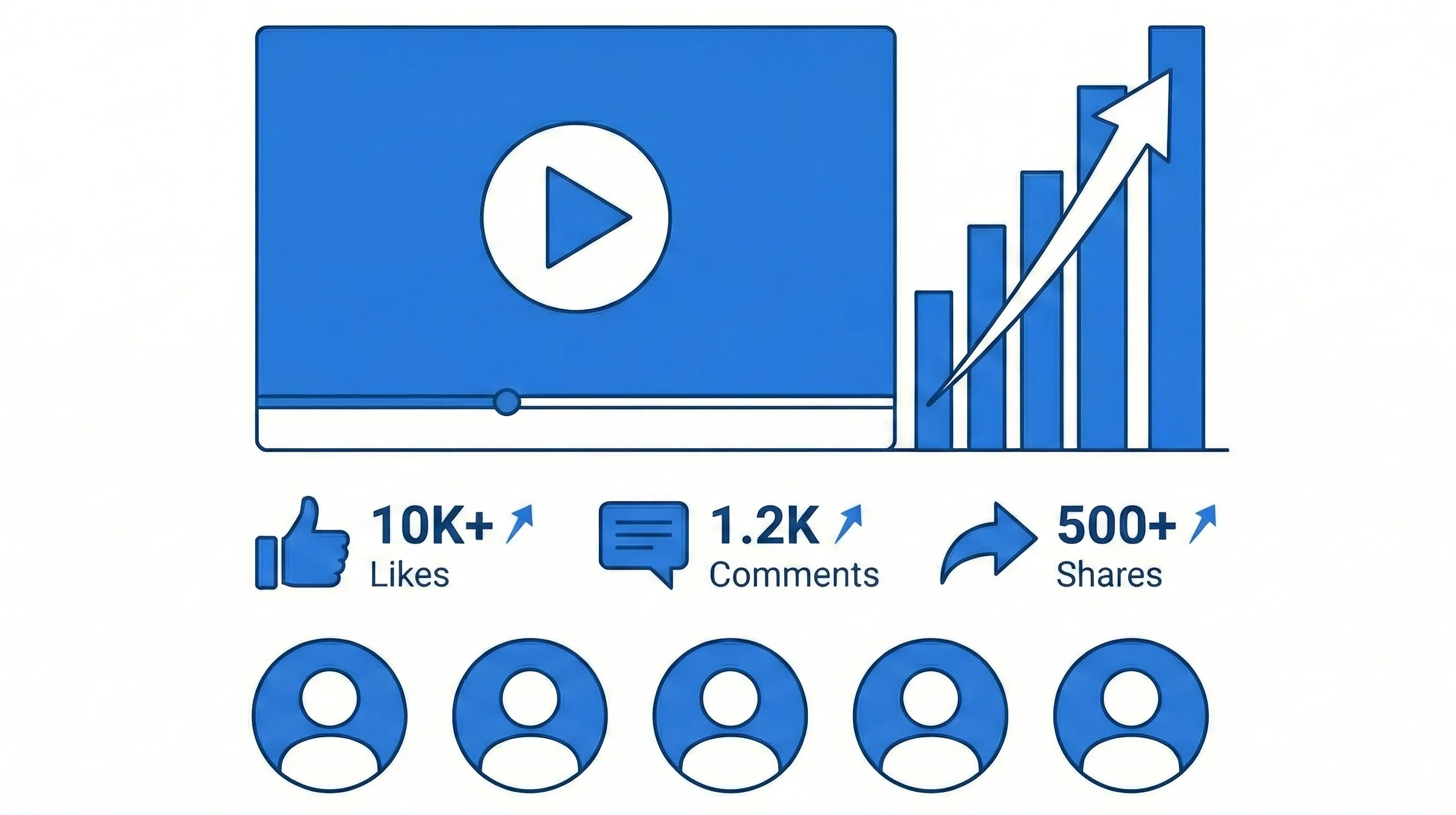
Strong Viewer Engagement Metrics
Sponsors will look at likes, comments, watch time, and click-through rates to gauge audience interest.
Positive Online Presence
Brands want to avoid controversy. Maintaining a clean, drama-free reputation is key.
How to Prepare Your Channel for Sponsorship
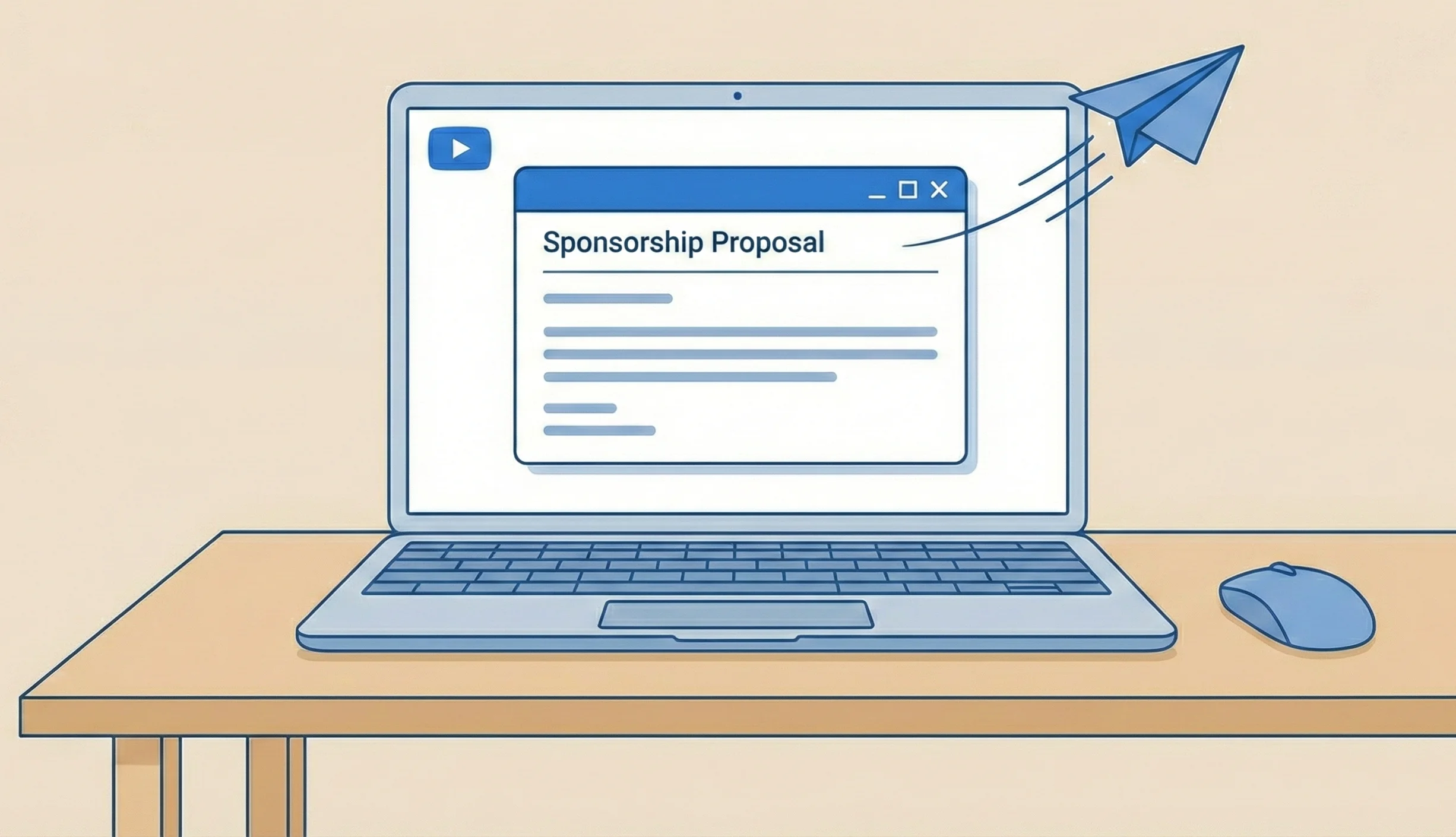
Here’s how to make your channel sponsor-ready:
- Optimize Your Channel Bio and About Section: Include your niche, upload schedule, and email for business inquiries.
- Organize Videos into Playlists: Makes your content easy to navigate and shows professionalism.
- Create a Channel Trailer: Briefly introduce yourself and what your channel is about.
- Showcase Previous Collaborations: If you’ve worked with brands before, add them to your media kit or portfolio.
How to Find and Connect with Sponsors
1. Make Your Channel Easy to Contact
Add a business email address to your “About” section. It’s the first place many brands will look.
2. Create a YouTube Media Kit
This should include:
- Your bio and niche
- Audience demographics (age, gender, location)
- Subscriber count and average views
- Engagement rates
- Past brand collaborations
3. Reach Out Directly to Brands
Identify companies that align with your niche. Send personalized emails with your pitch and media kit attached.
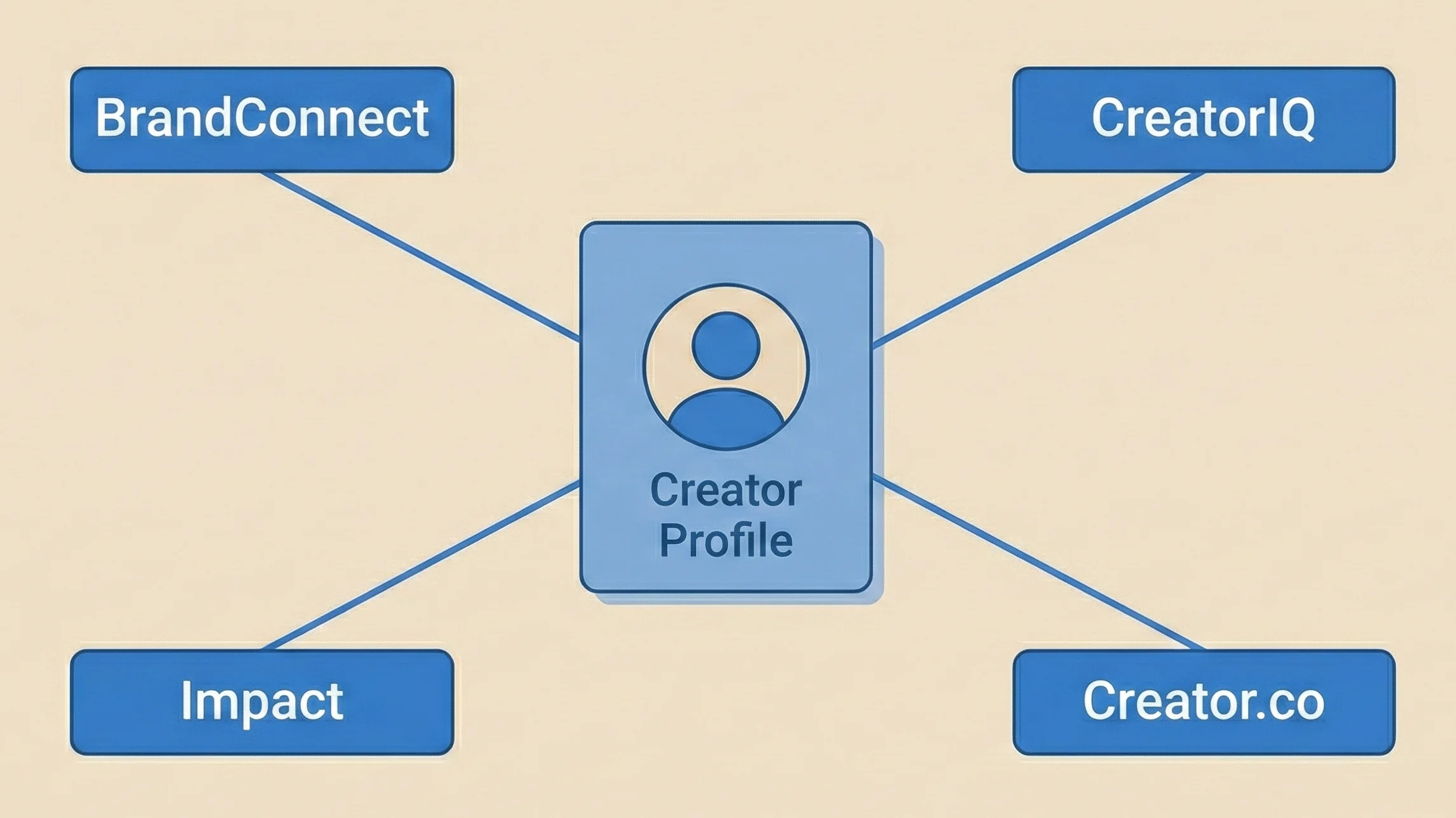
4. Use Sponsorship Marketplaces
Platforms that help creators and brands find each other:
- Grapevine
- Channel Pages
- AspireIQ
- CreatorIQ
5. Apply for YouTube BrandConnect
YouTube’s official sponsorship platform (for eligible creators) matches you with brands looking to run paid campaigns.
Also Check: Top 11 Coursera Alternatives In 2025
How to Pitch to Sponsors
1. Craft a Personalized Sponsorship Email
Avoid templates. Reference specific products or campaigns and explain why you’re a good fit.
4. Highlight What’s in It for the Brand
Make it clear how your content and audience can help the brand achieve its goals.
3. Include Channel Stats and Audience Demographics
Numbers speak volumes. Brands want to see your reach and influence.
4. Suggest Creative Integration Ideas
Offer unique ways you can naturally incorporate the brand into your content.
5. Be Clear About Deliverables and Pricing
State what you’re offering (video mention, dedicated video, social post, etc.) and include your rate.
How Much Do YouTube Sponsors Pay?
Sponsorship rates vary widely based on several factors:
1. Factors That Affect Rates
- Niche and content type
- Engagement rate
- Audience location
- Video format and placement (mention vs. dedicated)
2. Average Sponsored Video Rates by Subscriber Count
| Subscriber Count | Average Rate per Video |
| Under 10K | $50 – $500 |
| 10K – 100K | $500 – $5,000 |
| 100K – 500K | $5,000 – $15,000 |
| 500K+ | $15,000+ |
Rates are flexible—negotiation and audience engagement play a big role.
Pro Tips to Attract More Sponsorships
- Collaborate With Other Creators: Exposure to new audiences builds authority and reach.
- Use SEO to Rank Videos: Proper titles, tags, and descriptions increase visibility and traffic.
- Be Transparent With Your Audience: Let your audience know when a video is sponsored. Trust is critical.
- Build Long-Term Relationships With Brands: Offer follow-up metrics after a campaign and show results.
- Deliver High-Quality Work: Exceed expectations to increase repeat business and referrals.
Common Mistakes to Avoid
- Taking Irrelevant Sponsorships: Promoting unrelated products can confuse your audience and harm credibility.
- Undervaluing Your Content: Know your worth. Don’t sell yourself short just to land a deal.
- Failing to Disclose Sponsorships: Always follow FTC and YouTube guidelines by clearly marking sponsored content.
- Ignoring Contracts: Read all agreements carefully and ensure deliverables and payment terms are understood.
Conclusion
Getting sponsored on YouTube in 2025 isn’t just about having a large following. Brands look for niche authority, high engagement, and professionalism.
By building a channel that reflects your values, creating quality content, and learning how to pitch effectively—you can open the door to steady sponsorship opportunities and grow your YouTube income. Stay authentic, stay consistent, and start reaching out!

Passionate about blogging and focused on elevating brand visibility through strategic SEO and digital marketing. Always tuned in to the latest trends, I’m dedicated to maximizing engagement and delivering measurable ROI in the dynamic world of digital marketing. Let’s connect and unlock new opportunities together!