

Redesigning a website is exciting—it can improve user experience, modernize your design, and help your brand grow. But without proper planning, a redesign can badly impact your SEO. Many businesses see a sudden drop in their search rankings, organic traffic, and conversions right after a new website goes live.
This happens because even small changes in structure, content, or technical setup can disrupt how search engines understand your site.
This guide will help you understand why SEO issues happen during redesigns and how to avoid them with a structured approach.
Why SEO Gets Affected During a Website Redesign

Website redesigns often involve changes to structure, content, URLs, and technology. Search engines treat these changes seriously because they alter how your site is crawled, indexed, and ranked.
A redesign may cause sudden drops in search performance because search engines need time to understand the new website, and mistakes during the process can break existing SEO value.
Common reasons SEO gets affected:
- Changing URL structure without proper redirects
- Removing important pages that previously ranked well
- Modifying content that had strong keyword relevance
- Losing internal links that helped search engines crawl pages
- Slow or poorly optimized new website design
- Technical issues like broken links, missing metadata, or improper indexing
A mishandled redesign can lead to reduced visibility, fewer clicks, and revenue loss.
SEO Checklist Before Starting the Redesign
Before touching the design or development, you should understand your current SEO performance. This gives you a benchmark and helps ensure that important pages and content are protected during the redesign.
1. Conduct a Full SEO Audit
This helps you understand how your current website performs and what must be preserved.
- Measure top-ranking keywords
- Identify pages that bring the most organic traffic
- Check pages that drive leads or sales
- Review your current technical SEO health
An audit helps avoid deleting or changing pages that are already performing well.
2. Crawl Your Existing Website
A full crawl provides a complete list of your URLs and how the site is structured.
- Export the list of all URLs
- Record metadata like title tags and meta descriptions
- Identify how internal links flow across the website
- Note any important structured data
This information is critical for recreating or improving SEO elements on the new website.
3. Analyze Competitors
Studying competitors helps you identify opportunities to improve your redesign strategy.
- Check how competitors structure their website
- Review their content themes and keyword focus
- Analyze their navigation and user experience
- Identify gaps where your content can perform better
Competitor insights help shape a more effective site architecture and content plan.
4. Set Clear SEO Goals for the Redesign
SEO should guide the redesign—not the other way around. Setting goals ensures the redesign improves performance.
Goals may include:
- Better page speed
- Improved mobile experience
- Stronger content layout
- More structured site navigation
Clear objectives help teams stay aligned throughout the redesign process.
SEO Considerations During the Redesign Phase
The redesign stage is where most SEO mistakes happen. Ensuring SEO is included in every decision helps maintain your rankings and traffic.
1. Keep the Same URL Structure (If Possible)
URLs that already rank should ideally remain unchanged. Changing them can break your SEO equity unless handled carefully.
If changes are unavoidable:
- Make the new structure clean and logical
- Prepare a full redirect plan to preserve rankings
A stable URL structure protects your existing visibility.
2. Maintain or Improve On-Page SEO
During redesigns, text placement and content structure often change. You must ensure that on-page SEO remains intact.
Key areas to preserve or improve:
- Title tags and meta descriptions
- Header tags (H1, H2, etc.)
- Keyword relevance in content
- Internal linking
- Image alt text
Maintaining these elements tells search engines the purpose of each page.
3. Create an Updated Site Architecture
A clear, organized structure improves user experience and SEO performance.
Consider the following:
- A simple and logical navigation system
- Grouping related topics under clear categories
- Ensuring all important pages are accessible within 2–3 clicks
- Making it easier for search engines to crawl and index pages
Better architecture improves both usability and ranking potential.
4. Improve Technical SEO
Technical SEO ensures your redesigned website meets modern standards.
Focus areas:
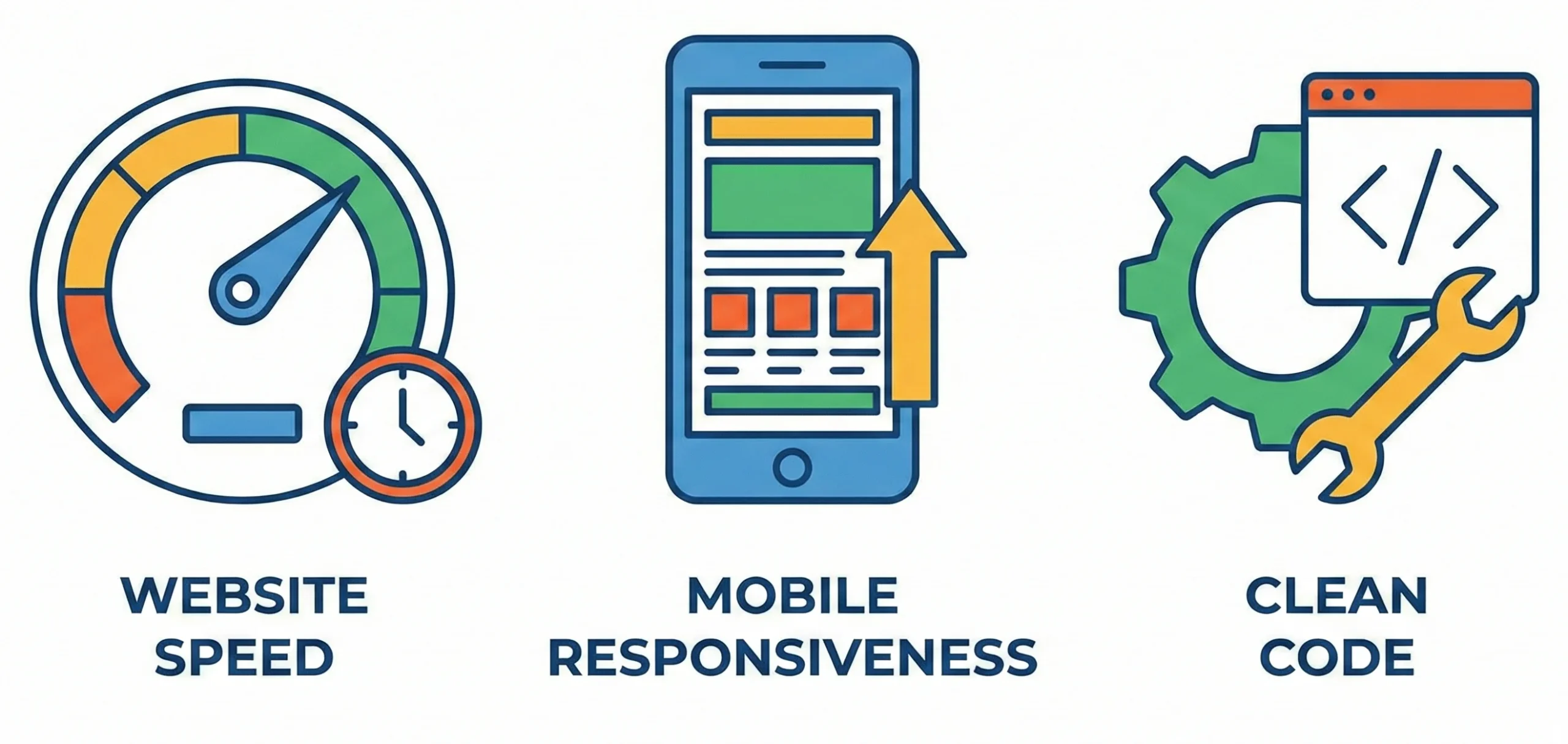
- Faster page speed
- Mobile-friendly layout
- Clean code to reduce unnecessary scripts
- Optimized images and media
- Better Core Web Vitals
- Proper use of canonical URLs
These improvements help search engines easily understand and rank your new website.
5. Preserve Internal Links
Internal links help search engines discover content and pass authority across pages.
During redesign:
- Ensure important internal links remain
- Update links pointing to URLs that have changed
- Avoid broken or outdated paths
Strong internal linking maintains site hierarchy and SEO value.
The Importance of a Staging Environment
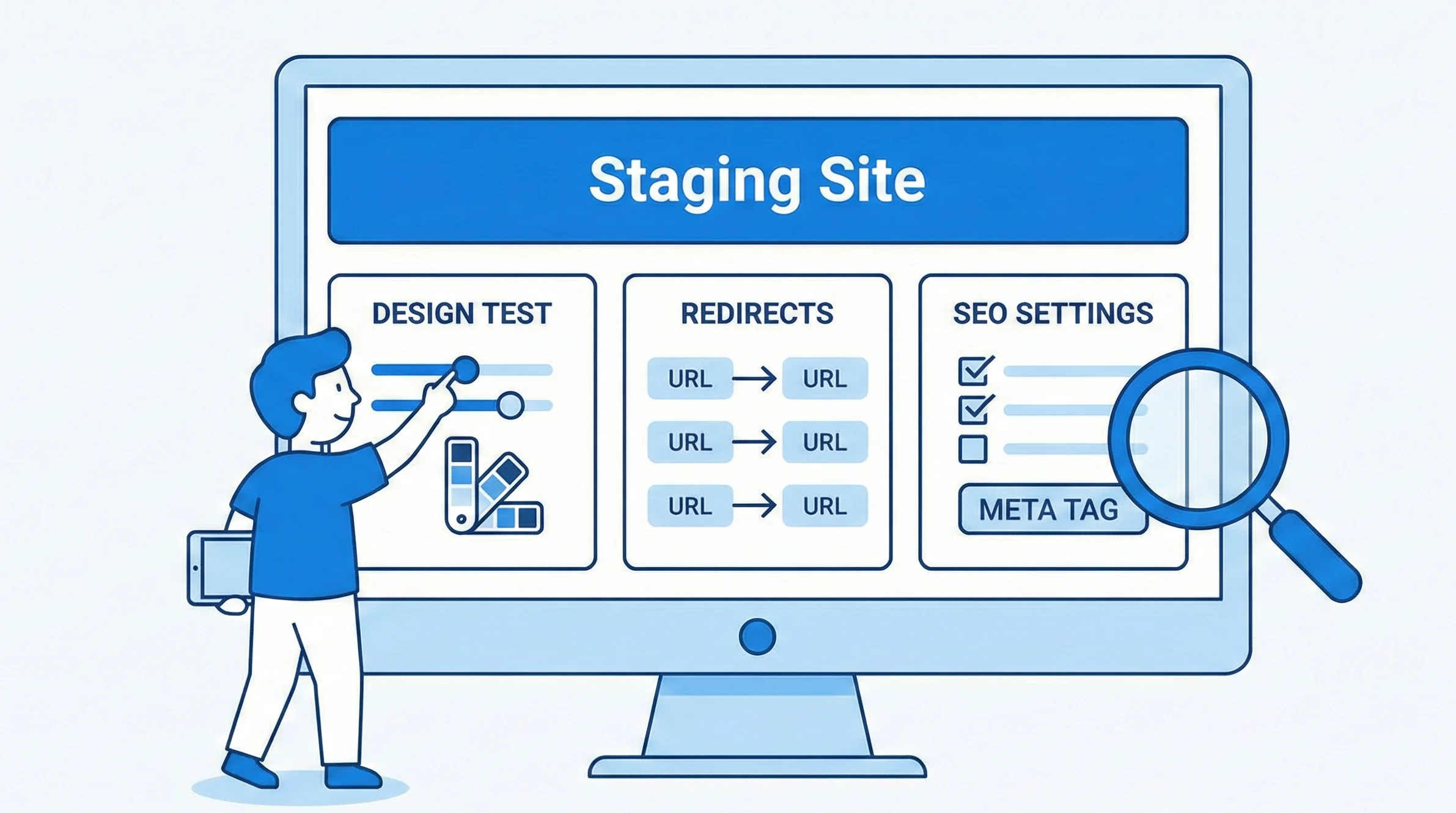
A staging site is a private version of your new website used for testing before launch. This prevents major SEO problems from appearing on the live website.
Benefits of a staging environment:
- You can check design, content, and structure safely
- You can test redirects and navigation
- You can verify technical SEO settings
- You prevent search engines from indexing the unfinished website
Staging helps catch issues early and ensures a smooth launch.
The Right Way to Handle 301 Redirects
Redirects are one of the most critical parts of redesigns. They ensure old URLs pass their SEO value to new pages.
1. Create a Redirect Map
A redirect map is a detailed list showing which old URLs point to which new URLs.
- Match every old URL with the correct new destination
- Avoid redirect chains (redirect → redirect → page)
- Ensure no URLs lead to 404 errors
A complete map prevents ranking loss and preserves link equity.
2. Test All Redirects Before Launch
Testing ensures your redirection plan works perfectly.
You should:
- Scan for redirect loops
- Check for incorrect redirect destinations
- Verify no important pages are left out
- Test redirects on both desktop and mobile
Proper testing ensures search engines and users reach the correct pages.
Migrating Content Without Losing Rankings
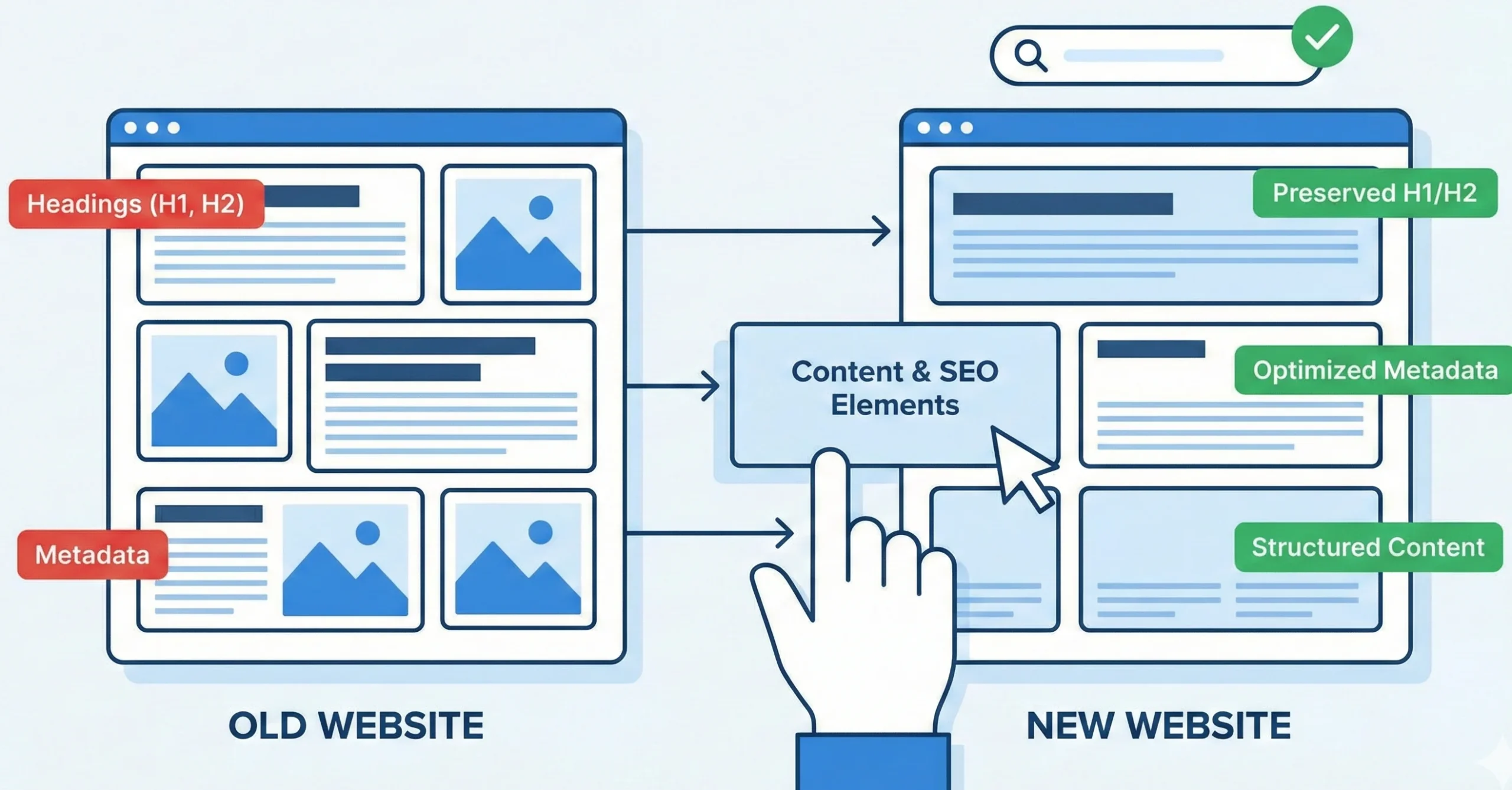
Content migration is sensitive because search engines rely heavily on page content to rank your website. The goal is to keep valuable content intact while improving areas that need attention.
1. Preserve High-Value Content
High-performing pages often have strong keyword relevance and backlinks. Removing or rewriting them may cause ranking loss.
To preserve value:
- Identify pages that bring most organic traffic
- Keep core content and structure similar
- Avoid changing URLs unless necessary
Maintaining these pages ensures stability after launch.
2. Improve Thin or Outdated Content
Pages with weak content can be enhanced during redesign.
You can:
- Expand short pages with more helpful details
- Make content easier to read
- Improve formatting and visuals
- Ensure content aligns with user search intent
Enhancing content improves the overall quality of your website.
3. Maintain On-Page Optimization
All important on-page SEO elements should stay intact.
This includes:
- Titles, meta descriptions, and headings
- Keyword placement
- Internal linking between relevant pages
- Structured data markup
This helps search engines understand your content the same way they did before redesign.
Launch Day SEO Checklist
Launch day must be handled with care. Even small mistakes can cause significant visibility issues.
Important checks:
- Remove all noindex tags so search engines can index the new site
- Validate canonical URLs
- Ensure HTTPS is working properly
- Submit an updated XML sitemap
- Test site speed and mobile responsiveness
- Confirm tracking tools like Google Analytics and Search Console are active
These checks ensure your redesigned site goes live correctly.
Post-Launch Monitoring
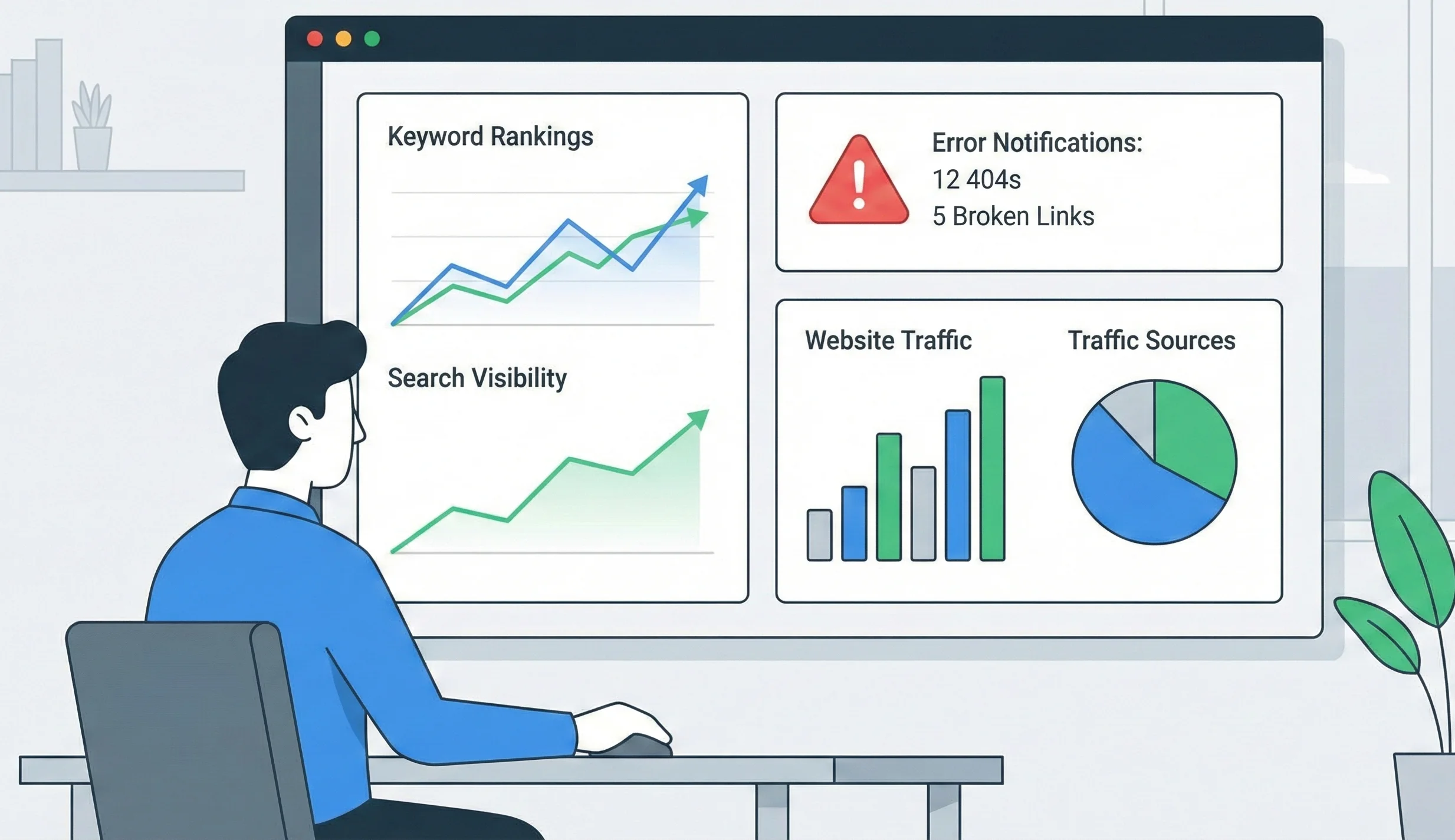
After going live, the website needs close observation to catch issues early.
1. Track Rankings and Organic Traffic
Monitor your rankings daily or weekly to spot unexpected drops. Temporary fluctuations are normal, but major declines need immediate analysis.
2. Fix Crawl Errors Immediately
Check for technical issues such as:
- 404 pages
- Redirect loops
- Missing metadata
- Pages not indexed correctly
Fixing these early prevents long-term SEO damage.
3. Monitor Backlinks
Backlinks pointing to old URLs should still pass authority to the correct new pages.
Check for:
- Links that lead to 404 pages
- Backlinks that may require manual updates
- Lost backlinks after redesign
Properly handled backlinks help maintain authority.
4. Conduct a Second SEO Audit
A post-launch audit helps you compare before-and-after performance.
It checks:
- New site structure
- Technical setup
- Content layout
- Internal linking
- Crawlability
This ensures the redesign is aligned with your SEO goals.
Best Practices to Minimize SEO Risks
To avoid serious SEO problems during redesigns, teams must work in sync and follow a structured plan.
Best practices include:
- Maintain communication between designers, developers, and SEO experts
- Avoid launching changes suddenly—plan them carefully
- Do not redesign during peak business seasons
- Document every major change for future reference
These practices ensure a smoother redesign and predictable results.
Conclusion
A website redesign can improve user experience and performance, but it must be done with a strong SEO strategy. When SEO is considered from the start, you protect your rankings, traffic, and revenue. By following a structured process—before, during, and after the redesign—you avoid costly mistakes and give your website a stronger foundation for future growth.

Passionate about blogging and focused on elevating brand visibility through strategic SEO and digital marketing. Always tuned in to the latest trends, I’m dedicated to maximizing engagement and delivering measurable ROI in the dynamic world of digital marketing. Let’s connect and unlock new opportunities together!