


Summary
The BCG Matrix of PepsiCo is a key strategic framework that explains how PepsiCo manages its broad product portfolio. It divides the company’s brands into four categories — Stars, Cash Cows, Question Marks, and Dogs — based on their market growth rate and relative market share.
This analysis shows that PepsiCo has a strong balance between profitable brands like Frito-Lay and Gatorade, emerging brands like Aquafina, struggling brands like Diet Pepsi, and declining ones like Classic Pepsi.
By analyzing the BCG Matrix of Pepsi, we can understand how PepsiCo directs investment, innovation, and marketing across its global product lines. It also reveals the company’s shift from sugary drinks to healthier, more sustainable products that fit modern lifestyles.
The BCG Matrix of Pepsi is one of the most useful strategic tools for understanding PepsiCo’s growth and market position. The matrix was created by the Boston Consulting Group (BCG) to help businesses determine which products are profitable, which need investment, and which should be discontinued.
PepsiCo, one of the largest food and beverage companies in the world, has a vast range of brands under its portfolio. It includes snacks like Lay’s, Doritos, and Cheetos, beverages like Pepsi, Mountain Dew, and Gatorade, and healthy options such as Quaker Oats and Aquafina.
By applying the BCG Matrix, PepsiCo can clearly identify which brands generate maximum returns, which need strategic improvement, and which are becoming outdated. This helps the company allocate resources efficiently and focus on long-term sustainability.
Background of PepsiCo

The story of PepsiCo begins in 1898, when Caleb Bradham, a pharmacist from North Carolina, invented a new drink named Pepsi-Cola. The drink gained popularity for its refreshing taste and was seen as a competitor to Coca-Cola.
In the early 20th century, Pepsi faced financial struggles and was reorganized several times. However, in 1931, businessman Charles G. Guth bought its assets and gave the company a fresh start.
A major turning point came in 1965, when Pepsi merged with Frito-Lay, the leading snack company in the United States. This merger formed PepsiCo, Inc., combining snacks and beverages under one brand. This diversification helped PepsiCo become more resilient to market changes.
Today, PepsiCo operates in over 200 countries and owns more than 20 major brands. Its products cater to a wide range of tastes, from carbonated drinks to health-conscious snacks.
This diversity makes the BCG Matrix of PepsiCo essential, as it shows which categories bring consistent profits and which ones require strategic changes to stay competitive.
Wha is the BCG Matrix Framework
The BCG Matrix, also known as the Growth-Share Matrix, helps companies classify their products based on two key dimensions:
- Market Growth Rate – Measures how fast the overall market for a product is expanding.
- Relative Market Share – Compares the company’s product performance to that of its largest competitor.
The matrix has four quadrants:
| Quadrant | Market Share | Market Growth | Description |
| Stars | High | High | Leading products in fast-growing markets |
| Cash Cows | High | Low | Mature products generating steady profits |
| Question Marks | Low | High | Products with potential but weak market position |
| Dogs | Low | Low | Declining products with minimal profit |
For PepsiCo, this tool helps identify where each brand stands and how to manage it for maximum profitability.
BCG Matrix of PepsiCo
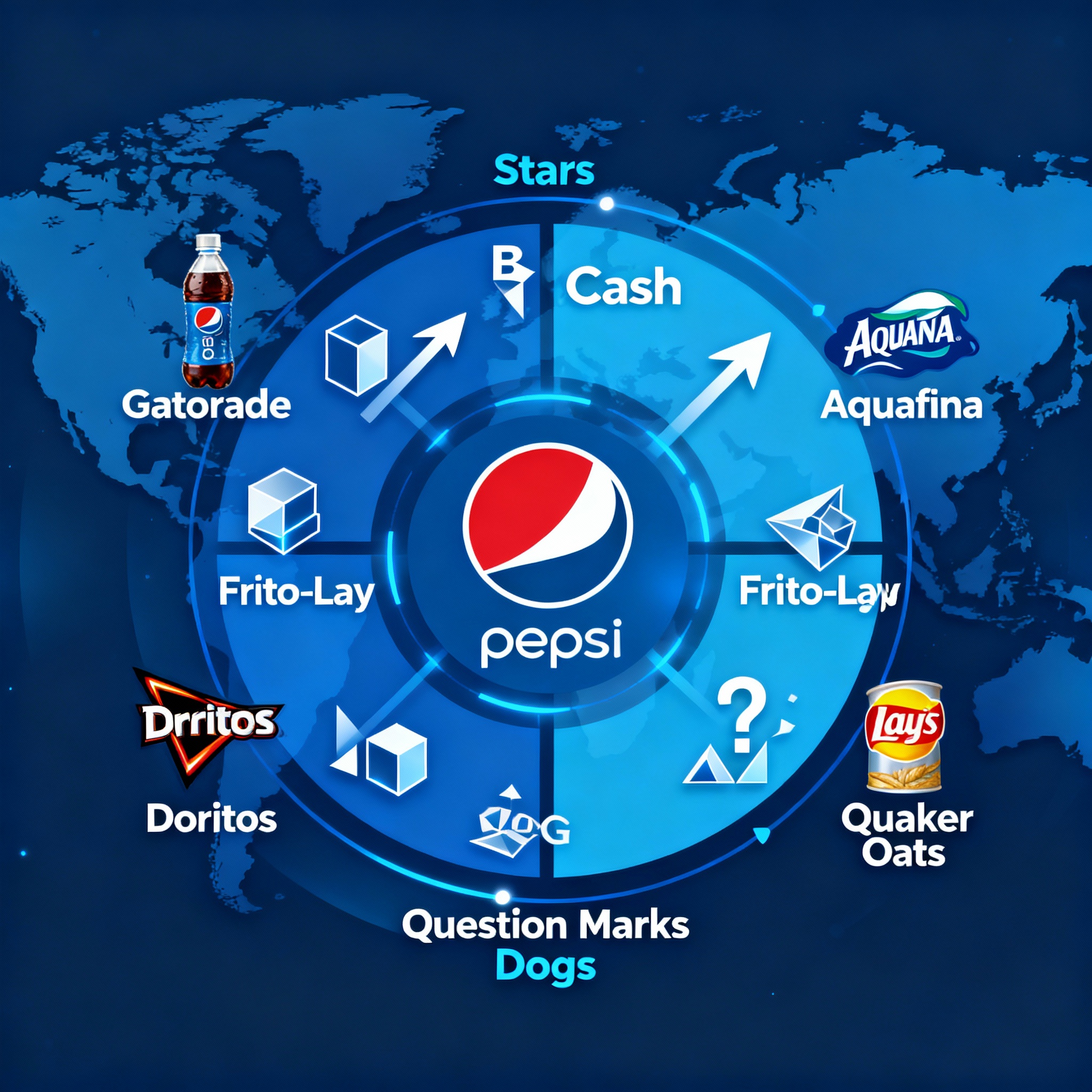
Now, let’s break down each quadrant in detail with examples from PepsiCo’s product portfolio.
Stars – High Market Share, High Market Growth
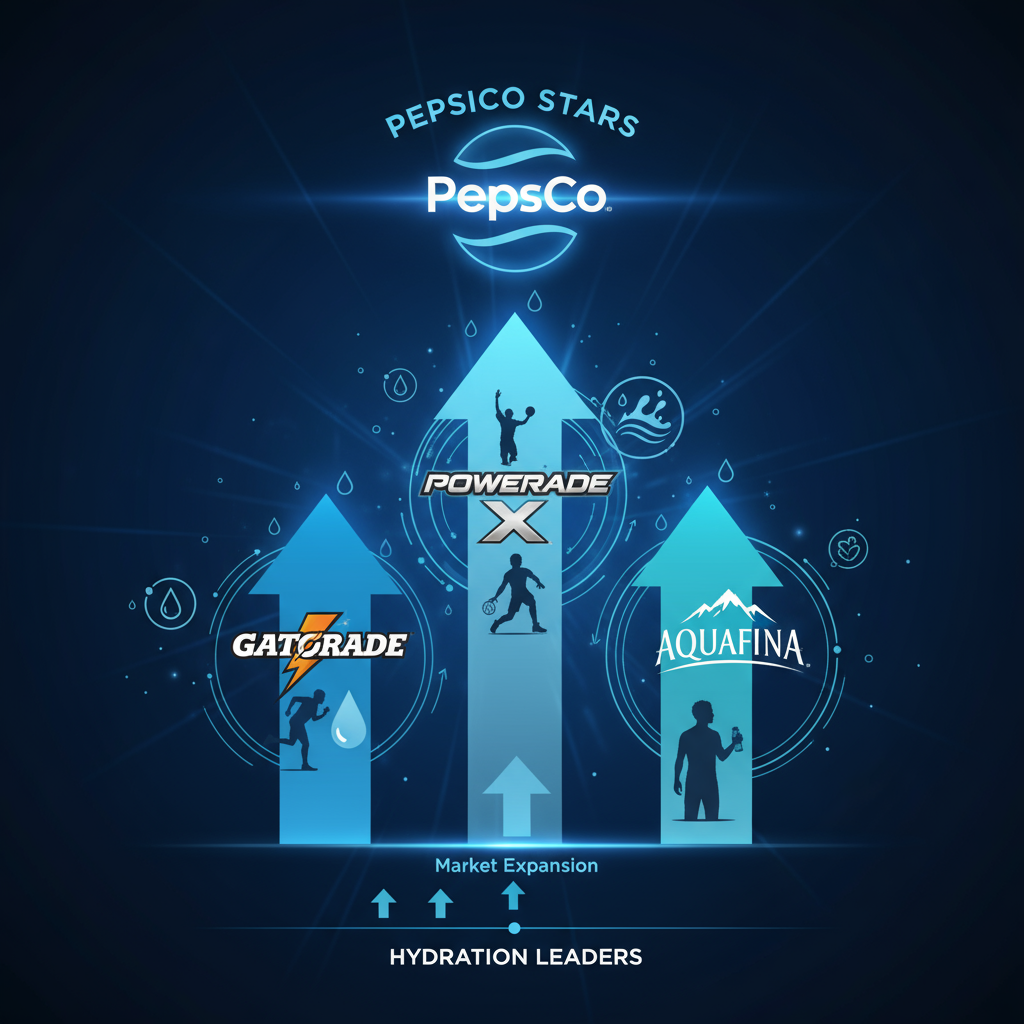
Stars are the most valuable brands for PepsiCo because they dominate markets that are still expanding. These products need high investment but promise strong future returns.
Key Brands:
- Gatorade
- Powerade
- Aquafina
Gatorade
Gatorade is PepsiCo’s flagship sports drink brand. It holds around 77% of the sports drink market, making it a clear leader. As fitness and hydration trends rise, Gatorade’s demand has grown rapidly across global markets.
PepsiCo invests heavily in Gatorade through marketing, product innovation, and athlete sponsorships. Its association with sports events like the NFL and NBA reinforces its leadership in this category.
Powerade
While Powerade is a smaller brand compared to Gatorade, it supports PepsiCo’s strong presence in the energy drink and hydration category. It holds about 20% market share in the sports drink segment and continues to grow steadily.
Aquafina
Aquafina, PepsiCo’s bottled water brand, has become increasingly important in recent years. With people switching from sugary drinks to water, Aquafina now has about 15% of the bottled water market, second only to Bisleri (36%) in India and similar competitors globally.
Why They Are Stars:
- Operate in growing markets (health and hydration).
- Generate strong brand loyalty and recognition.
- Require continuous investment to maintain leadership.
These brands are PepsiCo’s future drivers, aligning with global health trends.
Cash Cows – High Market Share, Low Market Growth
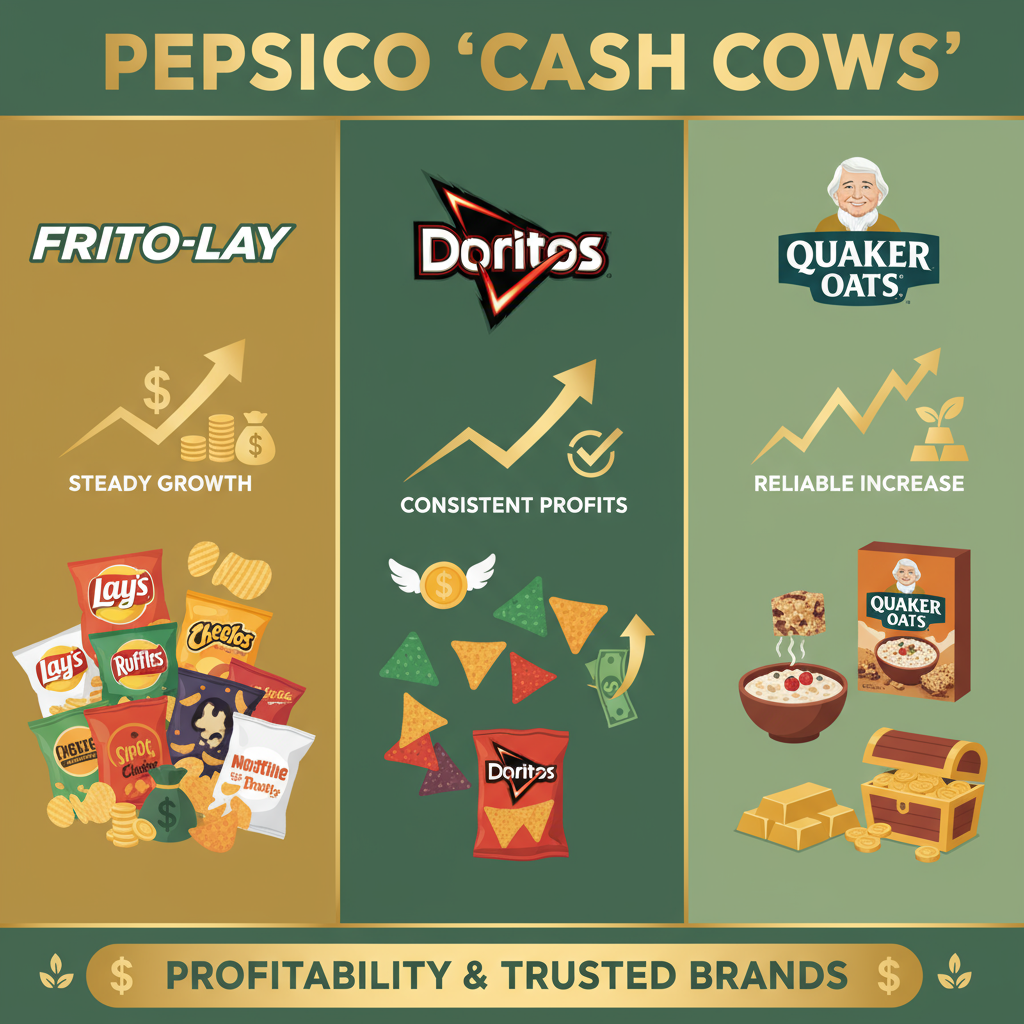
Cash Cows are PepsiCo’s most profitable assets. They dominate mature markets where growth is slow but profits remain stable. These brands generate consistent cash flow, which funds new product innovations.
Key Brands:
- Frito-Lay
- Doritos
- Quaker Oats
Frito-Lay
Frito-Lay is PepsiCo’s biggest revenue generator. It dominates the U.S. snack market with a 72.4% market share. Competitors like Kellogg’s (7%) and Mondelez (5.6%) are far behind.
The brand’s strength lies in its wide product range, including Lay’s, Cheetos, and Ruffles. Despite the snack market’s slow growth, Frito-Lay continues to grow due to innovation in flavors, packaging, and marketing.
Doritos
Doritos is another strong brand under the Frito-Lay division. It enjoys consistent sales worldwide and is one of the most recognized snack brands globally. Even though the chips market has limited growth, Doritos contributes stable revenue and high margins.
Quaker Oats
Quaker Oats is a leader in the breakfast and nutrition category. As more consumers shift to healthy eating habits, Quaker maintains a strong position in mature markets like the U.S. and Europe.
Why They Are Cash Cows:
- High market share and brand trust.
- Require minimal reinvestment.
- Generate stable, predictable profits.
These products are the financial backbone of PepsiCo, funding new ventures like healthier beverages and sustainable packaging.
Question Marks – Low Market Share, High Market Growth
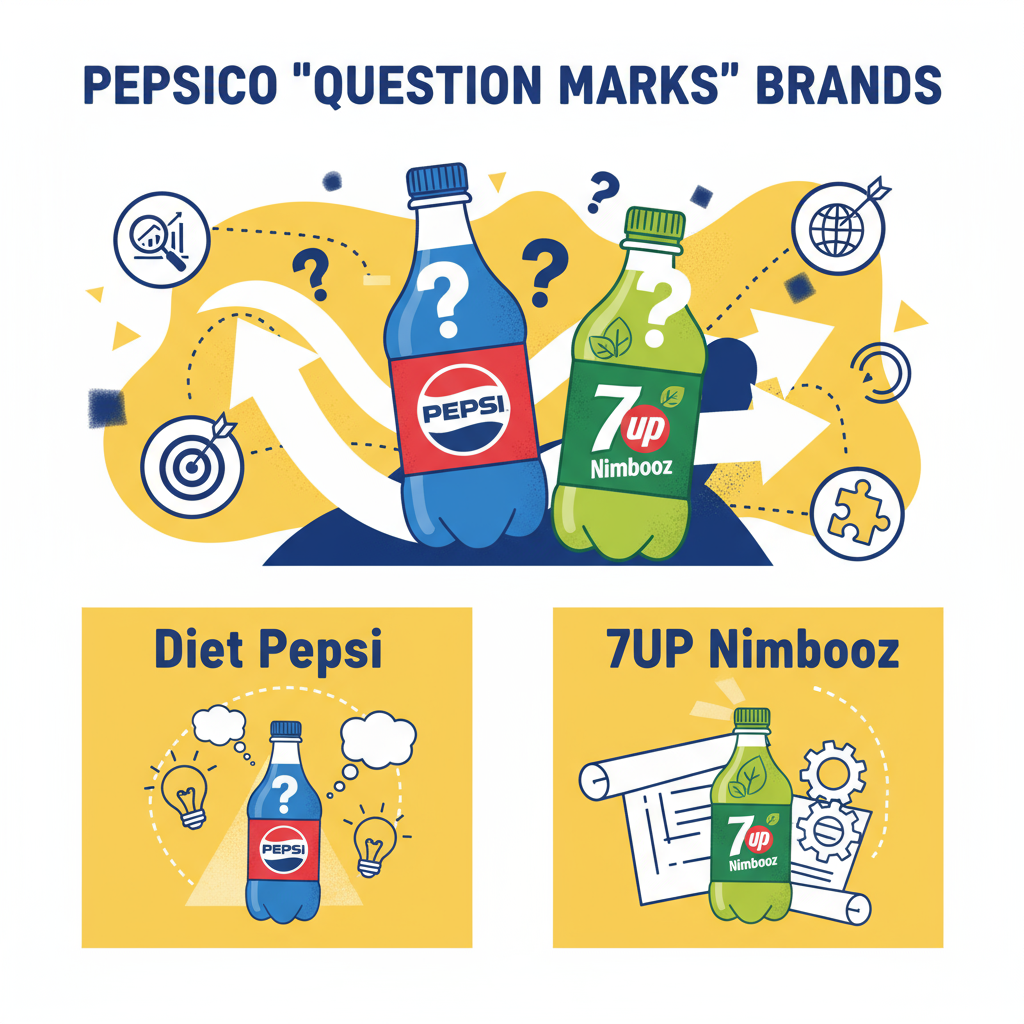
Question Marks are products that operate in expanding markets but have weak market presence. They require investment to grow or risk being discontinued. PepsiCo must decide whether to support these brands further or divert resources to stronger ones.
Key Brands:
- Diet Pepsi
- 7UP Nimbooz
Diet Pepsi
Diet Pepsi was created to attract health-conscious consumers looking for low-calorie soda options. However, it has struggled to compete with Diet Coke, which dominates this segment.
Also Read:BCG Matrix of Google
Despite limited success, PepsiCo continues to promote Diet Pepsi due to increasing demand for sugar-free beverages. With the right strategy—improving taste, rebranding, and aggressive marketing—Diet Pepsi could move into the Stars quadrant.
7UP Nimbooz
Launched in 2009, 7UP Nimbooz was PepsiCo’s attempt to enter India’s local lemonade market. While the drink had initial buzz, it couldn’t gain a strong foothold due to competition from Sprite, Thums Up, and Frooti.
Why They Are Question Marks:
- Compete in fast-growing markets.
- Lack strong customer base and market dominance.
- Need strategic marketing, innovation, and reformulation to succeed.
Question Marks represent PepsiCo’s opportunities for future growth if managed effectively.
Dogs – Low Market Share, Low Market Growth
Dogs are products with both low market growth and low market share. These brands often face declining sales and profitability. PepsiCo must decide whether to phase them out, reposition them, or sustain them minimally for brand legacy.
Key Brands:
- Classic Pepsi
- Tropicana
Classic Pepsi
Classic Pepsi was once PepsiCo’s strongest brand. However, global trends have shifted away from sugary sodas. Health-conscious consumers now prefer low-sugar or natural beverages, leading to a steady decline in Pepsi’s soft drink market share—from 10.3% to 8.4%.
Despite ongoing brand recognition, the demand for carbonated soft drinks continues to fall. PepsiCo now focuses more on water, juices, and sports drinks instead.
Tropicana
Tropicana, once a leader in fruit juices, is facing strong competition from brands offering organic and cold-pressed juices. Consumers now prefer beverages perceived as natural and low in sugar. As a result, Tropicana’s growth has slowed significantly.
Why They Are Dogs:
- Operate in declining markets.
- Generate minimal or negative profit.
- Require either product reinvention or gradual phase-out.
Dogs show how consumer preferences can shift over time and why PepsiCo must constantly innovate.
Visual Summary of the BCG Matrix of PepsiCo
| Quadrant | Brands | Market Description |
| Stars | Gatorade, Powerade, Aquafina | High market share, high growth |
| Cash Cows | Frito-Lay, Doritos, Quaker Oats | High share, low growth |
| Question Marks | Diet Pepsi, 7UP Nimbooz | Low share, high growth |
| Dogs | Classic Pepsi, Tropicana | Low share, low growth |
This simple table visually explains PepsiCo’s product positions and helps understand where each category contributes to the company’s overall business strategy.
Key Insights from the PepsiCo BCG Matrix
- Shift from sugary drinks to health-focused beverages
Consumers are reducing soda intake and choosing healthier drinks like water and sports beverages. PepsiCo has responded by promoting Aquafina and Gatorade. - Snacks are the backbone of revenue
Frito-Lay and Doritos continue to dominate and generate steady profits. - Innovation drives growth
PepsiCo invests in research to introduce low-calorie, plant-based, and sustainable products. - Traditional drinks are declining
Soft drinks like Classic Pepsi need rebranding or reformulation to stay relevant. - Global diversification ensures stability
PepsiCo’s broad global reach helps balance regional market fluctuations.
Strategic Recommendations
- Invest in Stars:
Continue promoting Gatorade and Aquafina through innovation, new packaging, and global campaigns. - Maintain Cash Cows:
Ensure efficiency in Frito-Lay operations and launch new flavors to maintain customer interest. - Develop Question Marks:
Reintroduce Diet Pepsi with better marketing and taste improvements. Explore new markets for 7UP Nimbooz with local flavor variations. - Reposition or Divest Dogs:
Reduce dependency on Classic Pepsi and Tropicana. Redirect investment toward wellness and sustainability-driven products.
By following these strategies, PepsiCo can strengthen its portfolio and ensure long-term growth.
Key Takeaways
- The BCG Matrix of PepsiCo shows how the company balances strong and weak products.
- Health and snack categories are the major growth areas.
- Traditional carbonated drinks are losing popularity.
- Cash Cows provide financial stability for future investments.
- PepsiCo’s strategic focus on innovation keeps it competitive in changing markets.
FAQs
What is the BCG Matrix of PepsiCo?
The BCG Matrix of PepsiCo is a framework that analyzes the company’s products based on market growth and market share to identify which brands are profitable and which need improvement.
Which brands are in the Cash Cow category?
Frito-Lay, Doritos, and Quaker Oats are PepsiCo’s Cash Cows. They dominate mature markets and generate steady income.
Why is Classic Pepsi in the Dogs quadrant?
Classic Pepsi’s demand has declined due to changing consumer preferences and health concerns about sugar.
Which brands are in the Stars quadrant?
Gatorade, Powerade, and Aquafina are Stars because they perform well in growing markets with strong consumer demand.
How does the BCG Matrix help PepsiCo?
It helps PepsiCo allocate resources wisely, invest in growing brands, and reduce costs on underperforming ones.
Conclusion
The BCG Matrix of Pepsi provides a clear view of how PepsiCo’s products perform across markets. It shows that while snack brands and health-oriented beverages are growing, traditional soft drinks are declining.
PepsiCo’s success lies in its ability to adapt, diversify, and invest in products that align with global health and sustainability trends. By focusing on innovation and market needs, PepsiCo ensures long-term growth, profitability, and brand leadership.