


Summary
The banking sector in India is highly competitive, with both public and private banks striving to increase their market share, customer trust, and technological capabilities. The SWOT analysis of Bank of India helps in understanding its internal strengths and weaknesses along with external opportunities and threats. Founded in 1906, Bank of India is one of the oldest public sector banks, known for its wide branch network and focus on customer service. However, the bank also faces challenges such as digital transformation pressure, asset quality issues, and growing competition. This analysis highlights how the Bank of India positions itself in the market, how it can improve, and what risks it must manage in the future.
The Bank of India (BOI) is a leading public sector bank headquartered in Mumbai. Established in 1906, the bank has played a key role in supporting India’s economic growth. It provides a wide range of services, including retail banking, corporate banking, international banking, and digital banking solutions.
A SWOT analysis of Bank of India gives a clear picture of its internal position and the external environment in which it operates. It helps understand how the bank’s resources, capabilities, and market conditions influence its growth and competitiveness. In this blog, we will explore the SWOT analysis of the banking industry through the lens of Bank of India, explaining each factor in detail.
SWOT Analysis of Bank of India
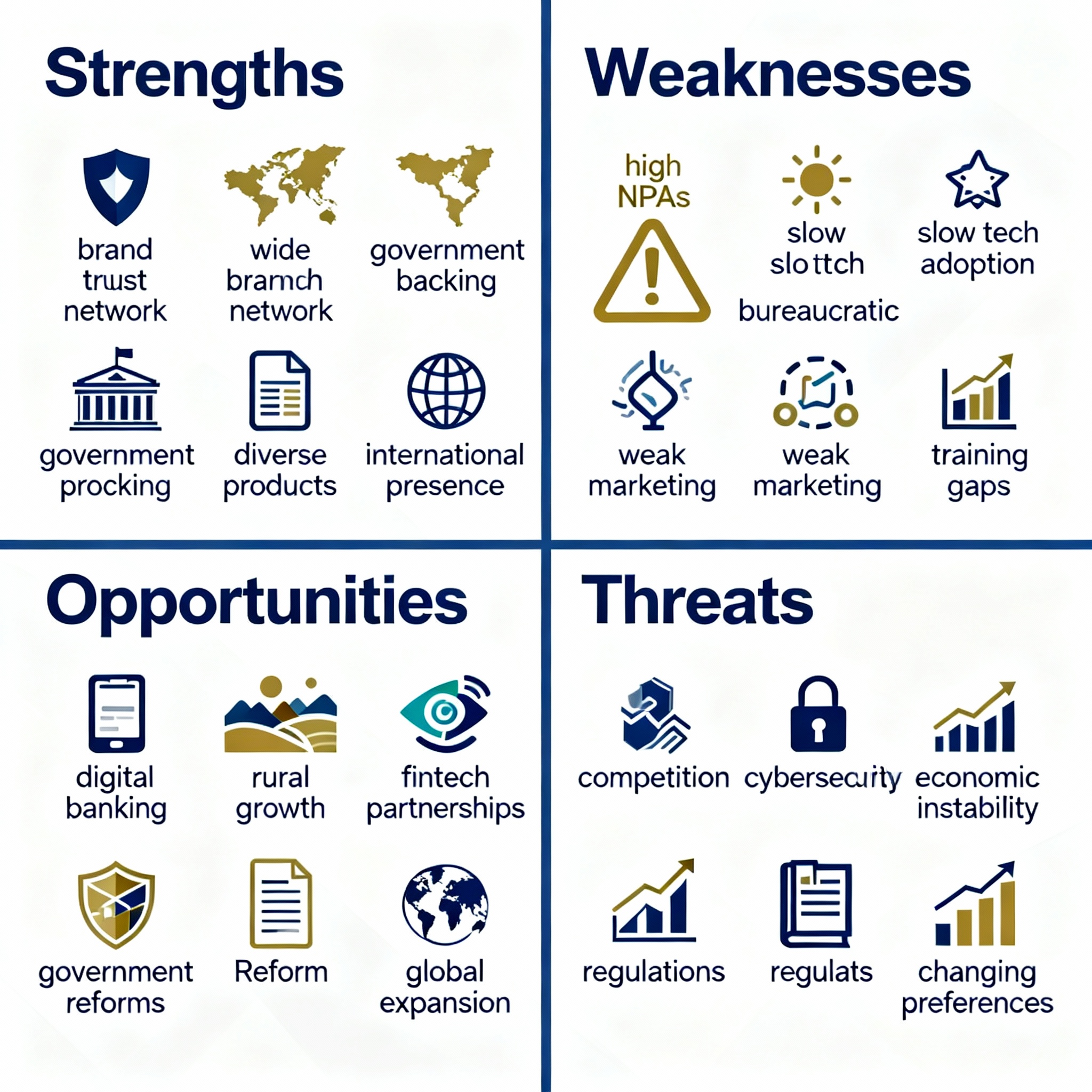
In this section, we examine the strengths, weaknesses, opportunities, and threats of the Bank of India. This detailed analysis helps assess its performance and strategic direction in the Indian banking landscape.
Strengths of Bank of India
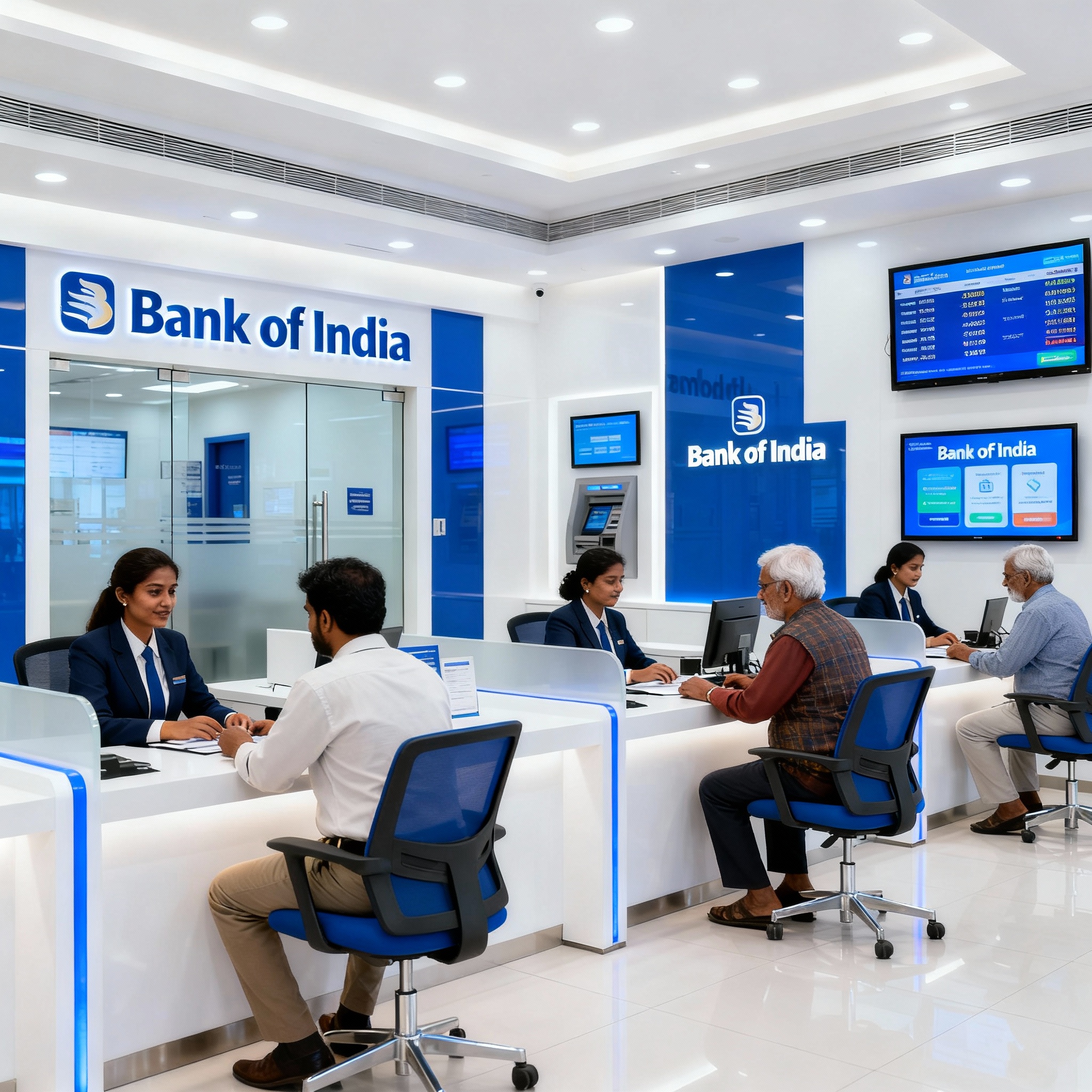
Strengths are internal factors that contribute to the bank’s success and competitive advantage. These include financial stability, brand trust, branch network, and service diversity.
1. Long-standing Reputation and Trust
Bank of India has over a century of experience in the Indian financial market. Its long history has helped it build a strong reputation among customers and investors. The bank is trusted for reliability, transparency, and public ownership, which gives customers confidence in depositing and borrowing.
2. Wide Branch Network
One of the main strengths of Bank of India is its extensive branch network across India and abroad. With more than 5000 branches and ATMs, the bank ensures accessibility to customers in urban and rural areas. This wide network helps the bank maintain strong customer relationships and supports government financial inclusion initiatives.
Also Read: SWOT Analysis of Bank of Baroda
3. Government Ownership and Support
As a public sector bank, Bank of India benefits from government backing. This ownership improves public confidence and provides financial stability. The government’s support during restructuring or recapitalization phases also ensures continued operations without disruptions.
4. Diverse Financial Products
Bank of India offers a comprehensive range of financial products, including personal loans, business loans, savings accounts, credit cards, and international banking services. Its diversified product portfolio helps it cater to various customer segments, from individuals to large corporations.
5. International Presence
Unlike many Indian public sector banks, Bank of India has a notable international footprint. It operates branches and subsidiaries in countries such as the UK, Japan, Kenya, and Singapore. This global presence increases foreign business opportunities and strengthens the bank’s brand.
6. Digital Banking Initiatives
Bank of India has introduced several digital platforms like BOI Star Mobile, BOI Internet Banking, and BOI Wallet. These services enhance convenience and attract tech-savvy customers. The bank’s focus on digitization reflects its adaptation to modern banking needs.
Weaknesses of Bank of India
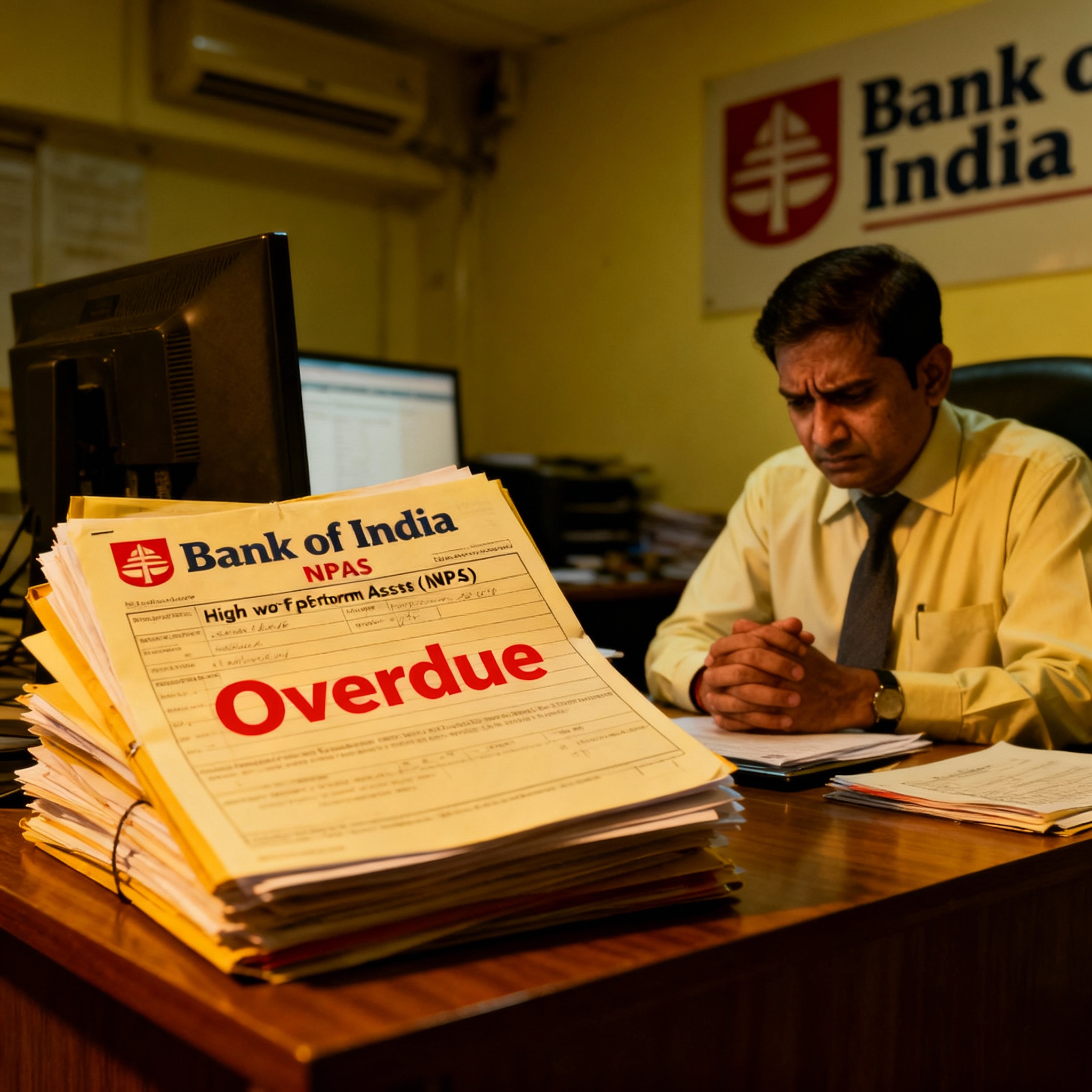
Weaknesses are internal challenges that limit the bank’s growth and operational efficiency. Identifying them helps the bank understand areas that require improvement.
1. High Non-Performing Assets (NPAs)
A major weakness for Bank of India is its high level of NPAs. Like many public sector banks, it struggles with overdue loans in sectors such as infrastructure and small businesses. High NPAs reduce profitability and affect investor confidence.
2. Slow Technology Adoption
Although the bank has taken steps to digitize, its adoption rate is slower compared to private sector banks. Limited innovation and outdated systems impact customer experience and operational efficiency.
3. Bureaucratic Structure
Being a public sector institution, Bank of India follows a bureaucratic management structure. Decision-making is often slow, which limits flexibility and responsiveness to market changes. This affects competitiveness against faster-moving private banks.
4. Limited Marketing and Brand Promotion
Bank of India invests less in marketing compared to private banks like HDFC or ICICI. As a result, it struggles to attract younger customers and expand brand awareness. Weak marketing limits customer acquisition in urban markets.
5. Employee Productivity and Training Gaps
Some internal reports indicate lower employee productivity due to outdated processes and limited skill training. Continuous workforce upskilling is essential to handle modern banking technologies and improve service quality.
Opportunities for Bank of India

Opportunities are external factors that the bank can use to grow and improve its market position. They include technology growth, market expansion, and government policies.
1. Expanding Digital Banking Services
Digital transformation offers a big opportunity for Bank of India. By investing in mobile applications, online banking, and AI-driven services, the bank can attract younger and tech-savvy customers. Improved digital systems can also reduce costs and improve efficiency.
2. Growth in the Indian Banking Industry
India’s banking industry continues to grow due to rising incomes, financial literacy, and government reforms. The expansion of the economy provides the Bank of India with opportunities to increase lending, especially in MSME and retail segments.
3. Rural and Semi-Urban Market Penetration
The government’s financial inclusion schemes open a large market for public banks. With its wide rural presence, Bank of India can capture more customers through microfinance and small business lending.
4. Strategic Partnerships
The bank can collaborate with fintech firms, insurance companies, and payment solution providers to improve its service offerings. Partnerships can help modernize its technology stack and offer more innovative products.
5. Government Support and Banking Reforms
The Indian government continues to promote public sector bank reforms. These reforms aim to improve efficiency, reduce NPAs, and attract investments. Such initiatives create a better business environment for banks like BOI.
6. Global Expansion Opportunities
Bank of India can further strengthen its international operations. Growing trade relations between India and other countries create opportunities for cross-border financing, remittances, and business banking.
Threats to Bank of India
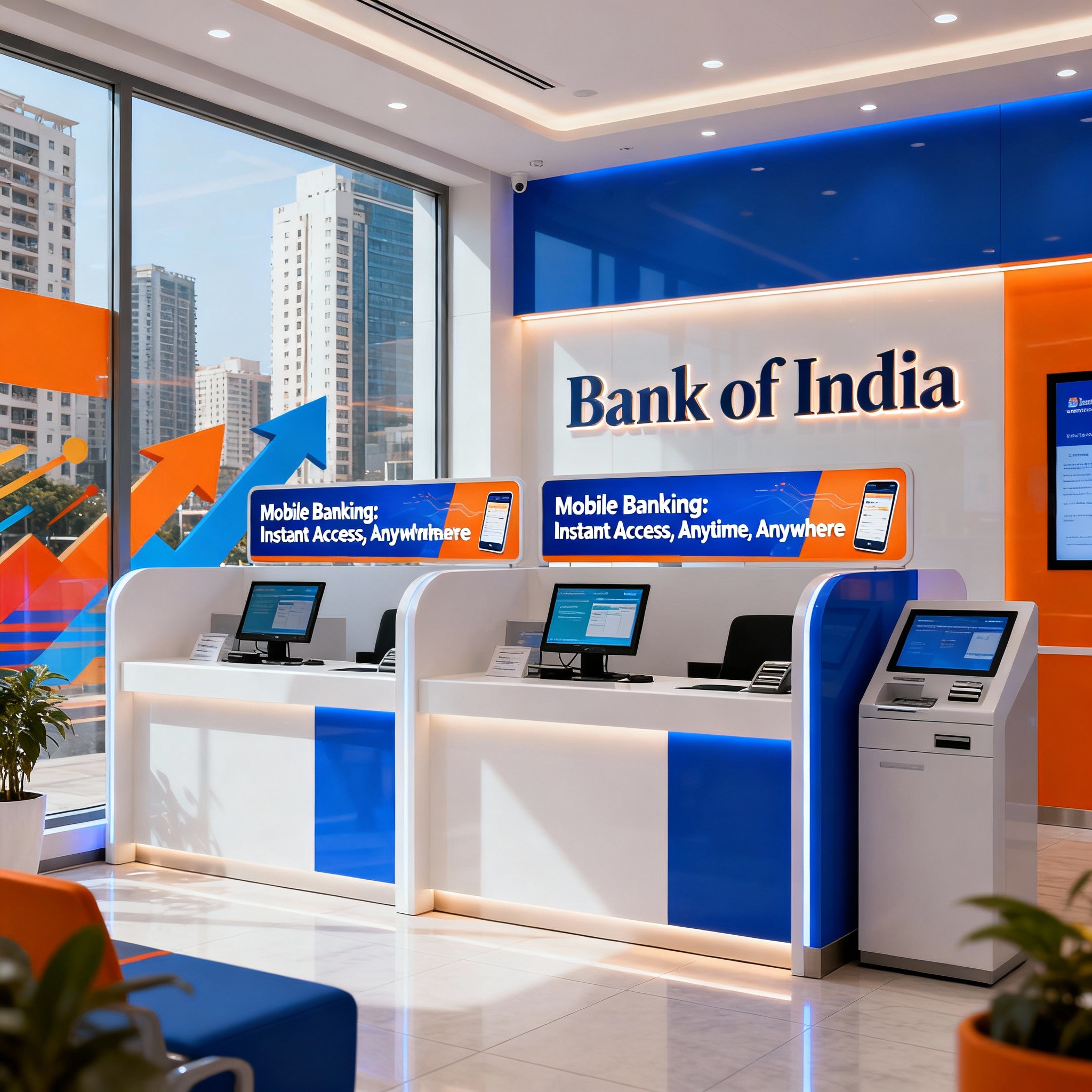
Threats are external challenges that can affect the bank’s performance and stability. Understanding them helps the bank prepare risk management strategies.
1. Rising Competition
Competition is increasing from private sector banks like HDFC, ICICI, and Axis, as well as from fintech startups offering quick and digital-first services. This rising competition threatens Bank of India’s market share, especially among younger consumers.
2. Economic Instability
Global and domestic economic slowdowns can affect loan repayments and increase bad debts. Economic disruptions, such as inflation or reduced industrial output, directly affect the bank’s lending and profitability.
3. Cybersecurity Risks
With growing digital operations, cyber threats have become a major concern. Data breaches, fraud, and system failures can damage customer trust and lead to financial losses.
4. Regulatory Pressure
Banking regulations are becoming more stringent. Compliance with new Reserve Bank of India (RBI) guidelines, KYC norms, and audit requirements increases administrative work and operational costs.
5. Interest Rate Fluctuations
Changes in interest rates impact lending and deposit margins. Higher interest rates can reduce loan demand, while lower rates affect profitability.
6. Changing Customer Preferences
Customers now prefer fast, digital, and personalized banking services. Public banks, which are slower in adopting new technology, risk losing relevance among modern consumers.
SWOT Matrix Summary
| Strengths | Weaknesses |
| Strong brand reputation | High NPAs |
| Wide branch network | Slow digital adoption |
| Government ownership | Bureaucratic structure |
| Global presence | Weak marketing efforts |
| Diverse financial products | Limited employee training |
| Opportunities | Threats |
| Digital transformation | Rising competition |
| Rural market growth | Cybersecurity risks |
| Government reforms | Economic instability |
| Fintech partnerships | Regulatory pressure |
| Global expansion | Changing customer behavior |
This SWOT matrix provides a quick overview of the SWOT analysis of banking industry as applied to Bank of India. It highlights internal and external factors shaping the bank’s future.
Strategic Recommendations
Based on the SWOT analysis, Bank of India can take several steps to strengthen its position:
- Invest in Technology: Focus on automation, artificial intelligence, and mobile platforms to improve service delivery and operational efficiency.
- Reduce NPAs: Strengthen loan recovery mechanisms and adopt advanced risk assessment tools.
- Enhance Marketing: Build stronger digital marketing campaigns to attract younger audiences.
- Employee Training: Conduct continuous learning programs to improve digital literacy and customer engagement.
- Expand Partnerships: Collaborate with fintechs and digital payment platforms to diversify offerings.
- Improve Customer Experience: Simplify processes, offer better digital tools, and personalize services.
These actions can help Bank of India stay competitive and maintain its long-term growth in the dynamic banking environment.
Conclusion
The SWOT analysis of Bank of India highlights a mix of strengths, such as government backing, wide reach, and customer trust, along with weaknesses like high NPAs and slow digital progress. The bank has significant opportunities in digital transformation, rural growth, and partnerships. However, it must manage threats like competition, cybersecurity risks, and economic shifts.
By improving technology adoption, enhancing employee skills, and modernizing its brand image, Bank of India can strengthen its presence in the Indian financial sector. This analysis also reflects the broader SWOT analysis of the banking industry, where innovation, trust, and efficiency are key to success.
FAQs
What is the purpose of a SWOT analysis for a bank?
A SWOT analysis helps identify a bank’s internal strengths and weaknesses along with external opportunities and threats. It provides insights into areas that require improvement and helps create effective growth strategies.
What are the main strengths of Bank of India?
The main strengths include its wide branch network, government backing, trusted brand image, and international presence. These strengths make it one of the key players in India’s public banking sector.
What are the weaknesses of Bank of India?
The key weaknesses are high NPAs, slow digital adoption, limited marketing efforts, and low employee productivity. Addressing these can improve the bank’s efficiency and competitiveness.
What opportunities can Bank of India explore?
Bank of India can grow through digital transformation, fintech partnerships, and expansion in rural and global markets. It can also benefit from government banking reforms and financial inclusion programs.
What are the major threats to Bank of India?
The main threats include intense competition from private banks and fintechs, cybersecurity risks, regulatory pressure, and economic instability affecting loan recovery and profitability.
How does this analysis relate to the overall banking industry?
The SWOT analysis of Bank of India reflects the broader SWOT analysis of the banking industry, showing common challenges like digital disruption, changing customer behavior, and the need for stronger financial health across public sector banks.

A digital marketer with a strong focus on SEO, content creation, and AI tools. Creates helpful, easy-to-understand content that connects with readers and ranks well on search engines. Loves using smart tools to save time, improve content quality, and grow online reach.