

In today’s digital world, SEO (Search Engine Optimization) is not just about ranking on Google. For SaaS (Software as a Service) companies, SEO has become a powerful strategy to bring in high-quality leads, grow brand awareness, and boost conversions.
As we step into 2025, the competition is fiercer, and search engines are smarter. This guide will help you understand what makes SaaS SEO unique and how to use it effectively to grow your business this year.
What Makes SEO for SaaS Different?
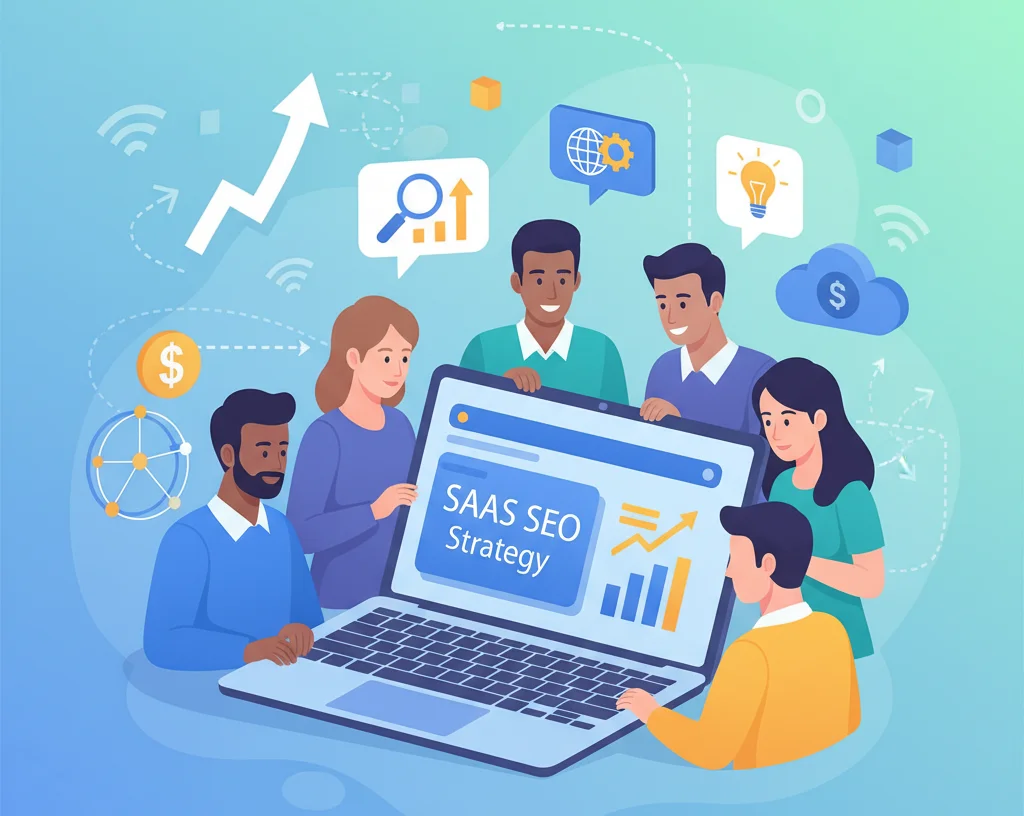
SEO for SaaS isn’t like SEO for eCommerce or blogs. Here’s why:
- Long Sales Cycles: B2B buyers often take weeks or months to make a decision.
- Subscription-Based Models: Retaining customers is as important as acquiring them.
- High Competition: Most SaaS companies fight for the same keywords and audiences.
- Complex Funnels: You need content for every stage—from awareness to conversion to retention.
SaaS SEO focuses on building trust, solving pain points, and helping users move smoothly through the buyer journey.
Core SEO Components for SaaS Success
a. Keyword Research for SaaS

SaaS keyword strategy needs to go beyond basic traffic goals. Focus on:
- Navigational Keywords: Like “Slack login” or “Asana pricing”
- Informational Keywords: Like “how to manage remote teams”
- Transactional Keywords: Like “best CRM software for small business”
Also, target pain-point and solution-based queries, such as:
- “How to reduce customer churn”
- “Best alternatives to [competitor]”
b. On-Page SEO for SaaS Websites

Your core website pages must be optimized smartly:
- Use clear headlines, keyword-rich meta descriptions, and fast-loading pages.
- Optimize important pages like home, features, pricing, and demo pages.
- Use schema markup to enhance search appearance.
- Create comparison pages, like “Slack vs Microsoft Teams.”
c. Technical SEO Considerations
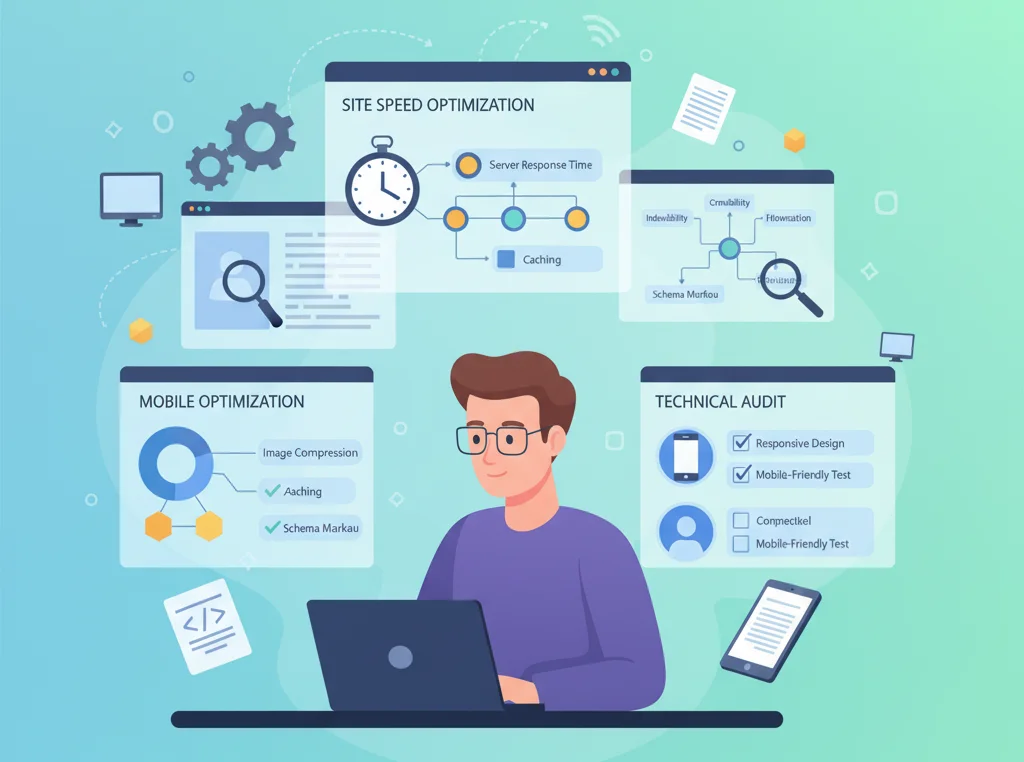
Google loves technically strong websites. For SaaS, pay attention to:
- Site Speed: Fast loading improves UX and SEO.
- Mobile Optimization: Most users browse on phones.
- Crawlability: Submit XML sitemaps and fix broken links.
- Site Structure: Use subfolders (like /blog/) instead of subdomains.
d. Content Strategy for SaaS SEO

Content is king—especially for SaaS. Key content types include:
- Blog Posts: Educate users, target keywords, and improve visibility.
- Use-Case Pages: Explain how your tool solves specific problems.
- Comparison Articles: “[Your SaaS] vs [Competitor]” is a great lead driver.
- Customer Stories: Show how real users succeed with your product.
- Resources: Offer downloadable guides, webinars, and whitepapers.
Link Building Strategies for SaaS

Backlinks remain a strong ranking factor. For SaaS:
- Guest Posting: Write on reputable SaaS or tech blogs.
- Product-Led Content: Create valuable content that naturally attracts links.
- Digital PR: Share original data, surveys, or newsworthy updates.
- SaaS Partnerships: Co-market with integrations or affiliates.
Build authority and trust through backlinks from relevant, high-quality websites.
Also Check: What Is Proximity In Web Design & How Does It Work?
Leveraging Product-Led SEO
Product-led SEO is the future for SaaS. Here’s how to use it:
- Feature-Based Content: Write content based on specific features of your tool.
- Use Case Blogs: Focus on solving user problems using your SaaS.
- Interactive Tools: Offer free calculators, checklists, or audit tools.
- Freemium Strategy: Let users try the product and link to it in blog content.
Let the product itself generate SEO value through visibility, links, and usage.
Optimizing for User Intent and Conversions
Traffic means nothing if it doesn’t convert. Here’s how to align SEO with SaaS goals:
- Match Content to Buyer Stages:
- Awareness: Blogs and guides
- Consideration: Webinars, comparison pages
- Decision: Demos, free trials
- Use strong CTAs across your site: “Book a demo,” “Start free trial,” “Get pricing.”
- Use retargeting ads to bring visitors back.
- Optimize landing pages for conversions (not just SEO).
Measuring SaaS SEO Performance
Tracking is critical to measure success. Don’t just track rankings. Monitor:
- Marketing Qualified Leads (MQLs)
- Demo requests or sign-ups
- Conversion Rate (CR)
- Customer Acquisition Cost (CAC)
- Churn Rate
SEO tools to use:
- Google Analytics 4 (GA4)
- Google Search Console
- Ahrefs or Semrush
- HubSpot (for lead tracking)
Common SEO Mistakes SaaS Companies Make
Avoid these frequent mistakes in your SaaS SEO efforts:
- Focusing only on product pages and ignoring TOFU (Top-of-Funnel) content.
- No branded search optimization (like “[your tool] pricing” or “[your tool] review”).
- Duplicate or thin pages for each feature or service.
- Ignoring international SEO when scaling globally.
Fixing these can significantly improve visibility and results.
Emerging SaaS SEO Trends in 2025
Let’s look at what’s changing in 2025:
- AI-Generated Content: Many SaaS brands use AI for content. The focus is now on quality and originality.
- Google’s AI Overviews: Google is providing more direct answers; aim for featured snippets and rich results.
- Zero-Click Searches: Optimize for SERP visibility even if it doesn’t lead to a click.
- Voice Search & Visual Search: Optimize for natural questions and image-based search queries.
- Search Intent Mapping: Understand and meet the real purpose behind the search query.
Stay agile and keep learning to stay ahead.
Conclusion
SaaS SEO in 2025 is no longer just about keywords and backlinks. It’s about providing value, solving problems, and building trust through every stage of the buyer’s journey.
To win at SaaS SEO this year:
- Focus on useful, user-first content
- Prioritize technical and on-page excellence
- Build high-quality backlinks
- Align everything with your product and funnel
With the right SEO strategy, your SaaS company can generate sustainable growth and build a loyal customer base.

Passionate about blogging and focused on elevating brand visibility through strategic SEO and digital marketing. Always tuned in to the latest trends, I’m dedicated to maximizing engagement and delivering measurable ROI in the dynamic world of digital marketing. Let’s connect and unlock new opportunities together!